George Chandra Eka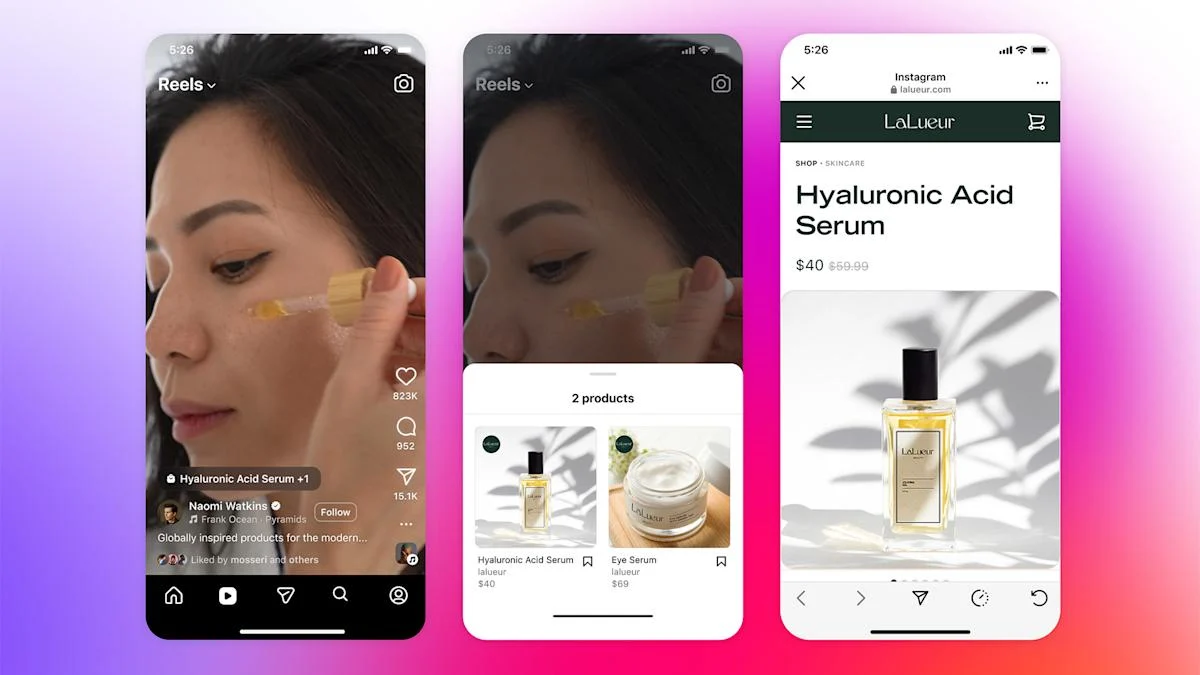
Meta Platforms, Inc. has announced a significant expansion of its creator monetization tools, enabling content creators on Facebook and Instagram to embed direct, clickable shopping links for products within their Reels. This strategic update is poised to fundamentally alter how creators engage with their audiences and generate revenue, moving away from the often cumbersome "link in bio" solutions and bringing Meta’s platforms on par with competitors in the rapidly evolving social commerce landscape. The initiative underscores Meta’s intensified focus on integrating commerce directly into its content experiences, solidifying its position within the burgeoning creator economy.
A New Era for Creator Monetization: Direct Shopping Integration
The core of Meta’s announcement revolves around the introduction of a seamless shopping experience within short-form video content. Creators, who previously relied on directing followers to external websites via profile links or lengthy captions, can now directly tag up to 30 distinct products in a single Reel. These tags transform into clickable links, offering viewers an immediate pathway from discovery to purchase without ever leaving the Meta ecosystem. This functionality is being rolled out across both Instagram and Facebook Reels. While Instagram creators enjoy broader product tagging capabilities, Facebook creators will initially be limited to tagging products from established marketplace partners, such as Amazon, streamlining the integration process with existing e-commerce giants.
For years, brand partnerships and affiliate marketing have formed the bedrock of creator income on Meta’s platforms. Creators earn a commission on sales generated through their recommendations, a model that has proven highly effective but often hampered by the friction of off-platform redirection. The "link in bio" solution, a ubiquitous workaround for content creators across social media, required users to navigate away from the content feed, visit a creator’s profile, click an external link, and then proceed to a third-party merchant. Each step represented a potential drop-off point, impacting conversion rates and, consequently, creator earnings. By embedding shopping links directly into Reels, Meta aims to drastically reduce this friction, creating a more fluid and intuitive shopping journey that mirrors the impulsive nature of short-form video consumption.
Background and the Rise of the Creator Economy
The move comes amidst a dramatic surge in the global creator economy, which has transformed from a niche pursuit into a multi-billion-dollar industry. Estimates suggest the creator economy, encompassing content creators, curators, and community builders, is valued at over $250 billion globally and is projected to exceed $480 billion by 2027. This growth has been fueled by the proliferation of social media platforms, sophisticated content creation tools, and an increasing desire for authentic, peer-to-peer recommendations. Creators, ranging from fashion influencers and beauty gurus to tech reviewers and lifestyle bloggers, have cultivated dedicated followings, becoming trusted sources of information and inspiration for their audiences.
Meta’s journey to adequately monetize this burgeoning sector has been multifaceted and, at times, challenging. While the company has long facilitated brand partnerships through its platforms, direct, robust monetization tools for creators have evolved more slowly than some competitors. In recent years, Meta has experimented with various initiatives to support creators, including performance bonuses, subscriptions, and virtual tipping mechanisms like "Stars." However, integrating commerce directly into content has remained a critical frontier, especially as rival platforms made significant inroads.
The Competitive Landscape: Catching Up with Rivals
A key driver behind Meta’s latest announcement is the intense competition in the short-form video space, particularly from TikTok and YouTube Shorts. Both platforms have been aggressive in integrating affiliate shopping features for several years, establishing themselves as formidable players in the social commerce arena.
TikTok, owned by ByteDance, has been at the forefront of this trend, pushing shopping features into nearly every part of its app. From "TikTok Shop" allowing in-app purchases to live shopping events and integrated affiliate links, TikTok has demonstrated the immense potential of marrying entertainment with commerce. Its immersive, algorithm-driven feed has proven highly effective at driving discovery and impulse buys, setting a high bar for competitors.
Similarly, Google’s YouTube Shorts has also embraced affiliate shopping. Leveraging its vast ecosystem of product reviews and unboxing videos, YouTube has enabled creators to tag products directly in their Shorts, connecting viewers to relevant merchandise. These platforms have effectively capitalized on the "see it, want it, buy it" mentality prevalent in short-form video consumption, forcing Meta to accelerate its own social commerce strategy. Meta’s latest update is a clear signal that it intends to fiercely compete for both creator talent and consumer spending within this lucrative segment.
Chronology of Meta’s Social Commerce Evolution
Meta’s journey into social commerce has been incremental, reflecting a broader industry trend towards integrating shopping into digital experiences.
- Early 2010s: Initial forays with basic product tagging on Instagram, primarily for brands to showcase items.
- 2016: Instagram introduces "Shop Now" buttons on posts, allowing direct links to product pages.
- 2017: Instagram Shopping launches, enabling businesses to create shoppable posts and stories.
- 2019: Instagram Checkout is introduced, allowing users to purchase products directly within the app without leaving. Facebook Marketplace also grows significantly.
- 2020: Amidst the COVID-19 pandemic, Meta accelerates its commerce efforts, launching Facebook Shops and expanding Instagram Shop, providing businesses with free online storefronts. Live Shopping features gain prominence.
- 2021: Meta ramps up creator monetization efforts, including performance bonuses and creator funds, while continuing to experiment with commerce integrations.
- 2223: Focus on Reels monetization intensifies, with the introduction of various ad formats and direct response tools. The current announcement marks a significant leap by fully integrating affiliate shopping links for creators within Reels.
This timeline illustrates a consistent, albeit sometimes cautious, progression towards a more integrated and creator-centric commerce experience, culminating in the direct shoppable links within Reels.
Official Responses and Creator Sentiment
A Meta spokesperson, commenting on the rollout, emphasized the company’s commitment to empowering creators and fostering new economic opportunities. "Our goal is to provide creators with the most robust tools to build their businesses and connect with their communities," the spokesperson stated. "By reducing friction in the shopping journey, we are enabling a more seamless experience for both creators and their followers, driving greater value for all parties involved." The company also clarified that, for the time being, Meta is not taking a direct cut from creators’ sales generated through these affiliate links. This approach suggests an initial focus on driving adoption and engagement within the new feature, potentially with an eye toward future monetization models once the ecosystem matures.
Initial reactions from the creator community have been largely positive, albeit with some tempered anticipation. Lifestyle creators, fashion influencers, and product reviewers, who heavily rely on recommending items, stand to benefit significantly. "This is a game-changer," commented one prominent fashion creator on Instagram. "My followers constantly ask where I get my outfits or home decor. Being able to link directly in the Reel, right where they see the product in action, will make a huge difference in conversions. No more ‘link in bio’ scavenger hunts!" Another creator specializing in tech gadgets added, "The easier it is for people to buy what I recommend, the more time I can spend creating content instead of managing external links and explaining how to find them."
However, some creators and industry observers have expressed cautious optimism, highlighting potential pitfalls. Concerns include the risk of "over-commercialization," where Reels become saturated with product placements, potentially alienating viewers seeking genuine entertainment or educational content. The delicate balance between authentic content creation and overt salesmanship will be a critical challenge for creators to navigate. "There’s a fine line," noted a beauty influencer. "We don’t want to turn our Reels into infomercials. The key will be integrating products seamlessly and authentically, otherwise, audiences will tune out."
Broader Impact and Implications
The introduction of direct shoppable links in Reels carries profound implications for creators, brands, Meta itself, and the broader social commerce landscape.
For Creators:
The most immediate impact for creators is the potential for increased earnings and a streamlined workflow. By removing friction from the purchase path, conversion rates for affiliate sales are likely to improve, translating into higher commissions. This could incentivize more creators to focus on product-centric content and attract new talent to Meta’s platforms. It also simplifies the operational aspect of affiliate marketing, freeing up time previously spent managing external link services. However, it also introduces pressure to consistently integrate products, potentially blurring the lines between authentic recommendations and sponsored content, which could impact audience trust if not handled transparently. The ability to link up to 30 products also means creators must be strategic, avoiding overwhelming their audience while maximizing potential revenue streams.
For Brands and Advertisers:
For brands, this update opens up a powerful new channel for direct-to-consumer marketing. They can leverage the authenticity and reach of creators to showcase products in dynamic, engaging short-form video formats. The direct linking capability means brands can potentially see clearer attribution for sales generated through creator campaigns, offering more tangible ROI metrics than traditional brand awareness campaigns. This could lead to increased investment in creator marketing and a shift in advertising budgets towards performance-based affiliate models on Meta’s platforms. Small and medium-sized businesses (SMBs) could particularly benefit, gaining access to a wide audience through creators without needing extensive advertising budgets.
For Meta Platforms, Inc.:
While Meta states it isn’t currently taking a cut from sales, the long-term strategic advantages are immense.
- Competitive Advantage: This move directly challenges TikTok and YouTube Shorts, helping Meta retain creators and users who might otherwise gravitate towards platforms offering more robust commerce tools. Keeping users within the Meta ecosystem for their shopping needs is crucial for maintaining engagement.
- Data Insights: The most significant, immediate benefit for Meta is the unprecedented insight into user purchasing behavior. By tracking what products users click on and ultimately buy through Reels, Meta gains invaluable first-party data. This data can be used to significantly bolster its core advertising business by refining ad targeting, developing more effective ad products, and understanding broader market trends and consumer preferences. Even without a direct sales cut, the value of this data for Meta’s advertising engine is astronomical.
- Future Revenue Streams: While currently commission-free, it is highly probable that Meta will explore future monetization models. This could include taking a percentage of sales, offering premium features for brands or creators (e.g., enhanced analytics, boosted visibility for shoppable Reels), or integrating these insights into a broader e-commerce platform that directly competes with Amazon or Shopify. This initiative represents a foundational step towards diversifying Meta’s revenue streams beyond its heavily ad-dependent model.
- User Retention: A more convenient and integrated shopping experience keeps users on Meta’s apps for longer, increasing overall engagement and daily active users, which are critical metrics for the company.
For Consumers:
Consumers will experience a more convenient and seamless shopping journey. Discovering a product they like in a Reel and being able to purchase it instantly removes significant barriers. However, this convenience also comes with increased exposure to commercial content. The balance between entertainment and commerce will be crucial. If creators or brands "go overboard" with product placements, there is a risk of alienating users who come to the platforms primarily for social connection and entertainment. Transparency in disclosing affiliate relationships will also be paramount to maintaining consumer trust.
Ethical and Regulatory Considerations:
The proliferation of direct shoppable content raises important ethical and regulatory questions. Clear disclosure of affiliate relationships, as mandated by consumer protection agencies like the Federal Trade Commission (FTC) in the U.S., will be more critical than ever. Meta will need robust mechanisms to ensure creators are transparent about sponsored content and affiliate links. Furthermore, the collection and utilization of vast amounts of consumer purchasing data will intensify scrutiny regarding data privacy and security practices.
Conclusion: The Convergence of Content, Community, and Commerce
Meta’s introduction of direct shoppable links in Reels represents a pivotal moment in the ongoing convergence of content, community, and commerce. It is a strategic imperative for the company to remain competitive in the dynamic social media landscape and to tap into the immense economic potential of the creator economy. While the immediate focus is on empowering creators and enhancing user experience, the long-term implications for Meta’s advertising business, revenue diversification, and its position in the broader e-commerce market are substantial. The success of this initiative will hinge on Meta’s ability to balance commercial imperatives with the authentic, engaging content that has historically drawn billions to its platforms, ensuring that the convenience of shopping does not overshadow the core social experience. As the digital economy continues to evolve, the lines between entertainment and retail will only become more intertwined, with platforms like Meta leading the charge in shaping this future.