
 George Chandra Eka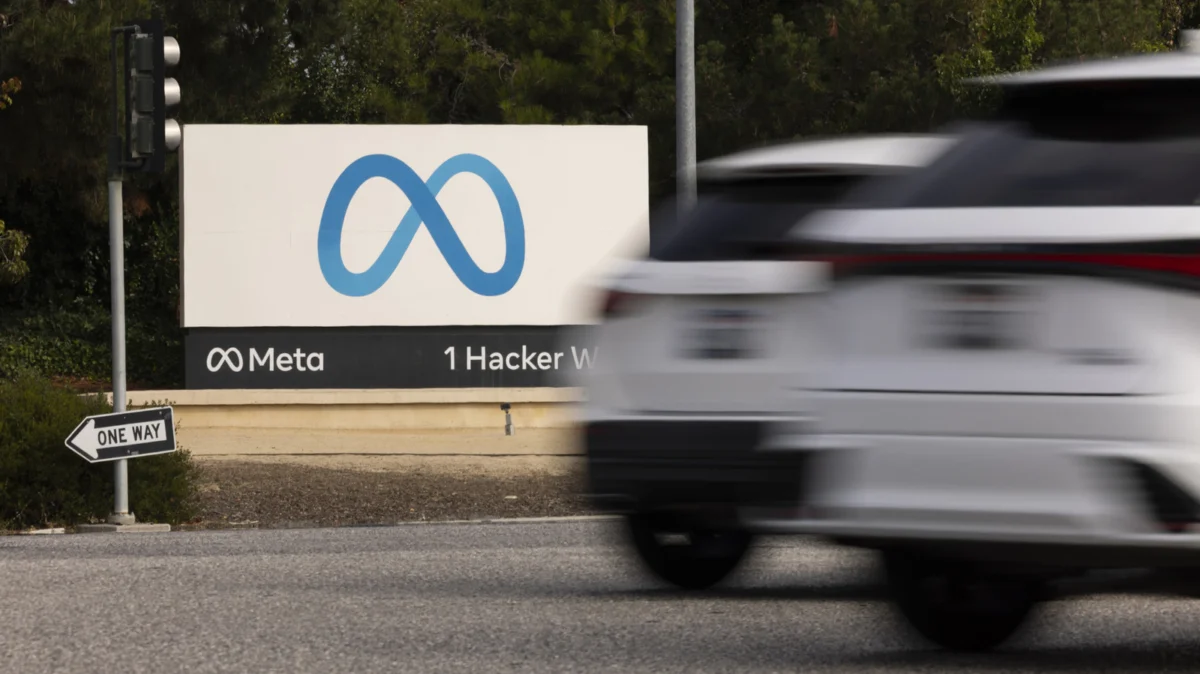
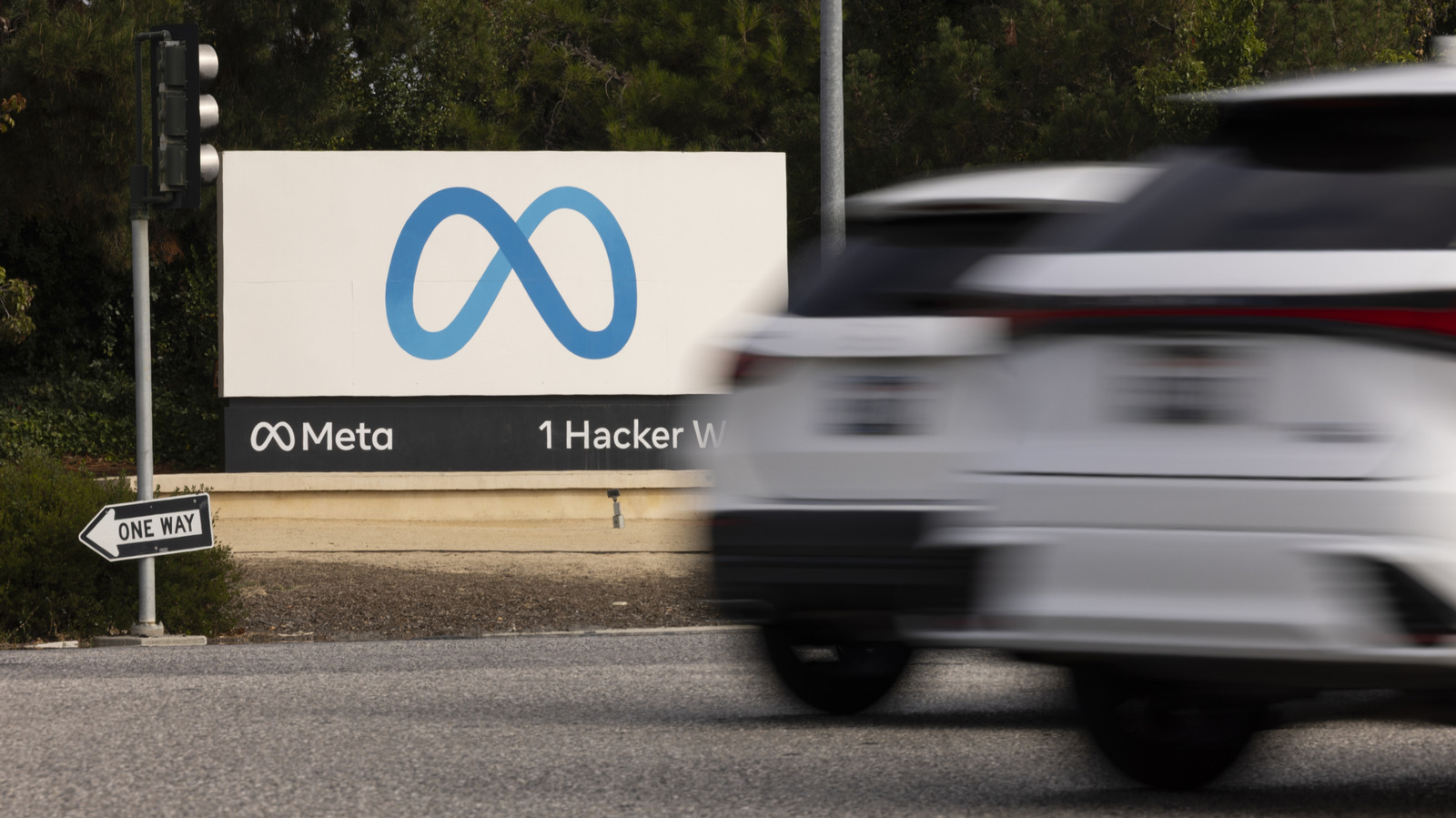
Meta Platforms, the technology behemoth behind Facebook and Instagram, is reportedly engaged in advanced discussions with artificial intelligence (AI) startup Anthropic to lease substantial portions of its vast data center infrastructure. This potential agreement, which sources suggest could be valued at up to $10 billion over a two-year period, marks a pivotal strategic consideration for Meta, potentially ushering the company into the lucrative realm of cloud computing services and diversifying its revenue streams beyond its long-standing advertising dominance.
The reported negotiations, still in their nascent stages according to a recent report by The New York Times, represent a significant shift in Meta’s operational strategy. Historically, Meta has meticulously built and maintained its expansive global data center network primarily to support its own social media platforms, metaverse ambitions, and burgeoning AI initiatives. Venturing into leasing this infrastructure to third-party entities, particularly a direct rival in the AI development space like Anthropic, would unlock an entirely new business vertical for the Menlo Park-based company. This move echoes earlier reporting from Bloomberg that indicated Meta’s internal considerations for entering the broader cloud services market, a domain currently dominated by giants like Amazon Web Services (AWS), Microsoft Azure, and Google Cloud Platform (GCP).
A New Frontier for Meta: Diversifying Beyond Advertising
For years, Meta’s financial fortunes have been inextricably linked to digital advertising. The vast majority of its multi-billion dollar revenue has consistently stemmed from ad placements across its family of applications, including Facebook, Instagram, Messenger, and WhatsApp. While highly profitable, this singular reliance has exposed the company to the volatility of advertising markets, privacy regulation changes, and increasing competition for user attention. The pursuit of a cloud services business, especially one focused on high-demand AI compute, offers a compelling avenue for diversification.
Meta CEO Mark Zuckerberg has previously hinted at the possibility of monetizing the company’s significant infrastructure investments. During an earnings call last year, Zuckerberg candidly acknowledged that Meta receives requests to sell or lease its data center capacity "almost every week," and he considered it "an option" for the future. This latest development suggests that such considerations have matured into concrete discussions, driven by both the strategic imperative to diversify and the immense scale of Meta’s own AI infrastructure build-out.
The company has poured colossal sums into constructing and equipping data centers capable of handling the demanding computational requirements of cutting-edge AI models. These investments are central to Meta’s ambition to develop leading AI models, such as its Llama series, and integrate AI across its product suite, from content recommendations to metaverse applications. However, such massive capital expenditures have raised eyebrows among investors and analysts. Meta has publicly stated that it expects to spend between $125 billion and $145 billion in 2026 alone on its AI infrastructure, a staggering sum that underscores the scale of its commitment but also the need for potential returns beyond direct internal use. Monetizing excess or strategically allocated capacity through a leasing arrangement with a company like Anthropic could transform a significant portion of these expenditures into a new, multibillion-dollar revenue stream.
The AI Infrastructure Arms Race and Anthropic’s Insatiable Demand
The artificial intelligence industry is in the midst of an unprecedented arms race, not just in terms of model development but critically, in the underlying computational infrastructure. Training and deploying advanced large language models (LLMs) like Anthropic’s Claude or Meta’s Llama requires an astronomical amount of processing power, predominantly supplied by specialized Graphics Processing Units (GPUs) from companies like NVIDIA. These GPUs, housed in massive, energy-intensive data centers, are the literal engines of modern AI.
Anthropic, a prominent AI research and development company, stands as a key player in this competitive landscape. Founded by former members of OpenAI, Anthropic has quickly risen to prominence with its Claude family of models, which compete directly with OpenAI’s GPT series and Google’s Gemini. To maintain its competitive edge and continue pushing the boundaries of AI capabilities, Anthropic requires a seemingly endless supply of compute resources. The company has secured significant funding from major tech players like Google and Amazon, but access to raw compute power remains a critical bottleneck for virtually all AI developers.
This intense demand for compute is not new for Anthropic. The company previously inked a monumental deal with SpaceXAI, the AI division of Elon Musk’s SpaceX, reportedly valued at $45 billion over three years. This earlier agreement highlighted Anthropic’s aggressive strategy to secure the necessary infrastructure to train and scale its AI models. Following that deal, Anthropic immediately announced an increase in subscribers’ rate limits for its Claude Code maker, demonstrating the direct impact of expanded compute access on its product offerings and ability to serve its user base. The potential Meta deal, though smaller in reported value, would further cement Anthropic’s access to vital computational muscle, crucial for its ongoing development and market positioning.
Strategic Alignment Amidst Rivalry: The Concept of "Coopetition"
The prospect of Meta, a developer of its own foundational AI models, leasing its infrastructure to Anthropic, a direct competitor in the AI model space, presents a fascinating case of "coopetition." While both companies vie for leadership in AI, the economics and strategic realities of the industry make such partnerships mutually beneficial.
For Meta, the benefit is clear: monetizing its substantial infrastructure investments. Even with its ambitious AI roadmap, Meta might possess periods of underutilized capacity, or it may strategically overbuild to ensure future growth, creating an opportunity to lease out this excess. The high cost of building and maintaining these state-of-the-art data centers, coupled with the rapid depreciation of hardware, makes any revenue generation from them highly attractive. Furthermore, by leasing to a major player like Anthropic, Meta establishes itself as a significant infrastructure provider, potentially paving the way for further expansion into the cloud market.
For Anthropic, the benefit is equally vital: guaranteed access to critical compute resources without the immense capital expenditure and operational burden of building and managing its own hyperscale data centers. While Anthropic has secured substantial funding, diverting large portions of that capital into infrastructure rather than core AI research and talent acquisition could be strategically suboptimal. Leasing allows them to scale their operations rapidly, focus on their core competency of AI development, and remain agile in a fast-evolving market. The deal would also provide a level of redundancy and diversification of compute providers, reducing reliance on a single vendor, which is a prudent strategy in the current highly competitive environment for AI hardware.
This form of strategic alliance, where competitors collaborate on infrastructure while competing on end-products, is not unprecedented in the tech world. It reflects the unique dynamics of the AI era, where the foundational layer of compute is so expensive and specialized that even rivals find common ground in its provision and utilization.
Financial and Market Implications
A $10 billion deal over two years would represent a substantial new revenue stream for Meta, equivalent to approximately $5 billion annually. While this is a fraction of Meta’s current advertising revenue (which often exceeds $100 billion annually), it signals a meaningful step towards diversification and could significantly impact investor perception of the company’s ability to generate value from its non-advertising assets. Such a revenue stream could improve Meta’s overall profitability metrics, particularly as its AI expenditures continue to mount. It could also provide a buffer against potential future downturns in the digital advertising market.
From a broader market perspective, Meta’s potential entry into the cloud services sector, even if initially focused on AI-specific compute, could reshape the competitive landscape. The traditional cloud providers – AWS, Azure, and GCP – have heavily invested in AI infrastructure and offer specialized services for AI development. Meta, with its vast, purpose-built AI data centers and deep expertise in large-scale infrastructure, could emerge as a formidable new player, particularly for AI startups and research institutions seeking dedicated, high-performance compute. This could lead to increased competition, potentially driving down prices or fostering innovation in AI cloud offerings.
Furthermore, this trend of AI startups seeking multi-cloud or hybrid solutions, exemplified by Anthropic’s deals with both SpaceXAI and potentially Meta, highlights a strategic move away from single-vendor lock-in. It reflects the immense demand that sometimes exceeds the capacity of even the largest cloud providers, or the desire for specialized hardware and customized environments that a dedicated provider might offer.
The Evolving Landscape of AI Partnerships
The proposed Meta-Anthropic deal is part of a larger trend of strategic partnerships and investments in the AI ecosystem. Microsoft’s multi-billion dollar investment in OpenAI, Amazon’s significant investment in Anthropic, and Google’s deep ties with various AI startups all underscore the critical importance of strategic alliances. These partnerships often involve a combination of financial investment, cloud credits, and joint development efforts, all aimed at accelerating AI innovation and securing market share.
For AI model developers, securing access to robust, scalable, and cost-effective infrastructure is paramount. The cost of training a state-of-the-art LLM can run into hundreds of millions of dollars, primarily driven by GPU time. Any deal that provides more efficient or cheaper access to these resources offers a significant competitive advantage. For infrastructure providers, aligning with leading AI developers ensures high utilization rates for their expensive hardware and positions them at the forefront of the AI revolution.
Challenges and Outlook
While the potential benefits are substantial, Meta’s foray into cloud services would not be without its challenges. Operating a cloud business requires a different operational mindset than managing internal infrastructure for proprietary services. This includes developing robust customer support, ensuring stringent service level agreements (SLAs), managing complex billing and compliance, and providing enterprise-grade security. Meta would need to build out new teams and processes to cater to external clients, a departure from its current operational model.
Moreover, the regulatory environment surrounding large technology companies and AI is increasingly scrutinized. Any move by Meta to expand its market presence, particularly into a new, critical sector like cloud computing, could attract regulatory attention regarding market dominance and fair competition.
Despite these challenges, the long-term vision for Meta’s infrastructure play appears to be one of strategic diversification and leveraging its core strengths in building and operating at hyperscale. As AI continues its rapid ascent, the demand for foundational infrastructure will only intensify. Companies that can efficiently provide this compute power will hold a crucial position in the future of technology.
In conclusion, the potential multibillion-dollar data center leasing deal between Meta and Anthropic represents more than just a financial transaction. It signals a fundamental strategic evolution for Meta, marking a serious intent to diversify its business model and capitalize on its immense infrastructure investments. For Anthropic, it underscores the relentless pursuit of computational resources essential for driving AI innovation. This "coopetition" exemplifies the intricate and interdependent nature of the modern tech landscape, where even rivals find common ground in the foundational elements that power the next generation of artificial intelligence. The outcome of these discussions will undoubtedly have significant ramifications for the future trajectories of both companies and the broader AI industry.







