Sisilia Frederika
The island nation of Malta, situated in the heart of the Mediterranean Sea, is frequently characterized in contemporary media as a hub for international finance, a tax haven for the global elite, and a picturesque backdrop for Hollywood’s most ambitious cinematic productions. However, beneath this modern veneer lies a prehistoric legacy that challenges the conventional understanding of human development during the Neolithic period. Approximately 5,000 years ago, Malta was home to a highly sophisticated society that executed architectural and astronomical feats predating the Great Pyramids of Giza. Recent archaeological findings and archaeoastronomical studies suggest that these ancient inhabitants possessed not only advanced maritime navigation skills but also a complex cosmological worldview that integrated the concepts of time, space, and the celestial sphere.
The Migration and Settlement of the Maltese Archipelago
Archaeologists generally agree that the first Neolithic inhabitants of Malta arrived around 5200 B.C., likely migrating from present-day Sicily. This journey, covering nearly 97 kilometers (60 miles) of open water, represents a significant achievement in maritime history. Reuben Grima, an archaeologist at the University of Malta, notes that a substantial portion of this crossing occurs out of the sight of land. Given that these early mariners lacked modern navigational tools such as the magnetic compass or Global Positioning Systems (GPS), their ability to successfully transit between Sicily and Malta implies a reliance on celestial cues.
The logistical requirements of such a journey suggest the use of dugout boats or early seafaring vessels. Because the transit would have likely exceeded a single day of rowing or paddling, night navigation would have been an absolute necessity. Researchers pointing to the journal Digital Applications in Archaeology and Cultural Heritage highlight that the constellation Crux, popularly known as the Southern Cross, would have served as a vital navigational beacon. For a vessel traveling south from Sicily to Malta, Crux would be positioned directly ahead, while the return journey north would keep the constellation at the vessel’s stern. This practical application of astronomy suggests that the "Temple Period" of Malta was preceded by a long tradition of celestial observation born of necessity.
A Chronology of Construction: The Temple Period
The most distinctive era of Maltese prehistory is the Temple Period, which spanned roughly from 3600 B.C. to 2500 B.C. During this millennium and a half, the inhabitants of Malta and its sister island, Gozo, constructed more than two dozen megalithic structures. These sites, now recognized as UNESCO World Heritage Sites, are among the oldest free-standing stone buildings in the world.
The chronology of these developments is often divided into several distinct phases:
- The Ġgantija Phase (3600–3300 B.C.): Characterized by the construction of the massive Ġgantija complex on Gozo.
- The Saflieni Phase (3300–3000 B.C.): Marked by the development of the Ħal Saflieni Hypogeum, a subterranean necropolis.
- The Tarxien Phase (3150–2500 B.C.): Representing the pinnacle of Neolithic Maltese architectural and artistic complexity.
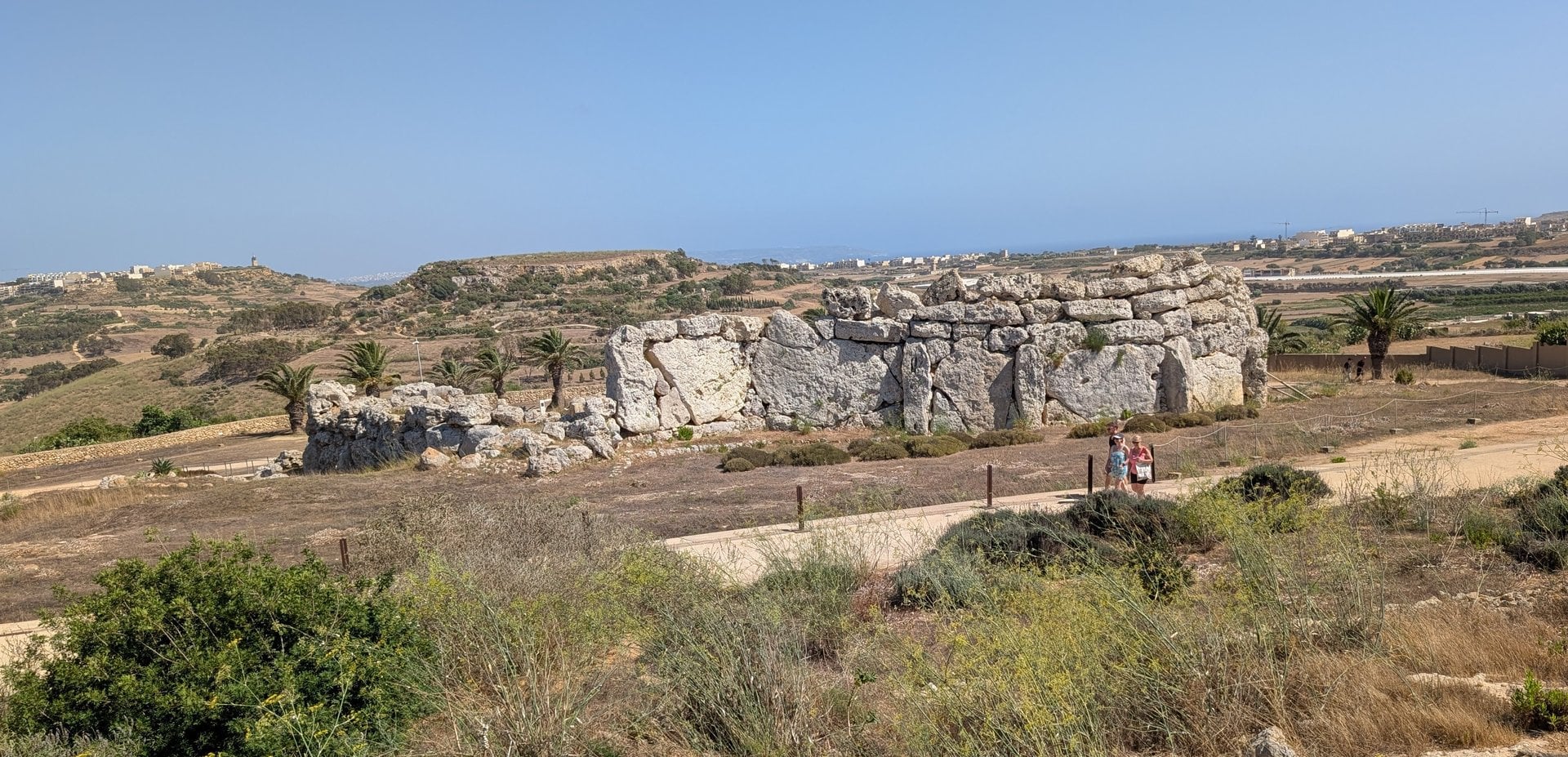
The Ġgantija temples on the Gozo plateau stand as a testament to the sheer scale of Neolithic ambition. Built from massive coralline limestone boulders, some weighing over 50 tons, the structures were erected nearly six millennia ago. To put this in perspective, the Ġgantija complex was already centuries old by the time the first stones were laid for the pyramids at Giza or the central circles at Stonehenge.
Archaeoastronomy and the Tarxien Complex
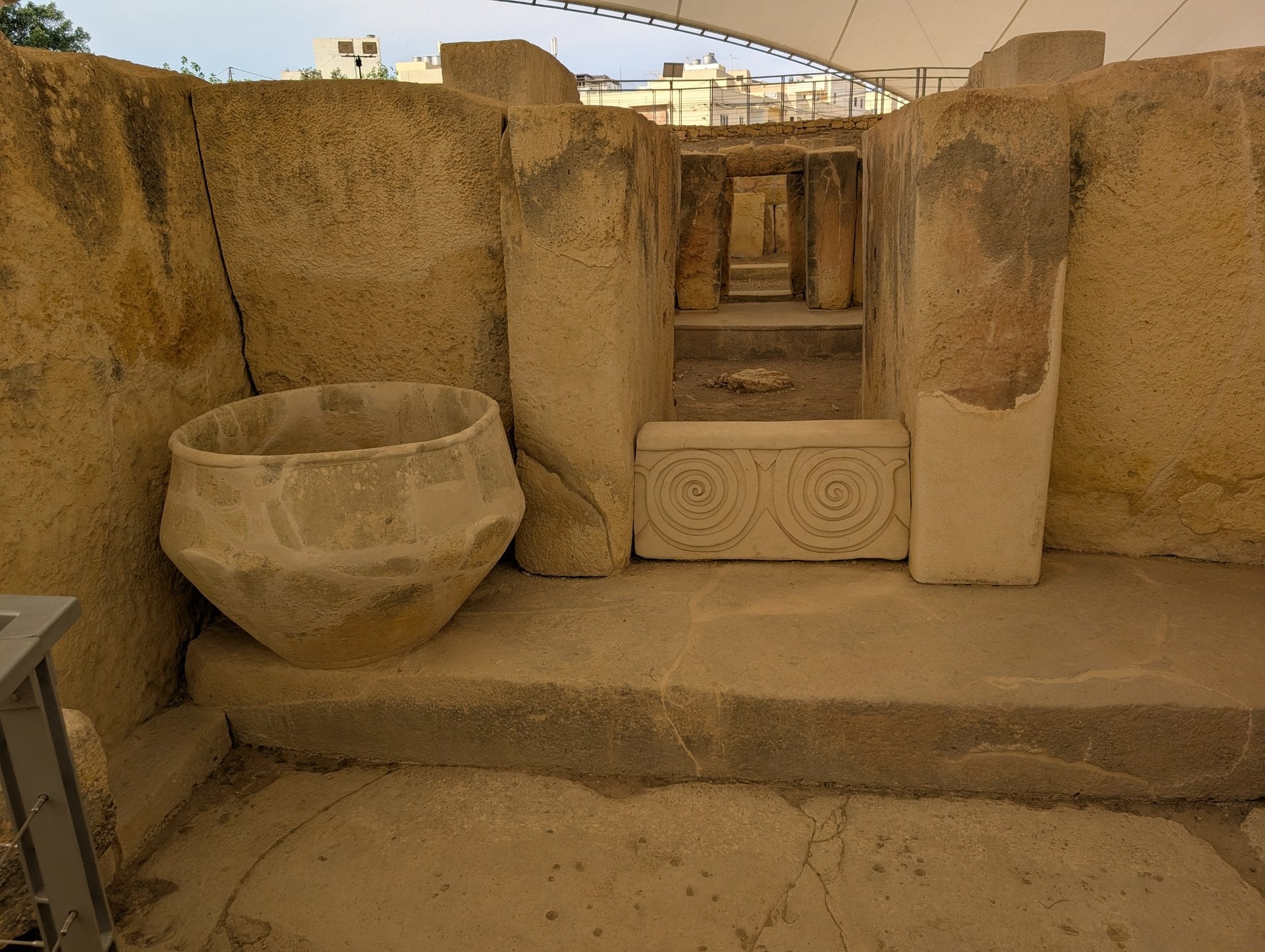
The Tarxien temple complex on the main island of Malta provides some of the most compelling evidence for the convergence of architecture and astronomy. While the physical ruins are often difficult for the layperson to interpret—many walls now stand at only a fraction of their original height—the orientation of the structures remains a focal point for scientific inquiry.
A 2022 study published in Digital Applications in Archaeology and Cultural Heritage emphasizes the alignment of Tarxien with the Southern Cross. The researchers argue that the temple’s orientation was not merely symbolic but was a physical manifestation of the stars that guided the ancestors of the builders across the sea. This celestial orientation suggests that the night sky was not viewed as a distant, abstract void, but as an integral part of the physical and spiritual landscape.
Furthermore, Reuben Grima has proposed a fascinating theory regarding the practical use of these structures. He suggests that before modern protective shelters were installed over the sites, rainwater would often collect in stone basins or depressions within the temples. In a society without metal mirrors, these "ponding" water surfaces would have provided one of the few high-quality reflecting surfaces available. Grima posits that these pools could have acted as crude reflecting telescopes or "teaching maps," allowing experienced navigators to demonstrate stellar patterns and constellations to the next generation of mariners.
Reevaluating Neolithic Complexity: Spacetime and Belief Systems
One of the most significant misconceptions regarding Neolithic Malta is the tendency to view its people as primitive "stone-movers" focused solely on basic survival and pottery. Isabelle Vella Gregory, an archaeologist at University College London, argues that this perspective overlooks the profound intellectual complexity of the culture. According to Vella Gregory, the Neolithic Maltese likely held a sophisticated understanding of what modern science calls "spacetime."
Their belief system appears to have lacked a sharp distinction between the realms of the living and the dead. Instead, they viewed the past, present, and future as a continuous cycle. This is evidenced by the way they treated their dead—often interred in complex communal burials—and the way their temples were integrated into the natural landscape. The night sky served as an extension of this world, a realm where the immediate dimensions of human life met the infinite.
"Their space-time concept was an extension of the life cycle," Vella Gregory notes. This worldview suggests that the temples were not just places of worship, but centers of science, memory, and philosophy, where the movements of the stars were synchronized with the rhythms of human existence.
Evidence of Mediterranean Trade and Interaction
The isolation of Malta did not equate to a lack of contact with the outside world. Hard archaeological evidence confirms that these people were active participants in a broader Mediterranean network. The primary proof of this interaction is the presence of obsidian—a volcanic glass highly prized for its sharpness and utility in making tools.
Chemical analysis of obsidian found at Maltese Neolithic sites has linked the material to the island of Pantelleria and Sicily. Obsidian carries a unique chemical "signature" based on the volcanic eruption that formed it, allowing mineralogists to trace its origin with high precision. The presence of Pantellerian obsidian on Malta is particularly telling; the crossing from Pantelleria to Malta is even more challenging than the route from Sicily. This confirms that the Neolithic Maltese were not only capable of navigating the 97-kilometer gap to Sicily but were likely traversing even more treacherous stretches of the Mediterranean Rift.
Challenges in Interpretation and Preservation
Despite the wealth of information gathered from these sites, much of the Neolithic Maltese culture remains shrouded in mystery. Because these people did not possess a written language, archaeologists must rely entirely on material remains and architectural alignments to reconstruct their worldview.
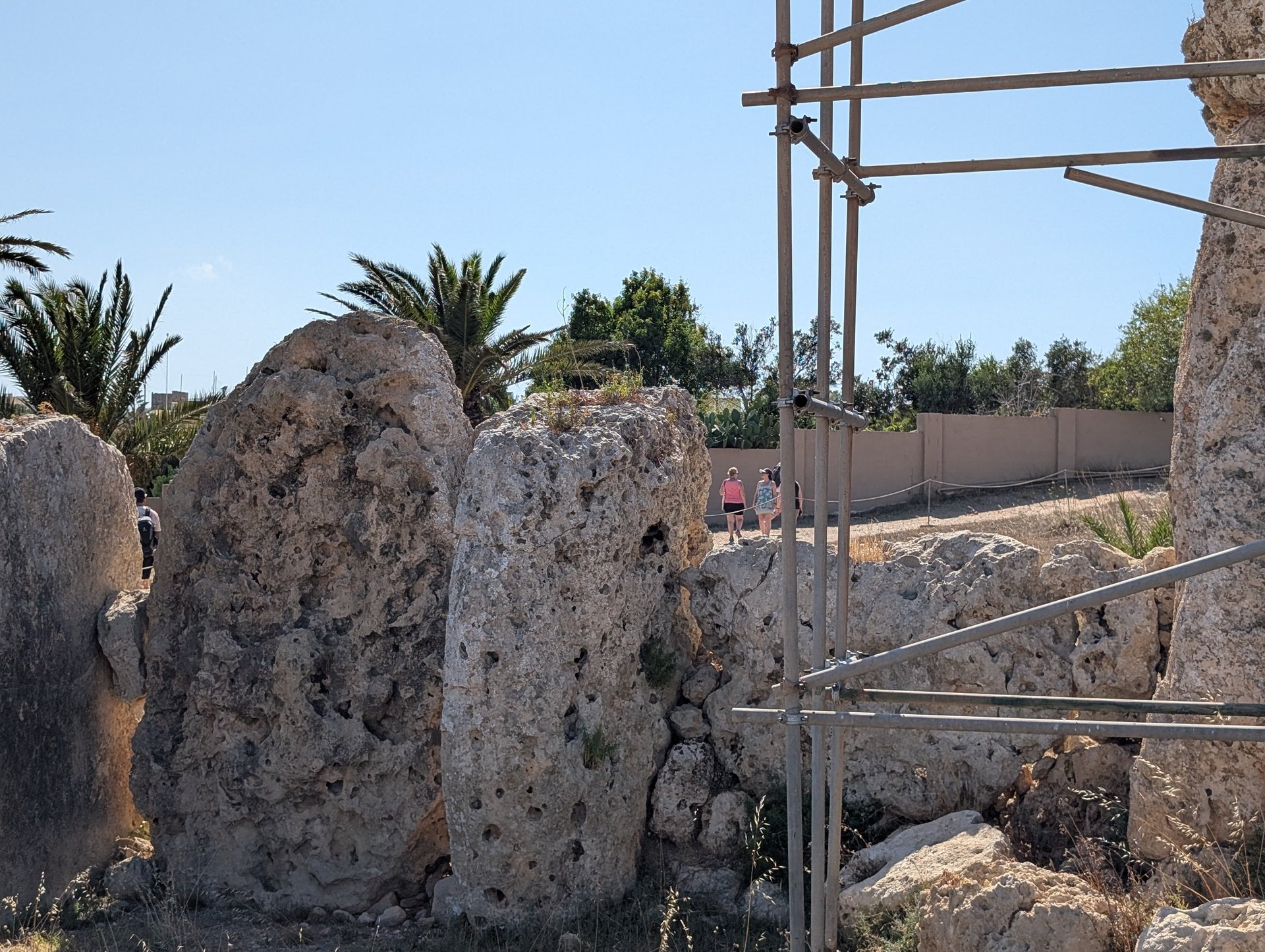
The passage of five millennia has taken a heavy toll. Erosion, the Mediterranean climate, and historical land use have reduced many megalithic structures to "stumps" of their former glory. In many cases, only the foundation and lower courses of the walls remain, making it difficult to determine the exact nature of the roofs or the full height of the celestial viewing ports.
Reuben Grima emphasizes the humility required when studying such an ancient culture. "We’re not seeing the complete structures," he states, noting that archaeologists are often looking at a mere third of the original architectural height. He warns against the recurring historical mistake of underestimating the intellectual and technical capabilities of ancient populations.
Broader Impact and Implications for Human History
The study of Malta’s Neolithic temples has implications that reach far beyond the borders of the archipelago. It forces a reassessment of the "Neolithic Revolution" in the Mediterranean. If a small island population could develop the engineering prowess to move 50-ton stones and the astronomical knowledge to navigate open seas by the stars, it suggests that the roots of modern science and cosmology are much deeper than previously thought.
The Maltese temples represent an early human attempt to order the universe. By aligning their most sacred buildings with the stars, the Neolithic inhabitants of Malta were effectively anchoring their society to the cosmos. They recognized that the celestial sphere was a reliable constant in an unpredictable world of sea and storm.
As research continues, the integration of digital modeling, chemical sourcing of materials, and archaeoastronomical calculations will likely reveal even more about these early pioneers. For now, the megalithic stones of Tarxien and Ġgantija stand as silent witnesses to a time when humanity first began to look at the stars not just with wonder, but with a scientific eye toward navigation and the understanding of time itself. The legacy of Neolithic Malta is a reminder that the quest to understand our place in the universe—and the use of the heavens to find our way home—is a fundamental part of the human story.