Sisilia Frederika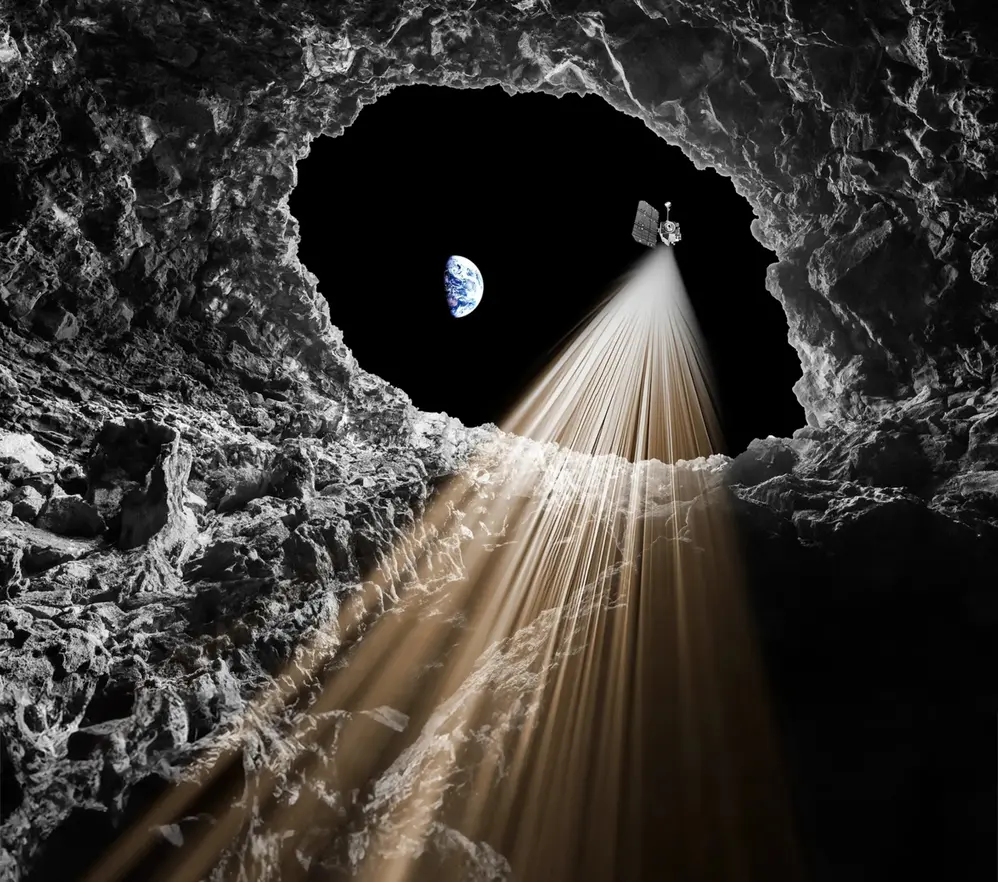
The National Aeronautics and Space Administration (NASA) has officially moved into a critical phase of its Artemis Program by prioritizing the investigation of lunar "skylights"—natural openings in the Moon’s surface that may lead to vast, underground lava tubes. Central to this effort is the Geophysical Instruments for Marius Lunar pit Investigation (GIMLI), a mission led by the Planetary Science Institute (PSI) designed to determine if these subterranean voids can serve as safe havens for future human explorers. As the agency transitions from short-term lunar visits to a model of sustained habitation, the discovery of viable underground structures represents a potential paradigm shift in how lunar colonies are constructed and protected.
The Artemis Vision and the Necessity of Subsurface Exploration
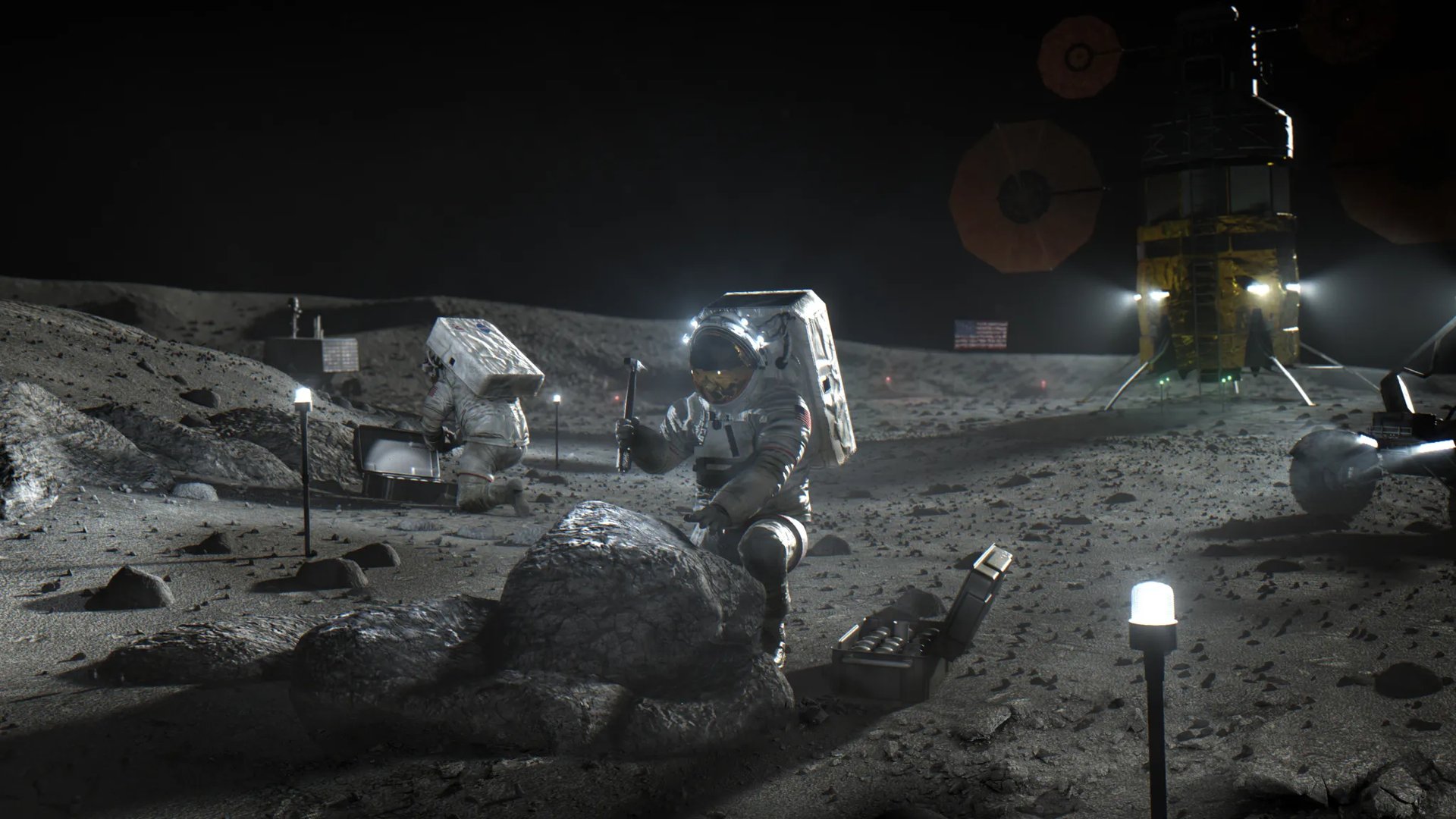
NASA’s Artemis Program is defined by its ambition to establish a permanent human presence on the Moon. While the Apollo missions of the 1960s and 1970s focused on short-duration exploration and the return of lunar samples, Artemis aims to build a functional lunar economy and a long-term base of operations. This necessitates infrastructure that can withstand the Moon’s notoriously hostile environment.
On the surface, astronauts are exposed to extreme temperature fluctuations—ranging from 127°C (260°F) during the day to -173°C (-280°F) at night—alongside constant bombardment by cosmic radiation and micrometeoroids. The primary objective of the GIMLI mission is to assess whether the Marius Hills Pit (MHP) provides access to an environment that naturally mitigates these risks. If the mission confirms the existence of large, stable lava tubes, these structures could offer a thermally stable environment with natural shielding provided by meters of lunar basalt and regolith.
The GIMLI Mission: Leadership and Strategic Partnerships
The GIMLI mission is a collaborative international effort led by Than Putzig, PSI Associate Director and Senior Scientist. The project is funded through NASA’s Payloads and Research Investigations on the Surface of the Moon (PRISM) program, which serves as a competitive selection process for high-priority lunar science.
To achieve its complex goals, PSI has formed a multi-disciplinary coalition. The Norwegian Space Agency is a key international partner, providing expertise in specialized sensing technologies. Engineering and instrumentation development are being spearheaded by Honeybee Robotics, a firm known for its history of creating drilling and sampling tools for Mars rovers and other planetary missions.
Logistics for the mission will be handled via NASA’s Commercial Lunar Payload Services (CLPS) initiative. Under this model, NASA contracts private aerospace companies to provide the lander and rover elements, allowing the agency to focus on scientific instrumentation while fostering a commercial lunar delivery market. This hybrid approach—combining government funding, academic leadership, and private sector agility—is a hallmark of the modern era of space exploration.
Scientific Objectives and the Marius Hills Pit
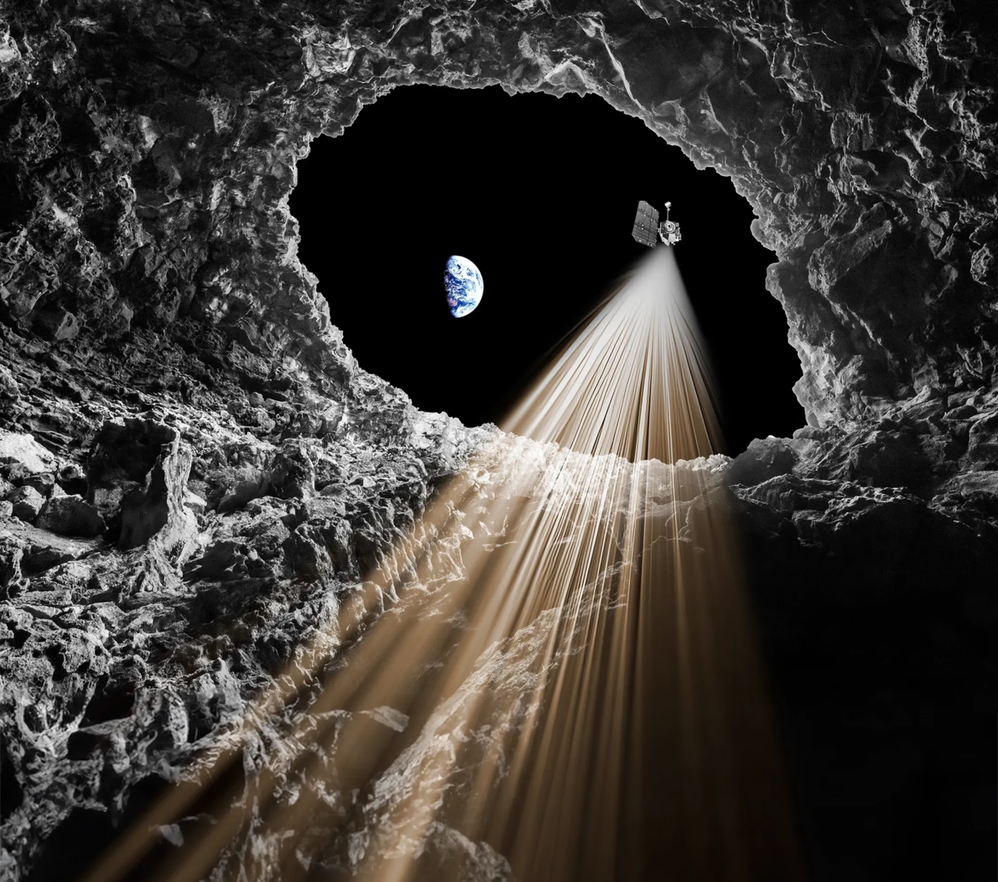
The mission’s target, the Marius Hills Pit, is located within Oceanus Procellarum, a vast lunar mare known for its complex volcanic history. MHP was first identified in 2009 through data from the Japanese SELENE (Kaguya) spacecraft and later imaged in high resolution by NASA’s Lunar Reconnaissance Orbiter (LRO). The pit is roughly 65 meters (213 feet) across and estimated to be 80 to 90 meters deep.
GIMLI will deploy a suite of sophisticated instruments to "see" what lies beneath the surface without requiring an initial descent into the pit itself. The primary tools include:
- Active-Source Seismic Sensors: This method involves generating controlled vibrations and measuring how they travel through the ground. By analyzing the reflection and refraction of these waves, scientists can map the density and structure of the subsurface, identifying hollow cavities.
- Ground-Penetrating Radar (GPR): GPR will send electromagnetic pulses into the lunar crust. The time delay and strength of the return signals will help define the boundaries of any existing lava tubes.
- Gravimeters: By measuring minute variations in the Moon’s gravitational field, the team can detect "mass deficits"—areas where the lack of solid rock indicates a large void or cave system.
- Advanced Imaging Systems: High-resolution cameras will examine the pit walls, which act as a vertical "geological record," revealing layers of ancient lava flows that have been shielded from space weathering for billions of years.
A Chronology of Lunar Pit Discovery and Theory
The concept of lunar lava tubes is not new, but the ability to verify them has evolved significantly over the last two decades. In the mid-20th century, astronomers theorized that "sinuous rilles"—long, winding channels on the Moon—were collapsed lava tubes. It was not until the 21st century that orbital technology reached a resolution high enough to spot "skylights," which are areas where a section of a tube’s roof has collapsed into the void below.
- 2009: The Japanese Kaguya mission discovers the Marius Hills Pit, the first confirmed skylight on the Moon.
- 2010-2011: NASA’s Lunar Reconnaissance Orbiter provides detailed imagery, suggesting the pit leads to a cavernous space.
- 2017: Research using data from the GRAIL (Gravity Recovery and Interior Laboratory) mission suggests that some lunar lava tubes could be wide enough to house entire cities, potentially reaching widths of several kilometers due to the Moon’s low gravity.
- Present Day: The GIMLI mission is selected to provide the first ground-truth data to confirm these orbital theories.
Geological Context: The Volcanic Legacy of the Moon
The formation of these structures dates back to the Moon’s peak volcanic period, roughly 3 to 3.8 billion years ago. During this era, basaltic lava flowed across the lunar surface. As the outer layers of these flows cooled and hardened against the cold vacuum of space, they formed a crust. Inside, the molten lava continued to flow, eventually draining out and leaving behind a hollow tube.
“Confirming a substantial lava tube would give us an insight into how volcanism operated on the Moon,” noted Gareth Morgan, PSI Senior Scientist and Deputy Principal Investigator of GIMLI. He emphasized that because lava tubes are a common feature of basaltic volcanism on Earth—such as those found in Hawaii or Iceland—identifying them on the Moon allows scientists to apply terrestrial geological models to lunar history. This comparative planetology is essential for understanding the cooling history of the Moon and the composition of its mantle.
Strategic Implications for Human Habitation
The discovery of a viable lava tube at the Marius Hills site would solve several of the most pressing engineering challenges facing the Artemis Program.
Radiation Shielding: On the lunar surface, astronauts are vulnerable to Galactic Cosmic Rays (GCRs) and Solar Particle Events (SPEs). A lava tube with a ceiling thickness of several meters would provide radiation protection equivalent to or better than the most advanced shielding materials currently available on Earth.
Thermal Stability: While surface temperatures fluctuate wildly, the interior of a lunar cave is expected to remain relatively constant, likely hovering around -20°C (-4°F). While cold, this stability is far easier for life-support systems to manage than the 300-degree swings experienced on the surface.
Infrastructure and Safety: Underground habitats would be naturally protected from micrometeoroid impacts, which occur frequently on the Moon due to the lack of an atmosphere. Furthermore, these caves could serve as storage depots for volatile resources like water ice, which might be preserved in the permanent shadows of the tubes.
Official Perspectives and Future Outlook
The leadership at the Planetary Science Institute views GIMLI as a bridge between orbital observation and physical exploration. PSI Director and CEO Amanda Hendrix highlighted that the mission is the culmination of years of remote sensing work. “Than and his team are taking a scientific question we’ve been studying from orbit and have developed a way to investigate it directly on the Moon,” she stated.
The reintroduction of seismic methods is particularly significant for the scientific community. Than Putzig remarked on the importance of returning to techniques not utilized since the Apollo era. By combining seismic data with gravity and radar, the GIMLI team expects to move beyond "anticipated detection" to concrete confirmation.
As NASA prepares for the upcoming Artemis II crewed flyby and the Artemis III landing, missions like GIMLI provide the foundational data necessary to decide where the first semi-permanent lunar base will be located. If the Marius Hills Pit proves to be the gateway to a vast underground network, the future of humanity on the Moon may not be on the cratered plains, but within the ancient volcanic catacombs carved billions of years ago. The success of GIMLI will not only answer fundamental questions about lunar geology but will also map the literal footprint of the first long-term lunar colony.