admin
admin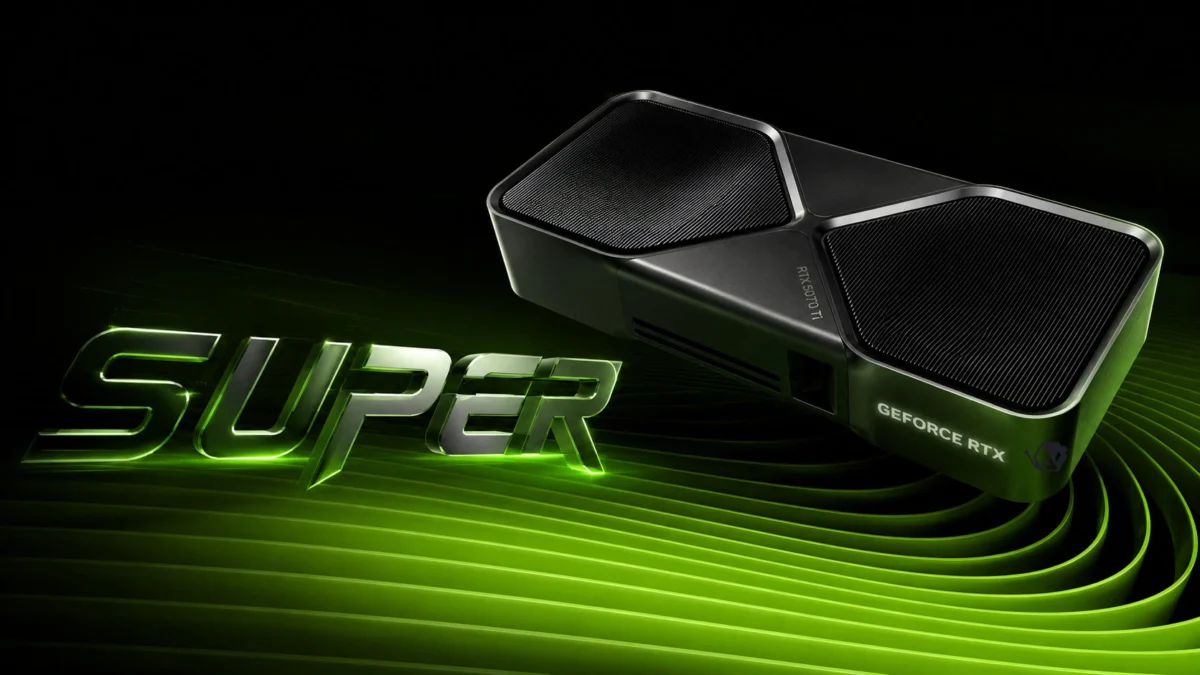
NVIDIA has officially authorized a significant price increase for its consumer-facing graphics processing units (GPUs), marking the third such inflationary adjustment within the 2026 calendar year. This decision, reportedly communicated to downstream supply chain partners recently, comes as a direct response to a sharp rise in the cost of dynamic random-access memory (DRAM) supplied by Samsung Electronics. Industry reports from Taiwan’s Economic Daily indicate that the price of NVIDIA’s mainstream and enthusiast-grade graphics cards will rise by between 20 percent and 30 percent, effective immediately. This development has triggered a wave of volatility across global retail channels, with major distributors in the Asia-Pacific region entering what market analysts describe as a "panic mode," leading to widespread inventory shortages and the preemptive removal of products from major e-commerce platforms.
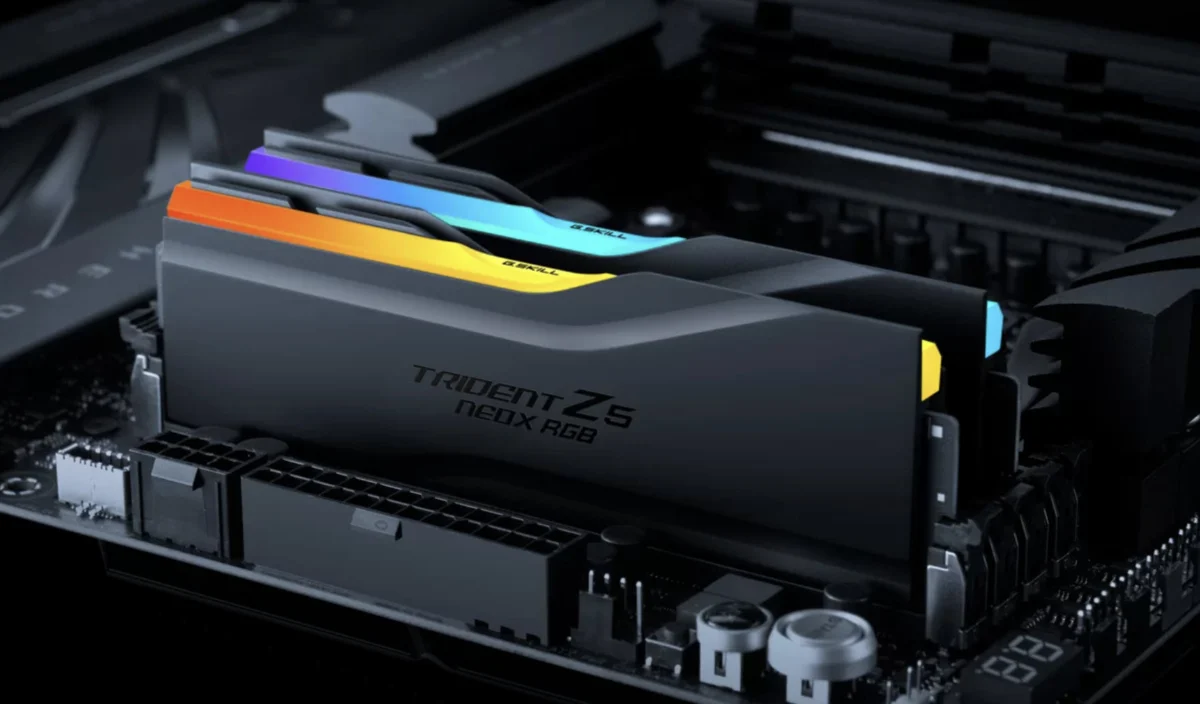
The primary catalyst for this price adjustment is the escalating cost of video memory. Samsung, a dominant force in the global semiconductor market, has reportedly increased its prices for Low-Power Double Data Rate (LPDDR) and commodity DRAM by approximately 20 percent for the current quarter. This follows a staggering 90 percent price hike in the first quarter of the year and a subsequent 50 to 60 percent increase in the second quarter. As video memory constitutes a substantial portion of the bill of materials (BOM) for modern graphics cards, NVIDIA and its board partners (AIBs) have found it increasingly difficult to maintain existing price points without severely compromising profit margins.
A Chronology of Rising Costs in 2026
The current inflationary episode is not an isolated event but rather the latest peak in a year-long trend of rising hardware costs. To understand the current market instability, one must examine the trajectory of NVIDIA’s pricing strategy throughout the year.
In January 2026, NVIDIA implemented its first broad price adjustment, increasing the MSRP of its GeForce RTX 50-series lineup by 10 to 15 percent. At the time, the company cited rising logistics costs and initial yields of the Blackwell architecture as the primary drivers. The market remained relatively stable following this hike, as consumer demand was met with sufficient, albeit more expensive, supply.
By May 2026, a second inflationary wave hit the market. Unlike the January adjustment, this hike was more surgical, focusing primarily on high-end enthusiast models such as the GeForce RTX 5090 and RTX 5080. These cards, which utilize the most advanced GDDR7 memory modules, saw price increases as NVIDIA grappled with the limited availability of high-density VRAM.
The current third wave, however, is significantly more comprehensive. By impacting the entire stack—from mainstream mid-range cards to the flagship series—NVIDIA is signaling that the era of affordable high-performance gaming may be pausing. The transition from specific model hikes to across-the-board increases suggests that the underlying supply chain pressures have moved from localized production issues to systemic commodity price inflation.
Supply Chain Panic and Retailer Responses
The announcement of the 20 to 30 percent price hike has sent shockwaves through the global distribution network. According to reports from BenchLife, NVIDIA’s latest notices to supply chain partners are no longer limited to the GPU silicon itself. Instead, the company is now issuing price updates for "GPU bundles," which include the processor and the requisite GDDR memory chips. This bundled pricing model limits the ability of manufacturers like ASUS, MSI, and Gigabyte to source memory independently to offset costs, effectively forcing the price hike down to the end consumer.
In mainland China, the reaction has been particularly severe. Rumors of impending shortages led a major e-commerce platform to "de-shelf" dozens of mainstream NVIDIA graphics card listings last week. This move was reportedly intended to prevent a surge of orders at old price points, which would have left retailers selling stock at a loss. In the wake of these removals, store shelves in physical retail hubs across Shenzhen and Taipei have reportedly been emptied as distributors hoard remaining stock in anticipation of even higher prices in the coming months.
The pricing of the GeForce RTX 5070 Ti serves as a stark case study of this rapid inflation. In November 2025, the 16GB GDDR7 variant of the card was retailing for approximately 7,200 Yuan ($1,064). By the previous week, that price had climbed to 9,299 Yuan ($1,374). Following the most recent notice, the card is now retailing for 10,700 Yuan ($1,581). This represents a nearly 50 percent increase in retail price in less than a year, far outstripping general economic inflation rates.

The GDDR7 Discrepancy: A Technical Bottleneck
A significant factor contributing to the current pricing crisis is the peculiar economics of the new GDDR7 memory standard. As the industry transitions away from GDDR6X, the manufacturing yields for high-capacity GDDR7 modules have remained lower than anticipated.
Current market data reveals an "aberrant" pricing structure for these chips. A standard 2GB GDDR7 video memory module currently sells to manufacturers for approximately $20. However, a 3GB module—offering only 50 percent more capacity—is retailing for between $60 and $70. This means that for a relatively marginal increase in memory overhead, the cost to the manufacturer triples.
This pricing disparity has forced NVIDIA into a difficult design position. To provide the memory buffers required for modern 4K gaming and AI-driven workloads, the company must utilize these expensive 3GB modules or increase the number of 2GB modules on the PCB, which in turn necessitates more complex memory controllers and larger board designs. Either path leads to the same result: a significantly higher retail price for the consumer.
Market Analysis and Inferred Industry Reactions
While NVIDIA has not issued a formal public statement regarding the internal specifics of its pricing strategy, industry analysts suggest that the company is prioritizing its high-margin AI data center business over the consumer gaming segment. With the demand for H100 and B200 AI accelerators continuing to outpace supply, the competition for semiconductor fabrication capacity at TSMC and memory allocation from Samsung is fierce.
Industry insiders suggest that Samsung’s aggressive pricing strategy is a move to recoup heavy R&D investments in High Bandwidth Memory (HBM) and next-generation DRAM. By hiking prices for consumer-grade DRAM, Samsung is effectively leveraging its market position to stabilize its balance sheet amidst a volatile global economy.
Board partners, meanwhile, are reportedly frustrated. Anonymous sources within major Taiwanese AIB firms indicate that the "bundle" pricing strategy leaves them with very little room to compete on price. "We are essentially assembly houses for NVIDIA’s pre-priced kits now," one source noted. "When the kit price goes up by 30 percent, we have no choice but to pass that 30 percent, plus our own overhead, to the customer."
Broader Implications for the PC Industry
The implications of this third price hike extend beyond the immediate gaming market. The PC DIY (Do-It-Yourself) sector, which relies heavily on the accessibility of mid-range graphics cards, faces a potential contraction. As the cost of a mid-range GPU approaches the $1,500 mark, many enthusiasts may be priced out of the market, potentially shifting demand toward gaming consoles or cloud-based streaming services.
Furthermore, the price of GPUs is a leading indicator for the broader electronics market. If memory prices continue to climb at this rate, other sectors—including laptops, mobile phones, and even automotive electronics—may soon face similar inflationary pressures.
The "panic mode" observed in Chinese distribution channels also raises concerns about a return to the "scalper market" seen during the 2020-2022 semiconductor shortage. If distributors continue to hold back stock, the artificial scarcity could drive secondary market prices even higher than the new MSRPs, creating a cycle of speculation that further destabilizes the industry.
As the final quarter of 2026 approaches, all eyes remain on Samsung and NVIDIA. Unless memory yields improve or consumer demand cools significantly, the current upward trend in hardware costs appears set to continue, reshaping the landscape of consumer technology for the foreseeable future. For now, gamers and professional creators alike are left to navigate a market where the cost of entry is rising faster than the technology is evolving.