admin
admin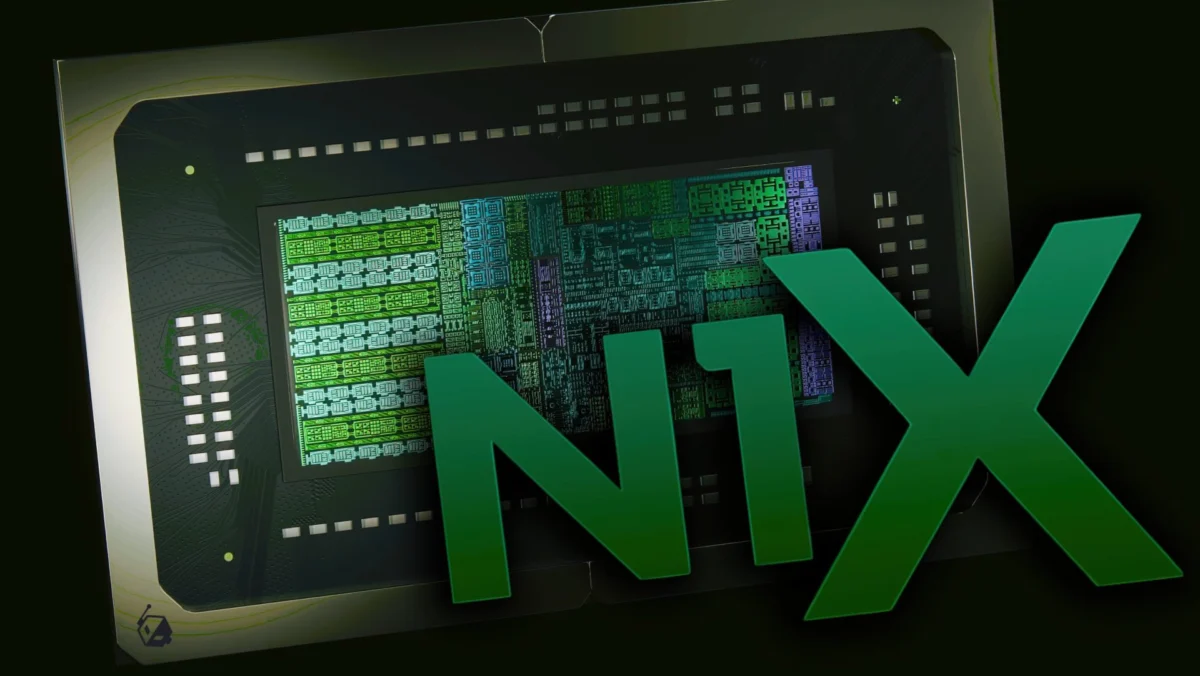
The emergence of a prototype Microsoft Surface Laptop Ultra, powered by NVIDIA’s highly anticipated RTX Spark N1X processor, has provided the first real-world glimpse into NVIDIA’s serious ambitions for the Windows-on-Arm ecosystem. While the hardware specifications suggest a paradigm shift in mobile computing power, early testing conducted by a member of the enthusiast community indicates that the platform is currently grappling with significant software and driver immaturity. The discovery, which originated from a user known as "Fouquin" on the TechPowerUp forums, highlights both the massive raw potential of the Blackwell-based architecture and the steep uphill climb Microsoft and NVIDIA face in optimizing a brand-new silicon architecture for the Windows 11 environment.
The Discovery of the Surface Laptop Ultra Prototype
The tech community was caught off guard when "Fouquin" reported acquiring a prototype unit of the unreleased Microsoft Surface Laptop Ultra. According to the user, the device was discovered in an unusual manner—discarded or lost near a roadside—and bore the distinct markings of an internal engineering sample, including "PROTOTYPE: NOT FOR SALE" labels. This unit represents a significant departure from Microsoft’s current Surface lineup, which has recently leaned heavily on Qualcomm’s Snapdragon X Elite chips for its Arm-based offerings.

The device features the NVIDIA RTX Spark N1X, a System-on-Chip (SoC) that combines a 20-core Arm-based central processing unit with a high-performance Blackwell-architecture graphics processing unit (GPU). The specific configuration tested included 24 GB of unified memory—a design choice reminiscent of Apple’s M-series silicon, where high-bandwidth memory is shared between the CPU and GPU to reduce latency and improve efficiency. Storage was handled by a 512 GB SSD, though the primary focus of the month-long evaluation remained on the performance of the N1X silicon.
Technical Specifications: A Deep Dive into the N1X and Blackwell Architecture
The NVIDIA N1X chip at the heart of this prototype is a powerhouse on paper. The 20-core Arm CPU is designed to compete directly with the highest tiers of mobile processors from Intel, AMD, and Apple. However, the most striking feature is the integrated Blackwell GPU, which reportedly boasts 6,144 CUDA cores. To put this in perspective, this core count is comparable to high-end dedicated mobile GPUs, such as the laptop version of the RTX 4080, but integrated directly into an Arm SoC.
The use of the Blackwell architecture—NVIDIA’s latest generation of graphics technology primarily known for its dominance in the AI and data center markets—suggests that NVIDIA is aiming for a "workstation-class" experience in a thin-and-light form factor. The prototype was tested using two distinct driver sets: the older Game Ready 591.33 drivers and a newer 616.00 preview driver. The latter included support for CUDA 13.4, alongside updated OpenGL and Vulkan APIs, signaling that NVIDIA is actively working on the software stack required to bridge the gap between traditional x86 gaming and the Arm-based future.

Benchmark Results: Synthetic Triumphs and Real-World Struggles
During the month-long testing period, the user subjected the Surface Laptop Ultra to a battery of synthetic and real-world benchmarks. The results painted a picture of a "sleeping giant" hindered by its shackles. In Cinebench 2024, the N1X delivered 123 points in single-core performance and 1,386 points in multi-core tests. When pushed to the more modern Cinebench 2026 suite, the scores scaled to 540 and 5,771 points, respectively. These numbers indicate that the 20-core CPU has the throughput to handle intensive multi-threaded workloads, though it currently lags behind the peak efficiency of Apple’s M4 Max or Qualcomm’s top-tier Snapdragon variants in single-threaded tasks.
Graphics testing revealed more complex issues. Using the Superposition 1080P Extreme benchmark, the Blackwell GPU achieved a frame rate of approximately 58.33 FPS. While respectable for an integrated solution, it fell short of what 6,144 CUDA cores should theoretically produce. The bottleneck was identified as inconsistent clock speeds; the GPU was observed fluctuating wildly between 1.5 GHz and 2.3 GHz. This instability resulted in noticeable frame stutters every few seconds, rendering high-end gaming a frustrating experience.
In the realm of Artificial Intelligence, the Phoronix AI benchmark suite was utilized to test the chip’s NPU and GPU acceleration capabilities. Despite the presence of CUDA 13.4, many workloads timed out or failed to initialize, forcing the system to fall back to Vulkan Compute. While the Vulkan tests eventually completed, the modest scores suggested that the software was not yet capable of fully engaging the Blackwell architecture’s specialized AI Tensor cores.

Thermal Management and Power Constraints
One of the most revealing aspects of the testing involved the device’s power profiles. The user noted that the performance remained virtually identical regardless of whether the laptop was running on battery power, a 64W power limit, or a 105W "Ultra" limit. This lack of scaling suggests a "hard" firmware lock or a failure in the Power Delivery (PD) communication between the Windows 11 kernel and the N1X hardware.
The physical cooling system of the prototype appeared robust, featuring dual cooling fans and a sophisticated heat pipe arrangement. However, the software’s inability to manage these resources led to unusual behavior. With the newer 616.00 driver, idle power consumption increased significantly without a corresponding increase in peak performance. Furthermore, intensive applications like Helldivers 2 and various GPGPU integer tests suffered from frequent system crashes, likely due to the GPU hitting unoptimized thermal or voltage limits.
The Broader Context: NVIDIA’s Entry into Windows-on-Arm
The existence of the N1X and the Surface Laptop Ultra prototype marks a pivotal moment in the "Windows-on-Arm" (WoA) narrative. For years, Microsoft’s efforts to transition Windows to Arm architecture were hampered by lackluster hardware from Qualcomm and a lack of developer support. The recent success of the Snapdragon X Elite has proven that Arm can be competitive on Windows, but NVIDIA’s entry introduces a new variable: world-class GPU performance.

Historically, NVIDIA and Microsoft have a complex relationship regarding Arm. NVIDIA’s previous attempt to enter the consumer Arm market with the Tegra line (used in the original Surface RT) failed largely due to software limitations. This new venture, however, leverages the Blackwell architecture, which is currently the gold standard for AI computing. Industry analysts suggest that NVIDIA is not just building a laptop chip, but a mobile AI powerhouse designed to dominate the "AI PC" category defined by Microsoft’s Copilot+ initiatives.
Chronology of Development and Leaks
The timeline of the RTX Spark N1X development can be traced through a series of incremental leaks over the past year:
- Late 2024: Rumors surface regarding NVIDIA and MediaTek collaborating on an Arm-based SoC for Windows laptops.
- Early 2025: References to "RTX Spark" and "N1X" begin appearing in beta versions of NVIDIA’s driver manifests.
- Mid 2025: Internal Microsoft documents leak, mentioning a "Surface Laptop Ultra" designed for professional creators and AI developers.
- July 2026: The TechPowerUp community discovery provides the first physical evidence of the hardware and its current performance state.
This chronology suggests that while the hardware is nearing a final production state, the software ecosystem—specifically the "Game Ready" drivers for Arm—is at least six to nine months behind the hardware’s readiness.

Implications for the PC Market and Competition
The potential release of an NVIDIA-powered Surface Laptop Ultra poses a direct threat to both Intel and AMD’s high-end mobile segments. If NVIDIA can resolve the driver issues identified in this prototype, the N1X could offer a combination of CPU efficiency and GPU horsepower that neither the Intel Core Ultra "Lunar Lake" nor the AMD Ryzen AI "Strix Point" series can easily match in a similar TDP (Thermal Design Power) envelope.
Furthermore, this development puts pressure on Qualcomm. While the Snapdragon X Elite has excellent CPU performance and battery life, its integrated Adreno GPU is not a competitor for NVIDIA’s Blackwell architecture. A successful N1X launch would effectively split the Windows-on-Arm market into "Efficiency/Productivity" (Qualcomm) and "Performance/AI/Gaming" (NVIDIA).
Conclusion: A Rough Diamond Awaiting Polish
The month-long testing of the Microsoft Surface Laptop Ultra prototype reveals a device that is, in many ways, a "rough diamond." The build quality, keyboard, and thermal design received praise from the tester, indicating that Microsoft’s hardware engineering for the "Ultra" line is top-tier. However, the "RTX Spark" experience is currently marred by the realities of early-stage software development.

The GPU stuttering, power scaling failures, and AI benchmark timeouts are classic symptoms of unfinished firmware and drivers. For NVIDIA, the challenge is not just about raw power—it is about the "last mile" of optimization that makes a device feel premium to the end user. As the official debut of the RTX Spark laptops approaches in the coming weeks, all eyes will be on whether NVIDIA can deliver a launch-day driver that finally unlocks the 6,144 CUDA cores currently idling inside this prototype. If they succeed, the Surface Laptop Ultra may well become the definitive workstation for the next generation of mobile computing. If they fail, the N1X risks becoming another cautionary tale of high-end hardware held captive by its own code.