Vera Intan Clara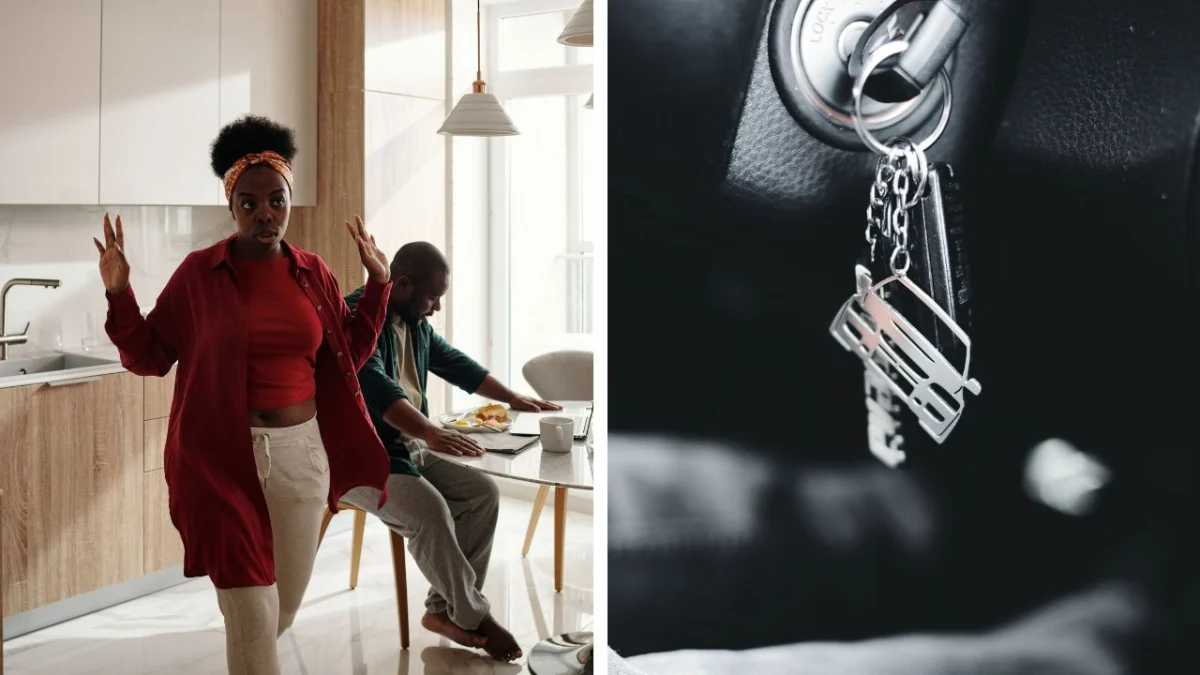
A recent Reddit post shared to the popular r/mildlyinfuriating subreddit has sparked a widespread conversation about domestic habits, security protocols, and the often-unseen frictions within relationships. Drawing over 6,200 upvotes and more than 3,400 comments at the time of reporting, the post details a man’s nightly frustration over his wife’s consistent habit of leaving her car keys in the vehicle overnight. This seemingly minor domestic quirk has resonated deeply with online communities, exposing a common thread of relatable anxieties and the persistent challenges of ingrained behaviors that can strain interpersonal dynamics and raise practical security concerns.
The core of the issue, as articulated by the original poster, revolves around a nightly ritual that has become a source of quiet exasperation. Every evening before retiring to bed, the husband undertakes a routine search of his wife’s car to locate and retrieve the keys, bringing them indoors. His primary motivation is not the concern for items potentially stolen from the car’s interior, but rather the more significant fear of the entire vehicle being stolen. This anxiety is amplified by his own meticulous approach to home security; he described locking every door in their house each night, sometimes checking the locks up to three times before feeling secure enough to sleep. This personal habit of vigilant security makes his wife’s casual approach to her car keys particularly difficult for him to overlook, despite his admission that he generally doesn’t mind leaving the house unlocked during the daytime hours.
The Daily Routine and Underlying Frustration
The poster clarified that the physical act of bringing the keys inside is not the primary source of his vexation. Instead, it is the necessity of "digging through her car to find them each night" that proves to be the true inconvenience. His wife, he explains, typically only removes her keys from the car when she needs to make a quick dash into a store without the bulk of her full purse. Following these instances, she often doesn’t think to return the keys to their secure indoor location until the following morning, at which point she frequently discovers he has already brought them inside. This cyclical pattern underscores a fundamental difference in their perception of risk and routine, highlighting a communication gap that often underlies domestic disputes.
Adding another layer to his concern, the poster noted a disparity in the perceived theft risk between their two vehicles. His own truck, he stated, is an older model lacking modern features such as proximity sensors or requiring subscription services—characteristics he believes make it a less attractive target for thieves. In contrast, his wife’s vehicle, presumably newer and equipped with such technologies, would inherently present a higher theft risk, especially if its keys were left easily accessible. This distinction highlights a practical, financial, and logistical dimension to his worry, extending beyond mere habit into tangible consequences that could affect their household significantly.
Considering Extreme Measures: The "Theft Simulation"
In an attempt to impress upon his wife the very real risks associated with her habit, the poster admitted to having considered a drastic, albeit ethically questionable, measure. He contemplated asking a friend to surreptitiously move her car out of their driveway overnight without her knowledge. The apparent intent behind this "theft simulation" was to graphically demonstrate the ease with which her vehicle could be stolen and the potential for significant disruption it would cause. This thought experiment underscores the depth of his frustration and his perceived inability to communicate the severity of the issue through conventional means.
While the poster’s hypothetical action speaks volumes about his escalating frustration, such a maneuver carries its own set of potential pitfalls. Beyond the obvious marital discord it would likely ignite, moving a vehicle without the owner’s explicit consent, even with good intentions, could lead to unforeseen legal complications or even be misinterpreted as actual theft, depending on local statutes and the friend’s actions. Furthermore, such an act could erode trust within the relationship, making future communication and resolution even more challenging. The potential for unintended negative consequences often outweighs the perceived benefits of such covert actions in personal relationships.
The husband’s concerns were not merely theoretical; he also voiced apprehension about the substantial financial and logistical fallout should her car actually be stolen. The immediate aftermath would likely involve her needing to rely on his truck for work, creating a ripple effect of inconvenience and disruption while they navigated the complex and often lengthy process of insurance claims, police reports, and ultimately, replacing her vehicle. This practical dimension underscores the tangible anxieties underpinning his nightly key retrieval, emphasizing the real-world impact of seemingly minor habits.
The Landscape of Vehicle Theft and Security Protocols
The poster’s anxieties about vehicle theft are not unfounded. According to data from the National Insurance Crime Bureau (NICB), vehicle theft remains a significant problem across the United States, with millions of cars stolen annually. While older models were historically targeted for their parts or ease of hot-wiring, modern vehicles, especially those equipped with keyless entry and push-button start systems, present new vulnerabilities. "Relay attacks," for instance, where thieves use electronic devices to capture and relay signals from a key fob inside a home to the car outside, have become a sophisticated method of theft. Leaving a key fob inside the car itself, as described in the Reddit post, bypasses even these advanced methods, rendering the vehicle susceptible to a simple entry and start by anyone gaining access to the car’s interior.
Security experts consistently advise vehicle owners to never leave keys or key fobs inside an unattended car, even if it is parked on a private driveway. "It’s a basic security principle," stated a hypothetical security consultant, "that the easier you make it for a thief, the more likely you are to become a victim. Leaving keys in the car is essentially an open invitation." This advice extends beyond the immediate risk of theft; some insurance policies may have clauses that impact coverage if a vehicle is stolen due to the owner’s negligence, such as leaving keys accessible. The financial implications of a stolen vehicle—including increased insurance premiums, deductibles, and the depreciation of the vehicle—can be substantial, aligning with the poster’s practical concerns about financial and logistical fallout. Public awareness campaigns frequently stress the importance of securing all vehicle access devices to deter opportunistic criminals.
Psychological Undercurrents: Habits, Anxiety, and Relationship Dynamics
Beyond the immediate security implications, the Reddit post also delves into the fascinating and often frustrating realm of human psychology, particularly concerning habits and their impact on relationships. The husband’s behavior, characterized by repeated checking of locks and heightened anxiety over security, could be indicative of a personality prone to worry or even mild obsessive-compulsive tendencies. In such cases, a partner’s seemingly careless habit can become a significant trigger, disrupting a carefully constructed sense of control and safety, and leading to increased stress for the anxious individual.
Conversely, the wife’s habit of leaving keys in the car illustrates the powerful and often unconscious nature of ingrained behaviors. Habits are formed through repetition, creating neural pathways that make actions automatic, requiring little conscious thought. Breaking such habits can be remarkably difficult, even when the individual acknowledges the associated risks. Psychologists often point out that people develop "habit blindness," where they become so accustomed to a routine that they no longer consciously register the action or its potential consequences. This discrepancy in awareness and perceived risk forms a fertile ground for marital friction, as one partner’s unconscious habit clashes with the other’s conscious concern.
Relationship counselors frequently highlight how seemingly minor habits can escalate into major points of contention if not addressed with empathy and effective communication. "It’s rarely about the keys themselves," a hypothetical relationship therapist might explain, "but about what the habit represents: a perceived lack of respect for one’s concerns, a difference in priorities, or a feeling of being unheard. Open, non-judgmental dialogue and a willingness from both parties to understand and adapt are crucial." The husband’s feeling of having to "dig through her car" rather than the simple act of retrieving the keys suggests that the inconvenience is amplified by the feeling that his wife is not taking his concerns seriously enough to alter her routine, pointing to a deeper underlying issue in their communication.
The Echo Chamber of Shared Quirks: Reddit’s Community Response
The r/mildlyinfuriating post quickly became a digital campfire, drawing in thousands of commenters who shared similar quirks, habits, or exasperating behaviors they had observed within their own families or relationships. These responses, while not always directly related to car keys, often revolved around a similar kind of persistent, hard-to-explain behavior that defied logic or easy resolution. The outpouring of shared experiences underscored the universal nature of these domestic frictions, offering a sense of collective validation to those experiencing similar challenges.
One commenter recounted a particularly striking parallel involving an ex-partner whose father exhibited the same car key habit. "My ex did this…bc his father also did it," they wrote. "Tossed the keys under the floor mat all the time — day & night. Their reasoning was they never had to worry about losing their car keys. Yeah, just the car." This anecdote vividly illustrates the concept of learned behavior and intergenerational transmission of quirks, where illogical habits are passed down, sometimes with an equally illogical justification. The ironic conclusion—that avoiding the loss of keys at the expense of potentially losing the entire vehicle—highlights the skewed risk perception that can accompany deeply ingrained habits, often passed down through familial example rather than rational assessment.
Another commenter shared an unrelated but equally persistent family quirk, this one centered on an unusual suspicion over expiration dates. "My inlaws are super weird about milk," they explained. "As each one of his sisters came to visit one by one they told us to ‘keep an eye on that milk.’ I had JUST bought it. It was nowhere near the expiration date." This example, while not security-related, speaks to the arbitrary and often deeply rooted nature of family norms and anxieties, where an almost ritualistic concern overrides objective reality. It demonstrates how certain behaviors, even if peculiar, become normalized within a family unit and can persist across generations or individuals, creating peculiar domestic dynamics.
A separate commenter described a more financially and logistically impactful family habit: frequently running out of gas. "Oh my ex-inlaws did this often," they wrote. "They were friends with tow truck drivers in the end. They’d also run out of gas constantly, despite having no financial issues. Craziest thing — they all did it…almost like a family illness." This particular account is perhaps the most illustrative of the "family quirk" phenomenon. The repetition of an inconvenient and avoidable problem, despite the lack of financial constraint and the recurring need for external assistance (tow truck drivers), suggests a deeply ingrained behavioral pattern that defies rational explanation. The commenter’s description of it as "almost like a family illness" perfectly encapsulates the baffling, almost genetic, transmission of these non-pathological but persistent behaviors, highlighting how deeply entrenched habits can become within a family system.
These diverse anecdotes collectively paint a picture of human behavior that is often driven by unconscious patterns, learned responses, and idiosyncratic family cultures, rather than pure logic or efficiency. They validate the original poster’s frustration by showing that such "mildly infuriating" habits are not isolated incidents but a common, if peculiar, facet of shared living and human interaction across various contexts.
The Broader Implications: Navigating Modern Life with Ancient Habits
The Reddit discussion, initiated by a seemingly simple domestic grievance, therefore unfolds into a multifaceted examination of several contemporary challenges. It highlights the constant tension between convenience and security in an increasingly digital and connected world, where even car keys have evolved from simple metal objects to sophisticated electronic fobs with their own unique vulnerabilities. It underscores the psychological complexities of habit formation and the difficulty of behavioral change, particularly when one individual’s ingrained routine clashes with another’s deeply felt anxieties.
Furthermore, the virality of the post and the ensuing deluge of comments serve as a testament to the power of online communities like Reddit in providing a platform for shared experiences, validation, and collective introspection. What might, in isolation, feel like a unique and petty marital squabble, transforms into a universal discussion point, offering both commiseration and perspective to countless others grappling with their own versions of "mildly infuriating" domestic habits. This "digital campfire" effect allows individuals to connect over shared human experiences that transcend geographical boundaries.
In conclusion, the man’s nightly quest for his wife’s car keys is more than just a personal inconvenience. It is a microcosm of broader issues concerning home and vehicle security in the modern era, the intricate dynamics of human psychology and habit, and the delicate balance required for harmonious cohabitation. While The Daily Dot was unable to independently verify the specific details of this account, including the identities of the poster and his wife, the narrative shared on r/mildlyinfuriating provides a compelling, relatable, and insightful glimpse into the persistent quirks that shape our daily lives and relationships. The details above reflect the account shared to r/mildlyinfuriating on Reddit, prompting a robust public discussion that continues to resonate with a wide audience.