
 George Chandra Eka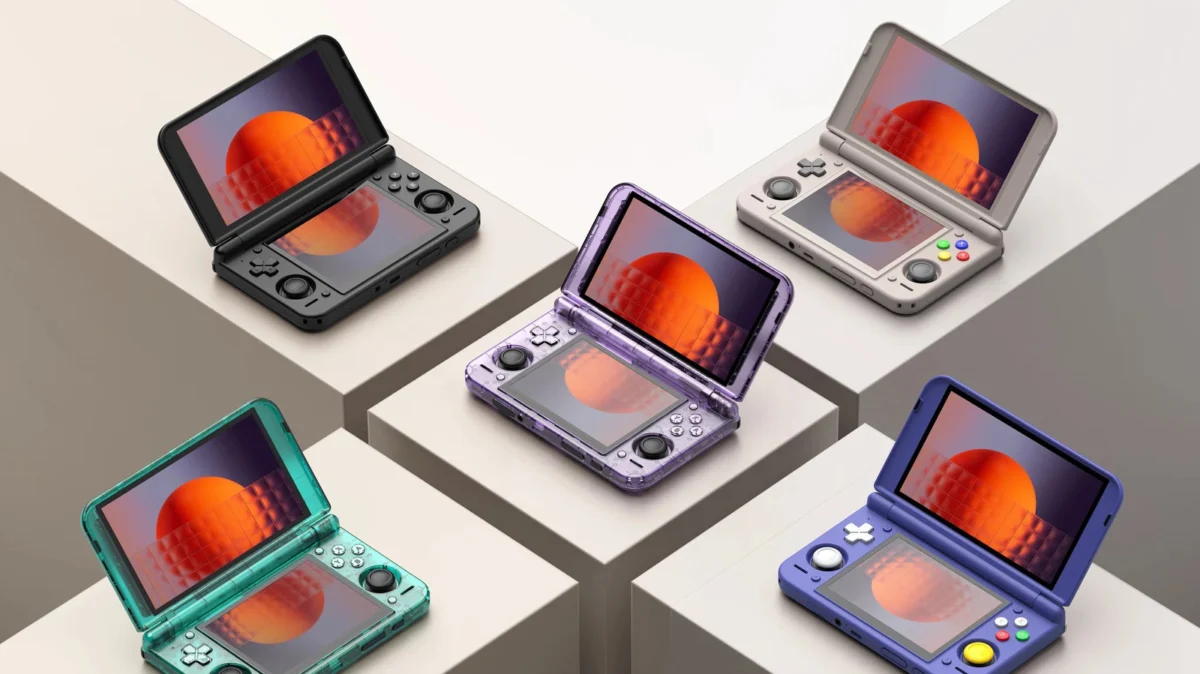
Handheld gaming manufacturer Retroid Pocket has unexpectedly expanded its dual-screen lineup with the introduction of the Duo Lite Plus, a new variant that slots strategically between its recently launched Duo and Duo Lite models. This late addition, announced more than a week after initial pre-orders for the Duo and Duo Lite commenced earlier this month, has prompted a significant customer relations initiative from the company: Retroid Pocket is now offering free exchanges for any Duo Lite customers who wish to upgrade to the more powerful Lite Plus version, fully covering shipping costs. This move is a direct response to a wave of customer dissatisfaction from early adopters who felt blindsided by the sudden availability of a model that many perceive as the "just right" option for their needs.
The Unexpected Expansion: Retroid Duo Lite Plus Emerges
The initial launch of the Retroid Pocket Duo and Duo Lite earlier in the month was met with considerable anticipation within the retro handheld gaming community. The Duo, a more robust and feature-rich device, appealed to users prioritizing raw power and a larger form factor, reminiscent of the original Nintendo DS but with modern Android capabilities. Conversely, the Duo Lite was positioned as a more compact and budget-friendly alternative, albeit with a less powerful processing unit. This clear segmentation aimed to cater to different segments of the burgeoning retro gaming market, which has seen explosive growth in recent years as enthusiasts seek portable solutions to enjoy classic titles across various platforms.
However, the landscape shifted dramatically with Retroid Pocket’s abrupt announcement of the Duo Lite Plus. This new model is designed to bridge the gap between its siblings, offering the svelte dimensions and portability of the Duo Lite while integrating the more potent Qualcomm Dragonwing Q-7790 processor, a chip previously exclusive to the higher-tier Duo. This strategic combination delivers a compelling package for users who desire a powerful emulation experience without the larger footprint of the flagship model. Priced at $219 for pre-orders, the Duo Lite Plus also benefits from an early bird discount code, reducing the price to $199, with shipments anticipated to commence in mid-November. The very existence of this "middle ground" device, appearing after many customers had already committed to the Duo Lite, immediately ignited a debate and a sense of frustration among a segment of the customer base.
A Chronology of Releases and Reactions
The timeline of Retroid Pocket’s recent product introductions is crucial to understanding the current situation. The company initially opened pre-orders for both the Retroid Pocket Duo and Duo Lite at the beginning of the month. Both devices, building on Retroid’s reputation for quality Android-based retro handhelds, garnered significant interest. The Duo was positioned as the premium offering, capable of handling more demanding emulation up to certain generations of consoles, while the Lite was presented as a more accessible entry point, ideal for earlier console generations and more casual gaming.
Following this initial launch period, which typically allows early adopters to secure their devices and for manufacturers to gauge initial demand, Retroid Pocket made the unannounced decision to introduce the Duo Lite Plus. This announcement, made over a week after the initial pre-order window opened, caught many customers off guard. The company stated that the later addition of the Duo Lite Plus was a direct result of "customer feedback." While listening to customer input is generally a positive trait for any company, the timing of this particular product launch created an immediate dilemma for those who had already invested in the Duo Lite.
The reaction from the community was swift and vocal. Social media platforms, particularly X (formerly Twitter) and Reddit forums dedicated to single-board computer (SBC) gaming, became hubs for expressions of discontent. Many customers articulated feelings of being "blindsided" or "deceived." Common sentiments included frustration over having made a purchase decision based on incomplete information, the perceived devaluation of their newly ordered Duo Lite, and the logistical hassle of potentially having to return or exchange a product they had just bought. Some users reported feeling pressured to quickly decide on an alternative, fearing they would miss out on the early bird discount for the Lite Plus or face delays in receiving any device. The core of the issue lay in the perceived lack of transparency regarding the full product roadmap at the time of the initial launch.
Understanding the Retroid Pocket Lineup: A Detailed Comparison
To fully grasp the significance of the Duo Lite Plus, it’s essential to compare it within Retroid Pocket’s dual-screen ecosystem. The company has carved out a niche in the retro handheld market by offering devices that blend classic form factors with modern Android functionality, allowing users to emulate a vast library of games.
Retroid Pocket Duo: This flagship model is the largest and most powerful of the trio. While specific dimensions were not provided in the original announcement, it is implied to be physically larger than the Lite models. It houses the Qualcomm Dragonwing Q-7790 processor, complemented by a substantial amount of RAM (typically 6GB or 8GB in high-end retro handhelds) and ample internal storage. Its larger screens (likely 3.5-4 inches per screen) and robust battery life cater to users who prioritize maximum performance and an immersive dual-screen experience for more demanding titles, including PlayStation Portable (PSP), Nintendo 64 (N64), Dreamcast, and even some lighter PlayStation 2 (PS2) or GameCube emulation. Its pricing is expected to be at the higher end of Retroid’s spectrum, likely above $250.
Retroid Pocket Duo Lite: Positioned as the entry-level dual-screen device, the Duo Lite offers a more compact and portable design. This slimmer profile, while appealing for on-the-go gaming, comes with a trade-off in processing power. It features a less powerful System-on-a-Chip (SoC) compared to the Duo and Duo Lite Plus, likely an older generation Unisoc or MediaTek chip. This configuration makes it ideal for emulating older systems such as the Game Boy, Game Boy Advance, SNES, NES, and original PlayStation, but it struggles with more demanding platforms. Its lower price point, likely around $150-$180, targets budget-conscious consumers or those primarily interested in less graphically intensive retro gaming.
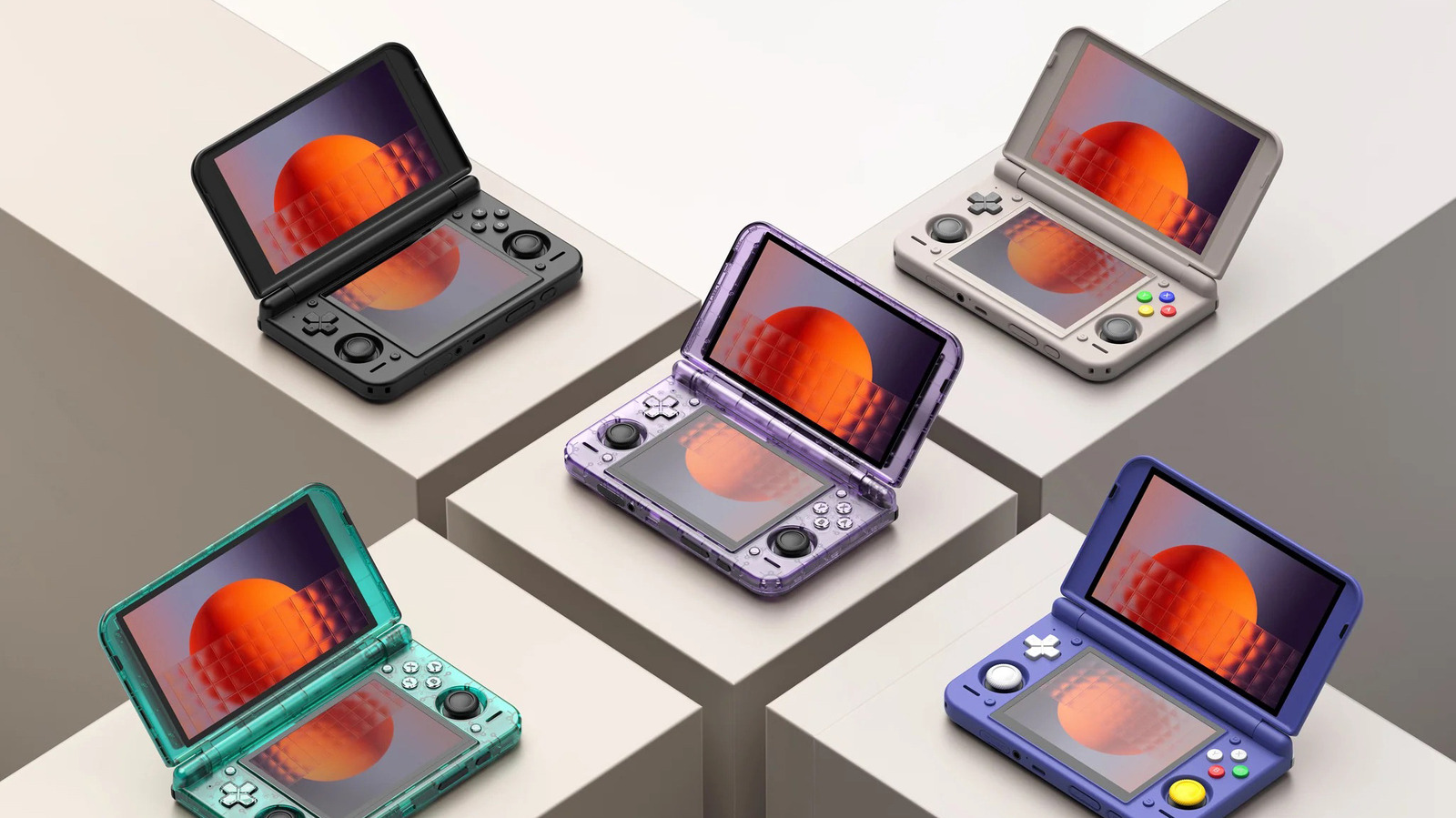
Retroid Pocket Duo Lite Plus: This new variant emerges as the sweet spot for many enthusiasts. It adopts the "slimmer dimensions" of the Duo Lite, addressing concerns that the full Duo might be "too big" for comfortable portability. Crucially, it integrates the high-performance Qualcomm Dragonwing Q-7790 processor, matching the processing capabilities of the flagship Duo. This combination means users get the best of both worlds: a highly portable device capable of running demanding retro games with smooth performance. With its $219 (or $199 early bird) price tag, it offers a compelling value proposition for those seeking a balance of power, portability, and cost-effectiveness. The anticipated mid-November shipment date positions it as a strong contender for the holiday season.
The "Qualcomm Dragonwing Q-7790" is likely a custom or highly optimized ARM-based SoC designed for performance in handheld devices. Based on its description as "more powerful," it can be inferred to feature a multi-core CPU (e.g., octa-core with a mix of performance and efficiency cores) and a capable GPU (e.g., Adreno-series equivalent) that supports Vulkan and OpenGL ES graphics APIs. Such a chip would typically be paired with LPDDR4X or LPDDR5 RAM (4GB or 6GB) to ensure smooth multitasking and game loading, along with eMMC or UFS storage for fast data access. This configuration would enable excellent emulation performance across a wide range of platforms, from 8-bit classics to demanding 3D systems of the 5th and 6th generations.
Retroid Pocket’s Unprecedented Goodwill Gesture
In response to the significant backlash and expressions of frustration from its customer base, Retroid Pocket swiftly implemented a comprehensive solution designed to mitigate the negative impact and restore customer confidence. The company sent out a detailed email to all existing Duo Lite pre-order customers, acknowledging the situation and outlining their proactive measures.
Key elements of Retroid’s response include:
- Pausing Duo Lite Shipments: The company announced a temporary halt in Duo Lite shipments for a few days. This strategic pause provides customers with crucial time to evaluate their options without feeling rushed or having their original order processed before they can make an informed decision.
- Opportunity to Compare Devices: The email explicitly stated, "following the announcement of the new Duo Lite+, we want to make sure our existing Duo Lite customers have the opportunity to choose what works best for them." This highlights Retroid’s intent to empower customers with choice, even if that choice was made necessary by the company’s own unexpected product launch.
- Free Exchange Program: The most significant aspect of Retroid’s initiative is the offer of a free exchange for Duo Lite customers who wish to upgrade to the Duo Lite Plus. Crucially, Retroid Pocket committed to covering "shipping costs and exchanges completely." This eliminates any financial burden on the customer for the return of the Duo Lite and the shipment of the new Lite Plus, a gesture that goes beyond typical return policies and aims to directly address the inconvenience and perceived unfairness.
- Early Bird Discount Extension: While not explicitly stated, it is a common practice in such scenarios for companies to extend any promotional pricing, like the $20 early bird discount, to affected customers making an exchange, ensuring they don’t lose out on savings.
This move by Retroid Pocket is a powerful demonstration of corporate responsibility and customer-centricity. In an industry where product roadmaps are often fluid, and early adopter frustration can easily escalate, the company’s swift and generous corrective action is noteworthy. While the initial misstep in product communication undoubtedly caused irritation, the comprehensive exchange program stands to significantly repair brand trust and potentially turn a negative situation into a positive reinforcement of Retroid’s commitment to its community. The financial implications for Retroid—covering shipping costs for potentially hundreds or thousands of exchanges, alongside the logistical complexity—are substantial, underscoring the seriousness of their commitment to customer satisfaction.
The Broader Landscape of Retro Handheld Gaming and Strategic Implications
The incident with the Retroid Pocket Duo Lite Plus unfolds within a dynamic and highly competitive retro handheld gaming market. This segment has witnessed explosive growth over the past five years, driven by nostalgia, advancements in mobile processing power, and the open-source community’s dedication to emulation. Companies like Anbernic, Miyoo, AYN, and Powkiddy, alongside Retroid Pocket, constantly innovate, releasing new devices that offer various form factors, operating systems (Android, Linux-based), and performance tiers. The market is characterized by rapid product cycles, with new models often featuring incremental upgrades in processors, screen quality, or battery life.
Retroid Pocket has established itself as a reputable player, known for its polished Android-based handhelds and relatively strong community engagement. Their devices often strike a good balance between performance, build quality, and price. The introduction of a dual-screen lineup was a bold move, attempting to capture the niche left by Nintendo’s DS/3DS lines, offering a unique play experience in a market saturated with single-screen devices.
Strategic Implications for Retroid Pocket:
- Brand Reputation: The immediate impact of the initial product rollout created a perception of disorganization or a lack of transparency. However, Retroid’s subsequent, swift, and generous response has the potential to salvage and even enhance its brand reputation. Demonstrating a willingness to admit error and make amends can build long-term customer loyalty, proving that the company values its community.
- Product Development & Communication: This incident highlights the critical importance of clear and comprehensive product roadmaps. Moving forward, Retroid Pocket may need to refine its internal processes for product announcements, ensuring that all planned variants are revealed simultaneously or with a clear indication of future releases to manage customer expectations effectively.
- Competitive Edge: By offering a highly optimized "middle-ground" device, Retroid Pocket strengthens its position in the dual-screen segment. The Duo Lite Plus directly addresses a likely significant market demand for a portable yet powerful dual-screen experience, potentially attracting customers who might have otherwise opted for single-screen competitors.
- Logistical Challenges: The exchange program, while beneficial for customers, presents a significant logistical challenge for Retroid. Managing returns, processing exchanges, and coordinating new shipments for potentially thousands of devices requires robust operational capabilities and could lead to temporary delays for all orders.
From a broader industry perspective, this event serves as a case study in agile product development meeting consumer expectations. In fast-moving tech markets, companies often iterate quickly, but without careful communication, these iterations can alienate early adopters. Retroid Pocket’s handling of the situation provides a template for how companies can recover from such missteps, emphasizing the enduring value of customer satisfaction in a competitive landscape. The success of the Duo Lite Plus, both in terms of sales and positive customer reception, will largely depend on the efficient execution of this exchange program and Retroid’s ongoing commitment to transparent communication.
As the retro handheld market continues to evolve, manufacturers will increasingly face the challenge of balancing rapid innovation with clear, consistent messaging to their dedicated and passionate customer bases. Retroid Pocket’s recent experience underscores that while cutting-edge hardware is crucial, maintaining trust and fostering a positive community experience are equally vital for long-term success.







