Clarissa Hana
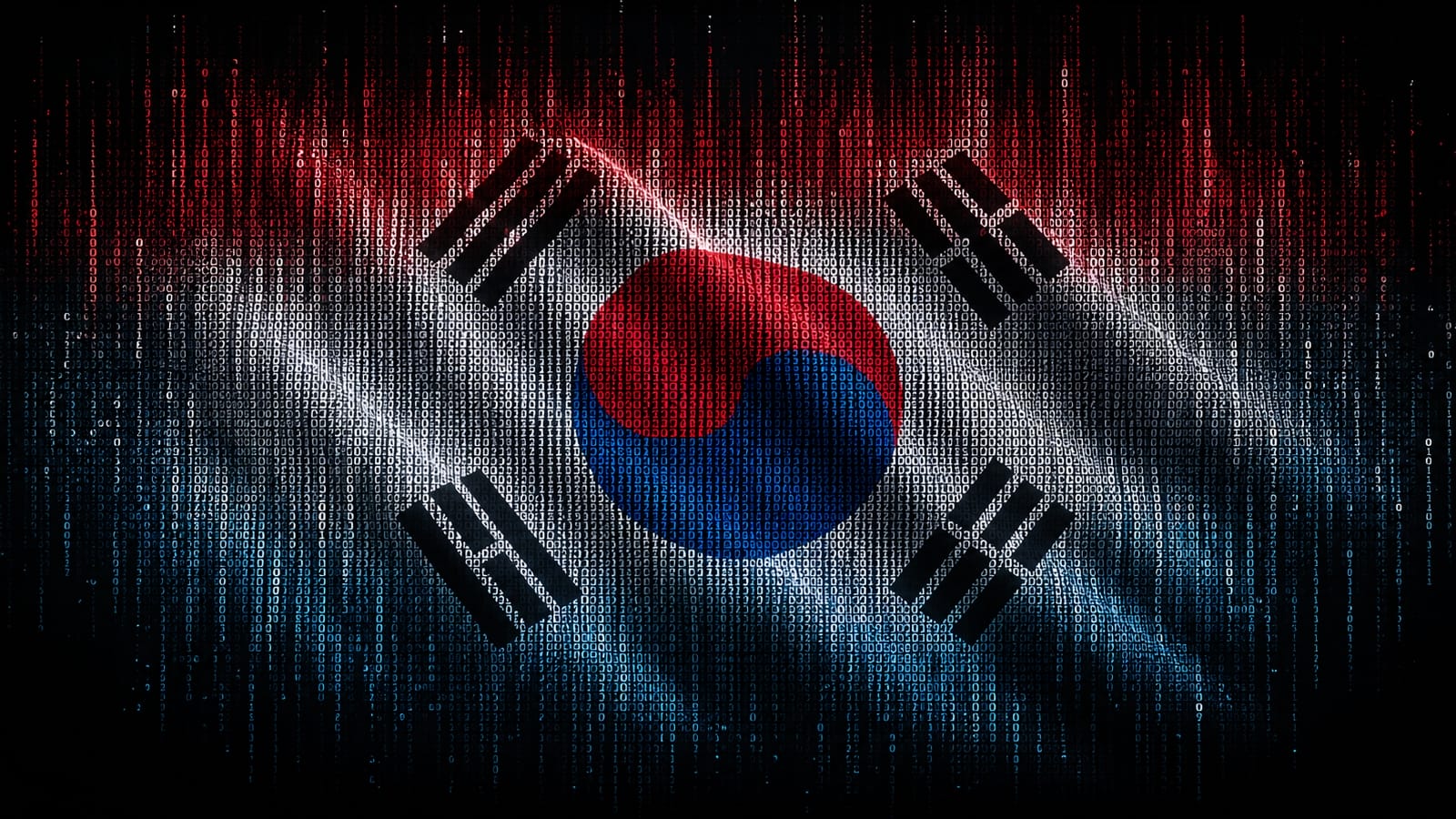
South Korea has officially confirmed a significant cybersecurity incident that saw hackers gain unauthorized access to the National Diplomatic Academy’s online education system for an extended period of ten months, resulting in the compromise of personal information belonging to thousands of current and former employees of the Ministry of Foreign Affairs (MFA), including a substantial number of overseas diplomats. The breach, which remained undetected for nearly a year, raises serious concerns about the security of sensitive diplomatic data and the potential ramifications for national security and international relations.
The sophisticated cyberattack reportedly began in April 2025 when an unidentified threat actor successfully exploited a vulnerability within the Academy’s server infrastructure. The full extent of the compromise was only revealed in February 2026, when South Korea’s National Intelligence Service (NIS) detected the intrusion and alerted the MFA. This delayed discovery allowed attackers a prolonged window to access and exfiltrate data, impacting at least 6,000 individuals. Among those affected are approximately 350 government attachés currently stationed abroad, underscoring the global reach of this digital intrusion.
The compromised online education platform was initially established in 2022, a strategic move by the South Korean government to facilitate remote training and ensure continuity of operations during the unprecedented challenges posed by the COVID-19 pandemic. Since its inception, the system has evolved into a critical tool for ongoing professional development and secure communication, including video-conferencing capabilities for MFA personnel. Its integral role in the ministry’s operational framework makes the breach particularly concerning.
A Ten-Month Shadow: The Unfolding of the Breach
The official announcement from the South Korean government detailed a concerning timeline of exploitation. Data was confirmed to have been leaked continuously from April 2025 until February 2026, a period of nearly a full year during which the breach went unnoticed by the MFA’s internal security protocols. This prolonged access granted attackers ample opportunity to survey the compromised network and extract valuable information.
"The personal information of current and former employees of the Ministry of Foreign Affairs headquarters and overseas missions, as well as other personnel, was leaked between April 2025 and February 2026," the South Korean government stated in its disclosure. This broad statement highlights the pervasive nature of the intrusion, affecting a wide spectrum of individuals associated with the nation’s diplomatic corps.
The estimated scope of the leaked data includes essential personal identifiers such as user IDs, names, email addresses, and crucially, encrypted passwords of individuals registered on the education system. While the MFA has emphasized that more sensitive data such as unique identification numbers, financial details, mobile phone numbers, photographs, or home addresses were not compromised, the exposure of login credentials for a system used for government training and communication is still a significant security lapse. Encrypted passwords, while offering a layer of protection, are not infallible and can be vulnerable to decryption techniques, especially if weak encryption algorithms were employed or if attackers gain further access to systems that hold decryption keys.
Unforeseen Blind Spot: The Server’s Location and Security Oversight
A key factor contributing to the extended duration of the undetected breach appears to be the physical location of the compromised server. Reports suggest that the server hosting the National Diplomatic Academy’s online education system was situated within the MFA headquarters itself. This internal placement, while seemingly offering a sense of security, paradoxically led to it being excluded from the ministry’s regular, more rigorous external security scrutiny. This oversight created a blind spot, allowing the malicious activity to persist without detection for an extended period.
The discovery of the breach in February 2026 by the National Intelligence Service marked a critical turning point. The NIS, a key agency responsible for national security and intelligence gathering, possesses advanced threat detection capabilities that evidently surpassed those of the MFA’s immediate IT security measures. Upon identifying the unauthorized access, the NIS promptly alerted the Ministry of Foreign Affairs, initiating the process of investigation and mitigation.
Official Response and Delayed Disclosure
In the aftermath of the discovery, the Ministry of Foreign Affairs acted swiftly to block further access to the compromised online education system. Concurrently, the ministry has stated that it is implementing additional security measures designed to bolster its defenses against future cyber threats. The specifics of these enhanced security protocols have not been publicly disclosed, likely to avoid providing potential adversaries with insights into their defensive strategies.
During a press briefing held recently, an MFA spokesperson addressed the prolonged delay in publicly disclosing the incident. Park Il, a spokesperson for South Korea’s Foreign Ministry, explained that the decision to withhold immediate public announcement was due to the highly sensitive nature of the breach, particularly its implications for diplomatic and security affairs. The ministry felt it imperative to conduct a thorough and comprehensive analysis of the incident and its potential ramifications before making any public statements.
"We recognized this issue in February, but we announced it five months later because of the sensitivity of the matter regarding our diplomatic and security affairs, and the need for careful review and analysis," Park Il stated, underscoring the delicate balance the ministry had to strike between transparency and national security interests. This five-month delay, while explained by the need for due diligence, may draw scrutiny from cybersecurity experts and those affected by the breach.

Broader Impact and Implications for Diplomatic Operations
The implications of this data breach extend far beyond the immediate concern of personal information compromise. The exposure of data pertaining to diplomats and MFA employees, even if limited to login credentials and basic personal details, carries significant risks. Such information could be leveraged by hostile state actors or sophisticated cybercriminal groups for various malicious purposes, including:
- Spear-Phishing Campaigns: Exposed email addresses and names can be used to craft highly personalized and convincing phishing emails, targeting individuals with further malicious links or attachments. The knowledge of an individual’s affiliation with the MFA and their role as a diplomat would make these attacks significantly more credible.
- Social Engineering: The leaked data could provide attackers with valuable context for social engineering attacks, aiming to extract more sensitive information or gain further access to internal systems by impersonating colleagues or superiors.
- Intelligence Gathering: While direct access to classified information may not have occurred, the compromised data could offer insights into the structure of the MFA, key personnel, and their communication patterns, which could be valuable for intelligence gathering by foreign powers.
- Reputational Damage: A breach of this nature can erode trust in the government’s ability to protect sensitive information, potentially impacting international confidence and diplomatic relations.
The conflicting reports regarding the exact number of affected individuals, with some Korean media outlets suggesting figures as high as 10,000 while others report lower numbers, highlight the challenges in fully quantifying the scope of the breach. The additional detail that official job titles and departmental affiliations were also exposed further amplifies the potential for targeted attacks and intelligence exploitation.
Navigating the Aftermath: Recommendations and Future Safeguards
In response to the breach, the MFA has issued a strong advisory to all potentially impacted individuals. They are urged to remain vigilant for any suspicious communications, particularly emails originating from unclear or unknown sources, and to report such instances immediately to the ministry’s dedicated security department.
"Please exercise particular caution when receiving emails from unclear or unknown sources," the MFA warned, emphasizing the heightened risk of targeted phishing and social engineering attempts in the wake of the data leak. This proactive warning aims to empower individuals to act as a frontline defense against subsequent attacks.
The incident serves as a stark reminder of the persistent and evolving nature of cyber threats targeting government and diplomatic institutions globally. As digital infrastructure becomes increasingly interconnected and integral to national operations, the need for robust, multi-layered security protocols, continuous monitoring, and rapid incident response capabilities cannot be overstated. The delayed detection of the breach underscores the critical importance of regular, comprehensive security audits, even for systems located within perceived secure perimeters.
Moving forward, South Korea’s Ministry of Foreign Affairs will undoubtedly face pressure to enhance its cybersecurity posture. This will likely involve a review of its incident response plans, investment in advanced threat detection technologies, and a re-evaluation of how internal systems are secured and monitored. The success of these efforts will be crucial in rebuilding confidence and ensuring the continued integrity of South Korea’s diplomatic operations in an increasingly complex and dangerous digital landscape. The incident also highlights the importance of international cooperation in cybersecurity, as diplomatic networks are inherently global and require coordinated defense strategies.