George Chandra Eka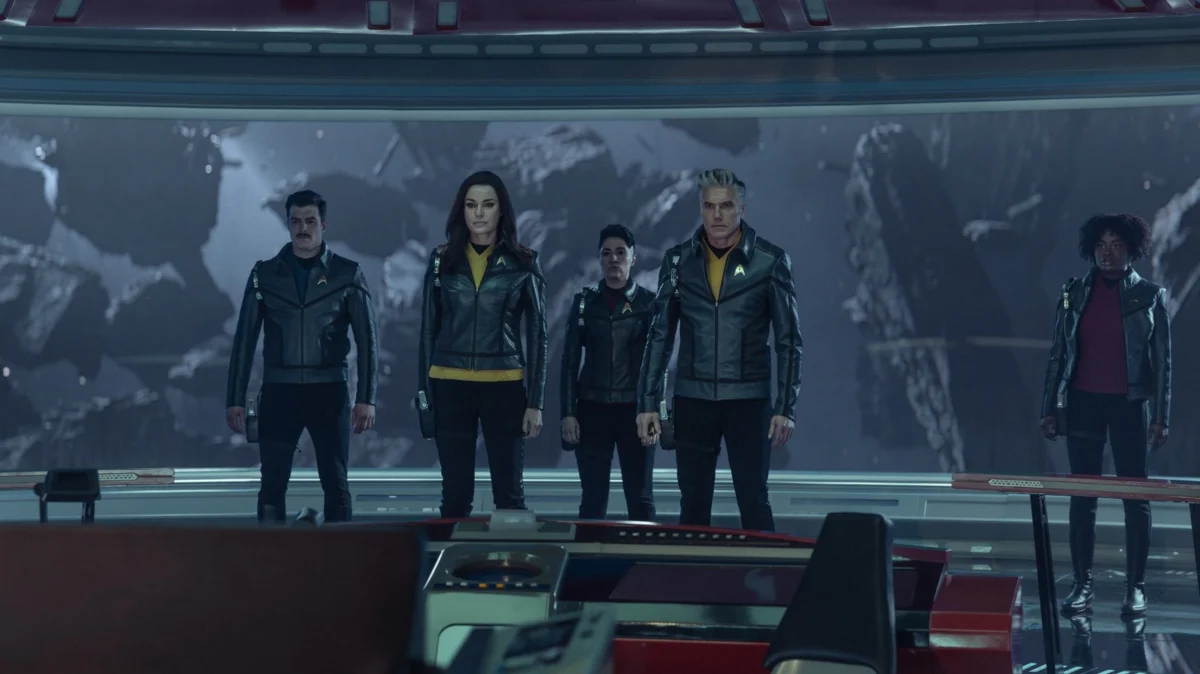
The highly anticipated fourth season of Star Trek: Strange New Worlds is poised to continue the series’ signature blend of audacious narrative experimentation and classic Star Trek principles, albeit with a persistent undercurrent of tonal and qualitative inconsistency that has characterized its run. While the show has garnered a reputation for its willingness to embrace diverse genres and storytelling formats, early assessments suggest that this latest installment will further test the boundaries of its creative ambition, leading to moments of profound brilliance alongside episodes that may leave viewers desiring greater cohesion and conviction.
Since its debut, Star Trek: Strange New Worlds has been celebrated for its return to the episodic storytelling format reminiscent of the original Star Trek series, a deliberate contrast to the heavily serialized narratives of its contemporary franchise siblings like Star Trek: Discovery and Star Trek: Picard. This foundational premise, coupled with the charismatic performances of its ensemble cast, particularly Anson Mount as Captain Christopher Pike, Rebecca Romijn as Number One, and Ethan Peck as Spock, quickly positioned it as a flagship title for Paramount+. The series’ initial seasons were lauded for their vibrant aesthetic, optimistic tone, and the courageous exploration of diverse themes, frequently drawing praise for revitalizing the franchise’s spirit of adventure and discovery. The show’s mission statement from the outset was to take "big swings," venturing into musical episodes, comedic romps, and serious dramatic fare, often within the span of a single season. This approach was largely successful in its initial outings, with the inherent confidence in its execution often compensating for any narrative missteps. However, a noticeable shift in narrative conviction began to emerge in the third season, raising questions about the consistency of its creative direction.
A Legacy of Experimentation and Its Challenges
The fourth season, as previewed, maintains this commitment to bold genre exploration. Public knowledge already includes the significant announcement of a collaboration with Jim Henson Studios for a dedicated puppet episode, a move that exemplifies the show’s intent to push comedic and stylistic boundaries. Beyond this highly publicized endeavor, reports indicate a prevalence of "parodies-of-the-week" over more traditional Star Trek narratives. While this creative freedom is ostensibly a strength, the execution appears to be a critical point of contention. Some of these parodic episodes, despite their inventive premises, are described as being hindered by an overzealous need to justify their existence within the Star Trek canon. This self-referential justification, rather than allowing the narratives to speak for themselves, is reported to inadvertently diminish the inherent fun and energy that such genre-bending episodes are designed to deliver. The balance between innovative storytelling and canonical adherence is a delicate one, and the show’s struggle to maintain this equilibrium without sapping the vitality from its more adventurous concepts presents a notable challenge.
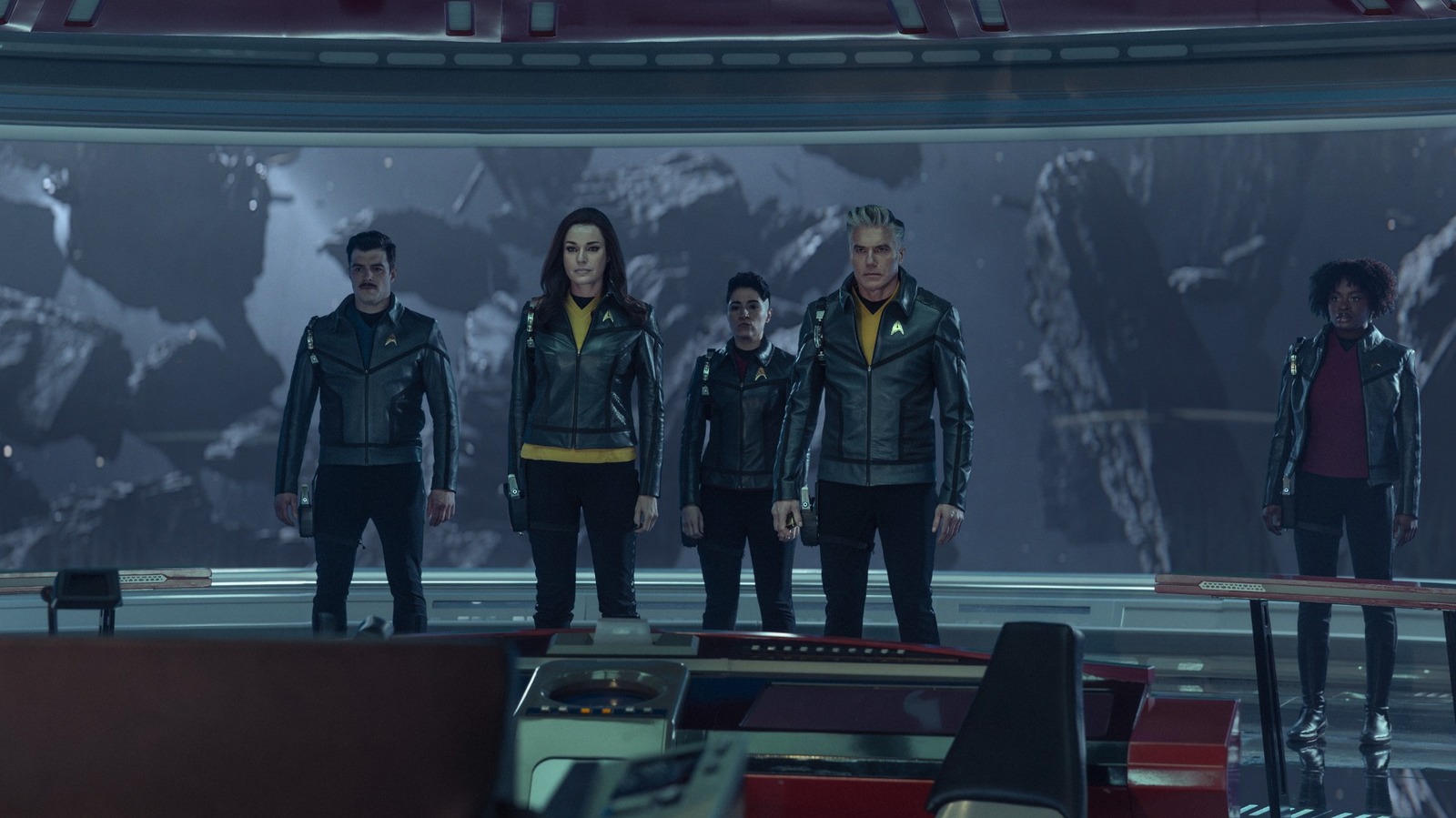
This ongoing exploration of diverse storytelling forms aligns with the broader "Kurtzman era" of Star Trek, which began with Star Trek: Discovery in 2017 under the guidance of executive producer Alex Kurtzman. This period has seen an unprecedented expansion of the Star Trek universe, with multiple series catering to varied tastes. Strange New Worlds was specifically developed to bridge the gap between this modern era and the beloved original series, offering a direct prequel perspective on the USS Enterprise before Captain Kirk’s command. Its success was crucial for Paramount+’s strategy to attract and retain subscribers through high-profile, exclusive content. The creative team, including Akiva Goldsman and Henry Alonso Myers, frequently spoke about their desire to recapture the episodic charm and sense of wonder that defined classic Trek, while also infusing it with contemporary production values and thematic depth. The decision to pursue such varied episode styles, from lighthearted comedies to intense thrillers, was a direct outcome of this philosophy, aiming to demonstrate the versatility and enduring appeal of the Star Trek universe.
Tonal Discrepancies and Content Debates
A significant point of discussion and potential concern within the fourth season is the continued integration of graphic content. The preview highlights instances of "heavy gore," particularly referencing an "eye-gouging body horror" scene in the second episode. This element, while not unprecedented in the broader spectrum of modern television, represents a notable departure from the traditionally family-friendly ethos of Star Trek, particularly in its "main-line" iterations. The debate over what constitutes appropriate content for Star Trek has been a recurring theme since the advent of the Kurtzman-era shows, which have often embraced a darker, more mature tone than their predecessors. While adult themes and conflicts have always been a part of Star Trek, the explicit depiction of gore raises questions about the franchise’s target demographic. The critique suggests that such content renders approximately half of the season unsuitable for younger viewers, a stark contrast to the accessibility of pre-Kurtzman Trek series, which were largely consumable by audiences of all ages. This stylistic choice could alienate a segment of the audience, particularly families, who traditionally form a core part of the Star Trek fandom.
The inclusion of more mature themes and graphic violence in modern Star Trek series can be seen as an attempt to align the franchise with prevailing trends in prestige television, where complex narratives and darker aesthetics often draw critical acclaim and adult viewership. However, this approach inevitably clashes with the nostalgic expectations of some long-time fans who remember Star Trek as a beacon of aspirational science fiction, largely suitable for shared family viewing. The balance between evolving with contemporary television trends and preserving the franchise’s legacy as an accessible, optimistic vision of the future remains a persistent challenge for its creators. Paramount Global, in its strategic planning for Paramount+, has aimed to offer a broad spectrum of content, including original series that push creative boundaries. The decision to greenlight Strange New Worlds with its stated intention of bold experimentation likely factored into allowing for such diverse tonal shifts, even if they court controversy among parts of the fanbase.
The Pervasive Presence of Jim Kirk
Another recurring critique directed at Strange New Worlds centers on the increasing prominence of Paul Wesley’s portrayal of James T. Kirk. While the character is an undeniable icon of the Star Trek universe, his frequent appearances in a series primarily focused on Captain Pike’s pre-Kirk era has generated a degree of fan fatigue. The review suggests that Kirk’s presence, initially explained by Anson Mount’s paternity leave during production, has become "slavish" and increasingly "vexing." The underlying concern is that the creative team appears to be attempting to "sideline" Anson Mount’s Captain Pike, the ostensible lead of his own show, in favor of a legacy character.
This issue highlights a significant challenge in prequel narratives: how to organically integrate beloved characters from future timelines without undermining the current protagonists or succumbing to fan service. While the initial introduction of Kirk in Strange New Worlds was met with curiosity and excitement, his sustained and seemingly forced inclusion risks diluting the focus on Pike and the Enterprise crew that audiences have grown to appreciate. The character of Captain Pike, expertly brought to life by Anson Mount, was a key factor in the show’s initial greenlighting and success. His nuanced portrayal of a leader grappling with the knowledge of his tragic future, while still inspiring hope and courage, forms the emotional core of the series. To potentially shift focus away from this established dynamic, particularly in a season that is already navigating complex tonal shifts, could be perceived as a miscalculation in character development and narrative strategy. The dynamic between Pike and Kirk is inherently intriguing, but its execution must serve the story rather than merely ticking a box for legacy character inclusion. This creative tension between celebrating the past and forging new narratives is a perpetual balancing act for any long-running franchise.
Moments of Unquestionable Brilliance
Despite these criticisms, the review strongly emphasizes that Strange New Worlds continues to deliver moments of exceptional quality, solidifying its position as arguably "the best live-action Trek of the streaming era." A particular highlight mentioned is the sixth episode of the fourth season, which is not only lauded as a "series standout" but also as "one of the best episodes across Trek’s six-decade history." Described as a "taught, gutsy thriller," this episode reportedly manages to generate genuine suspense and keep viewers "on the edge of their seat," a remarkable feat given the inherent knowledge that, as a prequel, many of the central characters are guaranteed to survive to fulfill their destinies in the original series. This ability to create compelling drama despite predetermined outcomes speaks volumes about the quality of the writing, direction, and performances in this specific installment.
The episode’s success is further amplified by a subtle "hat tip" to the Scottish sketch comedy show Burnistoun, a detail likely included by actor Martin Quinn. Such nuanced inclusions, while perhaps only recognized by a subset of the audience, demonstrate a level of creative detail and passion that can elevate an episode beyond standard fare. This particular episode is predicted to top fan polls for the season’s best, underscoring the show’s capacity to reach impressive narrative heights when its various creative elements coalesce effectively. These peak performances serve as a powerful reminder of the show’s potential and its ability to captivate and thrill its audience, even amid broader inconsistencies. The critical and fan reception of Strange New Worlds has largely been positive, with Rotten Tomatoes scores consistently high, often in the 90%+ range, indicating that while individual critics or fans may find specific elements challenging, the overall consensus leans towards appreciation for its bold vision and entertainment value.
Broader Implications for the Star Trek Franchise and Streaming Landscape
The trajectory of Star Trek: Strange New Worlds Season 4, with its blend of ambitious successes and noticeable flaws, carries significant implications for the future direction of the broader Star Trek franchise and for Paramount+’s content strategy. The series represents a crucial pillar in Paramount’s effort to leverage its iconic intellectual property in the highly competitive streaming market. Its performance, both in terms of critical reception and subscriber engagement, will undoubtedly influence decisions regarding future Star Trek productions, including upcoming projects like Starfleet Academy and the Section 31 movie event.
The review’s concluding sentiment — that it "might be a few years before we get to spend any more time in this part of the future" — hints at potential delays or a hiatus for future seasons of Strange New Worlds. Such delays could stem from a variety of factors: the demanding production schedules inherent in high-quality science fiction, the strategic pacing of franchise releases by Paramount Global, or broader industry challenges such as the recent Hollywood strikes which impacted numerous productions. Prolonged waits between seasons can test audience loyalty, even for a beloved series. However, it could also allow the creative team more time to refine their vision and address some of the noted inconsistencies, potentially returning with renewed confidence and an even stronger narrative focus.
In essence, Star Trek: Strange New Worlds Season 4 appears to encapsulate the show’s defining characteristics: a series that is "uneven in tone, erratic in quality, sometimes gratuitous in gore and utterly charming." Its commitment to taking "big swings" is both its greatest strength and its most significant vulnerability. While the show continues to demonstrate its capacity for producing truly exceptional Star Trek stories, the ongoing challenge will be to temper its experimental zeal with a consistent narrative confidence and a clear understanding of its core identity within the vast and beloved Star Trek universe. The journey of the USS Enterprise under Captain Pike remains compelling, but its course through Season 4 suggests a voyage that is as unpredictable as it is thrilling.