Sisilia Frederika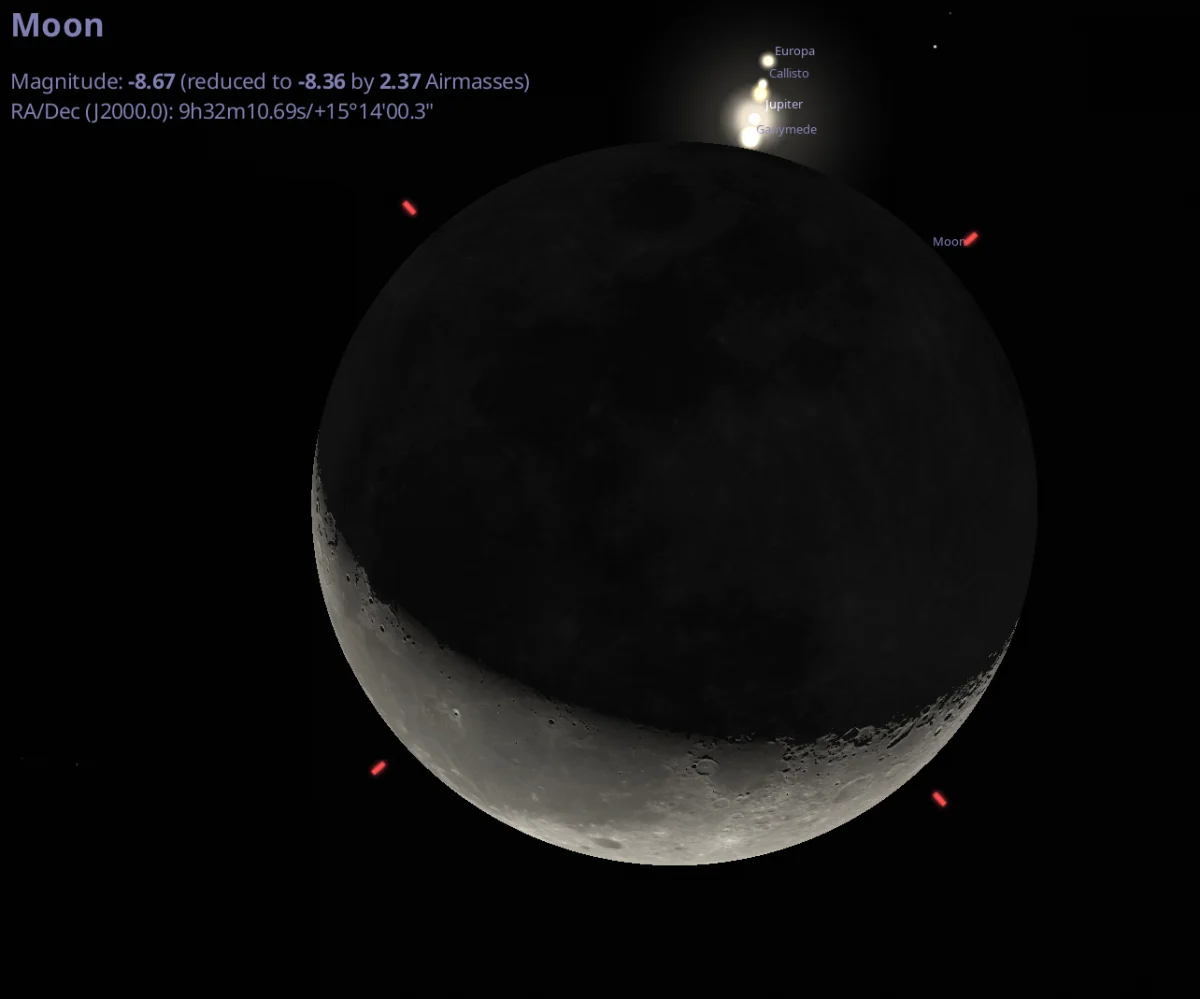
The astronomical community is preparing for a high-density period of celestial activity as the first week of October 2026 presents a rare convergence of planetary phenomena. Observers across the globe, and particularly in North America, are situated to witness two major events: the opposition of Saturn and a significant lunar occultation of Jupiter. These events represent more than mere visual spectacles; they provide critical opportunities for citizen science, high-resolution astrophotography, and the verification of orbital mechanics. As the transition from September concludes, the early October sky will be dominated by these gas giants, offering both seasoned astronomers and casual observers a unique perspective on the dynamics of the solar system.
Saturn Reaches Opposition and the Dynamics of the Seeliger Effect
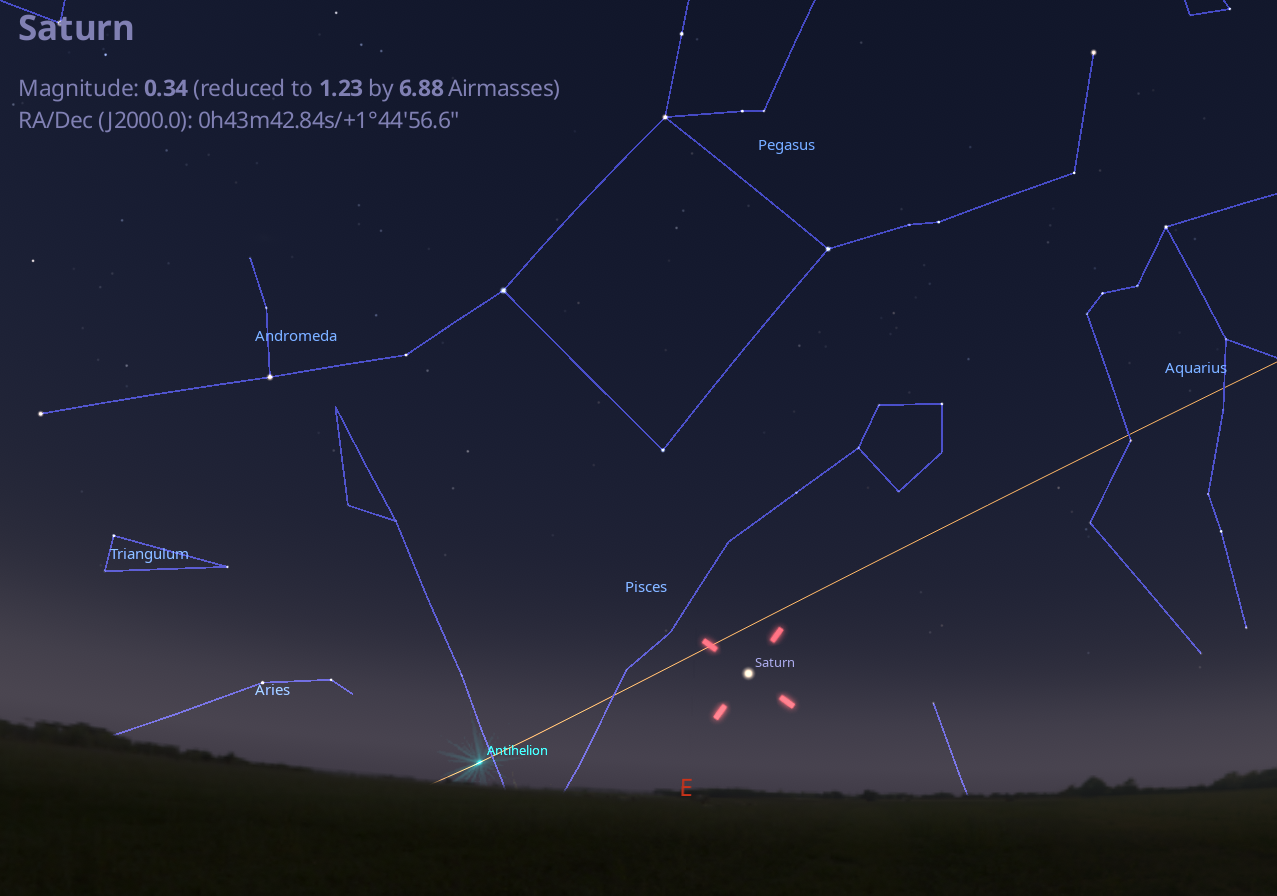
On October 4, 2026, the planet Saturn will reach opposition, a point in its orbit where it is positioned directly opposite the Sun from the perspective of Earth. During opposition, the Earth passes between the Sun and the outer planet, resulting in the planet rising at sunset, reaching its highest point in the sky at midnight, and setting at sunrise. This configuration typically marks the period when a planet is at its closest approach to Earth, appearing at its largest and brightest for the entire year.
The 2026 opposition is particularly noteworthy due to Saturn’s current celestial coordinates. Following the autumnal equinox in the Northern Hemisphere, Saturn has migrated into a position that places it within the borders of the constellation Cetus, the Whale. While the planets usually traverse the twelve constellations of the traditional zodiac, the tilt of planetary orbits occasionally allows them to stray into neighboring constellations. Saturn’s brief tenure in Cetus adds a layer of novelty for telescopic observers tracking its path through the stars.
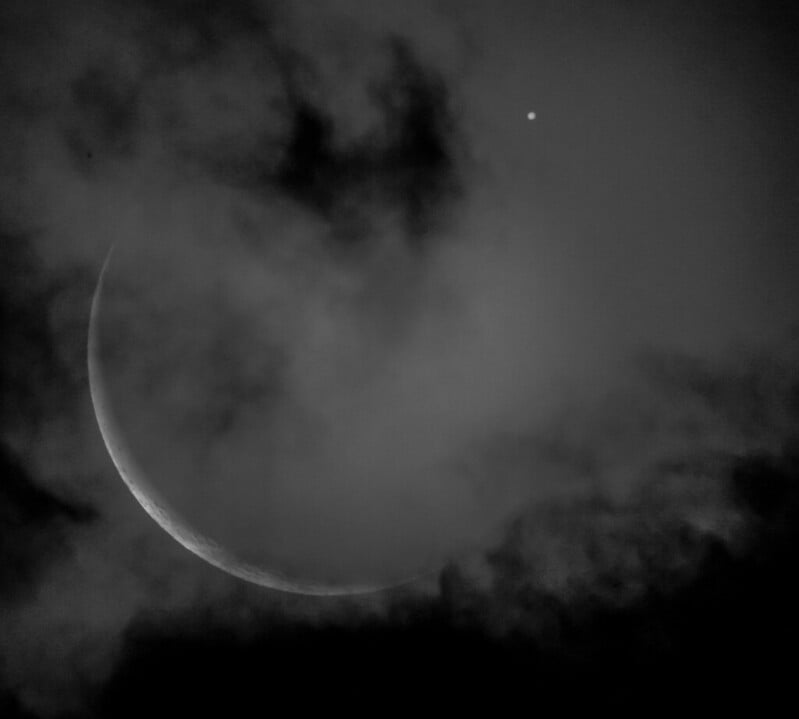
A primary focus for researchers during this period is the Seeliger Effect, also known as the opposition surge. This phenomenon describes a significant increase in the brightness of a celestial body as it approaches an opposition angle of nearly 180 degrees from the Sun. For Saturn, this surge is not merely a product of its proximity to Earth, but rather a result of the unique composition of its ring system. The rings are composed of billions of ice and rock particles, ranging in size from dust grains to large boulders. At opposition, the shadows cast by these particles fall directly behind them from our viewpoint, effectively hiding the shadows and causing a collective "brightening" of the ring plane.
Data from previous cycles indicate that Saturn can experience a brightness surge of approximately 0.3 magnitudes during this phase. Given that the rings are currently tilted at an angle of 12 degrees—widening from their edge-on appearance in 2025—the Seeliger Effect will be more pronounced than in the previous year. Astronomers suggest comparing Saturn’s luminosity to zero-magnitude stars such as Capella or Rigel to observe the surge and its subsequent fade in the weeks following October 4.
Observing the Rings: Tilt Evolution and the Mystery of Spokes
The 12-degree tilt of Saturn’s rings in late 2026 provides an ideal middle ground for observers. While the rings reached a minimum "edge-on" perspective in 2025, they are now on a steady progression toward their maximum tilt of 27 degrees, expected in 2031. This intermediate angle allows for a clear view of the Cassini Division—the dark gap between the A and B rings—while still maintaining enough surface area to study transient features.
One such feature that remains a subject of intense study is the appearance of "spokes" within the rings. These are dark, radial streaks that appear across the ring plane, thought to be composed of microscopic dust particles levitated above the rings by electrostatic forces. Recent theories suggest these features are linked to the planet’s magnetic field and may be triggered by meteoroid impacts. Because spoke activity is known to increase around the time of Saturn’s equinox, the 2026 opposition remains a high-priority window for capturing these enigmatic structures via high-speed video or long-exposure photography.
The Lunar Occultation of Jupiter: A North American Highlight
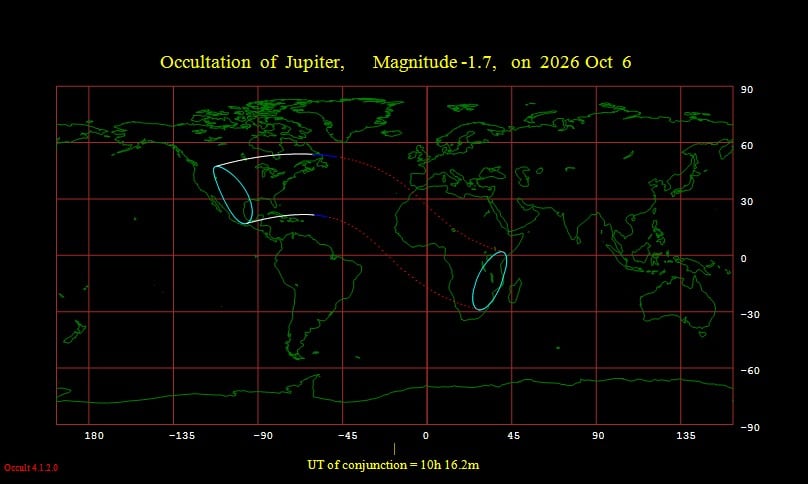
Following closely on the heels of Saturn’s opposition, the morning of Tuesday, October 6, 2026, will feature a rare lunar occultation of Jupiter. An occultation occurs when a closer celestial body—in this case, the Moon—passes in front of a more distant one, temporarily obscuring it from view. This specific event is being cited by the International Occultation Timing Association (IOTA) as one of the premier skywatching events of the decade for observers in the United States and Canada.
The event is scheduled to center on 10:16 Universal Time (6:16 AM Eastern Daylight Time). Unlike many occultations that occur during daylight hours or at inconvenient phases of the lunar cycle, the October 6 event features a 20% illuminated waning crescent Moon. This thin sliver of light provides a dramatic backdrop for the gas giant.
The mechanics of the occultation are precise: as the Moon moves along its orbital path, its illuminated leading edge will first make contact with Jupiter (ingress). Because Jupiter has a significant apparent diameter of 34 arcseconds, the disappearance will not be instantaneous. Instead, it will be a "leisurely" process taking approximately 60 seconds for the entire disk of the planet to be covered. After passing behind the Moon, Jupiter will reappear (egress) from behind the Moon’s dark limb. This dark limb is often illuminated by Earthshine—sunlight reflected from the Earth back onto the Moon—which creates a ghost-like glow on the unlit portion of the lunar surface, offering a spectacular visual contrast as the bright planet emerges.
Chronology and Geographic Visibility
The visibility of the occultation is highly dependent on geographic location. The "footprint" of the event covers the eastern contiguous United States (CONUS) and large portions of Canada. For observers in these regions, the event will occur in the predawn sky, providing the high-contrast conditions necessary for both visual observation and digital recording.
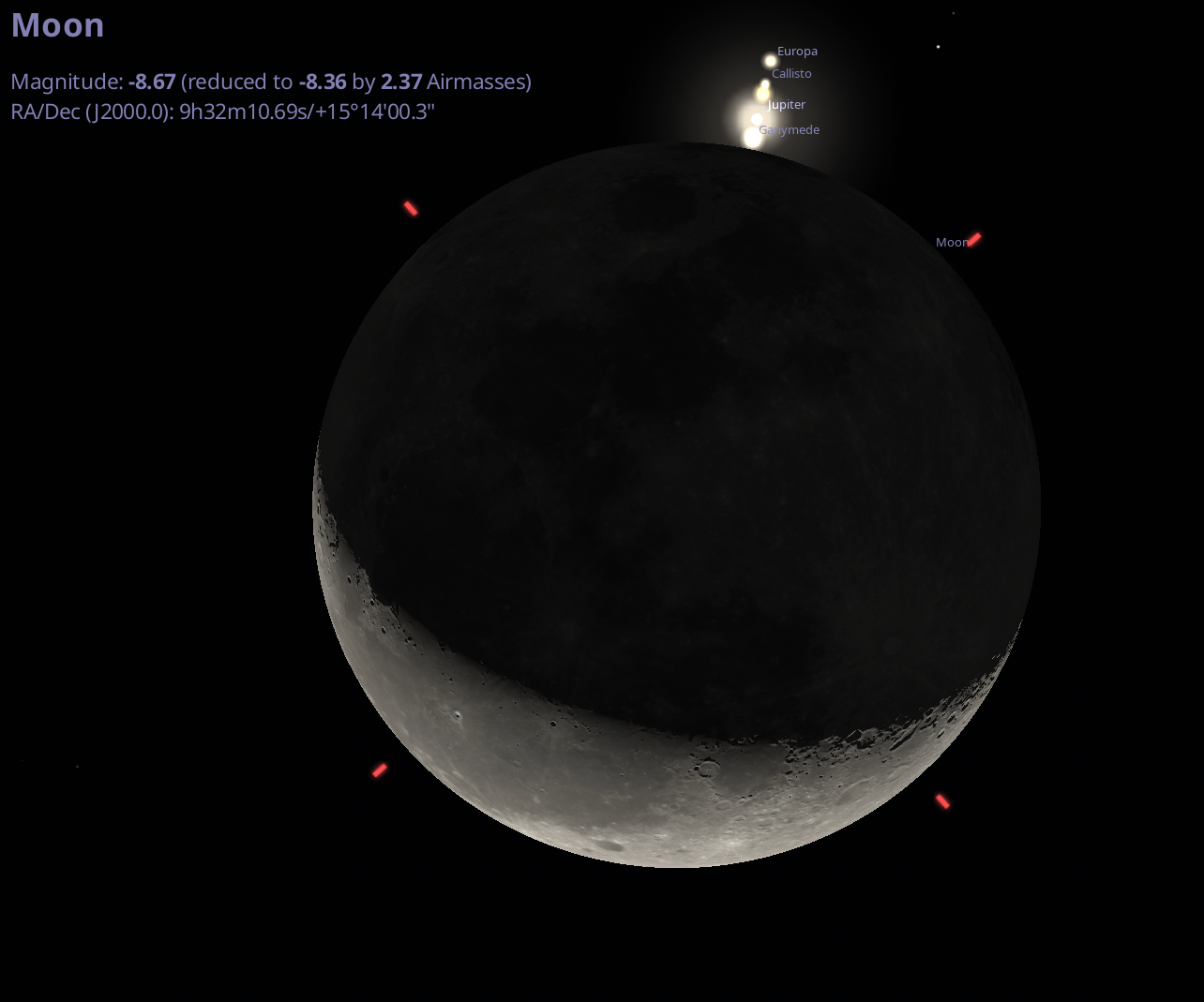
- Pre-Event Phase (09:00 – 10:00 UT): Observers will see the waning crescent Moon approaching Jupiter in the eastern sky. Jupiter, shining at a magnitude of -1.9, will be easily visible to the naked eye, appearing as a brilliant "star" near the lunar crescent.
- Ingress (Approx. 10:10 – 10:20 UT): The bright limb of the Moon begins to overlap with Jupiter. Telescopic viewers will see the planet slowly "sink" behind the lunar mountains.
- Maximum Occultation (10:16 UT): Jupiter is completely obscured. During this time, observers may still be able to see several of Jupiter’s Galilean moons—Io, Europa, Ganymede, and Callisto—as they are occulted individually.
- Egress (Approx. 11:15 UT, varying by location): Jupiter emerges from the dark side of the Moon. For many on the East Coast, this will occur as the sky begins to brighten with the first light of dawn.
IOTA has emphasized the importance of local timing, as even a few miles of geographic shift can change the start and end times by several minutes. Professional and amateur astronomers are encouraged to use GPS-synced timing to record the exact moments of contact, as these data points contribute to refined measurements of the lunar profile and planetary orbits.
Mutual Events and the Jovian System
The October 6 occultation coincides with what astronomers call "mutual transit season" for Jupiter’s moons. This occurs when the Earth and Sun pass through the plane of the orbits of the Galilean moons, allowing the moons to eclipse and occult one another. This added complexity means that during the lead-up to the lunar occultation, observers may witness Jupiter’s moons casting shadows on the planet’s cloud tops or passing in front of each other.
The presence of these mutual events provides a rare opportunity to study the albedo (reflectivity) of the Jovian moons with extreme precision. When the Moon passes in front of these already-active systems, the resulting light curves help researchers map surface features on the moons that are otherwise too small to resolve with ground-based telescopes.
Scientific Implications and Future Outlook
The rarity of these events is a significant factor for the scientific community. While lunar occultations of stars are common, occultations of major planets occur far less frequently for any specific location. According to orbital projections, the next lunar occultation of Jupiter visible from the contiguous United States will not occur until September 28, 2034. This eight-year gap underscores the importance of the 2026 event for data collection.
From a broader perspective, these events serve as a catalyst for public interest in science and technology. Museums, planetariums, and universities across North America are expected to host viewing parties and "star parties" to engage the public. The accessibility of the events—requiring only basic binoculars or small telescopes for a rewarding view—allows for widespread participation in citizen science.
The analysis of the Seeliger Effect on Saturn and the precise timing of the Jupiter occultation provide empirical data that validate current gravitational models. Furthermore, the observation of Saturn’s rings at a 12-degree tilt assists in the long-term monitoring of the ring system’s health and the frequency of meteoroid impacts.
As the first week of October 2026 approaches, the alignment of these two gas giants with the Earth and Moon offers a profound reminder of the clockwork precision of the solar system. For those under clear skies, the period between October 4 and October 6 will represent a peak moment in the 21st-century astronomical calendar, bridging the gap between historical observation and modern planetary science.