Chandra Wibowo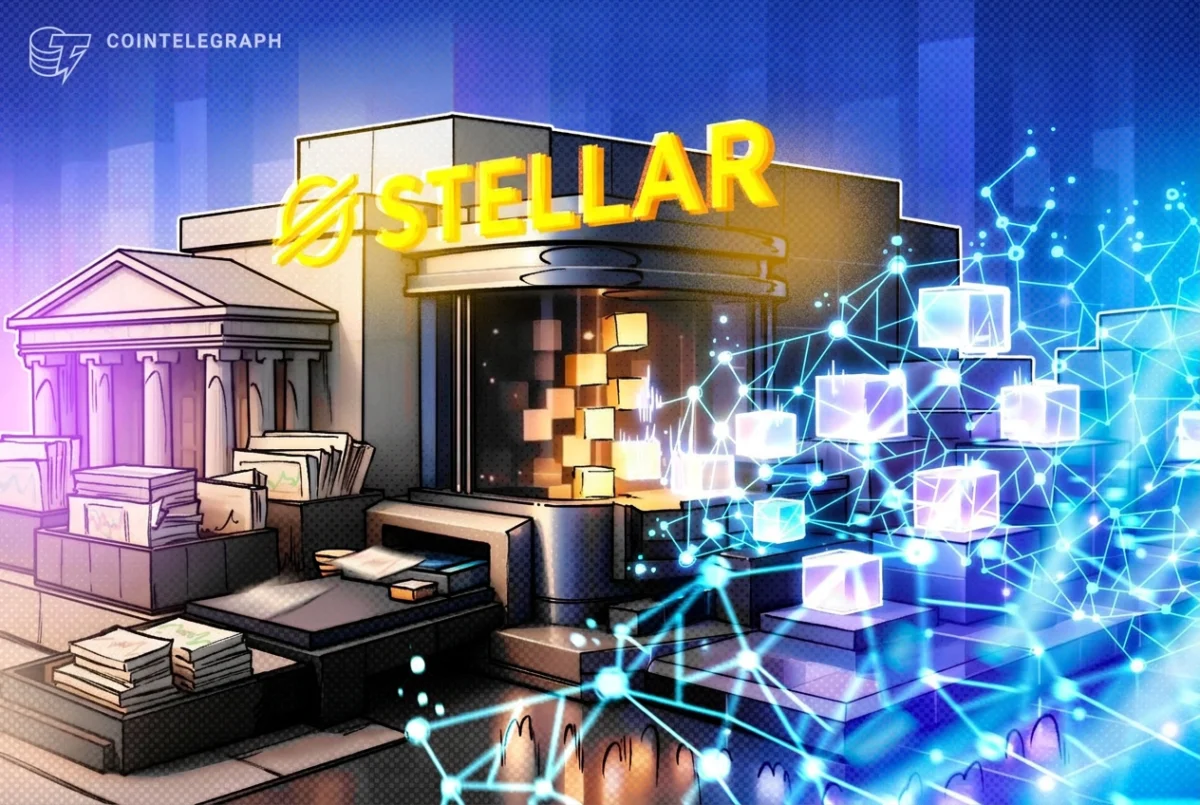
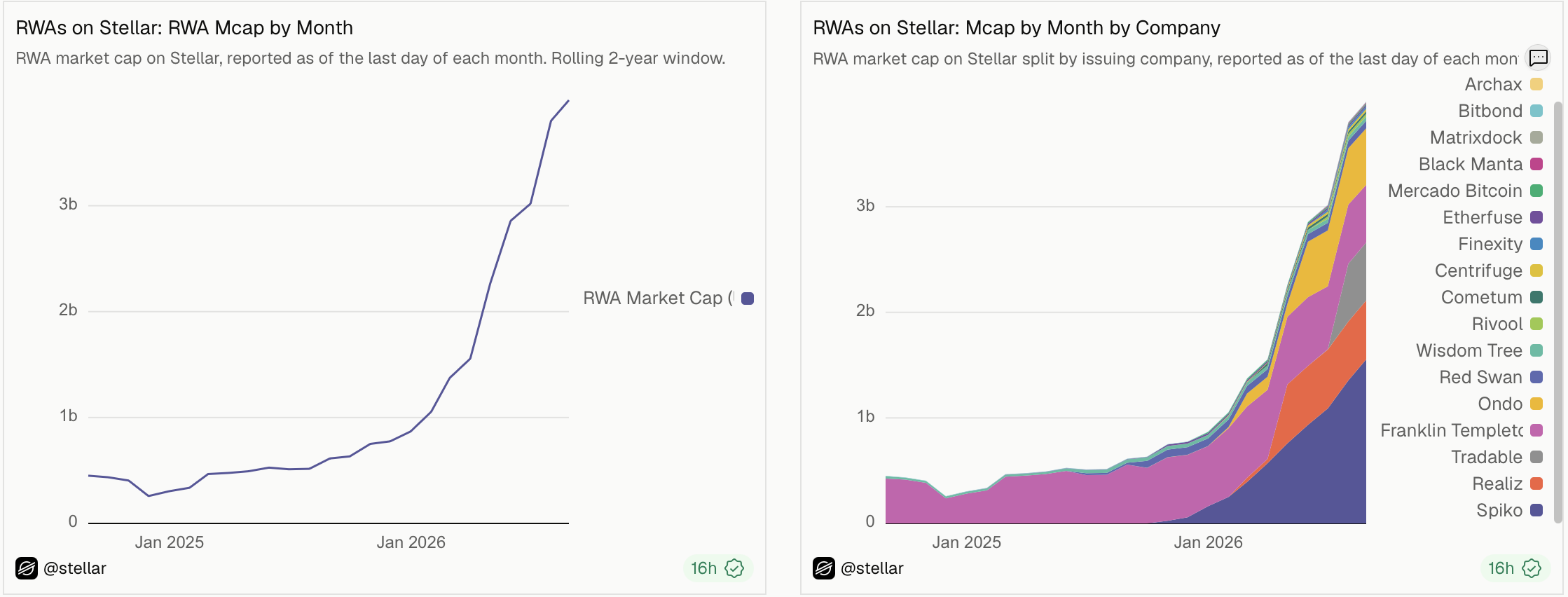
The value of tokenized real-world assets (RWAs) on the Stellar blockchain has experienced a dramatic surge in 2026, climbing approximately 360% to reach nearly $4 billion by August 29th. This represents a significant leap from the $868.8 million recorded at the close of the previous year, according to a comprehensive dashboard maintained by Stellar on Dune Analytics. The network’s burgeoning RWA market cap, standing at $3.996 billion as of the specified date, now encompasses a diverse array of asset classes, including U.S. Treasurys, private and public credit instruments, non-U.S. government debt, and other tokenized financial products.
This remarkable growth trajectory underscores a pivotal shift in how traditional assets are being integrated into the digital asset ecosystem, with Stellar emerging as a key player in this transformation. The RWA market on Stellar is characterized by a concentration among a select group of influential issuers. As of August 27th, Spiko led the pack, accounting for an impressive $1.55 billion of Stellar’s total RWA value. Following closely were Realiz with $559 million, Tradable with $548 million, Franklin Templeton with $546 million, and Ondo with $535 million. This distribution highlights the significant capital commitment and operational capacity of these entities in bringing tangible assets onto the blockchain.
A Deeper Dive into Stellar’s RWA Landscape
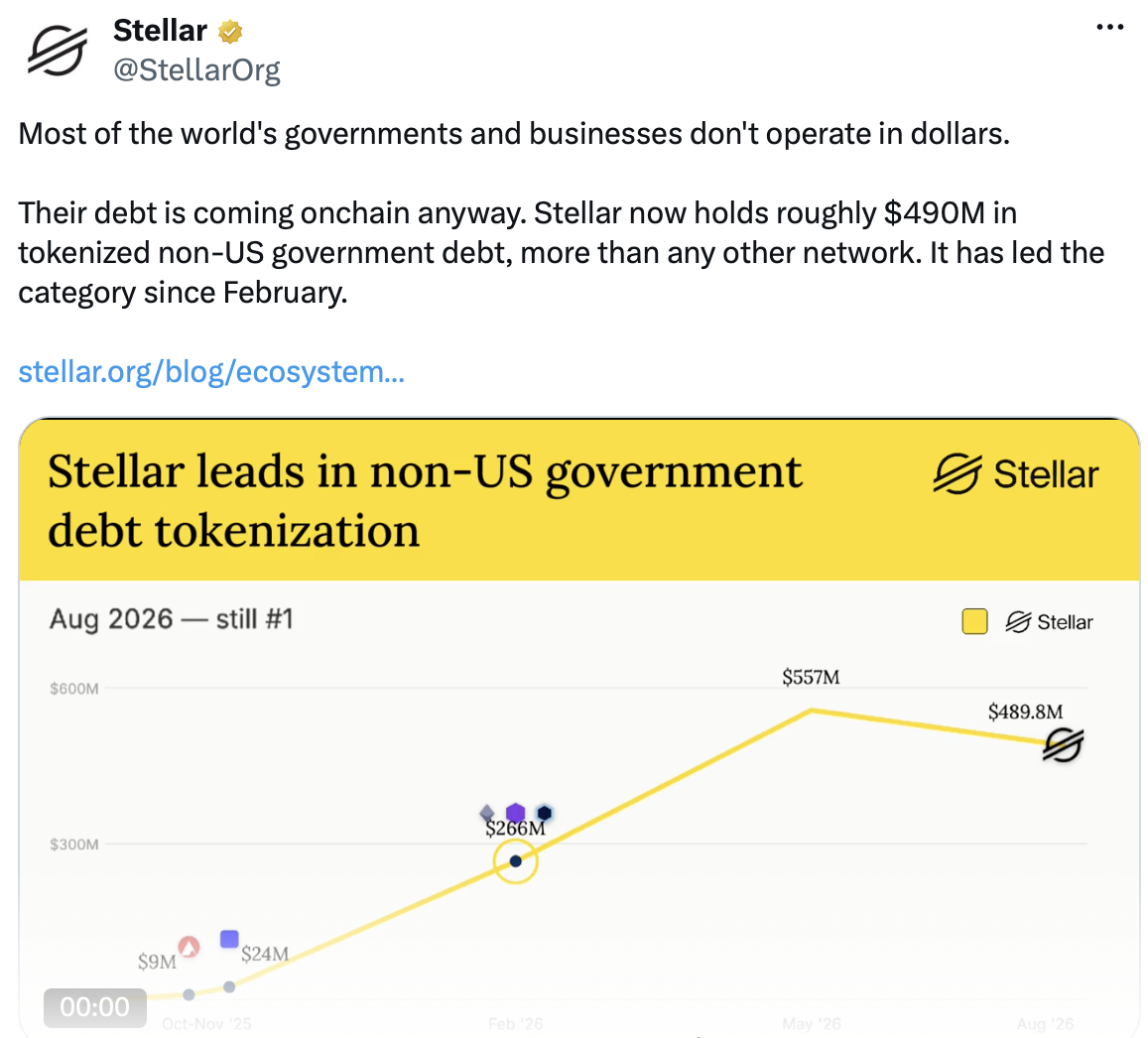
The expansion of tokenized assets on Stellar is not monolithic; it spans various categories, demonstrating the network’s versatility. Notably, Stellar has been making significant inroads in the realm of non-U.S. government debt. Data from RWA.xyz, cited by the Stellar Development Foundation in an August 20th announcement, revealed that the network held approximately $490 million in this specific asset class. This segment includes prominent examples such as tokenized Mexican CETES (short-term government debt) and Brazilian government bonds, which have been issued through collaborations with platforms like Etherfuse. This development signals a growing international interest in leveraging blockchain technology for sovereign debt management and accessibility.
Institutional Momentum Fuels RWA Expansion
The robust growth in Stellar’s RWA market cap is intrinsically linked to the increasing engagement of financial institutions and specialized tokenization platforms. This trend points towards a broader acceptance of blockchain technology as a viable infrastructure for traditional finance.
A significant endorsement came in May when the Depository Trust & Clearing Corporation (DTCC), a major post-trade financial services provider, announced its intention to connect its tokenization service to the Stellar network. This strategic integration, with DTC-tokenized assets slated for availability on Stellar in the first half of 2027, has the potential to revolutionize the landscape of tokenized securities. The anticipated integration could eventually support a wide range of assets, including tokenized U.S. Treasurys, major index Exchange Traded Funds (ETFs), and equities from the Russell 1000 index. Such a move by a critical financial market utility would represent a substantial validation of Stellar’s capabilities and a significant step towards mainstream adoption of tokenized assets.
This institutional momentum continued into July, with the tokenization platform Tradable announcing its ambitious plans to onboard up to $1 billion in private credit assets onto Stellar. This initiative is meticulously designed to streamline compliance processes, enhance investor onboarding, and facilitate efficient asset lifecycle management. Tradable’s existing track record in tokenizing private credit, having already processed $1.7 billion across nearly 30 positions, lends considerable weight to this new venture on Stellar. The focus on private credit, an asset class often characterized by illiquidity and complex management, highlights the potential for blockchain to unlock new efficiencies and investment opportunities.
Expanding Horizons: Digital Payments and Stablecoins
Beyond the realm of RWAs, Stellar has also solidified its position in the digital payments sector. The launch of MoneyGram’s MGUSD dollar stablecoin on the network in June marked a significant development, enabling users to hold dollar-denominated balances and facilitate fund transfers through MoneyGram’s extensive global payments network. The MGUSD stablecoin now joins a robust ecosystem of reserve-verified stablecoins issued on Stellar, collectively representing approximately $438 million in value, as per the Dune Analytics dashboard. This integration not only enhances MoneyGram’s remittance services but also underscores Stellar’s growing utility as a rails for real-time, cross-border payments.
XLM Token Performance Amidst RWA Surge
Despite the impressive expansion of RWAs on the Stellar network, its native cryptocurrency, XLM, has experienced a different market trajectory in 2026. According to data from CoinGecko, XLM has seen a year-to-date decline of approximately 11%, trading around $0.18. This divergence between the growth in tokenized assets and the performance of the native token suggests that the current RWA boom is primarily driven by institutional and enterprise adoption rather than speculative retail interest in XLM itself. However, the increasing utility and adoption of the Stellar network for RWA tokenization and payments could, in the long term, contribute positively to the demand and value of XLM.
A Timeline of Key Developments
The recent surge in Stellar’s RWA market cap is the culmination of strategic initiatives and partnerships that have been unfolding over the past few years. While the current data points to a significant acceleration in 2026, the foundational work began earlier.
- Early 2024 – 2025: The groundwork for institutional RWA adoption on Stellar was laid through partnerships with various fintech companies and a focus on regulatory compliance. Initial tokenization efforts likely focused on less complex asset classes.
- Late 2025: The Stellar Development Foundation actively promoted the network’s capabilities for RWA tokenization, engaging with potential issuers and highlighting the advantages of its scalable and cost-effective infrastructure.
- Early 2026: Several key platforms and financial institutions began to publicly announce their intentions and pilot programs for tokenizing assets on Stellar. This period saw increased developer activity and the refinement of technical solutions for RWA integration.
- May 2026: The DTCC’s announcement to connect its tokenization service to Stellar marked a pivotal moment, signaling a major endorsement from a critical financial market infrastructure provider. This news likely catalyzed further interest and investment in Stellar’s RWA ecosystem.
- June 2026: MoneyGram’s launch of its MGUSD stablecoin on Stellar demonstrated the network’s growing utility for stablecoin issuance and digital payments, further broadening its use cases.
- July 2026: Tradable’s announcement to bring $1 billion in private credit assets to Stellar reinforced the trend of institutional players leveraging the network for diverse asset classes, particularly in the less liquid private markets.
- August 2026 (Reporting Period): Data from Dune Analytics and RWA.xyz confirmed the substantial growth in Stellar’s RWA market cap, reaching nearly $4 billion and highlighting the concentration of value among key issuers. The network’s increasing prominence in tokenizing non-U.S. government debt also became evident.
Analyzing the Implications of Stellar’s RWA Growth
The rapid expansion of tokenized RWAs on Stellar carries significant implications for both the blockchain industry and traditional finance.
- Increased Liquidity for Illiquid Assets: Tokenization has the potential to unlock liquidity for traditionally illiquid assets, such as private credit and real estate. By representing these assets as digital tokens on a blockchain, they can become more easily traded and managed, potentially attracting a wider pool of investors.
- Enhanced Efficiency and Reduced Costs: Blockchain technology can streamline many of the manual processes involved in traditional finance, such as settlement, reconciliation, and asset servicing. This can lead to significant cost reductions and increased operational efficiency for issuers and investors alike.
- Democratization of Investment Opportunities: Tokenization can lower the barriers to entry for certain investment opportunities, making them accessible to a broader range of investors. Fractional ownership of high-value assets, for instance, becomes more feasible through tokenization.
- Regulatory Evolution: The growth of RWAs on blockchain networks necessitates a clear and evolving regulatory framework. As more traditional assets are tokenized, regulators will need to adapt existing rules and potentially introduce new ones to ensure investor protection and market integrity. Stellar’s focus on compliance-friendly solutions is likely a key factor in its appeal to institutional players.
- Competition and Innovation: Stellar’s success in the RWA space intensifies competition among blockchain networks vying to become the preferred infrastructure for tokenizing traditional assets. This competition can drive further innovation in blockchain technology and RWA solutions.
The sustained growth of tokenized RWAs on Stellar, fueled by institutional adoption and strategic partnerships, positions the network as a formidable player in the evolving landscape of digital finance. As more traditional assets find their way onto the blockchain, Stellar appears poised to benefit from this transformative trend, potentially reshaping how assets are owned, managed, and traded in the future. The coming years will be critical in observing how this nascent market matures and its long-term impact on global financial systems.