Evan Lee Salim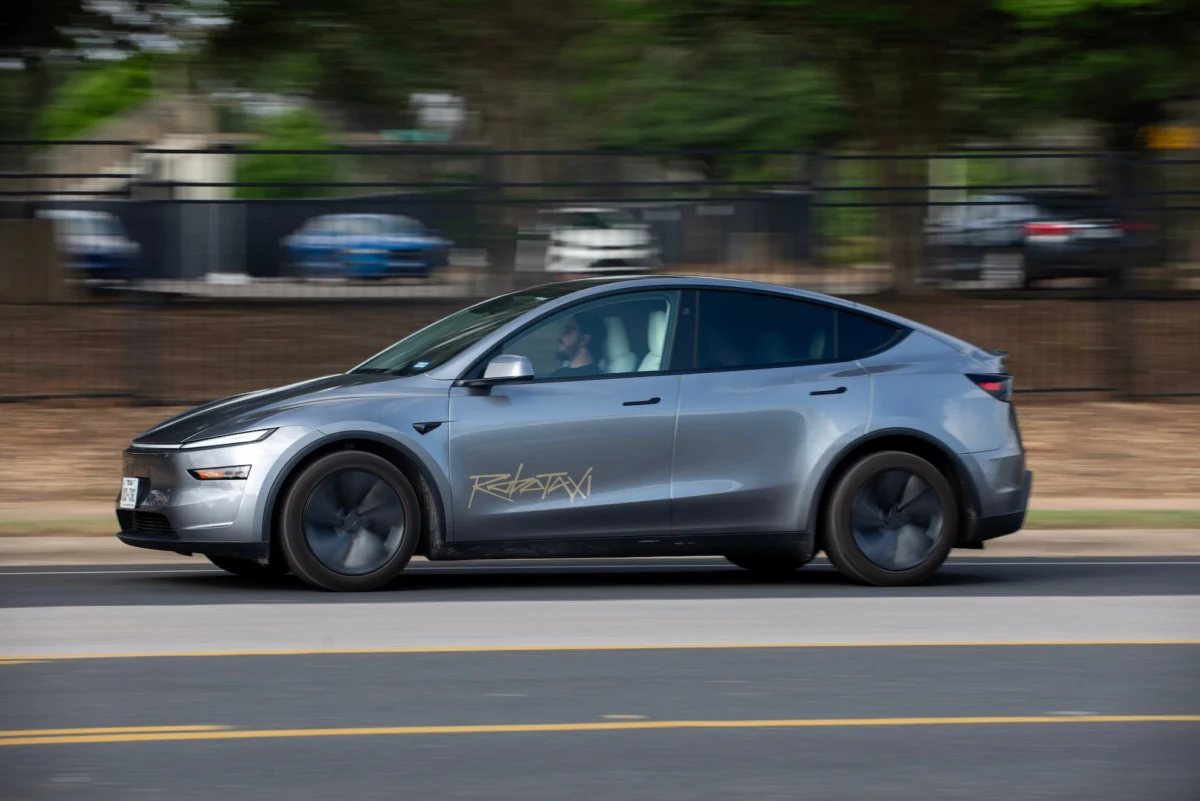
Tesla, the electric vehicle and artificial intelligence company, has announced the expansion of its fully driverless robotaxi service to Dallas and Houston, marking a significant step in the company’s autonomous vehicle ambitions. The expansion, confirmed via a social media post from the company’s official "Robotaxi" account, indicates a continued focus on Texas as a primary proving ground for its self-driving technology. The post, which simply stated, "Robotaxi is now rolling out in Dallas & Houston 🤠," was accompanied by a 14-second video illustrating Tesla vehicles operating without human monitors or drivers in the front seat, underscoring the driverless nature of the service. This move extends Tesla’s driverless operations to a total of three major Texas cities, following its initial launch in Austin last year.
Tesla’s Expanding Autonomous Footprint in the Lone Star State
The introduction of robotaxi services in Dallas and Houston represents a strategic deepening of Tesla’s autonomous vehicle presence within Texas. This expansion comes after the company initiated its robotaxi operations in Austin in June 2025. A pivotal moment in Austin’s service came in January 2026, when Tesla began offering rides without human safety drivers, transitioning from supervised testing to fully autonomous commercial deployment. Texas has emerged as a favored location for autonomous vehicle developers due to its relatively permissive regulatory environment concerning self-driving technology, making it an attractive testing and deployment hub for companies like Tesla, Waymo, and Cruise. The state’s large, sprawling urban centers and predictable weather patterns (compared to regions with heavy snow or fog) also offer ideal conditions for autonomous system development and validation.
The company’s approach to robotaxi deployment in Texas stands in contrast to its more limited ride service offered in the San Francisco Bay Area, which still utilizes human drivers. This distinction highlights Tesla’s two-tiered strategy: pushing the boundaries of fully driverless technology in favorable regulatory and operational environments while maintaining a more conventional, supervised ride-hailing presence where regulatory or technological readiness levels necessitate it. The current expansion into Dallas and Houston suggests that Tesla believes its Full Self-Driving (FSD) software has reached a level of maturity and reliability sufficient for driverless operation in these complex urban environments.
Chronology of Tesla’s Autonomous Vehicle Journey
Tesla’s journey into autonomous driving began more than a decade ago with the introduction of its Autopilot system, which offered advanced driver-assistance features. However, CEO Elon Musk’s vision for a fully autonomous future, specifically a "robotaxi network," has been far more ambitious and subject to a dynamic timeline.
- 2016-2019: Early Promises and FSD Introduction: Musk famously predicted a million robotaxis on the road by 2020. While this projection did not materialize, the company introduced the "Full Self-Driving Capability" package, promising future autonomous features, and began collecting vast amounts of real-world driving data from its customer fleet.
- 2020-2024: FSD Beta Rollout and Iteration: Tesla launched its FSD Beta program, allowing a select group of owners to test pre-release versions of the FSD software on public roads. This "dogfooding" approach, where customers act as de facto test drivers, generated immense data and facilitated rapid iteration of the software, albeit with ongoing debates about its safety and readiness.
- June 2025: Austin Launch with Safety Drivers: Tesla officially launched its robotaxi service in Austin. Initially, these vehicles operated with human safety drivers present, monitoring the system and ready to intervene if necessary. This phase was crucial for gathering city-specific data and refining the software’s performance in Austin’s unique traffic conditions.
- January 2026: Driverless Operations in Austin: A significant milestone was achieved when Tesla removed human safety drivers from its Austin robotaxis, transitioning to fully unsupervised operations. This move placed Tesla alongside a select few companies globally operating truly driverless commercial services.
- February 2026: Austin Crash Data Emerges: Following the transition to driverless operations, a February filing revealed that Tesla’s Austin robotaxis had been involved in 14 crashes since their launch. This data, reported to the National Highway Traffic Safety Administration (NHTSA), brought renewed scrutiny to the safety performance of autonomous vehicles and highlighted the ongoing challenges in achieving perfect safety records.
- Current Expansion: Dallas and Houston Rollout: The latest announcement signifies the direct application of lessons learned from Austin to two new, large metropolitan areas, furthering Tesla’s ambition to scale its driverless technology.
Operational Insights and Supporting Data
While the expansion is official, initial deployment appears to be measured. Crowdsourced data from the Robotaxi Tracker website, which monitors autonomous vehicle activity, currently registers only a single Tesla robotaxi in each of the new cities, Dallas and Houston. This stands in stark contrast to Austin, where 46 active Tesla robotaxis are logged. This discrepancy suggests that the rollout in Dallas and Houston may be in an early, limited testing phase, focusing on mapping, data collection, and system validation within these new environments before a broader fleet deployment. Such a phased approach is common in the autonomous vehicle industry, allowing companies to gradually scale operations as confidence in the system’s performance grows and regulatory requirements are met.
Tesla’s autonomous technology is distinct in its reliance on a "vision-only" approach, utilizing an array of cameras around the vehicle to perceive its surroundings, process data through neural networks, and make driving decisions. This contrasts with many competitors, such as Waymo and Cruise, which heavily integrate lidar (light detection and ranging) and radar sensors alongside cameras for a more redundant perception stack. Tesla’s philosophy posits that human drivers primarily rely on vision, and therefore, an advanced AI system should be able to do the same, potentially offering a more scalable and cost-effective solution without the need for expensive lidar units. However, this approach also faces criticism regarding its performance in challenging conditions such as heavy rain, fog, or direct sunlight, where lidar and radar can offer superior object detection and ranging capabilities.
Safety, Regulatory Scrutiny, and Public Perception
The 14 crashes reported in Austin since the robotaxi service’s launch underscore the inherent complexities and challenges associated with deploying autonomous vehicles on public roads. While the specifics of these incidents (e.g., fault, severity, type of collision) were not fully detailed in the original report, such data is critical for regulatory bodies like the NHTSA to assess the safety performance of autonomous driving systems. The NHTSA requires incident reporting for vehicles equipped with advanced driver-assistance systems and autonomous driving capabilities, allowing for ongoing monitoring and investigation into potential safety defects or operational limitations.
The safety debate surrounding autonomous vehicles is multifaceted. Proponents argue that AVs, free from human error, fatigue, or distraction, will ultimately lead to a significant reduction in road fatalities and injuries. Critics, however, point to the current limitations of the technology, the challenge of "edge cases" (unusual or rare driving scenarios), and the difficulty in establishing clear lines of accountability when accidents occur. Public trust remains a critical factor in the widespread adoption of robotaxis. High-profile incidents, even minor ones, can significantly erode public confidence and slow down deployment efforts. Companies like Tesla must navigate this delicate balance, demonstrating safety and reliability while continuously improving their technology.
Broader Impact and Implications
The expansion of Tesla’s robotaxi service into Dallas and Houston carries significant implications for the autonomous vehicle industry, urban transportation, and the future of mobility.
- Competitive Landscape: Tesla’s move intensifies competition within the burgeoning robotaxi market. Waymo (an Alphabet company) and Cruise (majority-owned by General Motors) are prominent players, with Waymo operating fully driverless services in Phoenix and San Francisco, and Cruise having recently resumed limited operations after a significant pause due to a safety incident. Tesla’s expansion signals its intent to capture a substantial share of this future market, leveraging its extensive vehicle fleet and in-house software development.
- Urban Mobility Transformation: The long-term vision for robotaxis promises a transformation of urban mobility, potentially reducing traffic congestion, the need for personal vehicle ownership, and parking infrastructure. With a driverless fleet, ride-hailing services could become significantly more cost-effective, potentially making them more accessible to a broader demographic.
- Economic Implications: The widespread adoption of robotaxis could have profound economic effects, including the redefinition of the ride-hailing and logistics industries, potential impacts on employment for professional drivers, and new opportunities in vehicle maintenance, software development, and urban planning.
- Regulatory Evolution: As more autonomous vehicles hit the road, regulatory frameworks will continue to evolve. States and municipalities will need to develop comprehensive policies addressing licensing, insurance, liability, and operational standards for driverless cars. Texas’s current approach provides a blueprint for other states considering similar policies.
- Technological Validation: Each new city deployment provides invaluable real-world data, pushing the boundaries of autonomous technology. Navigating diverse road conditions, traffic patterns, and local driving behaviors in Dallas and Houston will further test and refine Tesla’s FSD software, contributing to its overall robustness and reliability.
The Road Ahead
Tesla’s expansion into Dallas and Houston represents another bold step in its pursuit of a fully autonomous future. While the initial deployment appears to be cautious, the long-term goal remains clear: to establish a widespread network of driverless vehicles capable of providing on-demand transportation. The success of this expansion will depend on several factors, including the continued improvement of its FSD software, its ability to maintain a strong safety record, its capacity to scale operations efficiently, and its effectiveness in gaining public acceptance and trust. The autonomous vehicle race is far from over, but Tesla’s latest move firmly positions it as a key contender in shaping the future of transportation, particularly within the receptive regulatory landscape of Texas. The coming months and years will reveal how quickly Tesla can ramp up its operations in these new markets and whether its vision-only approach can truly deliver on the promise of safe, scalable, and ubiquitous robotaxi services.