Galang Taruna
Portable gaming consoles have experienced a remarkable resurgence and diversification in recent years, evolving from niche devices into a vibrant market segment catering to a wide array of gaming preferences. This renaissance, initially spurred by the innovative Nintendo Switch and later invigorated by Valve’s Steam Deck, has witnessed an influx of new manufacturers and technological advancements, broadening the scope from traditional console experiences to powerful portable PCs and dedicated retro-gaming machines. The global handheld gaming console market, valued at an estimated $16.5 billion in 2023, is projected to continue its robust growth, driven by consumer demand for high-fidelity gaming on the go, technological miniaturization, and the increasing accessibility of vast digital game libraries.
A Brief History of Handheld Gaming’s Enduring Appeal
The concept of portable gaming is far from new, tracing its roots back to the groundbreaking Nintendo Game Boy, which first popularized handheld entertainment in Europe in 1990. This iconic device, followed by generations of Nintendo handhelds like the Game Boy Advance and Nintendo DS, established a clear demand for gaming experiences untethered from television screens. Sony’s PlayStation Portable (PSP) and PlayStation Vita later introduced more powerful, multimedia-rich alternatives, pushing the boundaries of what was possible in a compact form factor. However, the market saw a period of relative stagnation, largely due to the rise of smartphone gaming, which offered casual experiences at a lower barrier to entry. The true catalyst for the current boom arrived with the Nintendo Switch, which masterfully blended home console and portable gaming, followed by Valve’s audacious entry into the portable PC space with the Steam Deck, proving that a robust PC gaming experience could indeed fit in the palm of one’s hands.
Market Dynamics and Key Trends Driving Innovation
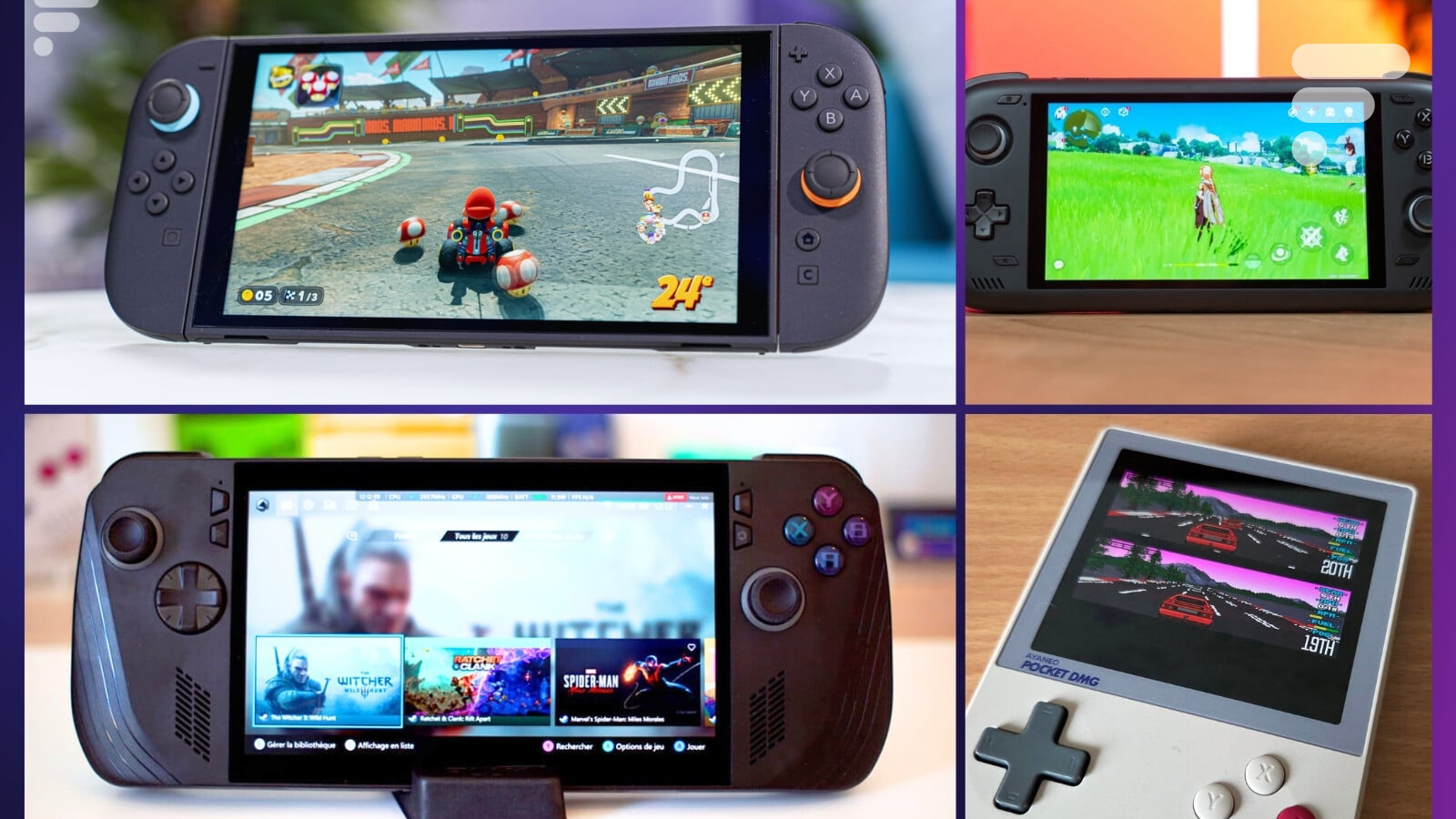
The current landscape of portable gaming is characterized by several key trends. Firstly, there is a clear bifurcation: traditional, closed-ecosystem consoles like the Nintendo Switch line continue to thrive on exclusive titles and ease of use, appealing to a broad demographic including families and casual gamers. Secondly, the emergence of "portable PC consoles" running Windows or SteamOS has dramatically expanded the capabilities of handheld devices, allowing users to access their extensive PC game libraries on the go. This segment, led by Valve, Asus, Lenovo, and MSI, focuses on raw power, high refresh rate displays, and PC-level versatility. Thirdly, Android-based handhelds occupy a niche for mobile gaming and advanced emulation, offering flexibility and often a more budget-friendly entry point. Finally, the retro-gaming market has seen a surge in dedicated handhelds, combining nostalgic designs with modern hardware capable of emulating classic systems with fidelity. This diversification reflects a mature market where manufacturers are keenly responding to varied consumer demands for performance, portability, game access, and nostalgic appeal.
Deep Dive into the Leading Portable Consoles of 2026
This comprehensive guide explores the best portable consoles available on the market, categorized by their primary appeal and technological prowess.
1. Nintendo Switch 2: The Evolved Hybrid Standard
Rating: 7/10
Price: €419 on Amazon
The Nintendo Switch 2 stands as the most straightforward and, for many, the most accessible entry into modern portable gaming. Representing a significant evolution of Nintendo’s celebrated hybrid console, it addresses many of the criticisms leveled against its predecessor. A major highlight is its substantially increased processing power, courtesy of a new Nvidia Ampere-based graphical architecture. This upgrade enables smoother performance and, crucially, the ability to run more demanding titles like Cyberpunk 2077 with optimized settings, a feat unimaginable on the original Switch.

The console also boasts a larger 8-inch Full HD LCD screen with a 120 Hz refresh rate, a notable improvement for fluidity, though the choice of LCD over OLED may disappoint some who enjoyed the vibrant contrasts of the Switch OLED. Enhanced 4K compatibility via an improved dock further blurs the line between handheld and home console. Design-wise, the Switch 2 maintains a clean aesthetic with more premium finishes. The adjustable, reinforced kickstand is a welcome addition, as are the redesigned Joy-Cons. These controllers are slightly larger, attach magnetically for a more secure connection, and feature refined haptic feedback, significantly enhancing the tactile experience.
However, battery life remains a critical concern. With a battery comparable to a high-end smartphone, intensive gaming sessions often yield only 1.5 to 2 hours of play, and a full recharge, even with the included 60W charger, can take over three hours. Despite these power limitations, the Switch 2’s primary allure lies in Nintendo’s unparalleled library of exclusive first-party titles, which continues to expand, making it an indispensable device for fans of Nintendo’s unique gaming philosophy.
Alternative: The Nintendo Switch OLED
For those seeking a more budget-conscious option or prioritizing display quality over raw power, the original Nintendo Switch OLED, retailing around €300, remains an excellent choice. Its 7-inch OLED screen offers superior blacks and contrast, which many gamers still prefer for a portable experience, especially if the graphical enhancements of the Switch 2 are not a primary concern.
2. The Ascent of Portable PC Powerhouses
This category represents the cutting edge of handheld gaming, offering PC-level performance in a portable format.

-
Asus ROG Xbox Ally X (Z2 Extreme): The Xbox Powerhouse
Rating: 7/10
Price: €899 on AmazonThe Asus ROG Xbox Ally X is the product of a strategic collaboration between Microsoft and Asus, aiming to deliver a premium portable PC gaming experience with a distinct Xbox flavor. It merges an established, ergonomic design with formidable hardware. Weighing in at 715 grams, it’s a substantial device, yet its 7-inch LCD screen, featuring a 120 Hz refresh rate and FreeSync Premium VRR support, impresses. Our tests recorded a peak brightness of 480 cd/m² and an average Delta E00 of 1.64, indicating excellent display quality for a portable device.
Under the hood, the Ally X is powered by an AMD Ryzen AI Z2 Extreme processor. While our benchmarks showed some performance variations compared to initial expectations, it unequivocally stands as one of the most powerful handhelds in our selection, capable of running demanding PC titles. The software experience, particularly the integrated Xbox mode, is still in its nascent stages, suggesting room for optimization. A significant improvement is the 80 Wh battery, which extends gaming sessions to a maximum of 4 hours in silent mode and supports Power Delivery for faster charging. The Asus ROG Xbox Ally X is a compelling option for those new to the portable PC gaming segment, offering a powerful, well-designed device, though potential buyers might consider waiting for software refinements.
-
Valve Steam Deck (OLED): The Portable PC Benchmark
Price: €899 on AmazonThe Valve Steam Deck has rapidly established itself as a benchmark in portable PC gaming. The new OLED version brings a host of significant enhancements over the original LCD model, primarily centered around its stunning display. The new 7.4-inch OLED screen elevates the visual experience with deeper blacks, wider viewing angles, and a brighter output, while boosting the refresh rate from 60 Hz to 90 Hz for smoother gameplay.
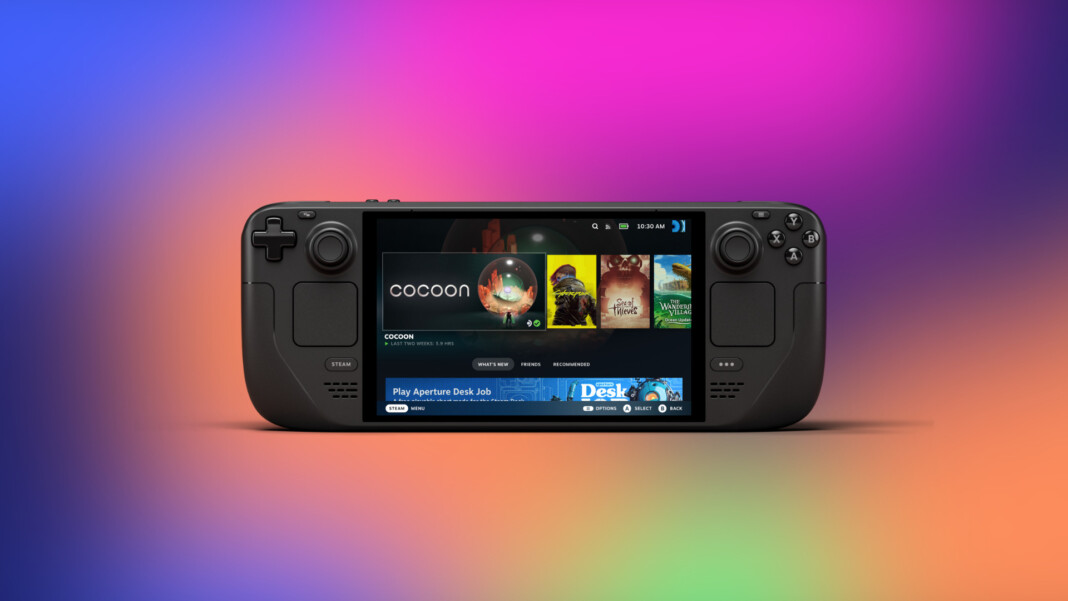
Powered by an AMD processor with a 6nm APU and 16GB of LPDDR5 RAM, the Steam Deck OLED offers efficient performance with reduced heat output. It consistently delivers playable frame rates (around 30 fps) for recent demanding titles. Battery life is another area of significant improvement; the 50 Wh battery allows for 3 to 8 hours of intensive gaming and even longer for video playback, making it one of the most enduring portable consoles on the market. Connectivity is also upgraded with Wi-Fi 6E and Bluetooth 5.3. Despite a slightly higher price point, the Steam Deck OLED is widely regarded as the most balanced and value-for-money portable PC gaming console, offering an unparalleled experience for Steam users.
-
Lenovo Legion Go: The Ultimate in Versatility
Rating: 8/10
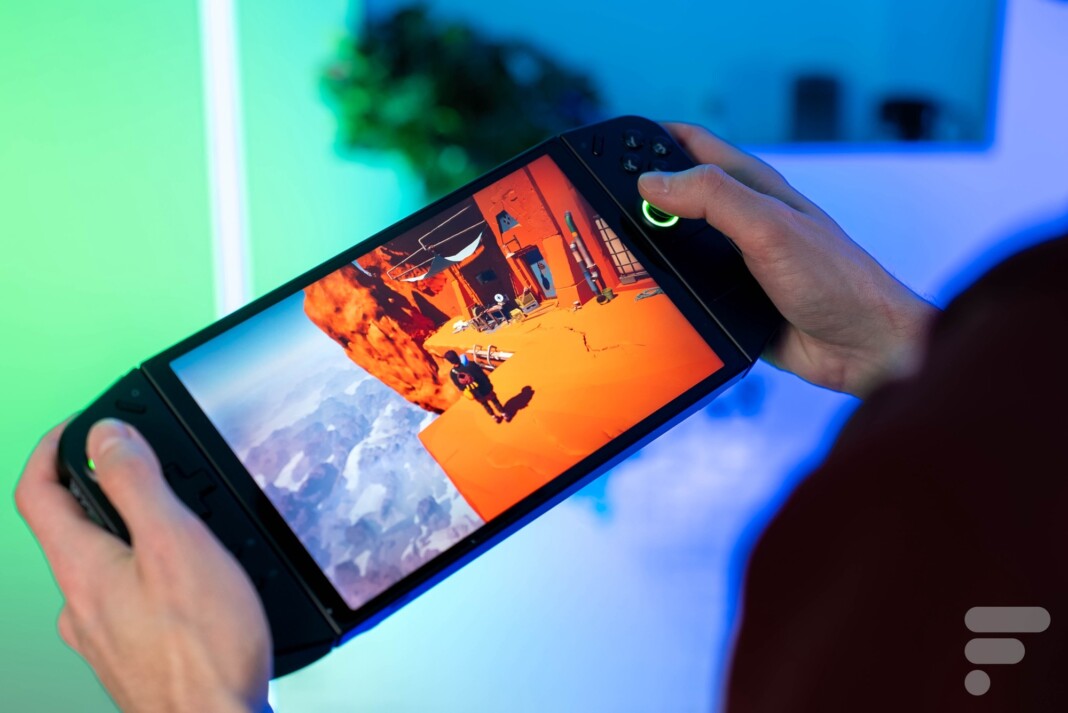
Price: €1,099 on LenovoThe Lenovo Legion Go distinguishes itself through its ambitious versatility, offering a unique modular design. Despite its imposing initial appearance and a substantial weight of 854 grams, its massive 8.8-inch display is a standout feature. Boasting a 2560 x 1600 pixel resolution and an impressive 144 Hz refresh rate, it provides an expansive and fluid visual experience.
Inspired by the Nintendo Switch OLED, the Legion Go includes an integrated kickstand and detachable controllers, mirroring the Joy-Con concept but with an Xbox-like button layout for familiar ergonomics. Its adaptability is a core strength, featuring a unique FPS mode where the right controller transforms into a mouse, utilizing a built-in touchpad for precise control. This allows for comfortable Windows navigation, especially when connected to an external monitor or TV. Furthermore, its USB-C 4.0 ports support external GPU (eGPU) connectivity, transforming it into a formidable gaming rig when docked.
Performance-wise, the Legion Go utilizes the capable AMD Ryzen Z1 Extreme chip, though the Legion Space software could benefit from further optimization. Battery life, sustained by a 49.2 Wh battery, reaches approximately 3 hours in energy-saving mode, which is understandable given the large, high-resolution display. The Lenovo Legion Go is an innovative and versatile console for gamers who value adaptability and a large screen, earning its place among the top contenders.
-
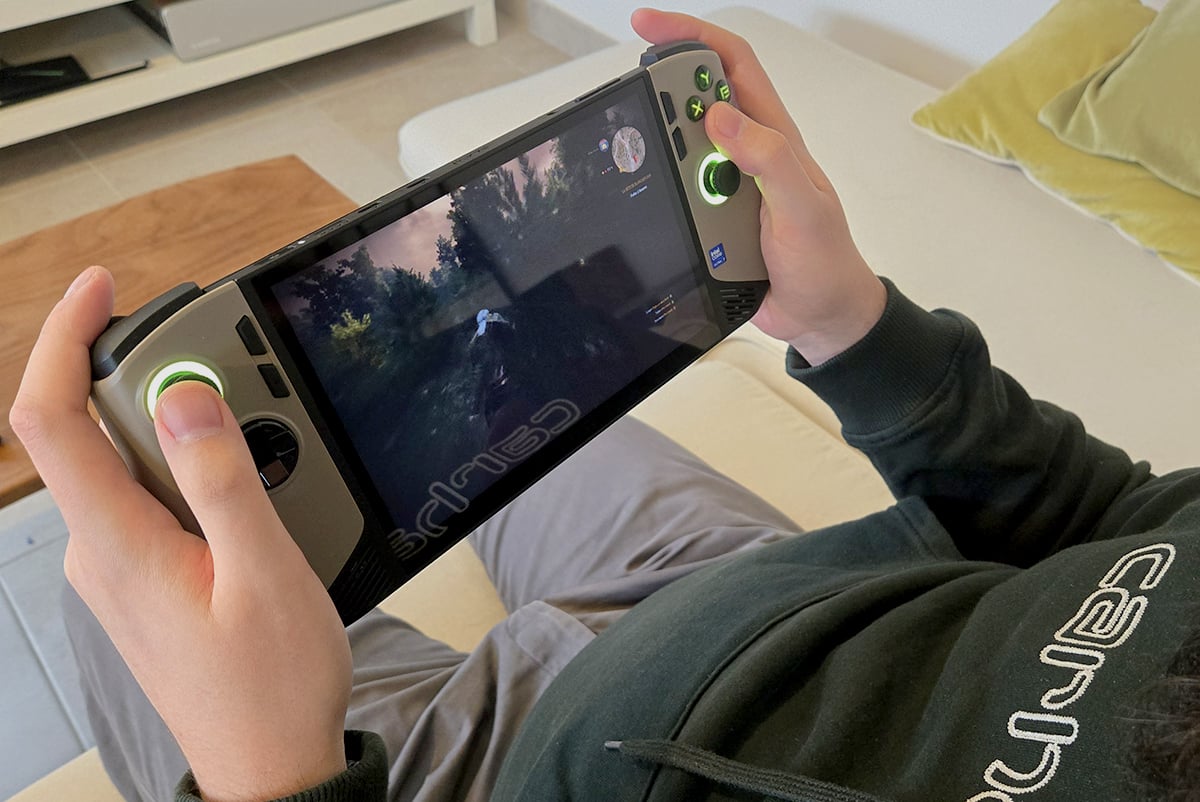
MSI Claw 8 AI Plus A2VM: A Formidable Contender
Rating: 9/10
Price: €1,000 on FnacThe MSI Claw 8 AI Plus represents a significant leap forward from its predecessor, the Claw 7, particularly in design and processing power. It features a beautiful 8-inch IPS LCD display with VRR (Variable Refresh Rate) compatibility and a 120 Hz refresh rate. The redesigned chassis is visually appealing, incorporating customizable RGB LEDs on the joysticks and ABXY buttons, while the Hall-effect joysticks and triggers promise enhanced durability and precision.
Internally, the Claw 8 AI Plus is powered by a cutting-edge Intel Core Ultra processor, directly challenging AMD Ryzen Z1 Extreme-equipped rivals like the ROG Ally. Its innovative cooling system efficiently manages thermals, ensuring optimal performance even during extended gaming sessions, all while maintaining a discreet acoustic profile. The 80 Wh battery offers improved autonomy, and connectivity is robust with two Thunderbolt 4 ports, enabling versatile external display connections. While the promised AI integration currently lacks substantial impact, the console’s raw power and refined design make it a strong competitor. Its launch price is somewhat elevated, suggesting that potential buyers might benefit from observing future price adjustments.
3. Android’s Niche: Mobile Gaming and Emulation
These consoles leverage the Android ecosystem for a diverse range of mobile games and advanced emulation.
-
Razer Edge: The Android Gaming Powerhouse
Rating: 7/10
Price: €379 on AmazonRazer, a prominent name in gaming peripherals, has entered the portable console arena with the Razer Edge. This device adopts a modular design, featuring a central smartphone-like unit flanked by detachable Razer Kishi V2 Pro controllers that connect via USB-C. The 6.8-inch AMOLED display, with a 20:9 aspect ratio and a maximum refresh rate of 144 Hz (calibrated to 120 Hz), delivers vibrant visuals. With a maximum brightness of 447 cd/m² and an average Delta E of 3.42, the screen offers a quality viewing experience.
Connectivity includes USB-C 3.0, Wi-Fi 6E, Bluetooth 5.2, and a 3.5mm mini-jack port, along with a webcam for streaming capabilities. A microSD card slot provides expandable storage. While the sound system is a minor drawback, the device’s ability to stream games to Facebook Live and YouTube is a unique, albeit niche, feature.
Under the hood, the Razer Edge is equipped with a Qualcomm Snapdragon G3x Gen 1 SoC, an enhanced version of the Snapdragon 888+, complemented by 6GB of LPDDR5 RAM and 128GB of storage. It handles mobile games admirably, though some graphically intensive titles like Genshin Impact may struggle at maximum settings due to RAM limitations, which also impact high-detail 3D emulation. For cloud gaming platforms like GeForce Now, the screen’s full potential is effectively utilized. The 5000 mAh battery provides approximately 5 to 6 hours of gaming. Priced at €499, the Razer Edge feels somewhat like a gaming smartphone assembled into a console. It is highly recommended for dedicated mobile gamers, but others might find more comprehensive experiences with competitors.
-
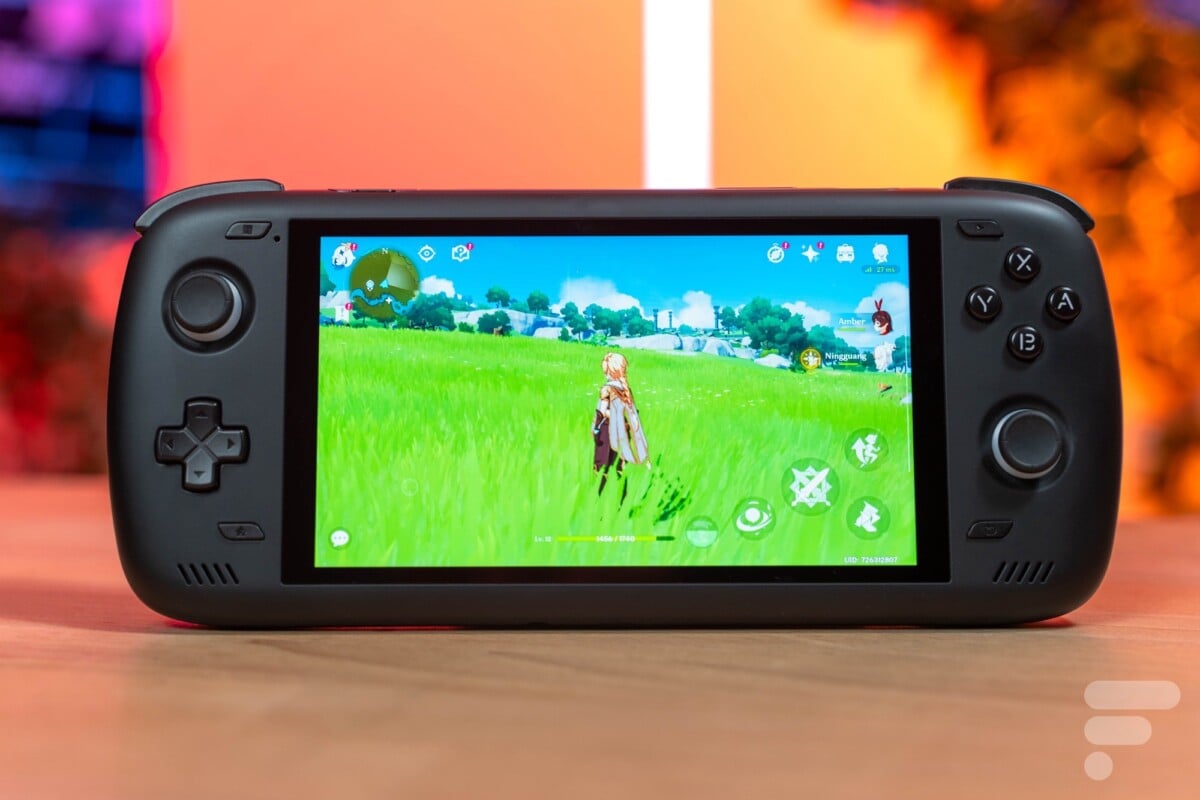
AYN Odin 2: The Android Emulation Champion
Rating: 9/10
Price: €299 on AYN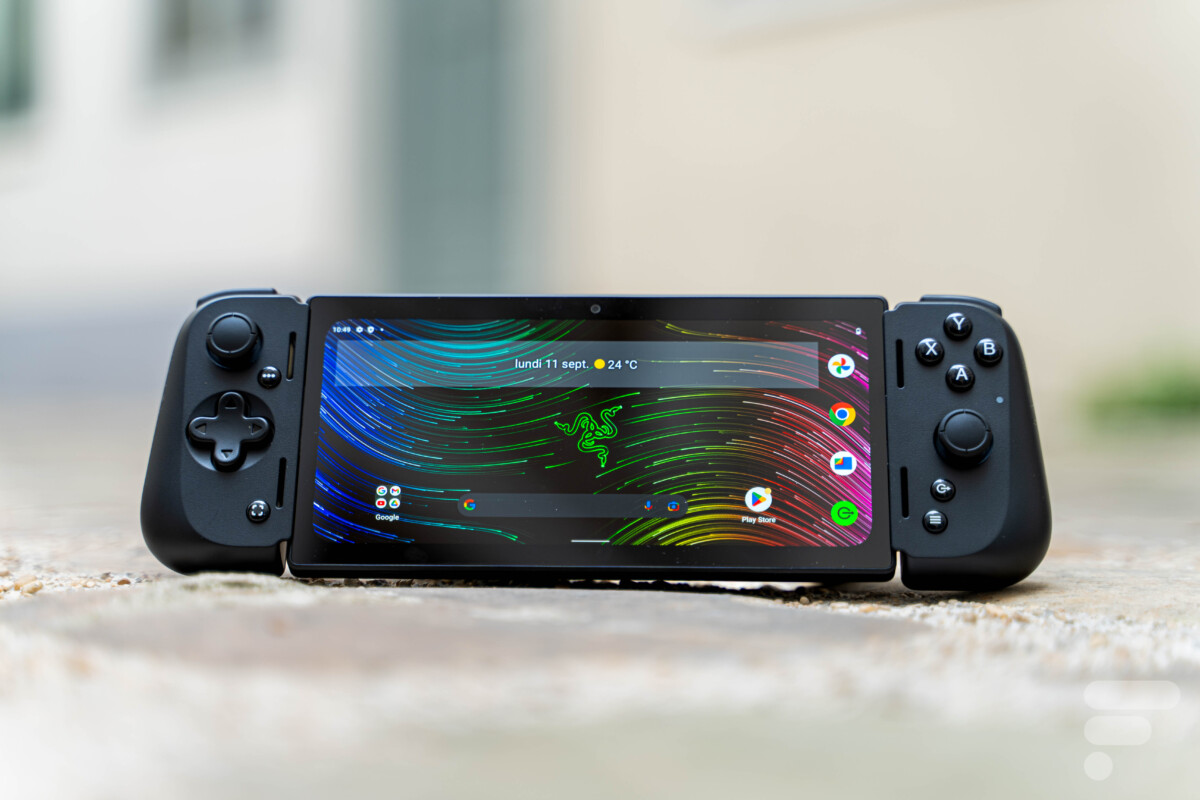
The AYN Odin 2 Pro stands out as a highly successful Android-based portable console, particularly praised for its exceptional ergonomics and refined design compared to its predecessor. Despite its compact form factor, it integrates a 6-inch IPS LCD screen with a 1920 x 1080 pixel resolution. While the multi-touch display is limited to a 60 Hz refresh rate and color fidelity is not its strongest suit, maximum brightness is excellent.
Running on Android 13, the Odin 2 offers extensive customization options, allowing users to prioritize performance or battery life. Its performance is stellar, thanks to top-tier components: a Qualcomm Snapdragon 8 Gen 2 SoC, supported by 12GB of LPDDR5 RAM, and the Adreno 740 GPU. It also features Wi-Fi 7 and Bluetooth 5.3 for robust connectivity. An active cooling system ensures optimal performance without throttling.
Battery life is another strong point, with the device lasting a minimum of 5 hours under heavy load and up to 10-11 hours with lighter use. The AYN Odin 2 is available in three variants: the base model (8GB RAM, 128GB storage) for $299, the Pro model (12GB RAM, 256GB storage) for $369, and the Max model (16GB RAM, 512GB storage) for $459, exclusively available on the brand’s official website. The AYN Odin 2 is a reference for Android gaming and emulation, offering an outstanding balance of power, ergonomics, and battery life.
4. Nostalgia Revived: Top Retro Gaming Handhelds
For enthusiasts of classic games, these devices offer a curated experience designed to evoke the golden age of gaming.
-
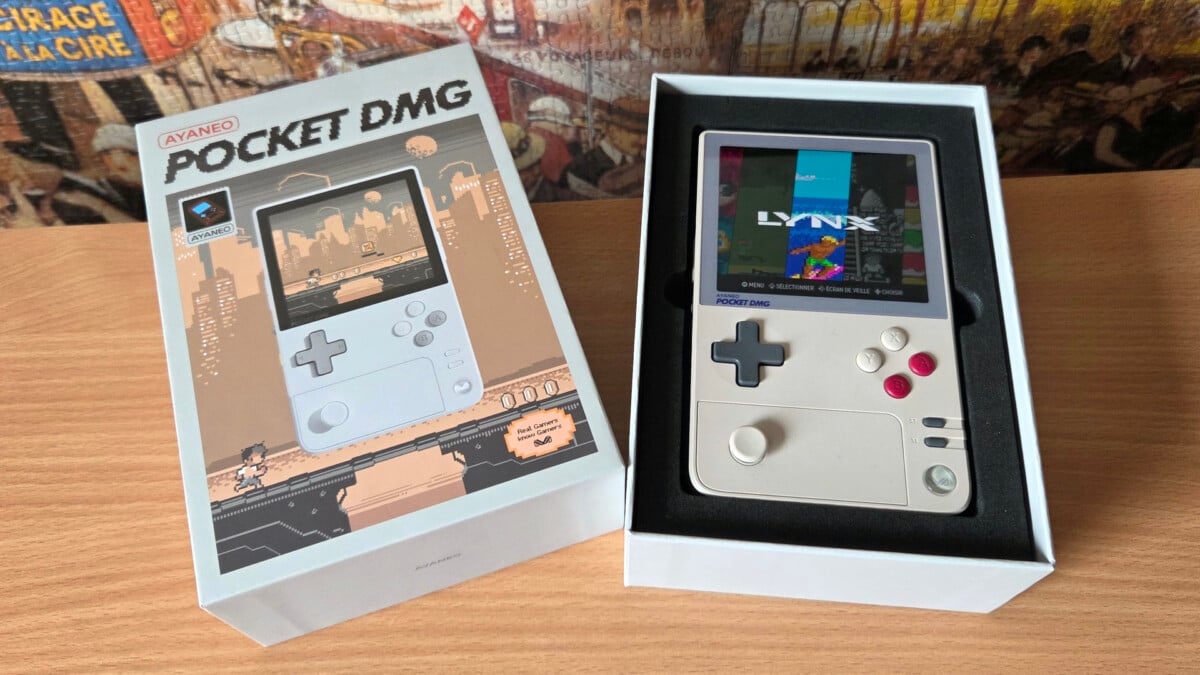
Ayaneo Pocket DMG: The Modern Game Boy Homage
Rating: 9/10The Ayaneo Pocket DMG is a dedicated retro-gaming handheld that masterfully blends nostalgic design with modern technology. Its aesthetics are a clear homage to the iconic 1989 Game Boy, yet it distinguishes itself with a superb 3.92-inch OLED screen boasting a 1240 x 1080 pixel resolution. This display delivers vibrant colors and deep blacks, offering a premium visual experience for classic titles.
Internally, the console is powered by a Qualcomm Snapdragon G3x Gen 2 SoC, coupled with up to 16GB of RAM and 1TB of storage, providing robust performance for emulating virtually any retro game. Its Android-based operating system features multiple pre-installed overlays optimized for emulation. Ergonomically, the Pocket DMG is well-designed, featuring a D-pad, four front-facing buttons, rear triggers, and a small analog stick reminiscent of the Nintendo 3DS. A tactile pad serves as a secondary stick, though its precision for FPS games can be limited. Additional buttons and a scroll wheel are strategically placed on the sides. With an honest battery life of around ten hours (depending on game intensity), the Ayaneo Pocket DMG offers a compelling package for 90s/2000s retro-gaming enthusiasts, albeit at a premium price.
-
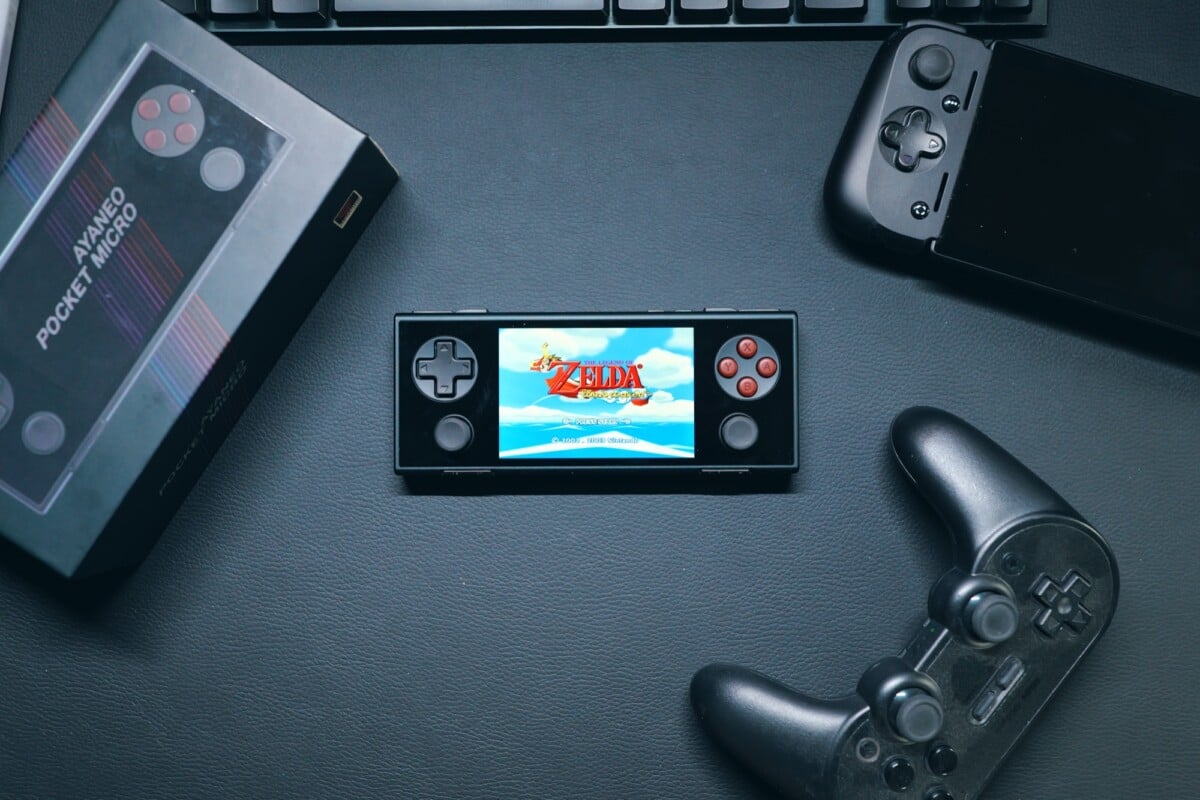
Ayaneo Pocket Micro: The Compact Retro Companion
Rating: 8/10
Price: €199 on AyaneoThe Ayaneo Pocket Micro presents itself as a compact retro-gaming handheld, praised for its excellent build quality and comfortable feel in hand, weighing a mere 233 grams. Its 3.5-inch IPS screen is perfectly adequate for gaming, while the button layout is intuitive for seasoned players. Performance-wise, it can emulate systems up to the PlayStation 2, thanks to the MediaTek Helio G99 SoC, which is well-suited for retro-gaming applications.
Battery life is solid, providing up to 6 hours of continuous gameplay. Priced at €199, it is slightly more expensive than some comparable retro handhelds. The Ayaneo Pocket Micro is an ideal choice for retro enthusiasts seeking a high-quality, compact device, offering a premium experience for classic titles.
-
Anbernic RG353M: The Emulation Workhorse
The Anbernic RG353M offers a horizontal form factor akin to the Game Boy Advance, distinguished by its premium aluminum body and superior finishes. It is more powerful than many entry-level retro handhelds, featuring an improved chip and 2GB of RAM. This enables it to run games from more recent consoles and interfaces, including Android games, N64, Nintendo DS, PSP, and Game Boy Advance titles, offering a broader emulation capability. Available around €249, it represents a strong option for comprehensive retro-gaming. For those preferring original hardware, vintage consoles like the 3DS or Game Boy can still be found through second-hand retailers or online marketplaces.
Choosing Your Portable Powerhouse: Key Considerations
Selecting the ideal portable gaming console in 2026 involves weighing several factors:
- Game Library and Ecosystem: Do you prefer exclusive titles (Nintendo Switch 2), your existing PC game library (Steam Deck, ROG Ally), or mobile and emulated games (Android handhelds, retro consoles)?
- Performance vs. Portability: High-end PC handhelds offer immense power but can be heavier and have shorter battery lives. More compact options prioritize portability.
- Display Quality: OLED screens offer superior contrast and colors, while high refresh rate LCDs provide smoother visuals.
- Budget: Prices range from under €200 for basic retro consoles to over €1,000 for top-tier PC handhelds.
- Ergonomics and Design: Comfort during extended play sessions is crucial, as are features like detachable controllers or kickstands.
- Connectivity: Wi-Fi 6E/7, Bluetooth 5.3, and USB-C (especially with eGPU support) enhance versatility.
For the broadest appeal, the Nintendo Switch 2 or the Steam Deck OLED often emerge as top recommendations, balancing performance, game access, and user experience. However, the market is rich with specialized options, ensuring that every type of gamer can find a portable companion tailored to their specific needs.
The Future Outlook for Portable Gaming
The portable gaming market is poised for continued innovation. We can anticipate further advancements in processor efficiency, leading to better battery life without compromising performance. Display technologies will likely continue to evolve, with higher resolution, refresh rates, and possibly more widespread adoption of OLED in PC handhelds. The integration of cloud gaming services will become even more seamless, expanding game access beyond local storage limitations. Furthermore, as AI capabilities become more refined, we may see more practical applications within gaming handhelds, potentially improving game optimization or personalized experiences. The competition among manufacturers is driving rapid progress, promising an exciting future for gaming on the go.
In conclusion, the portable gaming landscape of 2026 is characterized by unprecedented diversity and technological sophistication. From the hybrid versatility of the Nintendo Switch 2 to the raw power of portable PC handhelds like the Steam Deck OLED and ROG Ally, and the nostalgic charm of dedicated retro consoles, there has never been a better time to embrace gaming on the move. Each category and device offers a unique value proposition, ensuring that gamers of all preferences and budgets can find a compelling reason to dive into the world of portable entertainment.