
 George Chandra Eka
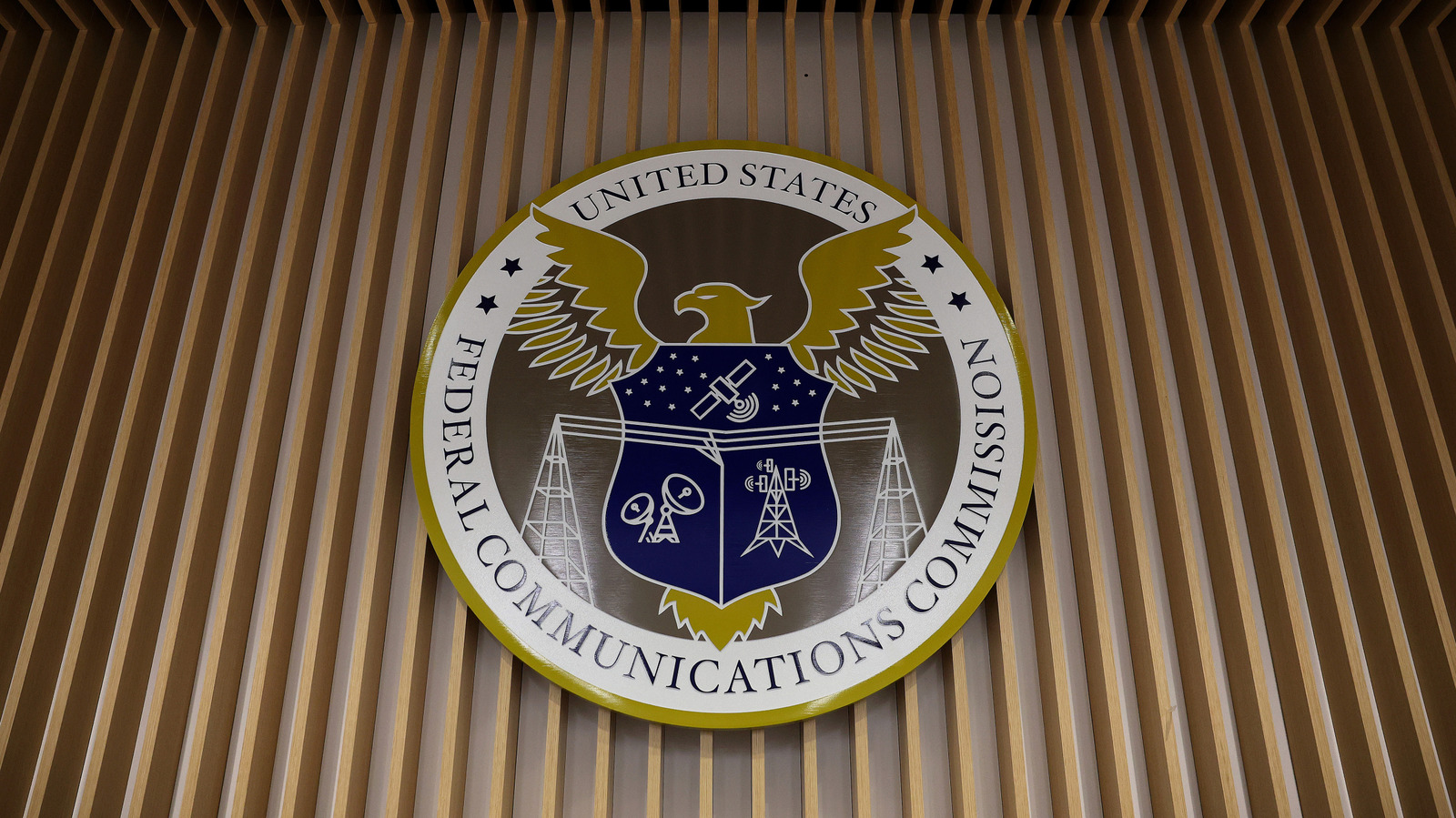
The United States Federal Communications Commission (FCC) has unveiled a comprehensive set of three interconnected proposals aimed at significantly reshaping the landscape of wireless connectivity. These ambitious plans, slated for a vote later this month, predominantly center on enhancing direct-to-device (D2D) communications and expanding spectrum access for emerging technologies, most notably unmanned aerial vehicles (UAVs). The agency’s proactive stance underscores a strategic pivot towards fostering more flexible and resilient communication infrastructures, crucial for meeting the escalating demands of an increasingly connected world.
Unlocking Direct-to-Device Connectivity: A Paradigm Shift
At the core of the FCC’s agenda is a proposed overhaul of its rules governing direct-to-device (D2D) service. This initiative represents a foundational shift from traditional cellular models, where signals typically route through ground-based cell towers, to a more distributed and potentially satellite-driven architecture. D2D technology enables direct communication between devices, often bypassing intermediary network infrastructure, or, in its more advanced forms, facilitating direct connectivity between standard mobile devices and orbiting satellites. The stated goal of this regulatory reimagining is to "promote more flexible terrestrial, satellite, and hybrid business arrangements," a move designed to stimulate innovation and competition in a burgeoning sector.
The concept of D2D, particularly its satellite-based iteration, holds immense promise for bridging connectivity gaps in remote and underserved areas, where the deployment of traditional cellular towers is economically unfeasible or geographically challenging. Furthermore, it offers a robust solution for maintaining communication during natural disasters or emergencies when terrestrial networks may be compromised. The FCC’s proposals aim to create a more permissive regulatory environment that can accommodate a variety of D2D models, including those that leverage existing cellular infrastructure, those that rely entirely on satellite constellations, and hybrid systems that dynamically switch between the two based on availability and signal strength. This flexibility is critical as the industry explores novel ways to deliver ubiquitous coverage.
The Race to Orbit: Satellite Players and D2D Ambitions
The burgeoning direct-to-device market has attracted significant investment and innovation from both established telecommunications giants and ambitious aerospace companies. Key players are aggressively pursuing strategies to integrate satellite capabilities directly into consumer devices. One of the most prominent examples is SpaceX, whose Starlink division has been at the forefront of deploying a vast constellation of Low Earth Orbit (LEO) satellites. The company recently secured FCC approval for a system comprising 15,000 satellites designed to operate at an altitude of 330 kilometers. This approval is distinct from SpaceX’s earlier efforts to launch a network of orbital data centers aimed at providing compute power for artificial intelligence applications and adds significantly to its existing Starlink network, which already boasts over 11,000 satellites in orbit. SpaceX has also strategically acquired spectrum licenses from EchoStar, positioning itself as a formidable contender in the D2D space, notably through its partnership with T-Mobile to deliver satellite-to-phone service.
SpaceX is not alone in this orbital race. Companies like AST SpaceMobile, in partnership with AT&T and Vodafone, are also developing technology to enable standard, unmodified smartphones to connect directly to satellites. Similarly, Lynk Global has demonstrated direct connectivity with off-the-shelf mobile phones. Tech giants like Apple have already integrated satellite emergency SOS features into their latest iPhones, utilizing Globalstar’s LEO constellation. Amazon, through its Project Kuiper, is another formidable player actively building its own LEO satellite network, with plans to provide broadband internet. While Project Kuiper’s primary focus has been fixed broadband, the FCC’s proposed mid-band spectrum auction, with its explicit mention of D2D operations, could prove "enticing" to Amazon, allowing it to potentially expand its service offerings to include direct mobile device connectivity, mirroring the strategies of its competitors. The FCC’s move to create a more accommodating regulatory framework for D2D is therefore a direct response to, and an enabler of, this intense competition and technological advancement.
Mid-Band Spectrum Auction: Fueling Next-Gen Wireless
Complementing the D2D rule overhaul, the second major proposal from the FCC involves auctioning 25 megahertz of mid-band spectrum. This particular band of spectrum is highly prized within the telecommunications industry due to its optimal balance of coverage area and data capacity, making it ideal for robust 5G and future 6G deployments. Unlike low-band spectrum, which offers extensive coverage but limited capacity, or high-band (millimeter-wave) spectrum, which provides immense capacity but struggles with penetration and range, mid-band spectrum strikes a crucial equilibrium.
The upcoming auction specifically targets use cases such as "flexible-use terrestrial networks, innovative direct-to-device (D2D) operations, or a hybrid of both." This broad definition signals the FCC’s intent to foster a dynamic ecosystem where various technologies and business models can thrive. For traditional cellular carriers, this additional mid-band spectrum would be instrumental in enhancing their 5G networks, improving speeds, reducing latency, and supporting a greater density of connected devices, especially in urban and suburban areas. For companies with D2D ambitions, like Amazon or even existing satellite providers, securing a slice of this mid-band spectrum could provide the necessary frequencies to establish or expand their direct satellite-to-device communication services, offering a dedicated conduit for their innovative offerings.
Previous FCC spectrum auctions, such as the C-band auction which generated over $81 billion in bids, or the Citizens Broadband Radio Service (CBRS) auction, have demonstrated the immense demand and strategic value of mid-band frequencies. This new 25 MHz block, though smaller than some prior allocations, is nonetheless critical. It represents not just a potential revenue stream for the government but also a significant investment opportunity for industry players, which could translate into accelerated infrastructure deployment, job creation, and enhanced wireless services for consumers across the nation. The outcome of this auction will likely shape the competitive landscape for the next generation of wireless technology.
Expanding Horizons for Unmanned Aerial Vehicles (UAVs)
The third significant proposal from the FCC recommends allowing unmanned aerial vehicles, commonly known as drones, to operate on the 800MHz cellular band. Currently, drones are largely prohibited from utilizing this frequency, relying instead on licensed amateur radio bands, Wi-Fi, or proprietary communication links for control and data transmission. This proposed change would open up approximately 50 megahertz of valuable spectrum for UAVs, marking a pivotal moment for the commercial drone industry.
The 800MHz band offers several distinct advantages for drone operations. Its lower frequency allows for longer range communication and better penetration through obstacles like foliage and urban infrastructure, which is crucial for beyond visual line of sight (BVLOS) operations. This enhanced reliability and range would unlock a multitude of advanced commercial applications. Imagine drones capable of delivering packages across vast distances in rural areas, conducting extensive infrastructure inspections of pipelines, power lines, and bridges with real-time data transmission, or supporting precision agriculture by monitoring crop health over large farms. Public safety agencies could leverage 800MHz-enabled drones for extended search and rescue missions, disaster assessment, and emergency response, providing critical situational awareness from above without communication dropouts. Furthermore, it could accelerate the development of urban air mobility solutions, paving the way for drone taxis and advanced logistics.
However, this proposal comes with its own set of complexities, particularly in light of the FCC’s recent actions concerning drone security. Over the past year, the agency has implemented more stringent restrictions on drones deemed security risks, including those containing foreign-made components or equipped with certain technologies like LiDAR. For example, the FCC has moved to ban new foreign-made drones and components from its equipment authorization program and has expressed concerns about drones with LiDAR that it had previously approved, citing potential data security and national security risks. Reconciling the expansion of spectrum access for drones with these heightened security concerns will be paramount. Any new regulatory framework would likely need to include robust provisions for drone registration, operational certifications, cybersecurity standards, and potentially restrictions on the origin of drone hardware and software to ensure national security and public safety are not compromised.
Navigating Security and Regulatory Complexities
The FCC’s ambitious proposals, while promising significant advancements in connectivity and technological capability, inherently introduce complex regulatory and security challenges. For D2D services, especially those leveraging satellite constellations, ensuring equitable access, managing potential interference with existing terrestrial networks, and establishing clear liability frameworks will be critical. The global nature of satellite communication also necessitates international coordination to harmonize spectrum usage and prevent conflicts.
Regarding drones, the integration of UAVs into the 800MHz cellular band requires careful consideration of airspace management, collision avoidance, and the potential for malicious use. The FCC, in collaboration with the Federal Aviation Administration (FAA) and other government agencies, will need to develop comprehensive rules that address not only technical specifications but also operational procedures, pilot training, and data privacy. The very benefits of 800MHz spectrum for drones—its range and penetration—could also make it an attractive target for illicit activities if not properly secured and monitored. Therefore, any new rules will likely be accompanied by strict enforcement mechanisms and ongoing vigilance to mitigate risks.
Broader Implications and the Future of Connectivity
These FCC proposals represent a forward-looking strategy to cement the United States’ leadership in wireless innovation. By fostering D2D connectivity, the agency aims to dramatically expand broadband access, particularly in rural and remote regions, thereby reducing the digital divide. Enhanced D2D capabilities will also bolster disaster resilience, allowing critical communications to persist even when ground infrastructure fails. Furthermore, the expansion of connectivity will fuel the growth of the Internet of Things (IoT), enabling a vast array of connected devices and smart city initiatives.
The opening of 800MHz spectrum for drones could catalyze a new era for the commercial UAV industry, unlocking advanced applications that were previously limited by communication constraints. This could lead to economic growth, job creation in new sectors, and improved efficiency across various industries.
However, the realization of these benefits hinges on the FCC’s ability to craft a robust and adaptable regulatory framework that balances innovation with public interest, security, and fair competition. Potential challenges include managing the increasing complexity of spectrum allocation, ensuring that smaller players can compete with large incumbents in auctions, and effectively integrating new technologies into existing infrastructures without causing undue disruption or interference. The decisions made in the upcoming vote will set the trajectory for wireless innovation for years to come, influencing everything from how we communicate to how industries operate and how emergency services respond.
Upcoming Vote and Industry Watch
The proposals are set to be put to a vote later this month, marking a critical juncture for the telecommunications and aerospace industries. The outcome will be closely watched by a diverse range of stakeholders, including major wireless carriers, satellite operators, drone manufacturers, technology companies, and public safety organizations. A favorable vote would signal the FCC’s commitment to modernizing spectrum policy and embracing disruptive technologies, potentially unleashing a wave of innovation and investment. Conversely, any significant amendments or rejections could alter the pace and direction of these technological shifts. As the digital frontier continues to expand, the FCC’s role in shaping the regulatory environment remains paramount in driving the next generation of connectivity.







