Lina Irawan
Model Oriented Programming (MOP) represents a specialized paradigm in software engineering where the model—a concise, hierarchical representation of complex systems—serves as the primary driver for system creation and maintenance. While the concept has existed in various forms for decades, the evolution of Model Oriented Development (MOD) has recently gained renewed attention as the industry seeks more efficient ways to integrate high-level design with executable code, particularly in the era of artificial intelligence and automated code generation.
The history of this field is marked by both significant technical achievements and challenges in achieving mainstream adoption. In 2011, the development of Mo+, arguably the first fully-featured model-oriented programming language and Integrated Development Environment (IDE), signaled a potential shift in how enterprise projects could be managed. However, despite successful implementations in various workplace environments, the technology struggled to find a foothold among the broader developer community. By 2018, the lead developer of Mo+ transitioned from a career in software engineering to maritime archaeology, building Viking and Anglo-Saxon ships in Scandinavia. Despite this shift, the foundational principles of MOP continue to inform current research into how structured data models can streamline modern software lifecycles.
The Foundational Principles of Model Oriented Programming
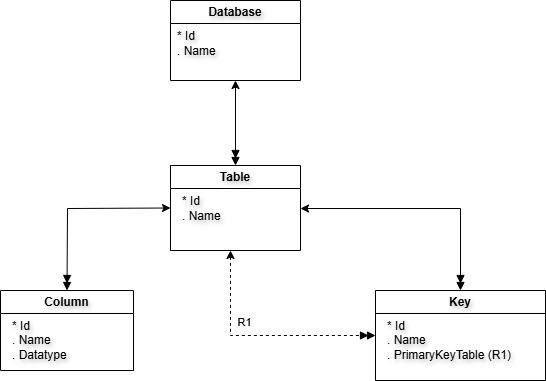
At its core, MOP is built upon the distinction between model structure and model data. A model structure defines the "schema" or the rules of the system, which are inherently hierarchical. This structure is composed of nodes and attributes. For instance, in a relational database, the structure includes nodes such as "database," "table," "column," and "key," which fall into a neat hierarchy.
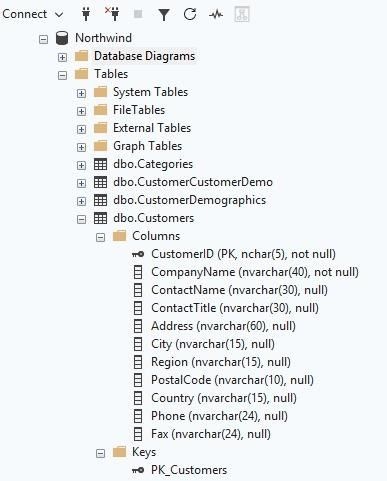
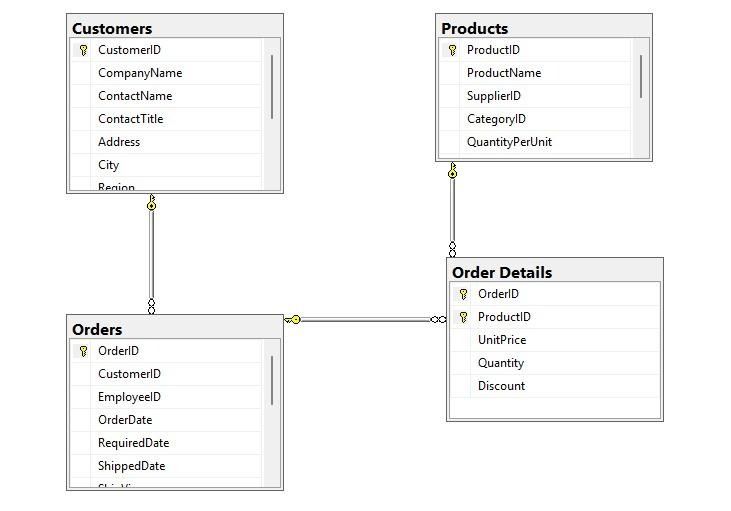
While critics often argue that relational databases are not hierarchical due to cross-references like foreign keys, MOP theorists point out that these relationships are merely attributes within a hierarchical node. By defining nodes at the highest level where they can stand independently, developers can create complex structures that remain manageable within a tree-like architecture.
Defining the MOD Ecosystem
To understand the scope of this technology, industry experts categorize Model Oriented Development (MOD) into four distinct forms:
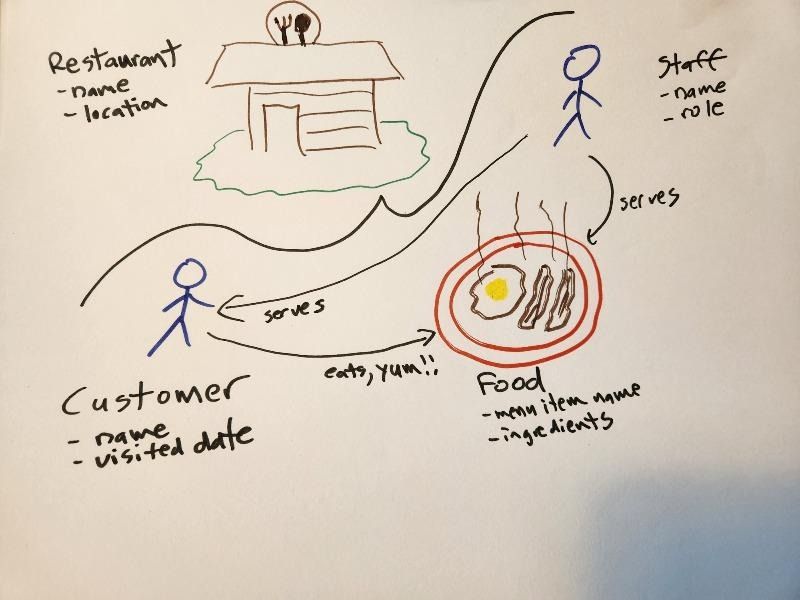
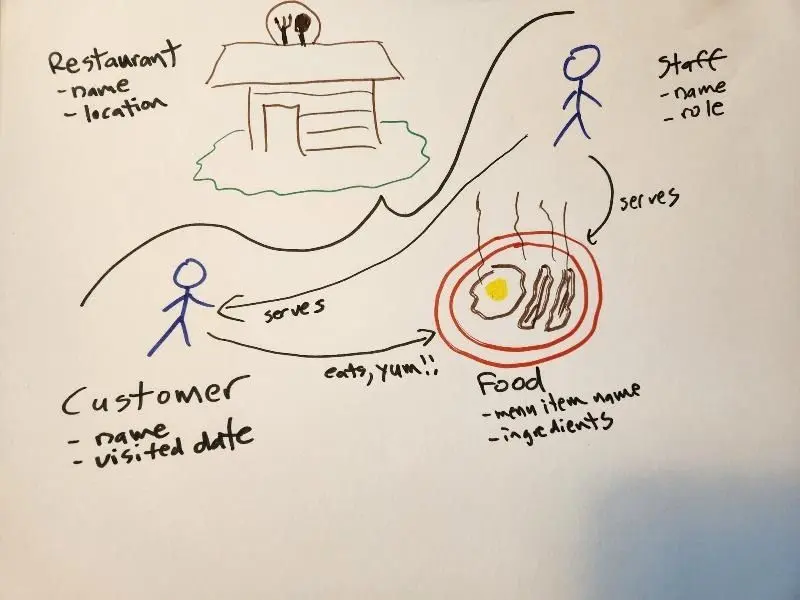
- Informal MOD: This involves non-standardized models, such as whiteboard sketches or conceptual diagrams. These lack a formal electronic definition that a language interpreter can easily parse.
- Inline MOD: Highly popular in modern frameworks, this form uses models defined directly within the code. Examples include Object-Relational Mappings (ORMs) like Entity Framework or NHibernate, and UI frameworks such as Angular and React.
- Coupled MOD: Often associated with Unified Modeling Language (UML), this form couples the model directly with the source code. Tools in this category translate models to code and vice versa, aiming to keep design and implementation in sync.
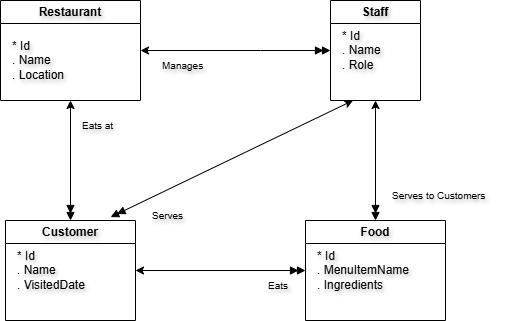
- Decoupled MOD: This form utilizes models primarily to clarify requirements and workflows, rather than specific design components. In this approach, a model element like "Restaurant" does not refer to a specific class but outlines the requirements for various related components across the system.
A Chronology of Model-Driven Evolution
The trajectory of model-oriented technologies can be traced through several key phases of software history:
- The Early Era (1980s–1990s): The emergence of the Shlaer-Mellor method provided an early framework for modeling data and workflows, emphasizing the importance of information models before moving to design.
- The UML Rise (Late 1990s–2000s): The industry attempted to standardize modeling with UML. While successful for documentation, it often created a "sync gap" where the model and the actual code drifted apart over time.
- The Mo+ Development (2011–2014): The launch of Mo+ attempted to solve the sync gap by making the model the grammar of the programming language itself. It was integrated as a Visual Studio add-on, providing a dedicated environment for transitional MOP.
- The Shift to Frameworks (2015–Present): The industry largely moved toward "Inline MOD," where models are embedded in code via decorators and metadata, as seen in modern C# and Java frameworks.
- The AI Integration Phase (2023–Future): There is growing interest in using MOP as a structured "prompting" or "grounding" mechanism for Large Language Models (LLMs) to ensure that AI-generated code adheres to strict architectural hierarchies.
Technical Features of MOP Languages
A fully realized MOP language requires features that differ significantly from traditional Object-Oriented Programming (OOP). One of the most critical concepts is the "Programming Session," a period where the model structure is known and the model data is sealed as read-only. This creates a stable snapshot that allows for advanced language features.
Model Structure as Grammar
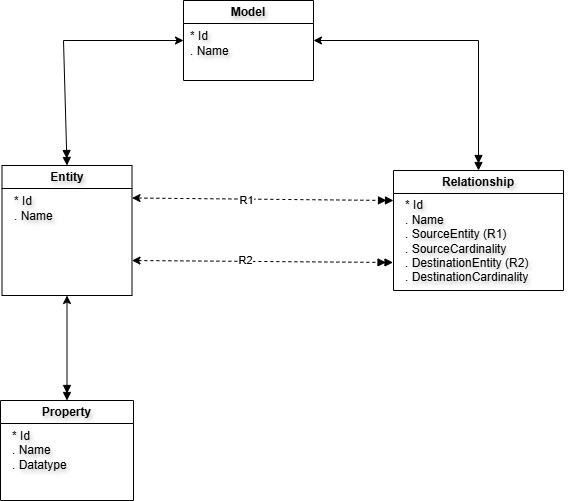
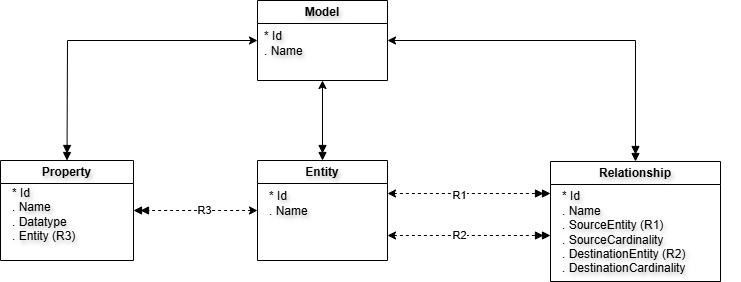
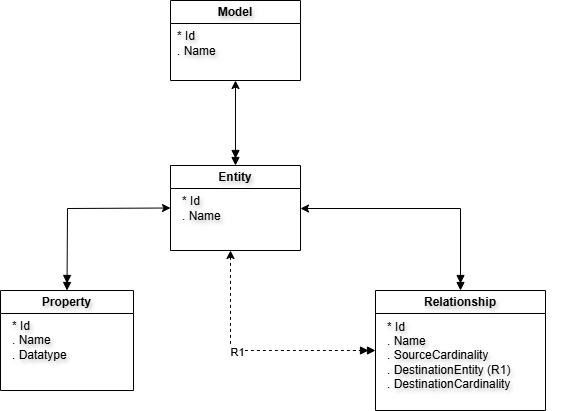
In a MOP environment, the hierarchy of the model becomes part of the language’s grammar. This allows developers to interact with "Entities" or "Properties" directly without needing to instantiate specific classes to represent the model’s metadata. This leads to a "Dynamic Grammar," where the language interpreter modifies its own syntax based on the structure of the model being utilized.
The Model Context Stack
Unlike the object context in OOP, MOP utilizes a "Model Context" that allows for seamless navigation of the model tree. By implementing this as a stack, the language enables developers to access data anywhere in the hierarchy using simple notations (similar to directory navigation like ../). This reduces the need for local variables, as the state is inherently maintained by the position within the model.
Model Oriented Properties
These are independent blocks of code associated with specific nodes in the model structure. For example, an "Entity property" can be defined to generate a public class declaration. These properties are highly reusable and can be utilized as building blocks for complex system generation. Because they are independent and operate on a read-only model, they allow for massive parallelism and caching, significantly improving performance in large-scale system updates.
Industry Implications and Analysis
The potential for MOP to revolutionize software development lies in its ability to enforce "codified best practices." In traditional development, maintaining architectural integrity across a large team is challenging. MOP allows architects to define the "Transitional MOP"—the logic that transforms a model into a target system—ensuring that 80% to 90% of the codebase adheres to predetermined standards.
Challenges to Adoption
Despite the technical advantages, several hurdles remain. The "sync gap" continues to be a concern for many organizations. When a model is updated, the target code must be synchronized without overwriting manual customizations. Current research suggests that "Smart IDEs" with sophisticated diffing tools are necessary to manage the integration of model-generated framework code and custom target code.
Furthermore, the learning curve for MOP is steep. It requires a shift in mindset from imperative programming to a more declarative, model-centric approach. The failure of Mo+ to capture a wider audience a decade ago is often attributed to this cultural barrier rather than technical deficiency.
The Role of Artificial Intelligence
The current surge in AI-assisted development provides a new opportunity for MOP. AI models often struggle with "hallucinations" or inconsistent architectural patterns when generating large codebases. By providing an LLM with a formal MOP structure, developers can provide a "skeleton" that the AI must populate, ensuring that the generated code is both syntactically correct and architecturally sound. This "Target MOP" approach could be the key to making AI-driven development reliable for enterprise-grade systems.
Future Research and Academic Collaboration
As the creator of Mo+ continues to advocate for the potential of these languages, the focus has shifted toward academic and business research. The goal is to explore how model-oriented languages can be integrated into existing ecosystems, perhaps as an enhancement to existing OOP languages rather than a replacement.
Key areas for ongoing study include:
- Type Safety in Target MOP: How to implement rigorous type checking in a language where the grammar is dynamic.
- Graphical IDE Integration: Developing visual tools that allow for the manual and programmatic manipulation of models in real-time.
- Automated Model Importation: Streamlining the process of importing model data from diverse sources like SQL schemas, JSON files, and even natural language requirements.
The transition from software engineering to the physical craftsmanship of Viking ships highlights a fundamental truth about MOP: both disciplines are about understanding the underlying structure that allows a complex system to function and endure. Whether building a seaworthy vessel or a robust enterprise application, the model provides the blueprint for success. As software systems grow in complexity, the industry may find that returning to these foundational modeling principles is the only way to navigate the increasingly turbulent waters of modern development.