Lina Irawan
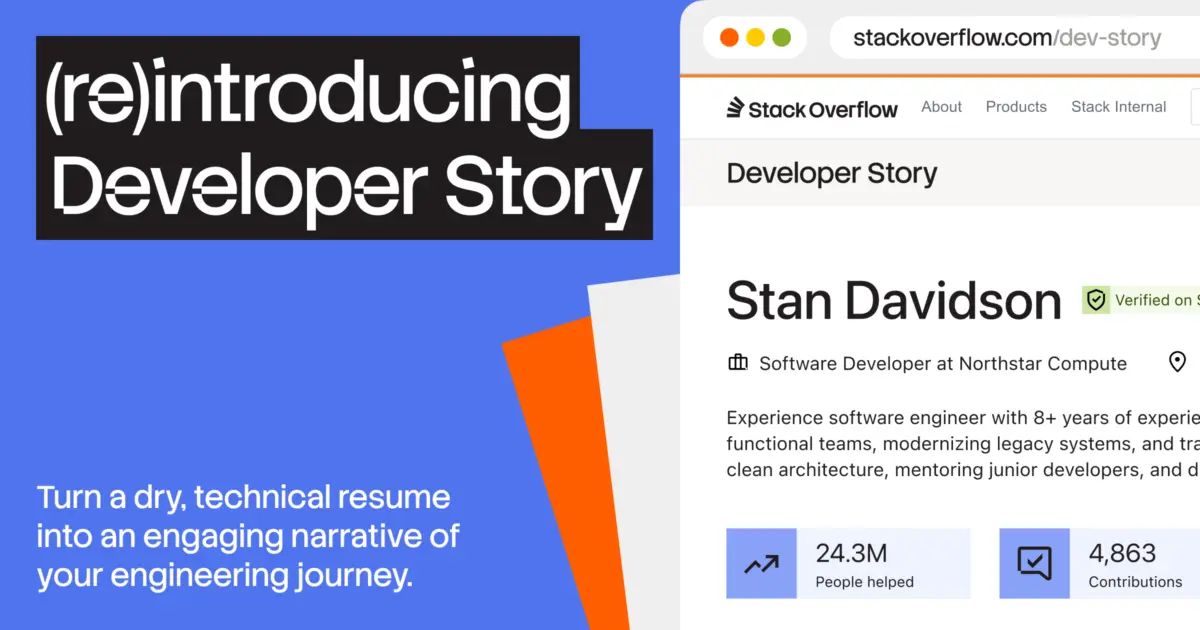
The global landscape for technical recruitment has reached a critical inflection point, characterized by a surplus of candidates and a simultaneous decline in the reliability of traditional screening methods. Stack Overflow, a central pillar of the global developer community, has announced the reintroduction of its "Developer Story" feature, a move designed to address what industry experts describe as a "broken" hiring system. This initiative comes as talent acquisition professionals report an exponential increase in the difficulty of identifying qualified candidates amidst a sea of AI-generated resumes and standardized application templates.
Since 2015, the tech hiring market has undergone several radical transformations. Initially characterized by a candidate-led environment where developers held significant leverage, the market has shifted toward an employer-led model. This transition has been accelerated by macroeconomic shifts, large-scale layoffs in the technology sector, and the rapid integration of generative artificial intelligence into the job application process. According to internal data from Stack Overflow’s talent acquisition team, the volume of applications for specialized roles has surged to unprecedented levels, with a recent posting for a Staff Data Scientist receiving over 1,000 applications within the first 24 hours.
The Crisis of Verifiability in the AI Era
The primary challenge facing modern recruiters is not a lack of interest, but a catastrophic drop in the signal-to-noise ratio. The emergence of generative AI tools has enabled job seekers to produce highly polished, keyword-optimized resumes that are often indistinguishable from one another. While these tools assist candidates in bypassing automated Applicant Tracking Systems (ATS), they have simultaneously fostered a culture of deep suspicion among employers.
Recruiters now report that traditional resumes often fail to provide trusted information regarding a candidate’s actual competency. The homogeneity of applications makes it nearly impossible to discern unique talent at the "top of the funnel"—the initial stage where candidates are screened for interviews. This has led to a paradoxical situation where both parties are dissatisfied: candidates feel forced to "game" the system to be noticed, while recruiters feel compelled to add more stages to the hiring process to verify skills, resulting in long, convoluted, and expensive recruitment cycles.
Furthermore, the rise of new roles in machine learning and data science has complicated the talent landscape. As professionals transition into these emerging fields, the lack of a standardized way to showcase non-traditional experience or specific project impacts has left a void that the traditional one-page PDF resume cannot fill.
A Chronology of Stack Overflow’s Talent Initiatives
The reintroduction of Developer Story is not an isolated event but the latest step in Stack Overflow’s decade-long involvement in the recruitment space. The company’s trajectory reflects the broader evolution of the tech industry’s approach to talent:
- 2011–2015: The Rise of Careers 2.0. Stack Overflow launched its "Careers" product, focusing on connecting its massive community of developers with employers looking for specific technical expertise verified by community contributions.
- 2016: The Original Developer Story. Recognizing that resumes were poorly suited for programmers, Stack Overflow introduced the first iteration of Developer Story. It allowed users to highlight their "Top Answers," GitHub repositories, and specific technical milestones.
- 2021: Strategic Realignment. Following a period of organizational change, the company doubled down on building internal products like Overflow AI and Stack Internal, while observing the shifting dynamics of the post-pandemic job market.
- 2022: The Sunsetting of Job Boards. In a surprising move, Stack Overflow discontinued its job board and talent tools to focus on its core community and knowledge-sharing platform.
- 2024–2025: The Trust Deficit. As AI-generated spam and "bad actors" began to saturate the job market, the need for a verified, impact-based portfolio became apparent, leading to the decision to resurrect and modernize Developer Story.
Supporting Data: The High Cost of Hiring Inefficiency
The urgency behind Stack Overflow’s move is supported by industry-wide data regarding the cost and duration of technical hiring. According to reports from the Society for Human Resource Management (SHRM), the average cost-per-hire for a technical role can exceed $25,000 when accounting for recruiter hours, interview time for senior engineers, and lost productivity.
In the current market, the "time to hire" for senior engineering roles has stretched to an average of 45 to 60 days. A significant portion of this time is spent in the "technical screen" phase, which has become increasingly rigorous as companies attempt to filter out candidates who may have used AI to misrepresent their experience on their resumes.
Data from recent hiring cycles indicates that nearly 60% of recruiters believe that the quality of applications has decreased even as the volume has increased. Additionally, a survey of developers revealed that 75% find the traditional resume format inadequate for showcasing the nuances of their work, such as debugging complex production issues or contributing to open-source ecosystems.
Developer Story: A Shift Toward Verified Impact
The redesigned Developer Story aims to replace the static resume with a dynamic "story" of a technologist’s career. The vision, as articulated by the Stack Overflow product team, is to create a platform where expertise is objectively verifiable.
Rather than listing generic responsibilities, the tool encourages users to showcase their work, their community impact, and their specific technical journeys. This includes:
- Community Contributions: Direct links to highly-voted answers on Stack Overflow that demonstrate problem-solving skills and communication clarity.
- Project-Based Highlights: Space to detail personal projects, such as a niche mobile application or a specific bug fix that saved a production environment.
- Skill Trajectory: A visual representation of how a developer’s stack has evolved over time, providing context for their current expertise.
For recruiters, this provides a "trusted layer" of information. By seeing the actual lines of code, the logic used to help others in the community, and the specific impact of past roles, hiring managers can move beyond the "suspicion" phase and enter the interview process with a clearer understanding of the candidate’s potential.
Official Responses and Industry Implications
While the move has been welcomed by many in the talent acquisition space, it also signals a broader shift in how professional identity is managed online. Industry analysts suggest that we are moving toward a "Proof of Work" economy in technical hiring.
"The traditional resume is a legacy of the industrial age," says one talent consultant specializing in Silicon Valley firms. "In an age where text can be generated by a machine in seconds, the only thing that holds value is verifiable evidence of impact. Stack Overflow is uniquely positioned because they have the data to back up a candidate’s claims."
Internally, Stack Overflow’s talent team views this as a way to fix a "broken system" where neither the candidate nor the recruiter is currently satisfied. By providing a platform that leverages nearly 20 years of community data, the company hopes to reduce the reliance on "needlessly detailed" or "homogenized" resumes that currently clog the application funnels of major tech companies.
Analysis of Broader Market Impact
The reintroduction of Developer Story may force other professional networking platforms to reconsider their approach to technical talent. LinkedIn, for example, has long relied on endorsements and certifications, but these are often criticized for lacking the technical depth found in a Stack Overflow profile.
If successful, this model could lead to several long-term changes in the industry:
- Reduced Reliance on ATS: If recruiters have access to verified portfolios, the need for keyword-based filtering software—which often excludes qualified candidates—may diminish.
- Emphasis on "Soft Skills" through Community Action: Developer Story allows candidates to show how they mentor others, a critical "soft skill" that is difficult to quantify on a standard CV.
- Standardization of Technical Portfolios: Stack Overflow’s format could become the de facto standard for technical resumes, much as the GitHub profile has become a secondary requirement for many engineering roles.
However, challenges remain. The success of Developer Story depends on widespread adoption by both the developer community and the HR departments of major corporations. Furthermore, there is the ongoing challenge of ensuring that "quiet" developers—those who do excellent work but do not frequently participate in public forums or open-source projects—are not unfairly disadvantaged.
As the tech industry continues to grapple with the dual pressures of AI integration and a volatile job market, the need for transparency and trust has never been higher. Stack Overflow’s decision to revive Developer Story represents a significant attempt to restore that trust, providing a path forward for a recruitment landscape that many believe has lost its way. By focusing on the "person behind the resume," the platform seeks to ensure that the right talent finds the right opportunity at the right time, with intentions that are verified by a history of tangible contributions.