Galang Taruna
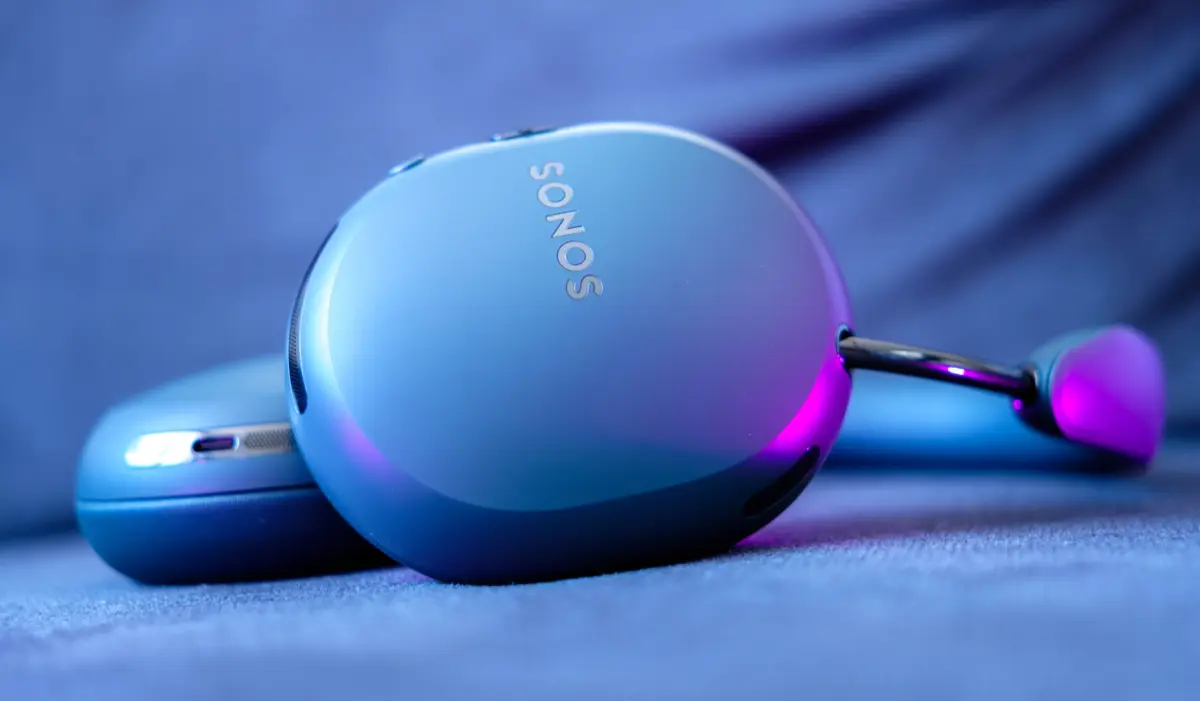
Sonos, the renowned Californian audio technology company, has officially launched its second-generation premium headphones, the Sonos Ace Ultra, on October 30, 2026. This release, two years after the inaugural Sonos Ace, signals a significant deepening of the company’s commitment to both portable and integrated home audio experiences, reinforcing its position in an increasingly competitive high-end headphone market. The Ace Ultra arrives with a suite of advancements, including custom-engineered transducers, a revamped active noise cancellation (ANC) system, and expanded Wi-Fi connectivity that seamlessly bridges the gap between personal listening and Sonos’s established multi-room home audio ecosystem.
Sonos’s Strategic Foray into Personal Audio
Sonos’s entry into the headphone segment in 2024 with the original Ace was a highly anticipated move, marking a strategic expansion beyond its dominant position in wireless home speakers and soundbars. For years, industry observers had speculated on when the company would leverage its audio expertise to challenge established players like Sony, Bose, and Apple in the lucrative premium headphone category. The first Sonos Ace, priced at €499 at launch, was well-received for its refined design, comfortable fit, and the signature "Sonos sound" – a balanced audio profile characterized by rich bass, clear midrange, and articulate treble. A standout feature was its innovative "TV Audio Swap" function, allowing users to transfer sound from a Sonos soundbar directly to the headphones, offering a private, high-fidelity viewing experience. The introduction of the Ace Ultra, priced at €449, just two years later, demonstrates Sonos’s agility and determination to rapidly iterate and capture a larger share of this dynamic market. The original Ace remains available at a revised price of €379, creating a tiered offering for consumers.

Key Innovations Driving the Ace Ultra
The Sonos Ace Ultra builds upon its predecessor’s foundation, introducing several critical enhancements designed to elevate the user experience. At its core are new custom-designed dynamic transducers, 40 mm in diameter, meticulously engineered to deliver Sonos’s distinct audio signature with even greater precision. The most significant leap, however, lies in its expanded ecosystem integration. While the original Ace could only retrieve TV audio from Sonos soundbars, the Ace Ultra now allows for direct Wi-Fi transfer of music from any Sonos speaker within the home network. This functionality, activated with a simple press of the "Content Key," enables users to transition seamlessly from communal listening on a Sonos speaker to a private, high-fidelity experience on their headphones, and vice-versa. This Wi-Fi connection promises a higher bandwidth, less compressed audio stream compared to standard Bluetooth, offering a discernible improvement in sound quality for discerning listeners.

The active noise cancellation (ANC) has also seen substantial improvements. The Ace Ultra now features a total of ten microphones, an increase from the eight on the first Ace, dedicated to environmental sound analysis. Sonos claims a doubled effectiveness in attenuating low-frequency noises, specifically up to 65 Hz. This translates to significantly better suppression of persistent, deep hums such as engine noise, public transport rumble, and ventilation systems, a crucial advantage for commuters and travelers. While still trailing some competitors in neutralizing high-frequency sounds like human voices, its performance in the bass spectrum places it firmly among the market leaders. The transparency mode, allowing users to hear their surroundings, has been refined for a natural sound reproduction with minimal artificial hiss, complemented by a "Voice Boost" option for clearer conversations.
Design, Comfort, and a Commitment to Durability

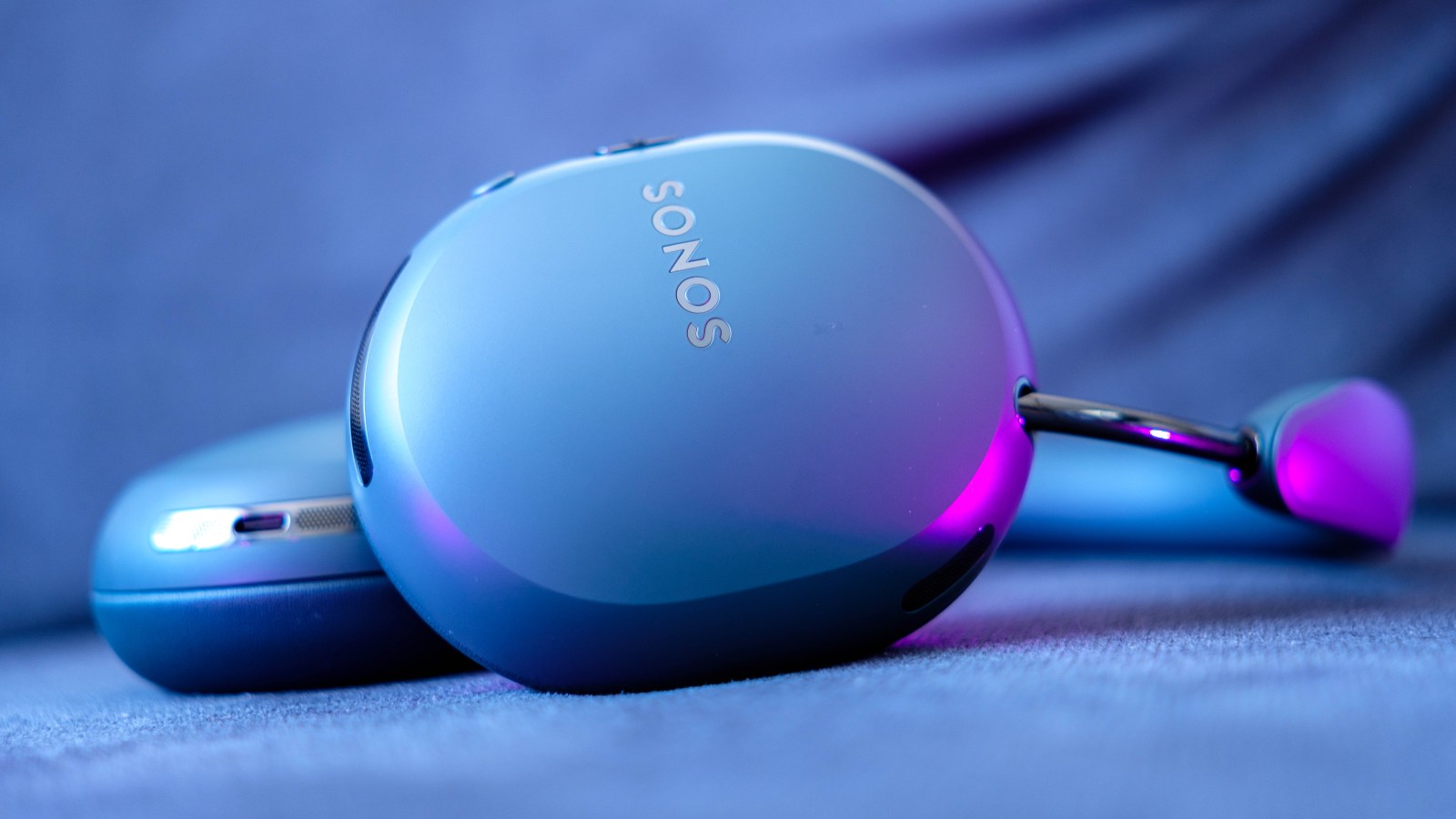
True to Sonos’s minimalist aesthetic, the Ace Ultra maintains the clean, understated lines of its predecessor, characterized by smooth curves and a premium matte finish available in black, white, blue-grey (agave), and sand. The construction, while predominantly plastic, integrates a polished dark metal tubular headband, lending a touch of sophistication and structural integrity. Weighing 322 grams (a slight increase from the Ace’s 312 grams), the weight distribution is expertly managed, ensuring prolonged comfort. The memory foam earcups are now deeper and attach magnetically, facilitating easy replacement—a key aspect of Sonos’s push for enhanced product longevity and repairability. A replacement pair of earcups is priced at €39.
In a notable move towards sustainability and consumer empowerment, Sonos has made the Ace Ultra’s battery user-replaceable, offering a kit for just €25. This commitment to repairability aligns with growing global consumer demand for products that are designed to last and can be easily maintained, reducing electronic waste. Furthermore, Sonos states that 8% of the headphone’s plastic components are recycled, with the included carrying case made from 80% recycled plastic.

Ergonomically, the Ace Ultra prioritizes user experience with physical buttons rather than potentially finicky touch controls. These tactile controls allow for intuitive management of playback, volume, ANC modes, and the unique Content Key feature. Connectivity options are comprehensive: Bluetooth 6.0 with multipoint support, compatible with SBC, AAC, and aptX Lossless codecs (for compatible Android devices with Snapdragon Sound), ensuring high-fidelity wireless audio. For wired listening, a USB-C port supports digital audio up to 16 bits / 48 kHz, and an included 3.5mm jack cable allows connection to analog sources, making the Ace Ultra versatile for various audio setups. However, a notable omission is any official IP rating for water or sweat resistance, suggesting it is not designed for vigorous physical activity.
Enhanced Software and Seamless Ecosystem Integration

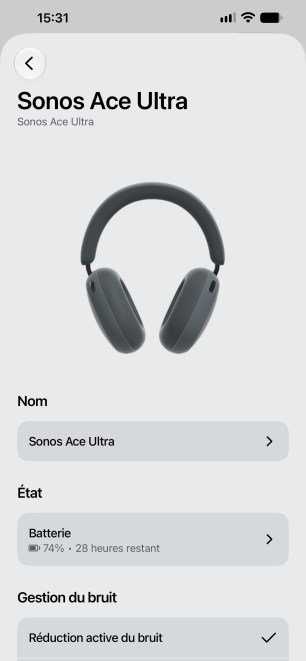
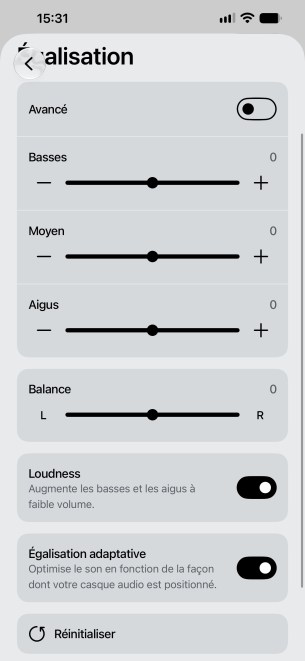
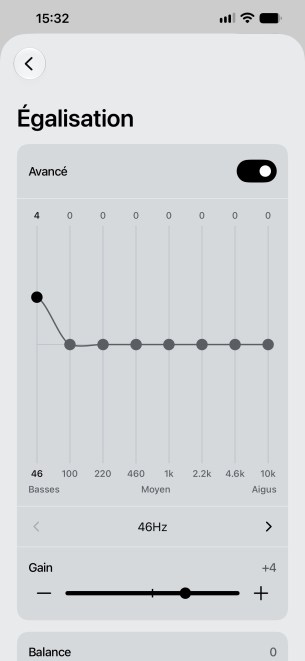
While the Ace Ultra can function as a standalone Bluetooth headphone, its true potential is unlocked within the Sonos app ecosystem. The app now offers a robust 8-band equalizer, a significant upgrade from the previous 2-band option. This granular control allows users to fine-tune the sound profile across crucial frequency ranges, from deep bass (46 Hz, 100 Hz) to clear mids (220 Hz, 460 Hz, 1 kHz) and refined highs (2.2 kHz, 4.6 kHz, 10 kHz). This level of customization ensures that users can tailor the "Sonos sound" to their individual preferences without compromising the inherent audio quality.
The Wi-Fi audio transfer, as mentioned, is a cornerstone of the Ace Ultra’s ecosystem integration. It enables lossless streaming of music played through the Sonos app directly to the headphones. While it does not support transferring audio from third-party apps like Spotify running natively on a smartphone, it significantly enhances the multi-room audio experience for Sonos users. When connected to a Sonos soundbar (such as the newly launched Beam Ultra or the Arc Ultra), the Ace Ultra can instantly mirror the TV’s audio stream, complete with spatial audio processing and dynamic head tracking, providing an immersive, private home theater experience. This Wi-Fi connection ensures a superior audio stream compared to Bluetooth, especially for demanding cinematic soundtracks.
Audio Performance: The Sonos Signature Refined
The Sonos Ace Ultra’s audio performance remains faithful to the brand’s established signature: a generous yet controlled bass, an organic and present midrange, and a treble that prioritizes clarity and finesse over aggressive sparkle. Frequency response measurements reveal a voluminous and consistent bass, with a slight elevation in the sub-bass (3-4 dB), which enhances the visceral impact of movies and bass-heavy music without muddying the overall sound. The midrange is remarkably linear, with a subtle plateau around 300 Hz that adds warmth and body to vocals. A carefully managed peak around 2.5 kHz, a sensitive frequency for human hearing, provides detail without causing fatigue. Sonos has opted for a slight dip between 4-6 kHz, avoiding the common tendency to overemphasize brightness, instead boosting higher frequencies (8-10 kHz) to deliver sparkling clarity and airiness. The result is a balanced, neutral sound profile that translates well across diverse musical genres and content.
The soundstage presented by the Ace Ultra is impressively wide, creating an immersive listening environment. While it excels in lateral separation, offering a broad stereo image, some depth in the central axis might be perceived as slightly less pronounced compared to the very best in class. However, the overall impression is one of spaciousness and excellent instrument separation. Listening tests highlight its dynamic capabilities: Daft Punk’s "Giorgio by Moroder" showcases well-articulated bass and cohesive layering of arrangements. Eurythmics’ "When Tomorrow Comes," a notoriously challenging track due to its dated 80s production, is rendered with Annie Lennox’s vocals cutting through clearly, making the experience engaging despite the mix limitations. Dire Straits’ "You and Your Friend" benefits from remarkable guitar lateralization and satisfying micro-dynamics, with the bass being well-controlled and integrated.
For cinematic content, the Dolby Atmos compatibility, when paired with a Sonos soundbar, provides a coherent spatial audio experience. While not delivering dramatic rear effects typical of a full surround sound system, it offers an enhanced sense of immersion and positional audio, maintaining clarity in dialogue and effects without artificial distortion.
Exceptional Autonomy and Communication Capabilities
The Sonos Ace Ultra is a true marathon runner in terms of battery life. Sonos claims up to 35 hours of playback with active noise cancellation enabled, a five-hour improvement over the original Ace. Independent testing confirms this, with the headphones delivering approximately 37 hours of listening at 50% volume with ANC constantly active. This extended endurance makes it an ideal companion for long commutes, transcontinental flights, or extended work sessions without frequent recharges. When the battery eventually depletes, a quick three-minute charge via USB-C (with a 15W Power Delivery charger, not included) provides an impressive three hours of listening time. A full charge takes approximately three hours.

The ten microphones integrated into the Ace Ultra are not solely for ANC; they also play a crucial role in optimizing voice calls and video conferences. In noisy environments, the sophisticated microphone array isolates the user’s voice, effectively suppressing ambient background noise without noticeable "pumping" artifacts. The "Sidetone" feature, configurable within the Sonos app, allows users to hear their own voice while ANC is active, preventing them from inadvertently speaking too loudly. This makes the Ace Ultra a reliable tool for professional communications, offering clear audio transmission even in challenging acoustic settings.
Market Positioning and Competitive Landscape

Priced at €449, the Sonos Ace Ultra firmly establishes itself in the premium segment of the wireless headphone market. This pricing strategy places it in direct competition with formidable rivals, including the Sony WH-1000XM5, Bose QuietComfort Ultra Headphones, Apple AirPods Max 2, Sennheiser Momentum 4 Wireless, and Bowers & Wilkins Px8. Each of these competitors offers a compelling package of sound quality, ANC, and features.
However, the Ace Ultra differentiates itself with its unique, seamless integration into the Sonos multi-room ecosystem. While competitors offer excellent standalone performance, none can match the fluidity of transitioning audio from a home speaker system to personal headphones via Wi-Fi with the same level of fidelity and convenience. Industry analysts suggest that this strategy will primarily appeal to Sonos’s existing user base, offering a natural extension of their home audio experience into personal listening. Yet, its strong standalone performance, coupled with a focus on durability and repairability, also makes it an attractive proposition for new users seeking a high-quality, long-lasting premium headphone. The price point, while premium, is competitive, especially considering the included lossless aptX support and the robust build quality.

Conclusion: A Comprehensive and Cohesive Premium Offering
The Sonos Ace Ultra is a triumph of thoughtful design and audio engineering, representing a significant evolution in Sonos’s personal audio portfolio. It is, first and foremost, an exceptional pair of premium Bluetooth headphones, boasting impeccable build quality, unparalleled comfort, and a beautifully balanced sound signature that is both engaging and non-fatiguing. Its technical specifications are robust, featuring Bluetooth 6.0, multipoint connectivity, aptX Lossless support for high-fidelity wireless streaming, and versatile wired options via USB-C (16-bit/48 kHz) and the included 3.5mm jack.

The advancements in active noise cancellation, particularly in the lower frequencies, significantly enhance the listening experience in noisy environments, while the transparency mode is among the most natural available. The extended 35-hour battery life with ANC engaged positions it as a market leader in endurance, ensuring uninterrupted enjoyment. Sonos’s commitment to repairability, highlighted by easily replaceable magnetic earcups and a user-replaceable battery, is a commendable step towards greater sustainability and consumer value.
Beyond its individual strengths, the Ace Ultra’s unique selling proposition lies in its unparalleled integration with the Sonos ecosystem. The ability to seamlessly transfer music from any Sonos speaker or capture spatialized TV audio from a Sonos soundbar via Wi-Fi—complete with Dolby Atmos support and dynamic head tracking—creates a cohesive audio experience that no competitor can currently offer. While this ecosystem integration might not be the sole reason for purchase for all consumers, it undeniably adds substantial value for existing Sonos users and presents a compelling argument for those considering entering the Sonos family. The Sonos Ace Ultra is more than just a pair of headphones; it is a vital, well-executed component of a broader, integrated audio future.