Garick Elordi
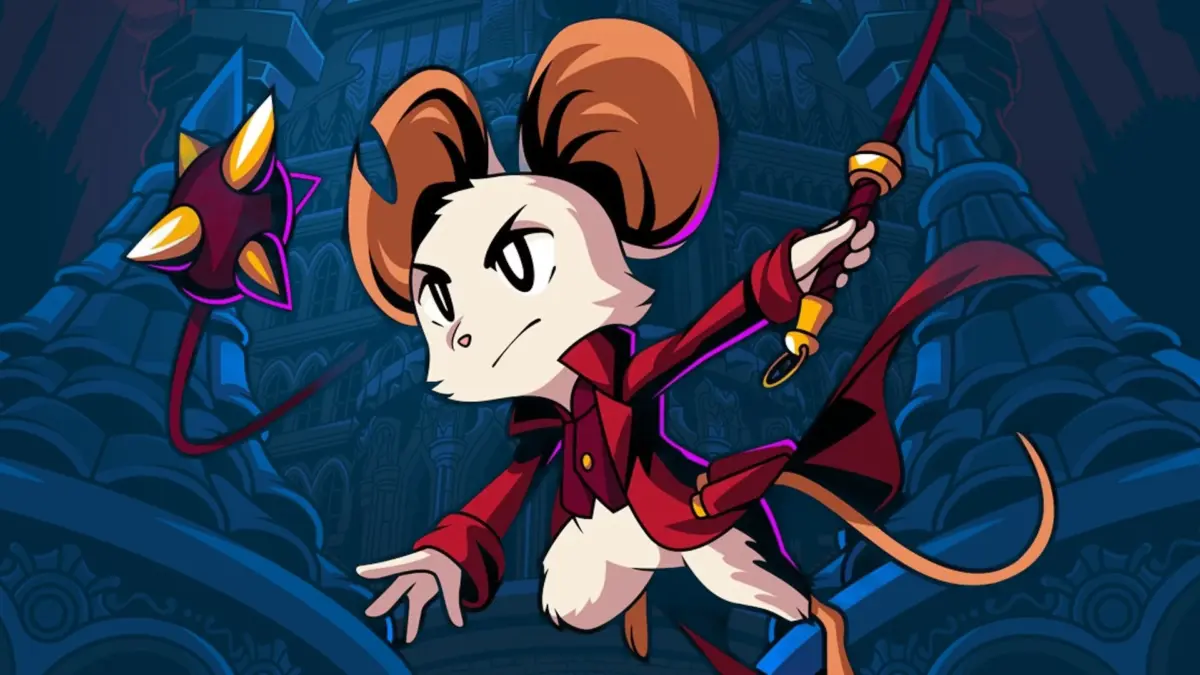
Yacht Club Games, the independent studio behind the seminal retro-platformer Shovel Knight, has officially confirmed that the majority of its development staff has transitioned to a brand-new 3D project. This strategic pivot follows the commercial and critical success of Mina the Hollower, an action-adventure title that the studio previously identified as a "make-or-break" venture for its long-term viability. During a recent Reddit "Ask Me Anything" (AMA) session, studio leadership revealed that the financial stability secured by Mina the Hollower’s launch has allowed the team to move forward with their most ambitious undertaking to date: a leap into three-dimensional game design that many speculate will be the next mainline entry in the Shovel Knight franchise.
The transition marks a significant milestone for the California-based developer, which has spent over a decade perfecting the "8-bit" aesthetic. While the studio remains tight-lipped regarding the specific details of the 3D title, the confirmation provides a clear roadmap for the company’s future. The move comes after a period of internal restructuring and a reassessment of the studio’s management philosophy, following an experimental phase where the team attempted to manage multiple projects simultaneously.
The Financial Impact and Market Performance of Mina the Hollower
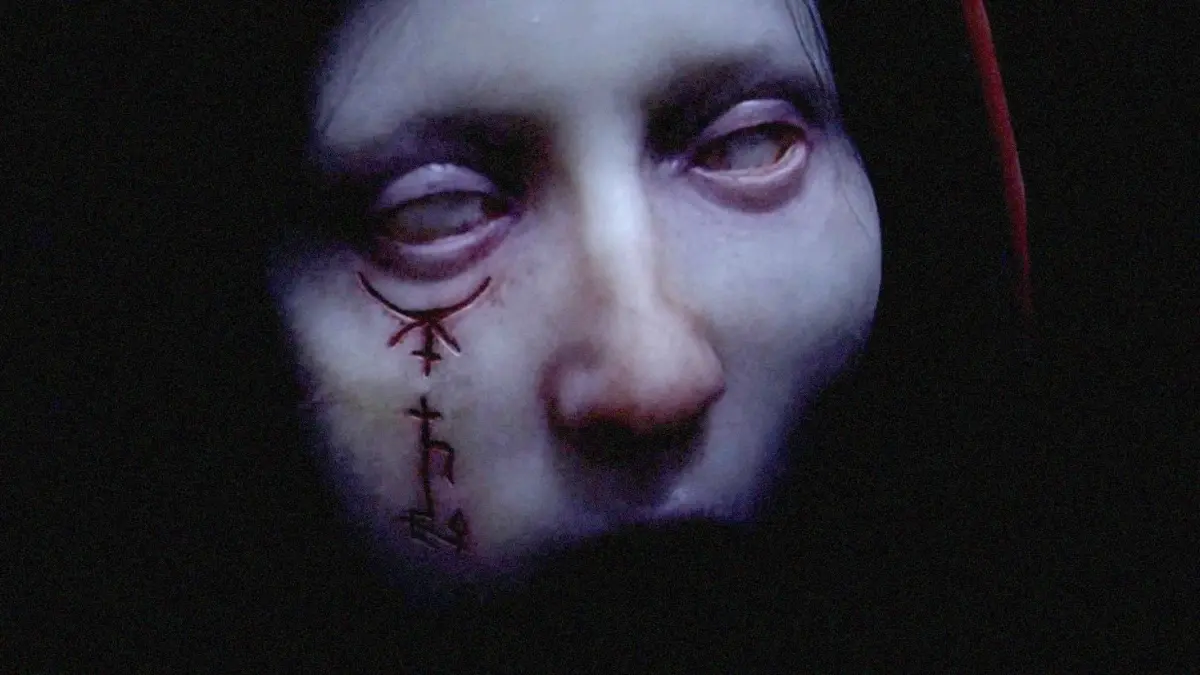
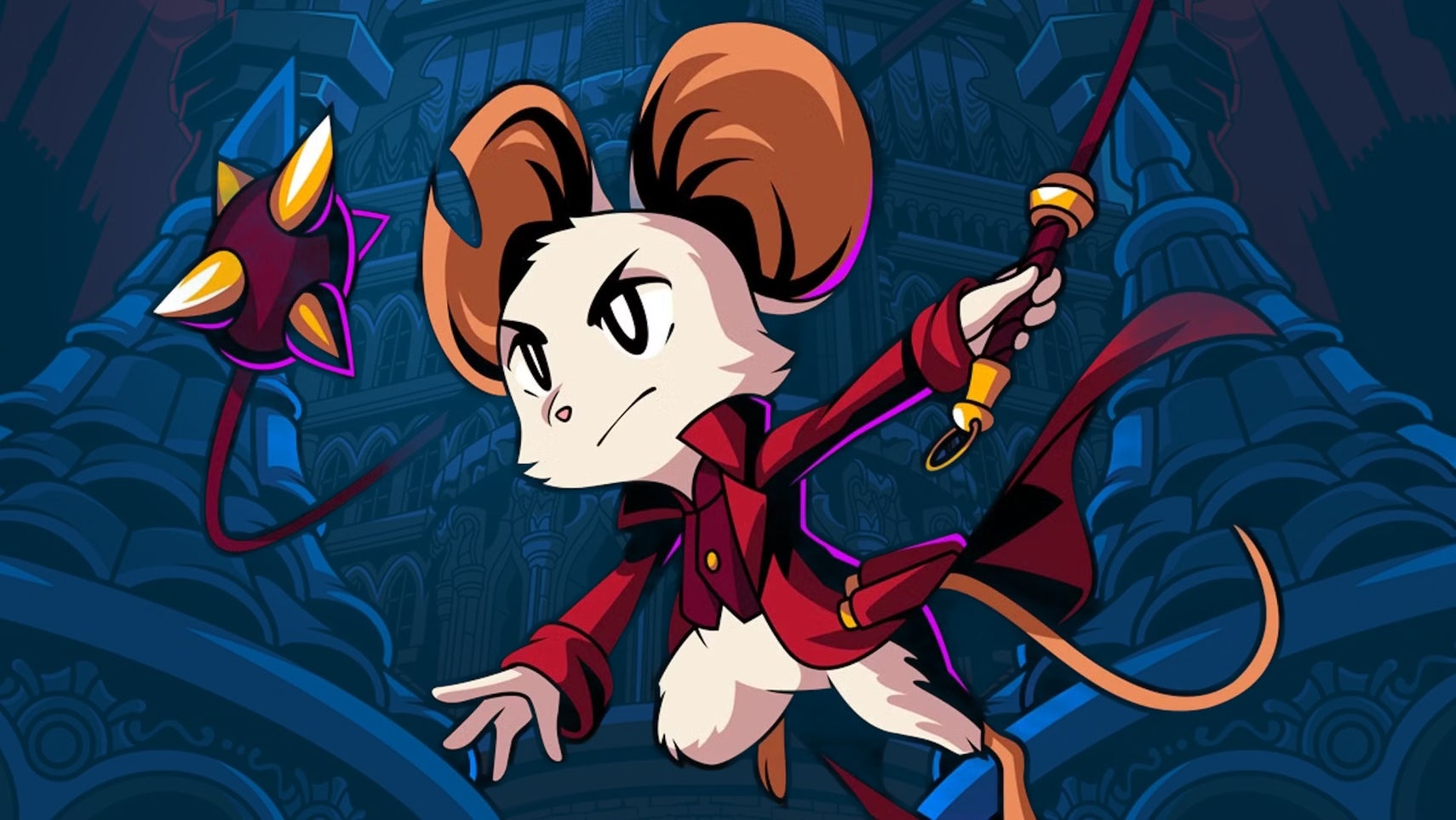
Mina the Hollower was released earlier this year to significant acclaim, following a highly successful Kickstarter campaign that raised over $1.2 million from more than 21,000 backers. Despite the initial crowdfunding success, Yacht Club Games co-founder Sean Velasco had previously noted that the studio was operating on "thin ice" due to the prolonged development cycle and the challenges posed by the global pandemic. The studio’s survival was essentially tied to the game’s market performance.
In the recent AMA, Velasco confirmed that Mina the Hollower has achieved its primary goal of securing the company’s financial future. Within its first two weeks on the market, the game sold over 500,000 copies across various platforms, including PC, Nintendo Switch, PlayStation, and Xbox. While the studio had initially set a long-term goal of one million units, the half-million milestone was sufficient to provide the necessary capital to sustain the team and fund their next major production. When asked directly if the game had secured financial stability for the company, Velasco replied, "Yes… for now!" highlighting the inherent volatility of independent game development but acknowledging the immediate relief the sales provided.
Chronology of Yacht Club Games and the Road to 3D
The evolution of Yacht Club Games is a study in the modern "indie" success story. Understanding the current shift to 3D requires a look back at the studio’s disciplined approach to growth and its eventual realization of the limits of that growth.
- 2011–2013: The Founding and Shovel Knight Kickstarter: Founded by former employees of WayForward Technologies, the studio launched a Kickstarter for Shovel Knight in 2013. The campaign was a phenomenon, tapping into a deep-seated nostalgia for NES-era classics like Mega Man and Castlevania.
- 2014–2019: The Shovel Knight Treasure Trove Era: Following the 2014 release of Shovel Knight, the studio spent five years fulfilling Kickstarter stretch goals. This resulted in three massive expansions—Plague of Shadows, Specter of Torment, and King of Cards—along with a multiplayer fighting game, Shovel Knight Showdown. By the time the "Treasure Trove" collection was complete, the studio had established itself as a premier developer of 2D action games.
- 2020–2021: The Multi-Project Experiment: During this period, Yacht Club attempted to scale up, working on Mina the Hollower while also incubating ideas for a 3D Shovel Knight title. This era was marked by internal friction as the studio struggled to balance the demands of two distinct high-fidelity projects.
- 2022–2024: All Hands on Mina: Recognizing that the studio’s resources were being spread too thin, leadership pivoted back to a "one-game" outfit. Development on the 3D project was paused, and the entire team was moved to Mina the Hollower to ensure its quality and timely release.
- 2025 and Beyond: With Mina the Hollower successfully launched, the studio has returned to the 3D project, which is now the primary focus of the majority of its staff.
Strategic Realignment: Lessons in Studio Management
The decision to consolidate the team back into a single-project unit was not merely a matter of logistics but a fundamental shift in the studio’s culture. Co-founder Nick Wozniac provided insight into this transition during the AMA, admitting that the attempt to split the team into two separate units was a strategic misstep that the studio has since corrected.
"I think we learned mostly that keeping the team tight and focused is what helped Mina land," Wozniac stated. He explained that while the desire to grow and produce more content was not driven by greed, the reality of maintaining a sustainable business required a more focused approach. "Splitting the team up to work on two games was something we could have corrected a long time ago, but I’m glad to be where we are now. Just gotta pocket those lessons and use them to drive you forward."
This sentiment reflects a broader trend in the independent gaming sector, where studios often face the "sophomore slump"—the difficulty of following up a massive debut hit with a second successful IP. By focusing their collective energy on one title at a time, Yacht Club Games aims to maintain the high level of polish and mechanical depth that has become their trademark.
The Mystery of the 3D Shovel Knight Project
Speculation regarding a 3D entry in the Shovel Knight series has been circulating since a 2024 Bloomberg report, where Sean Velasco mentioned that a 3D game was roughly halfway through development before the pivot to Mina the Hollower. While the studio has yet to officially title the project "Shovel Knight 3D," the hints dropped by developers during the AMA have done little to quell the rumors.
Developer Alec Faulkner confirmed the studio’s current trajectory, stating, "Most of us are currently working on a 3D game, yes!" He refrained from providing specific details but expressed immense enthusiasm for the project’s progress, adding, "Not sayin’ more! Other than that it’s gonna be soooooooo awesome."
Industry analysts suggest that a 3D Shovel Knight would likely take inspiration from the 64-bit era of platformers, much as the original took inspiration from the 8-bit era. The challenge for the studio will be translating the tight, physics-based combat and platforming of the 2D series into a three-dimensional space—a transition that historically proved difficult for many franchises during the late 1990s but has seen a resurgence in the indie scene through titles like A Hat in Time and Psychonauts 2.

Continued Support for Mina the Hollower
Despite the shift toward the unannounced 3D project, Yacht Club Games emphasized that Mina the Hollower is not being abandoned. The studio has a history of long-term post-launch support, and Mina is set to receive several updates designed to enhance its longevity and appeal to the competitive gaming community.
The developers confirmed they are currently working on "expanded randomizer options," which will include randomization for enemies and bosses. These features are intended to provide a fresh experience for veteran players. Additionally, the team is implementing specific "speedrunner features" and more gameplay modifiers to allow players to customize their experience. This commitment to post-launch content ensures that the game remains relevant while the primary development team focuses on the technical hurdles of 3D game creation.
Broader Implications for the Indie Development Landscape
The success of Yacht Club Games serves as a bellwether for the independent development industry. In an era where "AA" and "AAA" development costs are skyrocketing, Yacht Club’s ability to remain independent while transitioning to more complex 3D technology is a testament to their careful financial management and the strength of their brand.
The studio’s transparency regarding their near-failure and subsequent recovery offers a rare glimpse into the pressures of the modern indie market. The "make-or-break" nature of Mina the Hollower highlights how even established studios with massive past hits are often only one unsuccessful project away from closure. By securing over 500,000 sales in a crowded market, Yacht Club has demonstrated that there is still a significant audience for high-quality, retro-inspired experiences, provided they offer more than just nostalgic aesthetics.
As the studio embarks on its 3D journey, the gaming industry will be watching closely to see if they can replicate the "Yacht Club Magic" in a new dimension. If the transition is successful, it could signal a new era for the studio, moving from being the masters of 2D nostalgia to being a versatile powerhouse capable of defining modern 3D action-adventure games. For now, the team remains focused, unified, and—most importantly—financially secure enough to take the creative risks necessary for their next evolution.