Garick Elordi
The Intersection of Film and Interactive Media
The creative force behind Tenebris Somnia is Andrés Borghi, an Argentinian filmmaker and game developer known for his work on the fighting game The Black Heart and his contributions to the horror film industry, including the internationally acclaimed When Evil Lurks (2023). Borghi’s dual expertise is the cornerstone of the game’s unique presentation. Unlike traditional Full Motion Video (FMV) games of the 1990s—such as Night Trap or Phantasmagoria—which often relied on live action for the entirety of their gameplay, Tenebris Somnia utilizes cinematic interludes as a narrative and atmospheric punctuation mark.
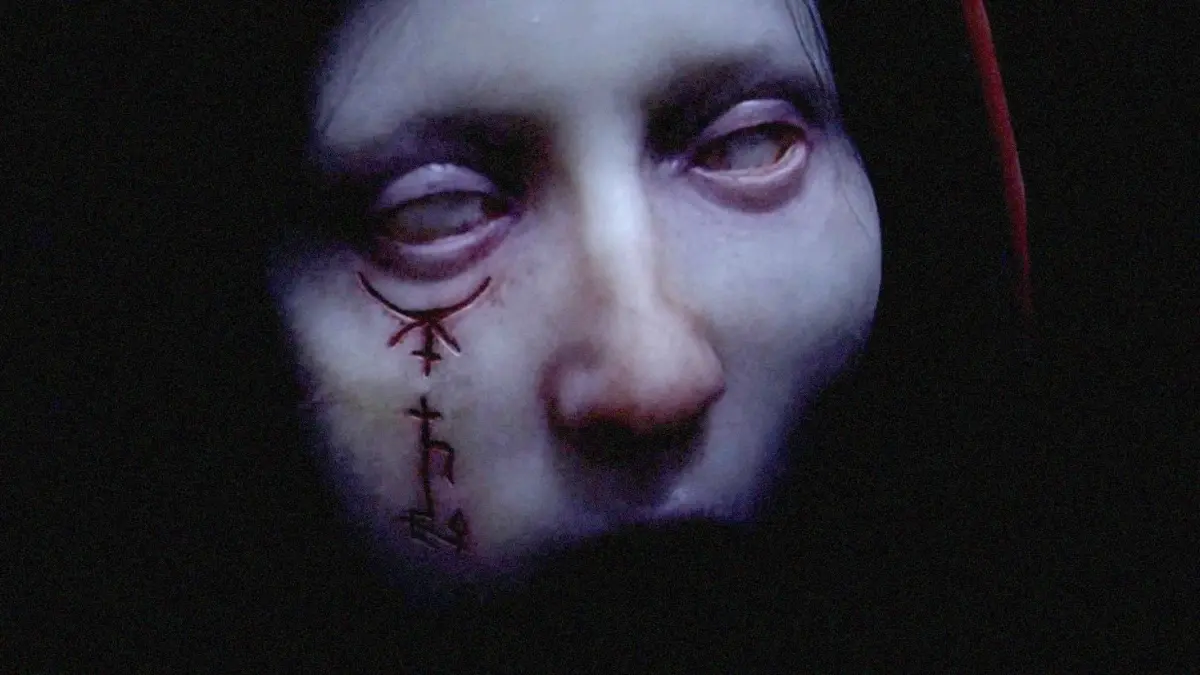
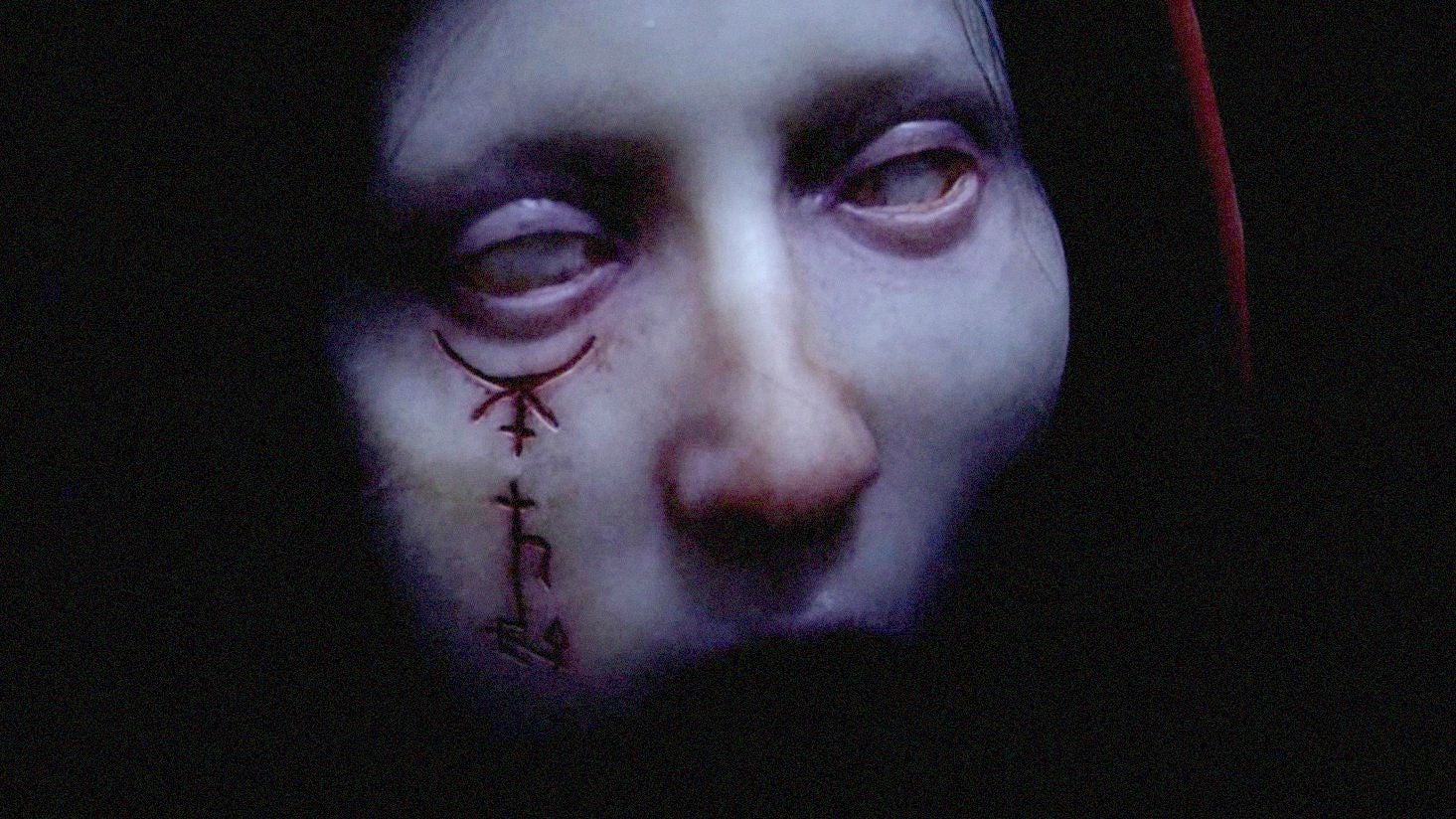
The game functions as a 2D survival horror adventure where players navigate a low-resolution world. However, at key moments of tension or discovery, the pixel art dissolves into high-quality film clips. These sequences feature professional actors, intricate practical makeup effects, and cinematic lighting, providing a terrifyingly clear look at the creatures and events that were previously only suggested by flickering pixels. This "wrong-footing" of the audience—a term often applied to the work of Airdorf Games—serves to bridge the gap between the player’s imagination and the developer’s explicit vision, ensuring that the horror remains both personal and unavoidable.
Narrative Structure and Gameplay Mechanics
The plot of Tenebris Somnia centers on a young woman who travels to her former boyfriend’s apartment following a period of concerning silence. Upon arrival, the environment quickly transitions from a mundane domestic setting into a site of ritualistic carnage and supernatural intrusion. The narrative is deeply intertwined with the concept of filmmaking itself; the protagonist’s ex-boyfriend is a director who was working on a horror short film, and the line between his fictional creation and the reality of the apartment begins to blur.
Gameplay follows a traditional adventure game template, emphasizing exploration, inventory management, and environmental puzzles. Players must:
- Explore and Inspect: Navigate room-by-room, examining household objects and cryptic notes to piece together the backstory.
- Inventory Interaction: Collect items such as empty bottles or mysterious occult texts, which must be combined or used at specific environmental triggers.
- Puzzle Solving: Decipher codes and unlock doors that lead deeper into the apartment’s distorted reality.
The pacing is deliberately slow, mirroring the "tank control" era of survival horror and the methodical nature of point-and-click adventures. This "plodding" rhythm is designed to build a sense of dread, making the sudden transition to high-definition live-action sequences all the more impactful. When a player finally unlocks a door or solves a complex riddle, they are rewarded not just with progress, but with a vivid, cinematic revelation that clarifies the horrors they have been navigating in 8-bit form.
The Role of Airdorf Games and the "Faith" Connection
The involvement of Airdorf Games as executive producer provides a crucial link to the broader "low-fi horror" trend. Airdorf’s Faith: The Unholy Trinity became a cult phenomenon by using rotoscoped animation and primitive synthesized voices to create an atmosphere that many players found more disturbing than modern AAA horror titles. Tenebris Somnia adopts a similar philosophy but expands the scope.
While Faith used rotoscoping to add uncanny fluid movement to 8-bit sprites, Tenebris Somnia replaces those digital approximations with actual human performances. This collaboration suggests a growing sub-genre of horror that weaponizes nostalgia. By using an art style reminiscent of the NES or Master System, the developers tap into the "liminal space" of childhood memories, only to violate those memories with graphic, live-action imagery that the hardware of that era could never have produced.
Production Design and Practical Effects
A standout feature of the project is the quality of its live-action components. Andrés Borghi has utilized his experience in the Argentinian film industry to ensure that the "rewards" for gameplay are of a professional caliber. The creature designs are a primary focus, featuring:
- Asymmetrical Monstrosities: Entities such as a being with two faces—one inverted—provide a sense of biological wrongness.
- Branded Imagery: Characters, including an enigmatic woman in a cocktail dress, bear demonic symbols scarred or branded into their flesh, adding a layer of occult mystery.
- Practical Prosthetics: The use of waxen figures and giant, hole-faced entities emphasizes the use of practical effects over CGI, contributing to a "gritty" and "tactile" horror aesthetic.
These sequences are not merely jump scares; they are intended to give "substance" to the pixelated world. By seeing a monster in high definition, the player’s mind retroactively applies that level of detail to the 2D sprite, making the subsequent gameplay segments feel more threatening.
Industry Context: The Evolution of Retro Horror
The development of Tenebris Somnia occurs during a period of significant growth for indie horror. Titles like Signalis, Crow Country, and Puppet Combo’s catalog have proven that there is a massive market for games that reject modern graphical fidelity in favor of specific stylistic choices.
The "New Retro" movement relies on the "fill-in-the-blanks" nature of low-resolution graphics. When a player sees a red smudge on a pixelated wall, their brain interprets it as blood, often imagining something more gruesome than what a high-polygon model could depict. Tenebris Somnia experiments with this psychological phenomenon by providing the "answer" to the brain’s imagination through its film clips. This creates a cycle of tension: the pixel art builds the dread through ambiguity, and the live action releases that tension through shocking clarity.

Chronology and Release Information
Tenebris Somnia has been in development for several years, with Saibot Studios and Andrés Borghi providing regular updates to a growing fanbase. The game gained significant momentum following its showcase at "Day of the Devs," a prominent industry event that highlights innovative indie projects.
- Initial Announcement: The project was first teased as a collaboration between Borghi’s cinematic vision and Saibot’s technical development.
- Trailer Debut: A comprehensive trailer released during the Day of the Devs 2024 cycle showcased the seamless transition between the 2D adventure and the live-action sequences.
- Target Release: While an exact launch date remains subject to development milestones, the project is currently slated for a 2026 release window, with Steam being the primary confirmed platform.
Analytical Implications for the Horror Genre
The success or failure of Tenebris Somnia will likely influence how other indie developers approach multi-media storytelling. There is an inherent risk in this format; some critics have noted that the "laboriousness" of traditional adventure game mechanics—walking back and forth, clicking on every object—can occasionally deflate the tension that the cinematic sequences work so hard to build.
However, the thematic depth of the game suggests a more complex layer of meta-commentary. By centering the story on a horror filmmaker, the game explores the "deal with the devil" often associated with creative obsession. The recurring motif of filmic production suggests that the live-action scenes may be more than just "real-world" versions of the game world; they may represent the "finished product" of the characters’ suffering, or perhaps a different layer of reality altogether.
As the industry moves toward 2026, Tenebris Somnia stands as a testament to the blurring lines between cinema and interactive media. It asserts that horror is not found in the number of polygons on screen, but in the contrast between the known and the unknown, the digital and the physical. For fans of Airdorf Games and Andrés Borghi, the title represents a high-water mark for the Argentinian development scene and a potential turning point for the survival horror genre at large.