Metty Iskandar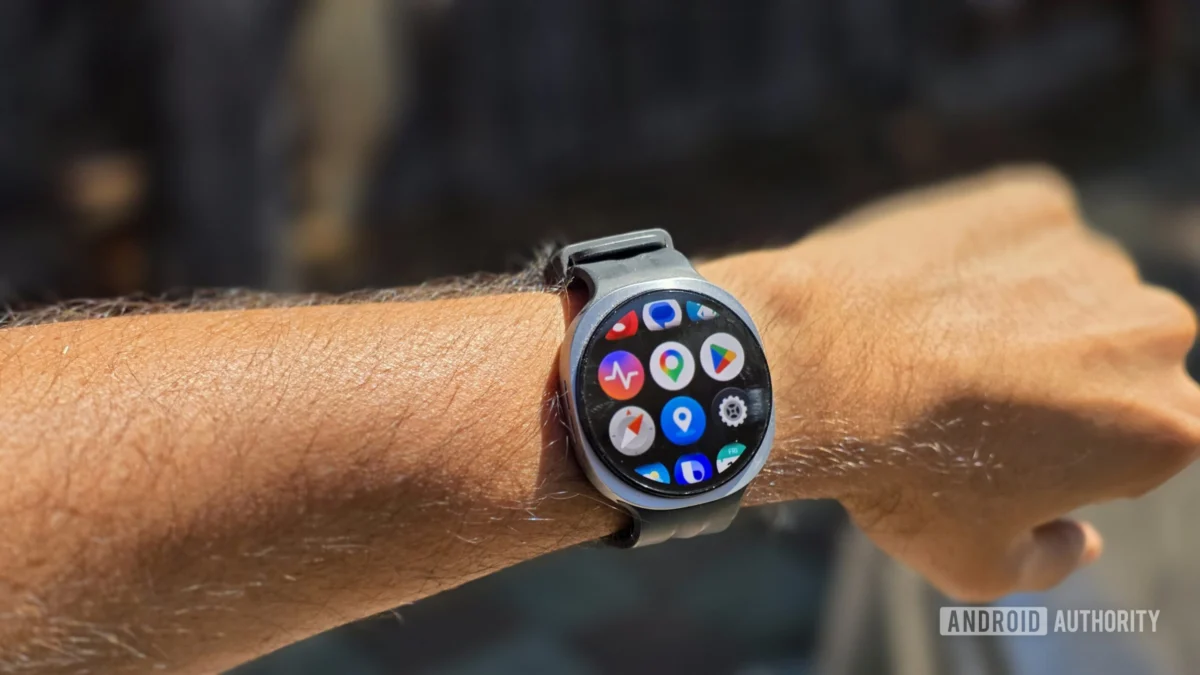
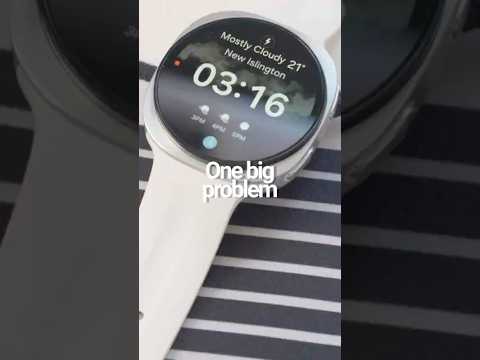
The Samsung Galaxy Watch 9 enters the competitive smartwatch market with a strong emphasis on user comfort and an expanded suite of health and fitness insights. However, despite significant advancements in processing power and display technology, the device continues to grapple with its most enduring weakness: battery life. This fundamental limitation means that even the most advanced features are only accessible if the watch is diligently charged every single night.
A Familiar Design, Enhanced Comfort
The Galaxy Watch 9, specifically the 44mm Bluetooth model reviewed here, is priced at $409.99, with the 40mm version starting at $379.99. LTE connectivity adds an additional $50 to either size. This represents a modest price increase of approximately $30 compared to the launch price of its predecessor, the Galaxy Watch 8. Notably, Samsung has opted against releasing a "Classic" version with a physical rotating bezel this year, a continuation of a trend where such models appear every other generation. For users prioritizing that tactile control, the Galaxy Watch 8 Classic remains the current option.
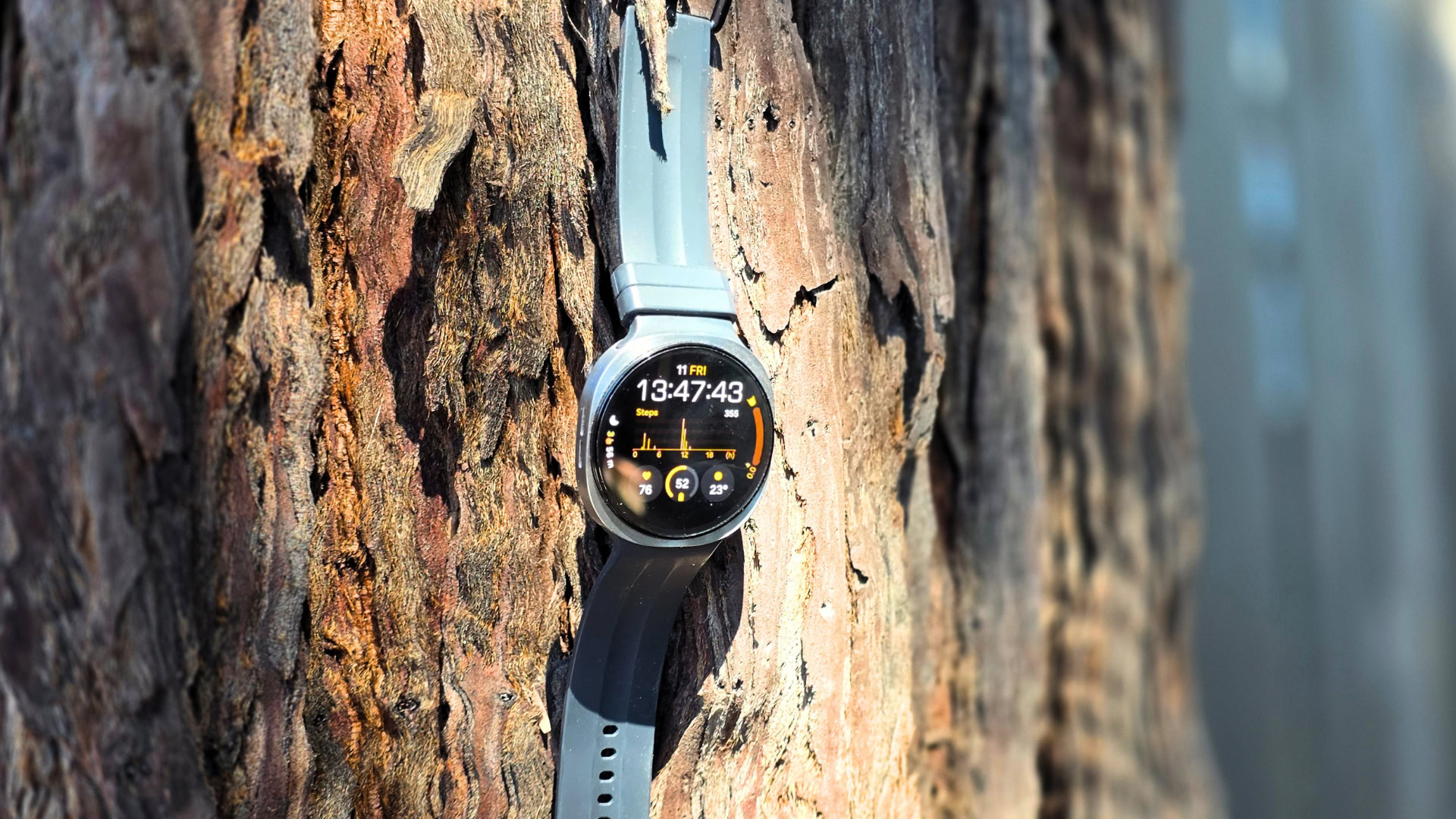
The most striking design element, carried over from the Galaxy Watch 8, is the "squircle" aesthetic. Samsung first introduced this design with the Galaxy Watch Ultra, and it has since become the standard for their main smartwatch line. This involves a squared-off chassis with a circular display nestled within, leading to a subtle bulge at each corner. While this design choice might initially be jarring to users accustomed to a purely circular watch face, the reviewer notes that it quickly becomes unnoticeable during active use, as attention naturally focuses on the display itself. However, the aesthetic preference for Samsung’s older, purely circular designs persists for some. The Graphite color variant, in particular, is observed to better conceal these squared edges compared to the Silver model.
Despite the visual departure, the squircle design contributes positively to user comfort. The slightly altered shape allows for increased internal space, which Samsung has leveraged to achieve a thinner profile. The 44mm Watch 9 measures 8.6mm in thickness, a reduction from the 9.7mm of its predecessor, while maintaining a similar weight of 34g for the 44mm model. Furthermore, the flatter underside of the new design sits more flush against the wrist, enhancing the overall wearability. The introduction of Samsung’s Dynamic Lug System also allows watch straps to integrate more naturally with the case, and simplifies the process of band replacement. While straps designed for the Watch 8 are compatible, those intended for older Galaxy Watch models will not fit the new design.
The comfort of the Galaxy Watch 9 is frequently highlighted. The reviewer describes it as "ridiculously comfortable," capable of being worn throughout demanding workdays, intense workouts, extended DJ sets, and even overnight without feeling cumbersome or heavy. A subtle but appreciated improvement has been made to the side buttons. In previous generations, accidental button presses during workouts, often by the user’s own wrist, could lead to unintended pauses. This issue appears to have been resolved on the Watch 9, whether due to adjusted button travel or the flatter case design, providing a more reliable user experience during physical activity.
An Uncompromised Visual Experience
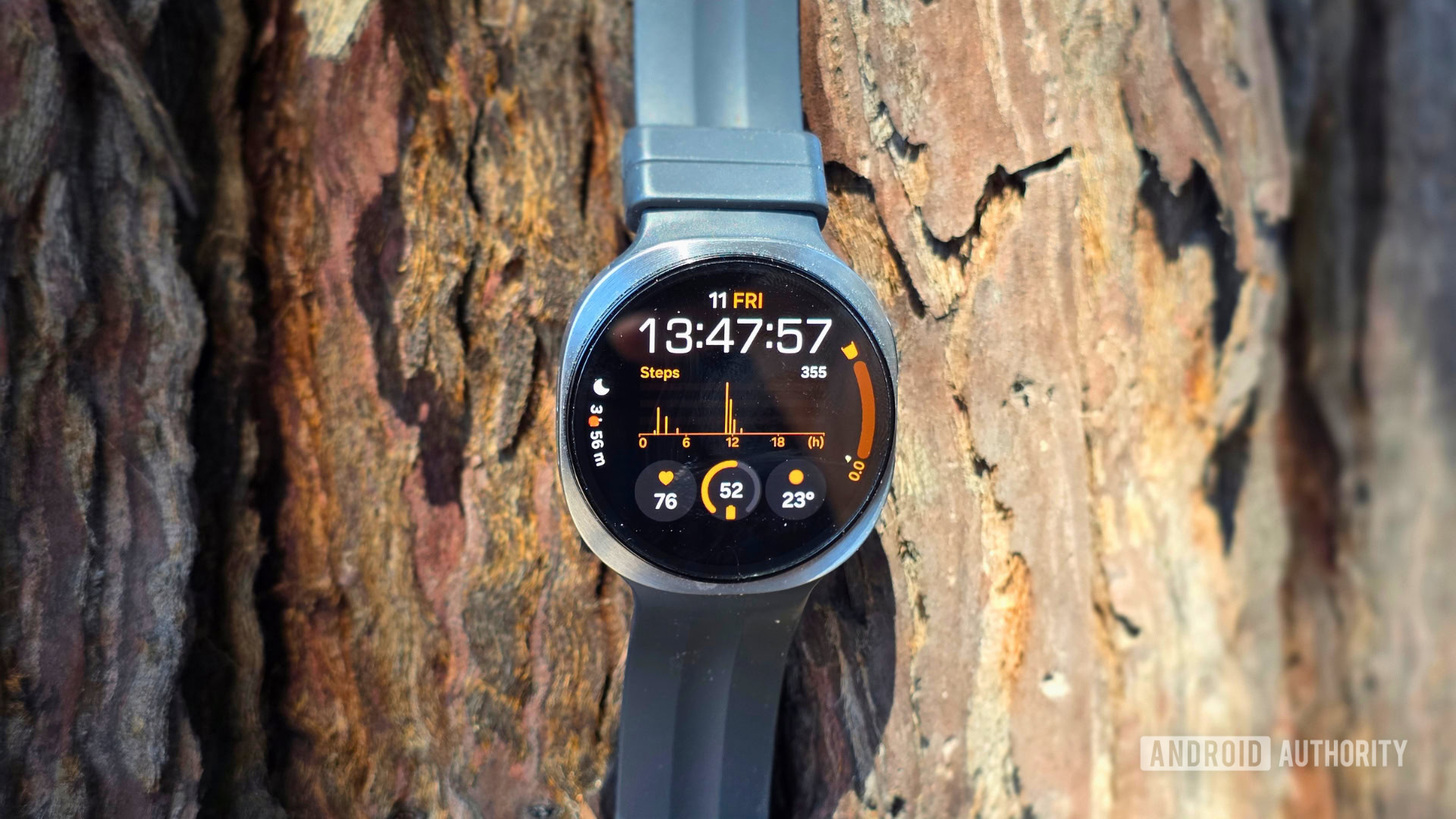
The display on the Galaxy Watch 9 continues to be a strong point, building upon the advancements made in previous generations. The 44mm model features a 1.47-inch Super AMOLED display with a resolution of 480 x 480 pixels, matching the specifications of the Watch 8 and offering a significant upgrade from older models like the Watch 7. The most notable improvement is the enhanced brightness. Samsung increased the peak brightness of its smartwatches to 3,000 nits with the Watch 8, a feature that remains unchanged on the Watch 9. This increased luminosity translates to significantly improved legibility in direct sunlight, requiring less squinting or repositioning of the wrist to view the screen.
The display is protected by a layer of sapphire crystal, which has proven resilient against scratches and scuffs during testing. The watch body itself boasts robust durability ratings, including 5ATM water resistance, IP68 dust and water ingress protection, and MIL-STD-810H compliance. These ratings assure users of the watch’s suitability for activities such as gym workouts, showering, and swimming without concern. However, the absence of raised bezels around the screen means that direct impact protection is limited, and users planning rugged outdoor activities like hiking may wish to consider an additional screen protector.
Performance and Software: A Step Forward with Familiarity
A significant hardware upgrade for the Galaxy Watch 9 series is the adoption of Qualcomm’s Snapdragon Wear Elite platform, marking a departure from Samsung’s in-house Exynos processors. This transition has resulted in a noticeable performance boost. Scrolling through interface elements, such as Tiles, feels smoother, applications launch more rapidly, and the reduction in minor stutters contributes to a more fluid overall user experience. While the performance gains are evident, particularly for those upgrading from older generations like the Watch 7, the reviewer notes that the difference may not be perceived as "transformative" for users of more recent models, as their existing devices remain highly functional. The impact of this new, more powerful chip on battery consumption, however, remains a critical consideration.
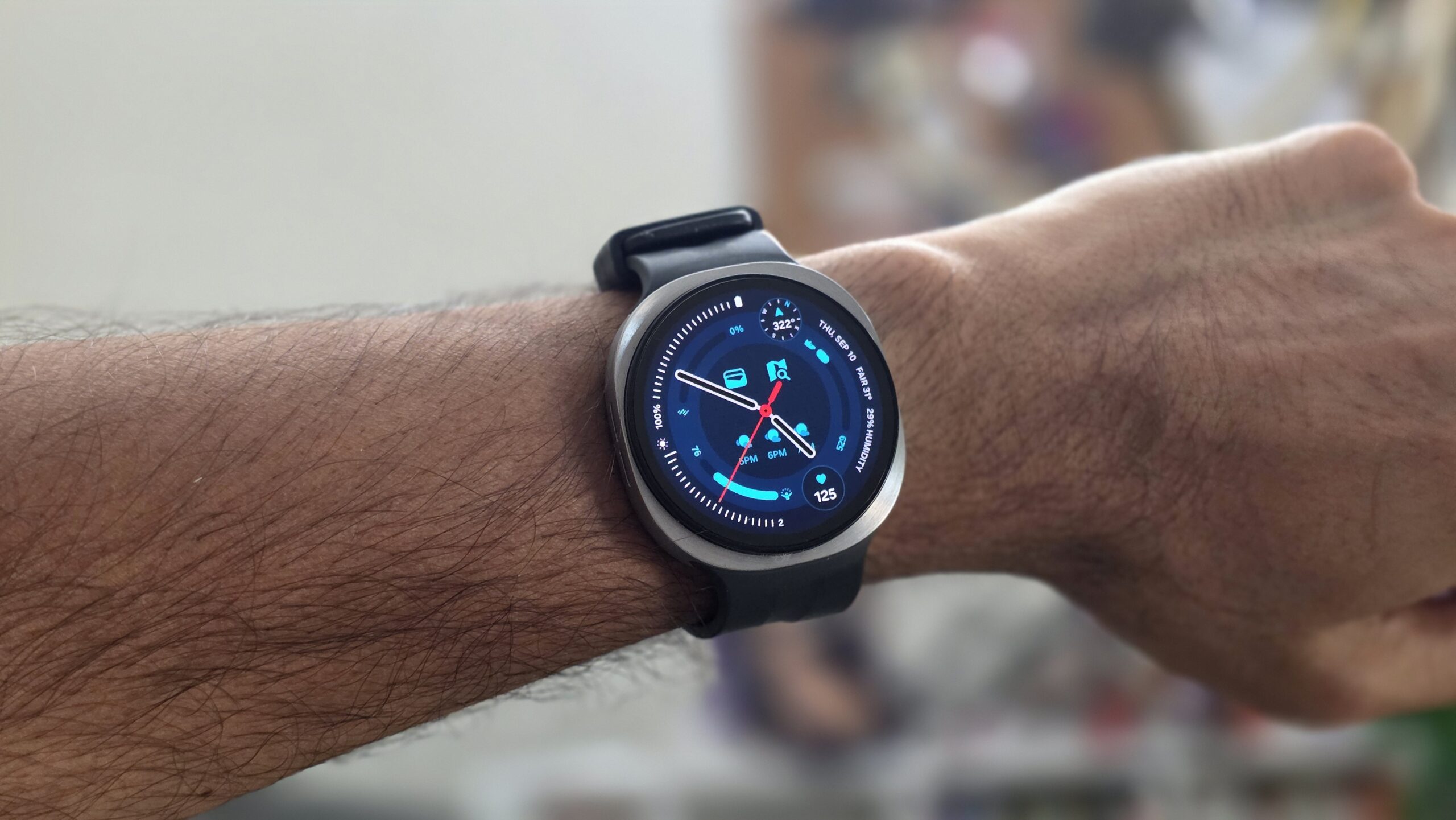
The Galaxy Watch 9 operates on Wear OS 7, overlaid with Samsung’s One UI 9 Watch interface. Samsung has committed to providing five major Wear OS upgrades and five years of security patches, an enhancement over the support policy offered for previous Galaxy Watch generations. For users familiar with recent Samsung smartwatches, the One UI 9 Watch interface will feel immediately intuitive. Standard navigation gestures, such as swiping down for quick settings, up for applications, and horizontally for Tiles, are retained, ensuring that frequently accessed functions are readily available.
While the selection of pre-installed watch faces is extensive, the reviewer expresses a personal preference for other aesthetics. However, Samsung excels in information density, offering watch faces that can display a wealth of data—including steps, sleep, battery status, weather, heart rate, calendar events, and custom metrics like an "Energy Score"—without requiring users to navigate away from the main screen. This focus on providing at-a-glance information is a key strength of the smartwatch’s software.
A new software feature introduced on the Watch 9 is "Raise to Talk" for Gemini. This allows users to activate the AI assistant by simply bringing the watch towards their mouth and speaking, bypassing the need for a button press or a wake word. While the feature is not flawless, with occasional instances of the gesture not being recognized or the watch momentarily freezing, its overall functionality exceeded expectations for a novel addition. This integration with Gemini hints at future potential for more sophisticated AI-driven interactions on the platform.
Comprehensive Health and Fitness Monitoring
The health hardware on the Galaxy Watch 9 remains largely consistent with the Galaxy Watch 8. The core BioActive Sensor facilitates optical heart-rate monitoring, electrocardiogram (ECG) readings, and bioelectrical impedance analysis for body composition assessment. Additional sensors include a temperature sensor, accelerometer, barometer, gyroscope, geomagnetic sensor, ambient light sensor, and dual-frequency GPS for precise location tracking.
Samsung Health has evolved into a comprehensive platform, tracking a wide array of metrics. Beyond established features like sleep tracking, blood oxygen monitoring, stress levels, body composition, and ECG, the platform now incorporates newer metrics such as a Heart Health Score, Fitness Index, Daily Cardio Load, and Blood Pressure Trends. It is important to note that the Blood Pressure Trends feature requires an external upper-arm cuff for accurate readings.
While the sheer volume of data provided by Samsung Health is extensive, the reviewer acknowledges that interpreting every metric may be challenging for the average user. The "Vitals" feature, however, is highlighted as a particularly user-friendly addition. By analyzing key metrics such as heart rate, heart rate variability, respiratory rate, skin temperature, and blood oxygen levels during sleep, Vitals compares them to the user’s established baseline and flags any significant deviations. This provides a more digestible and actionable overview of overnight health status.
For activity tracking, the Galaxy Watch 9 performs admirably. The platform supports a vast number of workout types, and the watch’s ability to automatically detect basic activities like walking reduces the need for manual initiation. While step counts and distance measurements from any smartwatch should be treated as approximations rather than definitive measurements, the consistency of data from Galaxy Watches over time has proven reliable for distinguishing between periods of activity and inactivity.
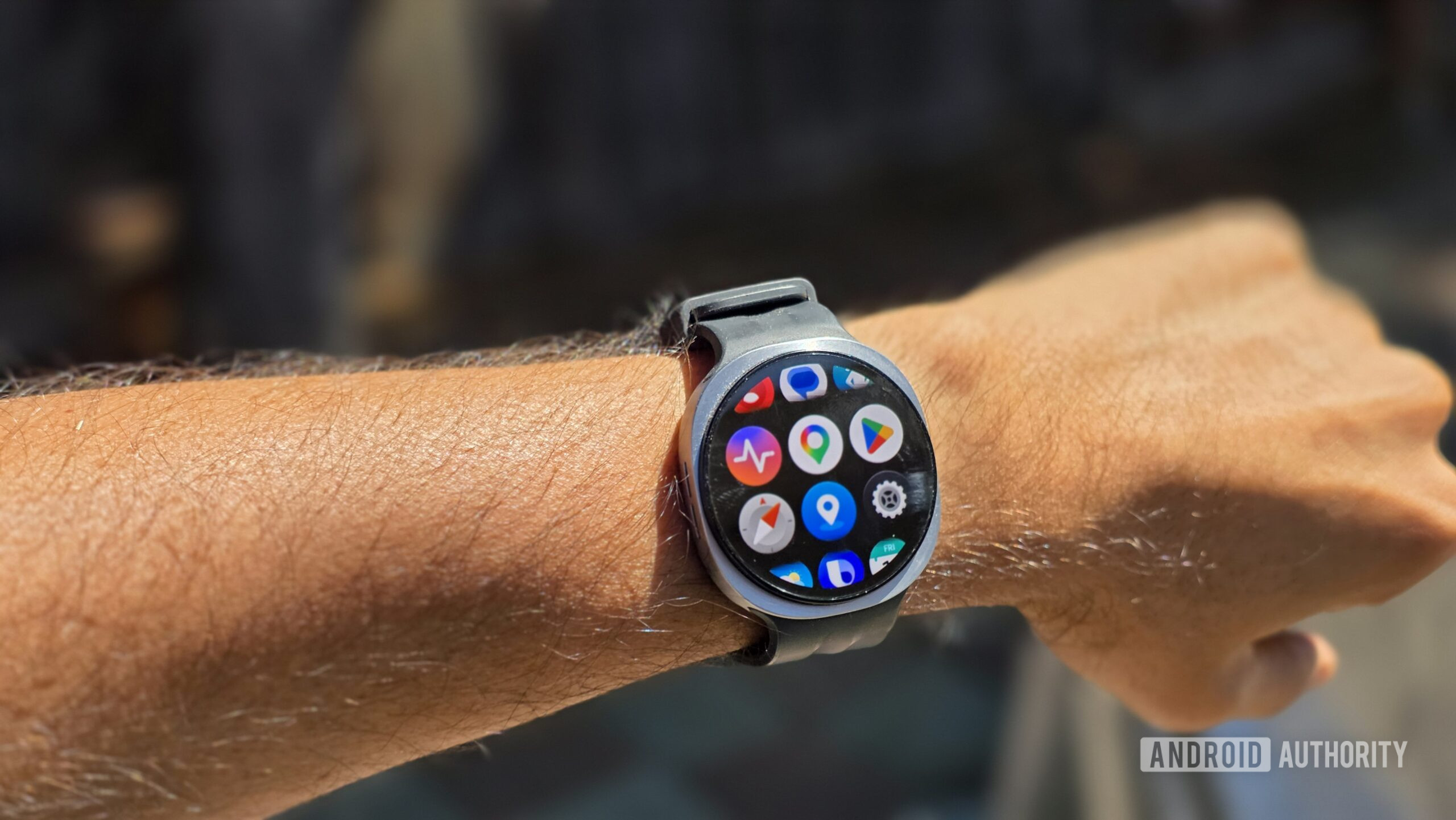
A significant consideration for users is the ecosystem lock-in for certain advanced health features. While basic Samsung Health functionality is compatible with any Android device, features such as ECG, irregular heart rhythm notifications, and sleep apnea detection are officially exclusive to users pairing their watch with a Samsung Galaxy phone. This limitation could be a deterrent for users of other Android brands, such as Google Pixel or OnePlus devices.
The Lingering Weakness: Battery Endurance
The most significant and persistent drawback of the Galaxy Watch 9, and indeed many of its predecessors, lies in its battery performance. Despite a marginal increase in battery capacity—the 44mm model now houses a 445mAh cell, a 10mAh increase over the Watch 8 and a 20mAh increase over the Watch 7—the real-world difference is described as negligible.
In typical usage scenarios, with the always-on display deactivated and approximately one hour of workout tracking per day, the reviewer observes around 30 to 35 hours of battery life. More demanding days, involving extended periods of activity such as DJing for three hours and logging around 20,000 steps, can deplete the battery to critical levels (around 15%) within 24 hours.
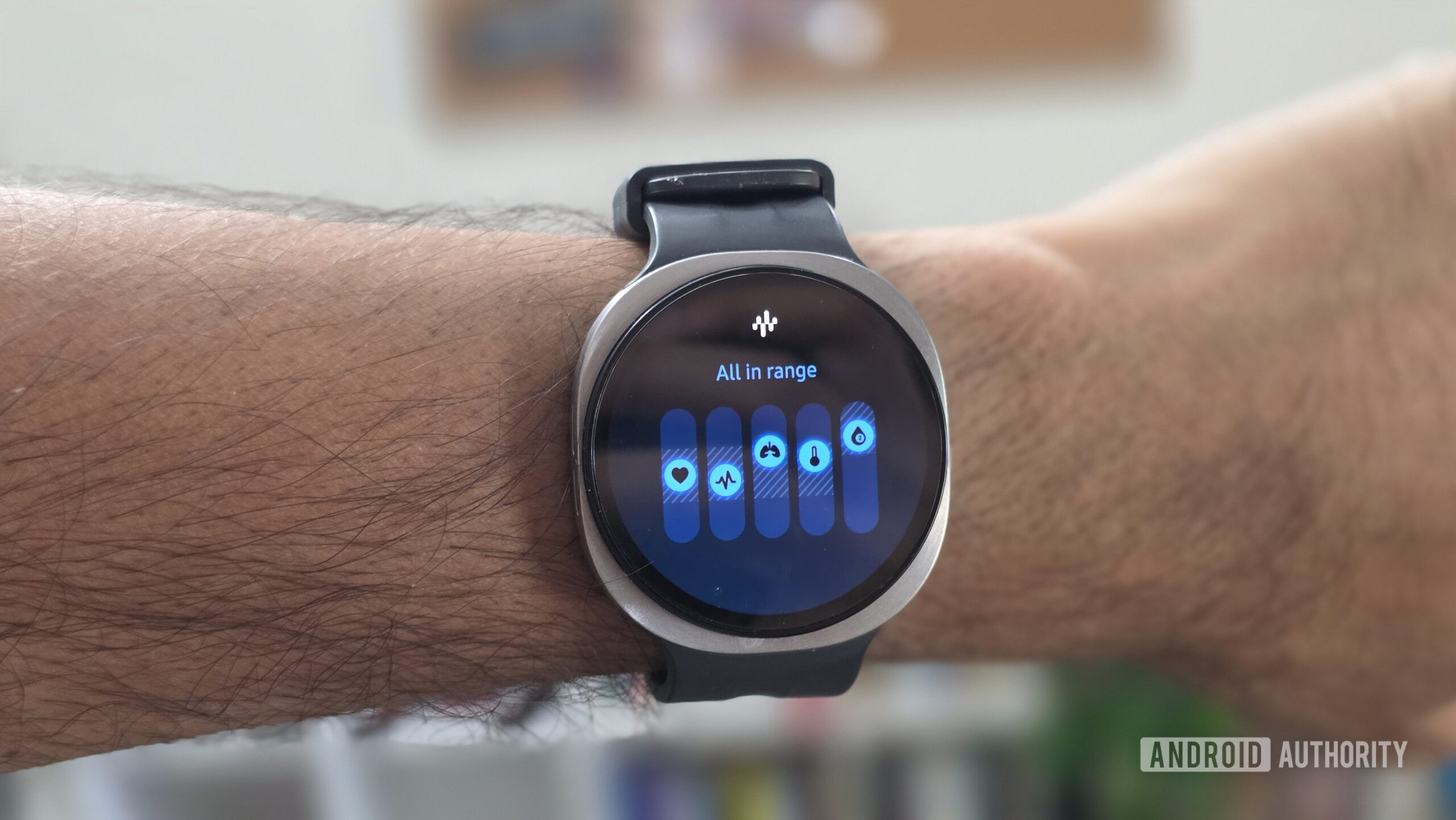
A particularly frustrating aspect of the battery performance is its unpredictability overnight. There have been instances where the watch, starting the evening with a respectable charge (e.g., 40%), has been found dead upon waking, resulting in the loss of valuable sleep data. This inconsistency, even after upgrading to a newer processor and a slightly larger battery, is a source of considerable disappointment. The expectation was that two generations of development would yield a substantial improvement in this critical quality-of-life aspect.
Samsung has also failed to accelerate the charging process. A full charge for the Galaxy Watch 9 still takes over an hour and a half. Crucially, even a brief 10-15 minute charge does not provide a significant power boost, with the watch typically gaining only about one percentage point per minute. This stands in stark contrast to competitors like the Google Pixel Watch 5, whose 45mm model offers up to 40 hours of battery life, including with the always-on display enabled, and can reach 50% charge in approximately 15 minutes, with a full charge in about an hour. This rapid charging capability significantly mitigates the annoyance of mediocre battery life, allowing for quick top-ups before heading out. The Galaxy Watch 9, conversely, effectively becomes unusable if not charged for at least 30-40 minutes.
It is worth noting that the 40mm model of the Galaxy Watch 9 received a more substantial battery capacity upgrade, increasing to 390mAh from the 325mAh of the Watch 8. However, Samsung claims similar runtime figures for both sizes, tempering optimism about significantly better endurance in the smaller variant.
Verdict: A Strong Contender Hampered by Familiar Flaws
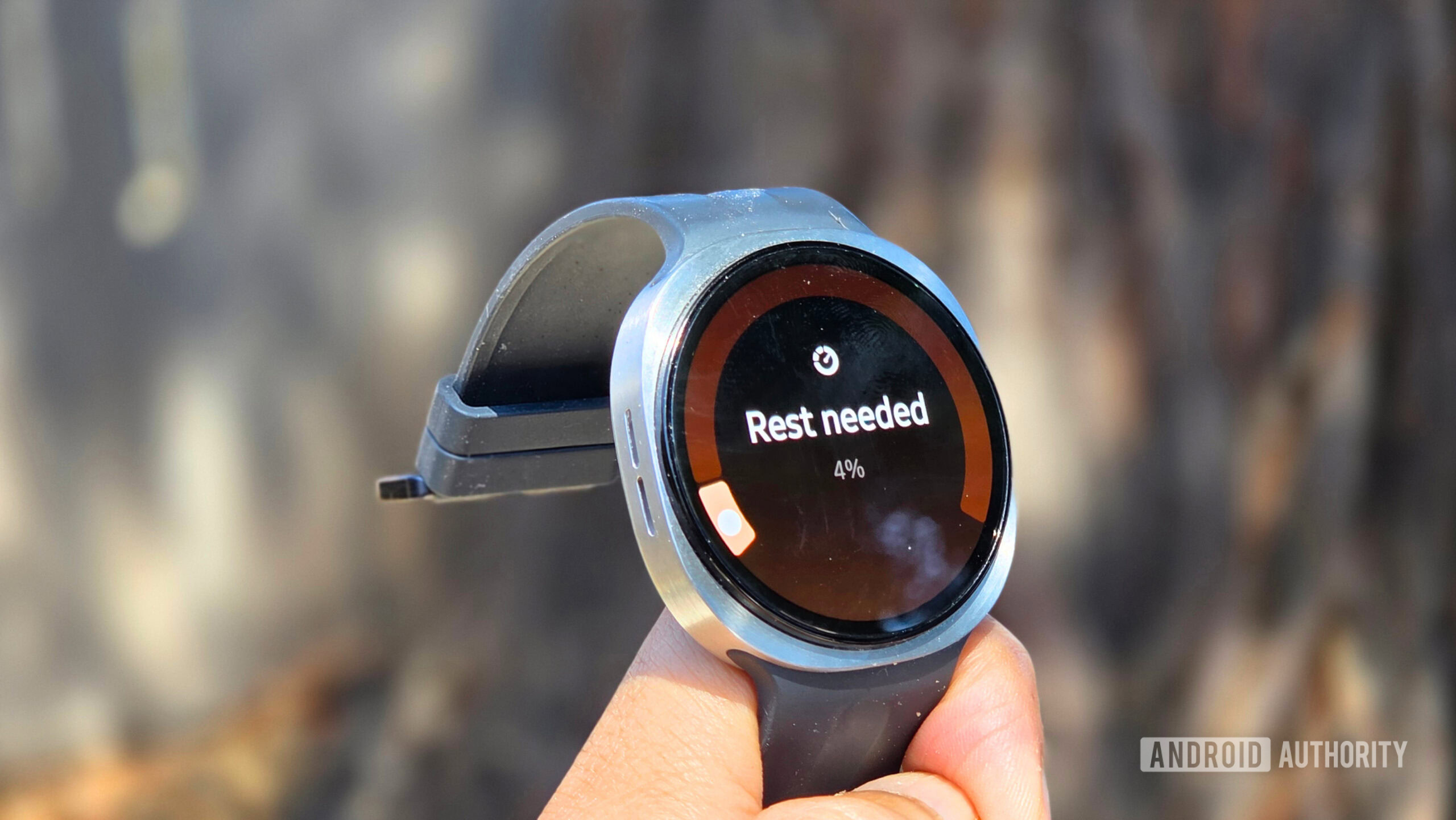
The Samsung Galaxy Watch 9 is, by all accounts, a very capable smartwatch. Its comfortable design, bright and clear display, smooth performance, comprehensive health and fitness tracking, and robust software support make it an attractive option for many users. For individuals purchasing their first smartwatch or upgrading from a device that is three to four years old, the improvements will likely feel substantial and satisfying.
However, the persistent issue of battery life prevents a wholehearted recommendation. The lack of significant improvement in either battery endurance or charging speed means that the core experience remains tethered to nightly charging rituals. This oversight is particularly disappointing given the advancements in other areas of the device, such as the new processor.
For users prioritizing battery life, alternatives such as the OnePlus Watch 3, which offers multi-day endurance while still running Wear OS, or the Amazfit Balance series, which provides even longer battery life at the cost of Google’s app ecosystem, present compelling options. The Samsung Galaxy Watch Ultra 2, while offering exceptional multi-day battery life thanks to its large 800mAh battery, comes at a significantly higher price point and a bulkier form factor.
For those considering Samsung, the Galaxy Watch 8 remains a highly relevant alternative. It offers approximately 90% of the Watch 9’s experience, including a similar design, display, health sensors, and durability, albeit with an older processor and a shorter software support window. If available at a reduced price, the compromises may be well worth the savings.
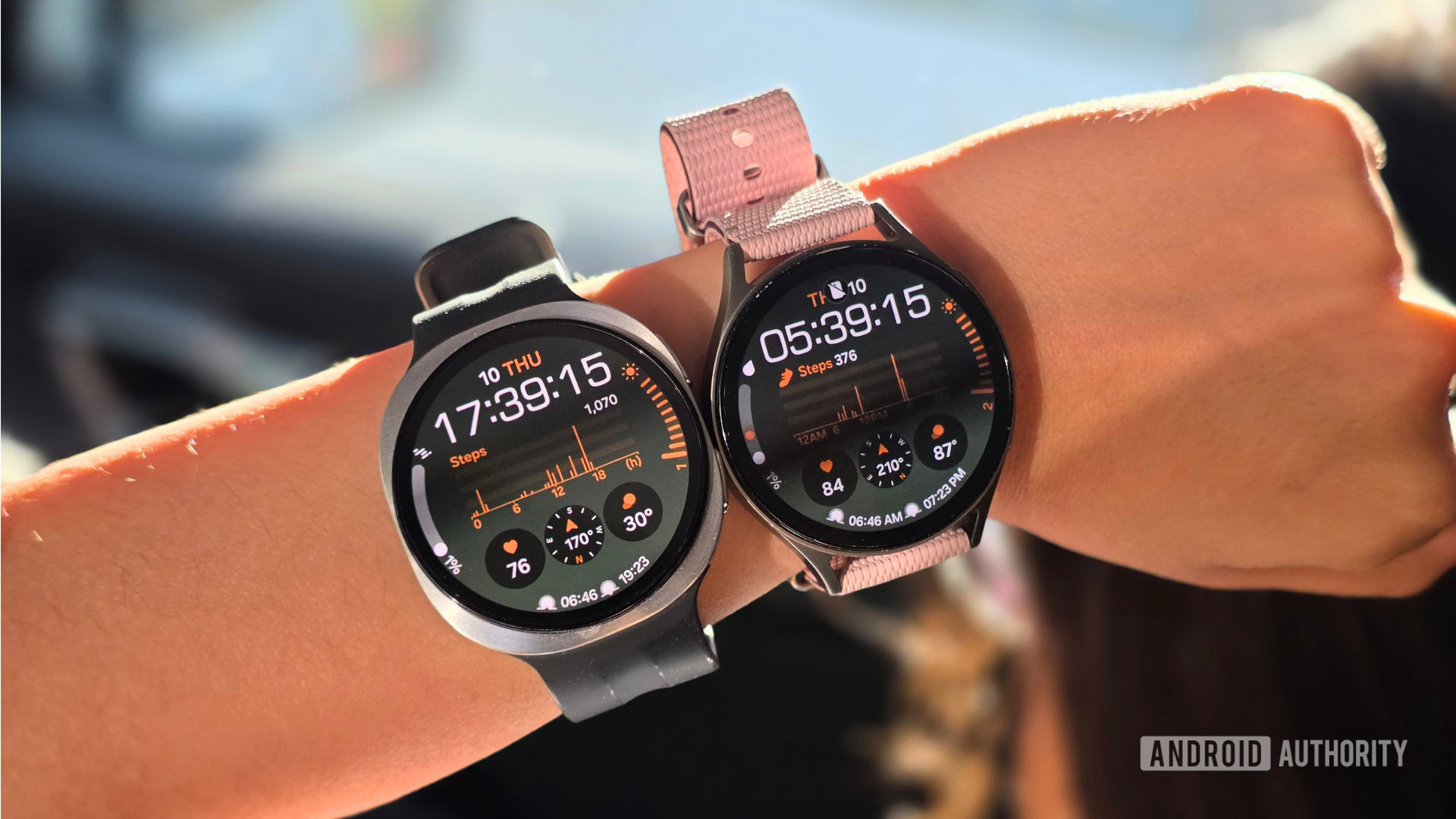
Similarly, the Google Pixel Watch 5 stands out as a strong competitor, particularly for its faster charging capabilities, which directly address a major pain point of the Galaxy Watch 9. Discounts on the Pixel Watch 4 also continue to make it a viable consideration.
In conclusion, the Samsung Galaxy Watch 9 represents an iterative refinement of an already strong product. While it excels in comfort, display quality, and health features, its failure to address the long-standing battery life concerns leaves a significant asterisk on an otherwise impressive package. Users who can tolerate nightly charging will find a sophisticated and capable device, but those seeking true battery freedom may need to look elsewhere.