Metty Iskandar
The conversation around personal data privacy has long been polarized, with many dismissing its importance as a niche concern for the tech-savvy or overly cautious. This perspective, however, overlooks the tangible risks and insidious impacts of pervasive data collection in our increasingly digital lives. Recent discussions, even within tech circles, reveal a prevalent apathy, suggesting a widespread misunderstanding of why safeguarding personal information online is a critical issue for everyone.
This article explores the multifaceted threats posed by extensive data collection, from the direct risks of personal information falling into the wrong hands to the subtle manipulation enabled by targeted advertising and the heightened effectiveness of scams. It aims to demystify the complexities of data privacy and underscore why a proactive approach is not just advisable, but essential for individual security and well-being.
The Erosion of Privacy: A Growing Concern
The notion that online privacy is unimportant often stems from a belief that individuals have little to hide or that the convenience offered by digital services outweighs the potential risks. However, this viewpoint fails to account for the sheer volume and sensitivity of data collected by companies, the vulnerabilities inherent in data storage, and the sophisticated methods employed by malicious actors.
A significant catalyst for shifting perspectives on data privacy has been the increasing frequency and scale of data breaches. These incidents, often affecting major corporations and service providers, expose vast amounts of personal information, including names, addresses, financial details, and social security numbers. The consequences of such breaches extend far beyond inconvenience; they can lead to identity theft, financial fraud, and significant emotional distress.
Consider the impact of a single large-scale data breach. When a company, whether a retailer, a financial institution, or a social media platform, suffers a compromise, millions of user records can become accessible to cybercriminals. This data can then be sold on the dark web, becoming a commodity for those seeking to exploit individuals. For the average user, this means that even if they are meticulous about their own online behavior, their personal information can be compromised through third-party vulnerabilities. This was exemplified by a recent incident where an unused app, dormant for years, experienced a breach, forcing the user to reset credentials for over 100 accounts due to password reuse – a common practice before the widespread adoption of password managers.
Furthermore, the proliferation of data brokers, companies that aggregate and sell personal information, exacerbates the problem. These entities collect data from a multitude of sources, creating comprehensive profiles that can be used for various purposes, often without the explicit consent or full awareness of the individuals involved. The sheer interconnectedness of digital services means that a single piece of information shared with one entity can, through data brokering, become part of a much larger, potentially exploitable, dossier.
Targeted Advertising: Preying on Vulnerabilities
Beyond the direct threat of data breaches, the pervasive nature of targeted advertising presents a more insidious challenge to personal privacy. While often perceived as a benign tool for delivering relevant product recommendations, targeted advertising can, and frequently does, exploit individual vulnerabilities.

The algorithms driving these advertisements analyze a wealth of user data, including browsing history, demographic information, search queries, and even social media interactions. This granular understanding of user behavior allows advertisers to tailor messages that resonate with specific psychological profiles, financial situations, or health concerns.
Personal anecdotes highlight the manipulative potential of this practice. For instance, after disclosing diagnoses for ADHD and autism, individuals have reported being bombarded with advertisements for services offering guidance and analysis related to these conditions. While seemingly helpful, these services often lead to paywalls or solicitations for expensive, unproven treatments. Similarly, searches for plus-size clothing have sometimes been accompanied by aggressive weight-loss advertisements, inducing anxiety rather than providing solutions. Encounters with information about chronic pain and migraines have also led to targeted ads promoting mindfulness cures, a simplistic approach to complex medical conditions.
The implications of such targeted campaigns are particularly concerning in industries like gambling and sports betting, where vulnerability can be a key factor in attracting customers. Advertisers can leverage data to identify individuals who may be more susceptible to addictive behaviors, making these platforms more predatory. The ethical boundaries of data usage for advertising are frequently tested, with the primary goal being not user benefit, but advertiser profit, often at the expense of individual well-being.
Data Collection Fuels Sophisticated Scams
The extensive collection of personal data not only makes individuals vulnerable to advertising but also significantly enhances the effectiveness of fraudulent activities, particularly spear phishing. Spear phishing involves highly personalized scam attempts that leverage specific information about the target to build credibility and deceive them.

When scammers possess detailed knowledge about an individual’s personal life, professional connections, or family relationships, they can craft highly convincing fraudulent communications. For example, a scammer who knows an individual’s workplace could impersonate a colleague or supervisor to request sensitive information or authorize a financial transfer. Similarly, knowledge of family members can be used to simulate a distressed loved one in need of immediate financial assistance.
The rise of generative AI has further amplified this threat. Sophisticated AI tools can now create highly realistic voice impersonations and deepfake videos, making it increasingly difficult to distinguish between genuine and fraudulent communications. This means that even individuals who are generally wary of online scams can be tricked, or their family members can be targeted and manipulated. The creation of duplicate social media profiles using publicly available images and personal details is another tactic employed to deceive acquaintances and exploit trust. The more data available about an individual, the more potent these personalized attacks become.
The Algorithmic Trap: Engagement Over Well-being
Social media platforms, while offering avenues for connection and information, also employ sophisticated algorithms that utilize engagement data to keep users hooked. This data, reflecting what users click on, watch, and interact with, is used to curate content feeds designed to maximize time spent on the platform. While this can lead to discovering new interests, it also has significant downsides.
Many users report feeling trapped in content loops, spending far more time scrolling than intended. This can be attributed to algorithms that prioritize engagement, even if the content is detrimental to the user’s mental well-being. The phenomenon of "rage bait"—content designed to provoke strong emotional reactions and thereby increase engagement—is a prime example.

The author’s personal experience with chronic migraine groups on Facebook illustrates this point. While initially seeking useful medical advice, the feed became dominated by content emphasizing the difficulties of living with the condition. While well-intentioned, this constant reinforcement of a chronic disability can be demoralizing. Moreover, misleading titles on articles, designed to elicit clicks, can lead users to engage with debunked cures or irrelevant information, perpetuating a cycle of unhelpful content. This highlights how engagement data, even when stemming from genuine interest or concern, can be weaponized by algorithms to create echo chambers that may not serve the user’s best interests.
Taking Control: Strategies for Enhanced Online Privacy
Despite the pervasive nature of data collection, individuals are not entirely powerless. A proactive approach to managing one’s digital footprint can significantly mitigate risks. The following strategies offer a pathway towards greater online privacy and security:
Embracing Privacy-Focused Services
A fundamental step is to migrate towards services that prioritize user privacy. This includes:
- Privacy-Centric Browsers and Search Engines: Opting for browsers like Brave or DuckDuckGo, which block trackers and offer enhanced privacy features, can significantly reduce online surveillance. Similarly, using privacy-focused search engines minimizes the data collected about your search queries.
- Adjusting Settings on Mainstream Platforms: For those who continue to use services like Google or Meta platforms, actively managing privacy settings is crucial. This includes reviewing and adjusting search history, ad personalization, and data sharing preferences within account settings.
Minimizing Data Disclosure
When signing up for new services or applications, it is essential to be judicious about the information provided:

- Provide Only Necessary Information: Resist the urge to fill in optional fields or provide more data than strictly required for the service to function.
- Utilize Email Aliases: For newsletters, app trials, or non-essential registrations, using email aliases can protect your primary email address from being directly exposed to data brokers and spammers.
- Account Deletion: Regularly review the services you use and consider deleting accounts for those no longer needed. This reduces the number of places where your data is stored and potentially vulnerable.
Navigating Social Media Privacy
Social media platforms present unique challenges, but user control can be enhanced:
- Ad Preference Management: Platforms like Meta (Facebook and Instagram) offer settings to manage ad preferences. Users can opt out of specific ad topics (e.g., weight loss, gambling, politics) to limit exposure to potentially manipulative or triggering content. These settings are often buried within account centers but are vital for controlling ad targeting.
- Chronological or Following Feeds: Where available, switching to chronological or following feeds provides a more curated and less algorithmically manipulated content experience.
- Usage Limits: Setting time limits for app usage and consciously reducing time spent on these platforms can help regain control over digital consumption.
Combating Data Broker Exposure and Leaks
Addressing the broader issue of data exposure requires a multi-pronged approach:
- Data Broker Opt-Outs: In regions with data privacy regulations, services exist to help individuals remove their information from data broker databases. Manually requesting removal from specific data broker websites is also an option.
- Monitoring for Data Breaches: Utilizing password managers with dark web monitoring features can alert users if their credentials have appeared in known data breaches. Websites like HaveIBeenPwned.com allow individuals to check if their email addresses or phone numbers have been compromised in past leaks.
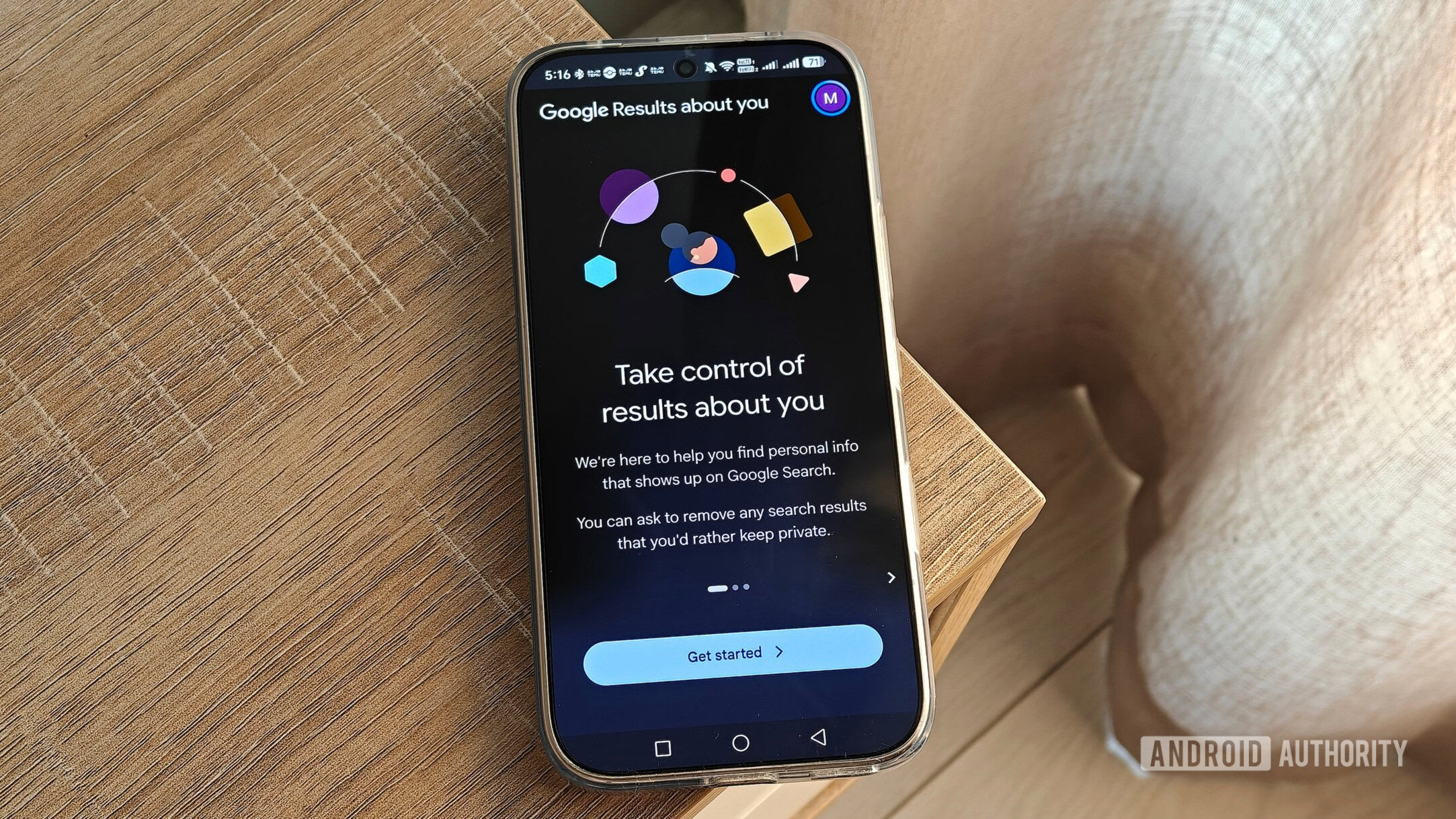
- Google’s "Results About You" Tool: Google offers a tool that allows users to monitor search results for their private information and request its removal, providing a direct avenue for managing public search visibility.
Conclusion: A Continuous Effort for Digital Security
Managing online privacy is an ongoing process, akin to playing a continuous game of digital defense. Even with diligent personal efforts, the actions of companies that collect excessive data or fail to comply with regulations can create vulnerabilities. However, by remaining proactive, adopting privacy-conscious habits, and utilizing the available tools and settings, individuals can significantly mitigate the risks associated with data collection. The shift towards privacy-focused applications and the strategic use of tools like email aliases are not merely technical adjustments; they represent a crucial step towards reclaiming control over personal information and fostering a more secure digital existence. The time to prioritize online privacy is now, for the sake of individual well-being and the integrity of our digital lives.