Metty Iskandar
Motorola’s highly anticipated entry into the book-style foldable market, the Razr Fold (2026), has officially landed on US shores, with Verizon now offering the device alongside updated iterations of the Razr Ultra, Razr Plus, and the entry-level Razr. This expansion follows Motorola’s recent unveiling of the limited-edition Swarovski edition Razr (2026) and the Moto Watch Ultra at IFA 2026. While some models have seen staggered releases, Verizon has confirmed nationwide availability for the Razr Fold (2026), Razr Plus (2026), and the exclusive Swarovski-branded Razr (2026), further solidifying Motorola’s ambitious foldable strategy for the year.
Expanding the Foldable Ecosystem: A Strategic Rollout
The availability of the Razr Fold (2026) through a major carrier like Verizon marks a significant milestone for Motorola’s premium foldable aspirations. The device, which debuted in May, is now accessible to a broader consumer base, underscoring Motorola’s commitment to competing in the high-end smartphone segment. This rollout strategy, which began with direct sales and is now expanding to carrier partnerships, aims to capture a larger market share in the rapidly evolving foldable phone landscape.
Verizon’s announcement detailed not only the smartphone offerings but also the availability of the Moto Watch Ultra. In a compelling promotional offer, customers purchasing any of the new Motorola foldable devices or bringing their existing phones to Verizon can receive the Moto Watch Ultra for free, contingent on adding a new watch line. This bundled approach aims to incentivize adoption of Motorola’s connected ecosystem, promoting a synergistic user experience between their foldable devices and wearable technology.
Pricing and Market Positioning
The retail pricing for these devices through Verizon presents a slight divergence from Motorola’s direct-to-consumer pricing. The Razr Fold (2026) is listed at $1,949.99 on Verizon’s platform, a marginal increase from the $1,899.99 price point found on Motorola’s official US website. This pricing positions the Razr Fold (2026) firmly within the premium segment of the foldable market, directly competing with other high-end devices that offer expansive displays and advanced features.
The Razr Plus (2026) maintains its established price of $1,099.99, offering a more accessible entry into Motorola’s premium foldable lineup. Meanwhile, the Swarovski-branded Razr (2026), a testament to Motorola’s penchant for luxury collaborations, sees a $100 price adjustment, bringing its cost to $900 from its initial launch price of $800. This premium variant caters to a niche market seeking unique design elements and exclusivity, further diversifying Motorola’s foldable portfolio.
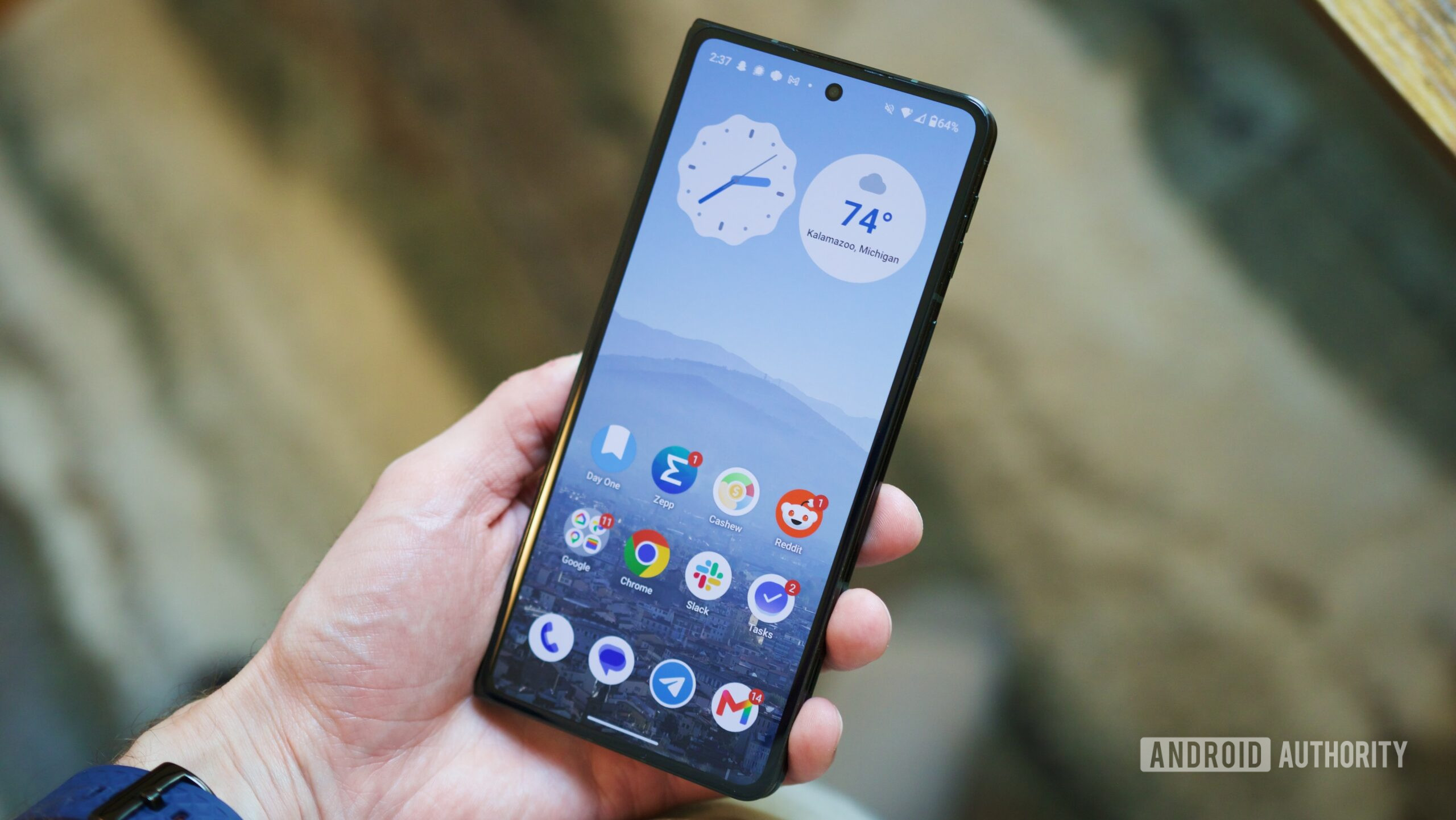
Deep Dive into the Motorola Razr Fold (2026)
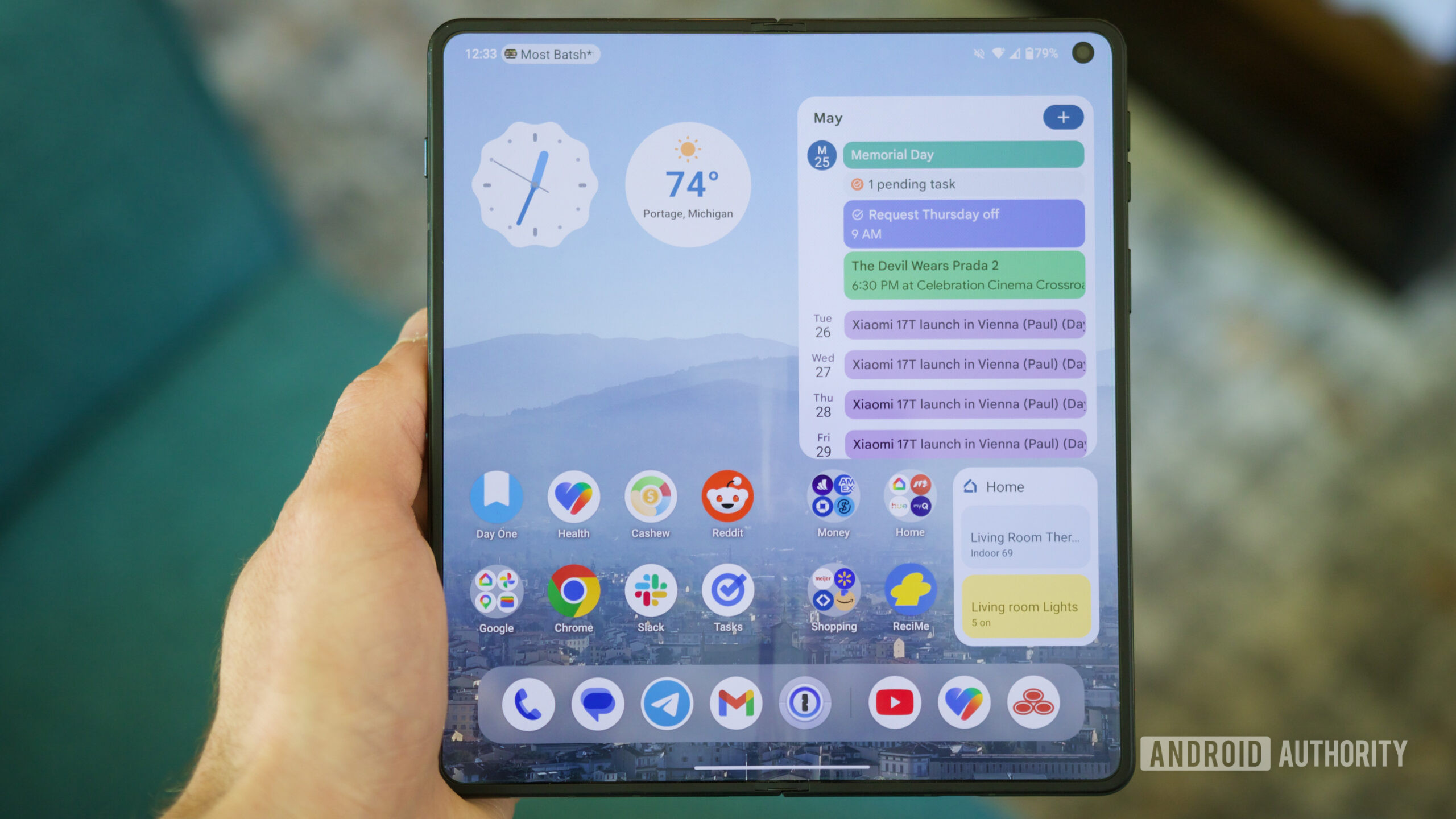
The Razr Fold (2026) represents Motorola’s bold step into the book-style foldable form factor, a design that has gained significant traction in the market. At its core is a sprawling 8.1-inch OLED inner display, designed to offer a tablet-like experience for enhanced productivity and immersive entertainment. Complementing this is a substantial 6.6-inch OLED cover screen, providing convenient access to essential functions and notifications without needing to unfold the device.
In terms of imaging capabilities, the Razr Fold (2026) boasts a versatile triple-camera array on its rear. This setup includes a 50MP primary wide sensor, a 50MP periscope telephoto camera capable of 3x optical zoom for detailed close-ups, and another 50MP ultrawide unit for expansive shots. For selfies and video calls, a 32MP sensor is integrated into the inner display, while the cover screen features a 20MP sensor, offering flexibility for capturing content from various angles.
Under the hood, the Razr Fold (2026) is powered by the formidable Qualcomm Snapdragon 8 Gen 5 chipset, a testament to Motorola’s commitment to delivering top-tier performance. This is complemented by a generous 16GB of RAM and 512GB of internal storage, which is expandable, ensuring ample space for applications, media, and files. The device’s substantial 6,000mAh battery is designed to provide all-day power, even with extensive use of its large displays.
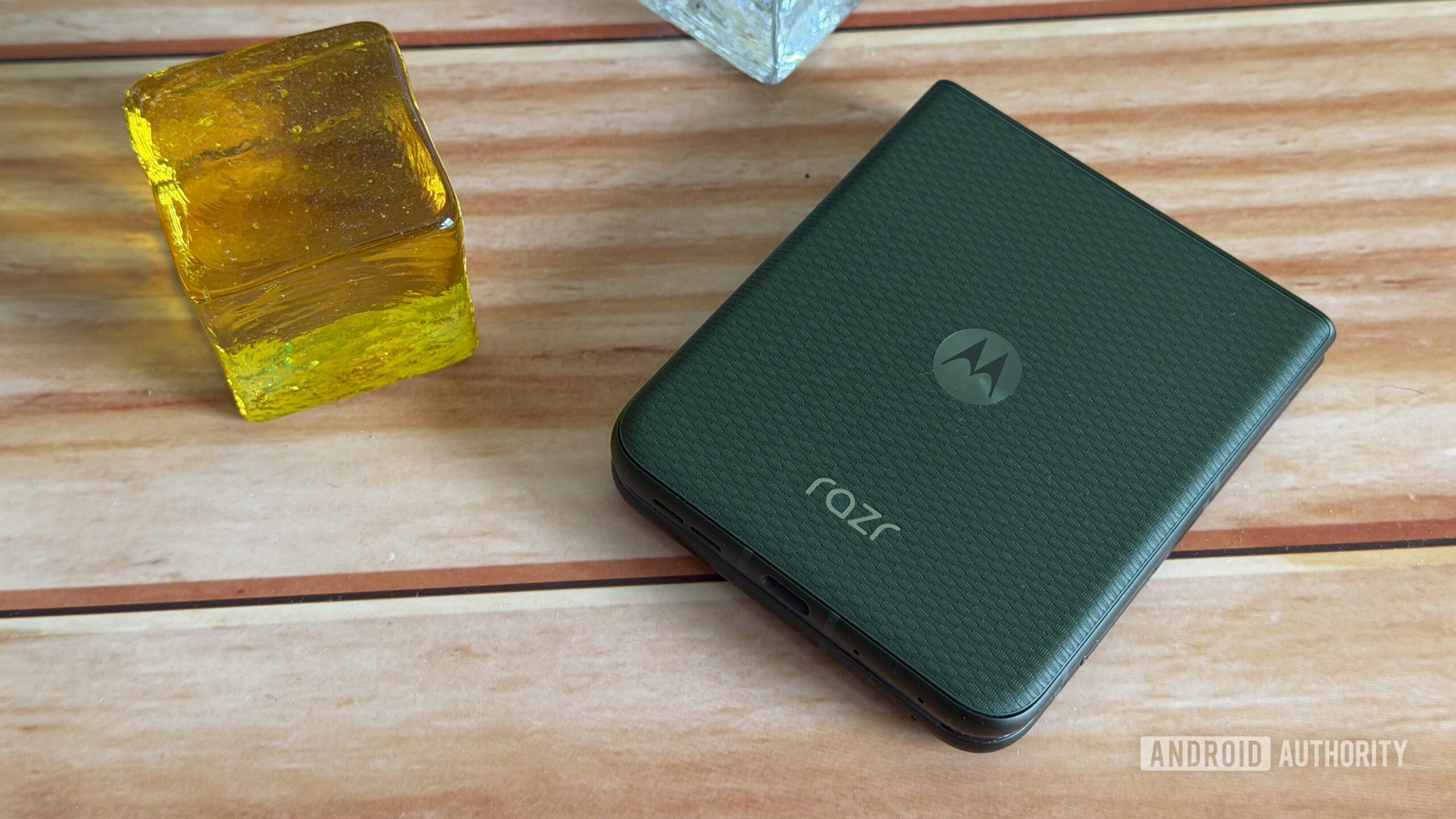
The Refined Flip: Motorola Razr Plus (2026)
The Razr Plus (2026) continues Motorola’s legacy in the more traditional flip-style foldable segment. This model features a vibrant 6.9-inch foldable OLED main display, offering a familiar yet expansive viewing experience. Its prominent 4-inch cover display is a key differentiator, providing a highly functional external interface for quick interactions and app usage.
Powering the Razr Plus (2026) is the efficient yet powerful Snapdragon 8s Gen 3 SoC, balancing performance with battery life. Verizon offers this model in a single configuration: 256GB of internal storage paired with 12GB of RAM. A 4,500mAh battery supports the device, which is complemented by 45W fast charging capabilities. The camera system on the Razr Plus (2026) includes two 50MP sensors on the cover screen, accompanied by a 32MP selfie camera on the inner display, offering a well-rounded photography experience for a flip phone.
A Touch of Glamour: Swarovski Edition Razr (2026)
The Swarovski edition Razr (2026) builds upon the foundation of the standard Razr (2026), infusing it with an element of luxury and distinctive design. This model shares the core hardware specifications with its non-embellished counterpart, featuring a 6.9-inch foldable OLED main screen and a 3.6-inch AMOLED cover display. However, its standout feature is the inclusion of a 32-facet crystal integrated into the hinge, a subtle yet striking upgrade that elevates its aesthetic appeal.
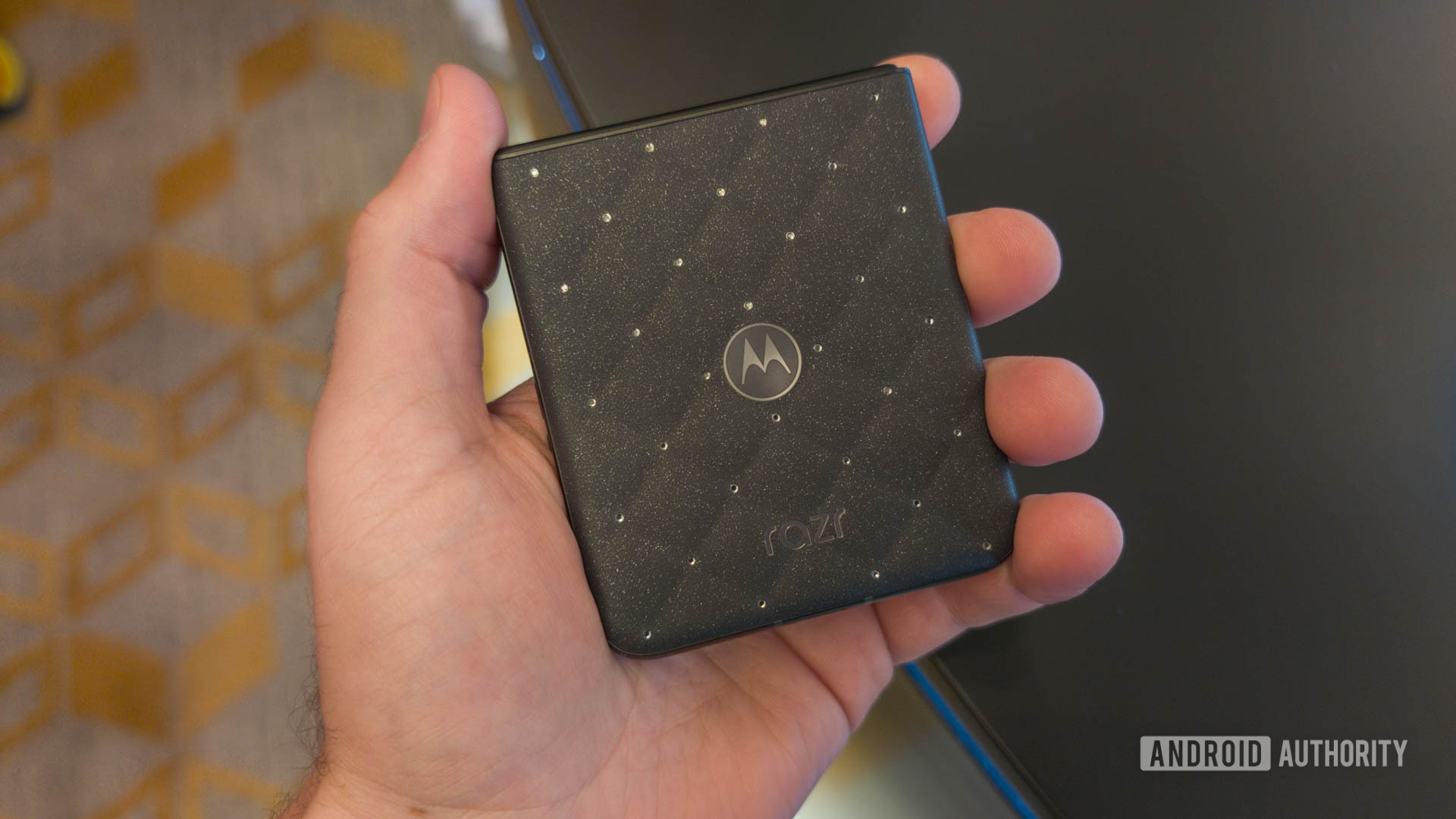
While the standard Razr (2026) utilizes MediaTek’s Dimensity 7450X chip, this special edition is expected to feature comparable or slightly enhanced performance to match its premium positioning. The device is equipped with a 4,800mAh battery, which Motorola anticipates will provide more than a full day of usage under typical conditions. This variant targets consumers who appreciate both cutting-edge technology and exclusive, design-forward accessories.
Software Support and Longevity
All three foldable models, including the Razr Fold (2026), Razr Plus (2026), and the Swarovski edition, are launching with Android 16. Motorola has committed to ongoing software support, with Android 17 anticipated for future updates. A significant differentiator in their support policies lies in the longevity of updates. The Razr Fold (2026) stands out with a commitment to seven major Android updates and seven years of security patches, positioning it as a long-term investment. In contrast, the Razr Plus (2026) and the Swarovski-branded Razr (2026) are slated to receive three major Android updates and four years of security updates. This tiered support strategy reflects the different market segments each device aims to capture, with the flagship Fold receiving the most extensive long-term care.
The Return of Motorola to Wear OS: Moto Watch Ultra
The Moto Watch Ultra signifies Motorola’s strategic re-entry into the Wear OS ecosystem, a platform they were instrumental in launching in its earlier iterations as Android Wear. This smartwatch boasts a vibrant 1.5-inch pOLED display with an impressive peak brightness of 2,700 nits, ensuring excellent visibility even in bright sunlight. The device is powered by the efficient Snapdragon W5 Plus Gen 1 chip, promising robust performance and optimized power consumption.
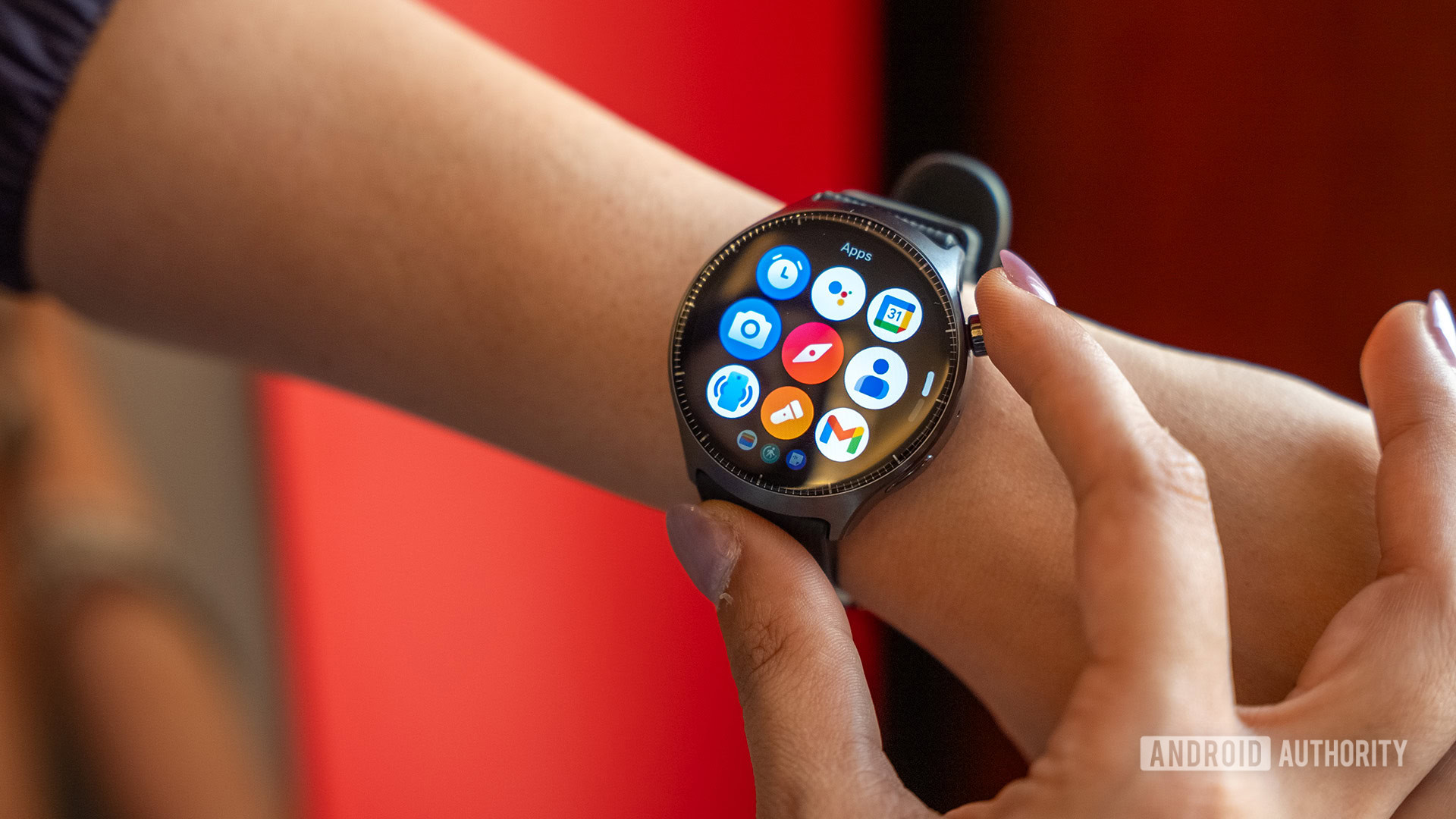
Motorola has engineered the Moto Watch Ultra to offer extended battery life, with the 550mAh battery capable of delivering up to two days of usage on a single charge. This blend of advanced display technology, capable processing, and extended battery life positions the Moto Watch Ultra as a competitive offering in the premium smartwatch market, especially when bundled with Motorola’s foldable devices.
Industry Implications and Consumer Choice
The expanded availability of Motorola’s 2026 foldable lineup through Verizon signifies a growing maturity in the foldable smartphone market. Carriers are increasingly recognizing the demand for these innovative devices, and partnerships with manufacturers like Motorola are crucial for wider adoption. The diverse range of offerings, from the expansive Razr Fold to the stylish Swarovski edition and the practical Razr Plus, provides consumers with a spectrum of choices catering to different preferences and budgets.
The competitive pricing, especially for the Razr Plus, challenges established players and potentially lowers the barrier to entry for consumers considering their first foldable. Furthermore, Motorola’s commitment to extended software support for its flagship Razr Fold (2026) addresses a key concern for many consumers regarding the longevity and value of their device investment. This strategic rollout, coupled with compelling companion device offerings like the Moto Watch Ultra, positions Motorola to make a significant impact in the premium smartphone and wearable technology segments throughout the remainder of 2026 and beyond.