Garick Elordi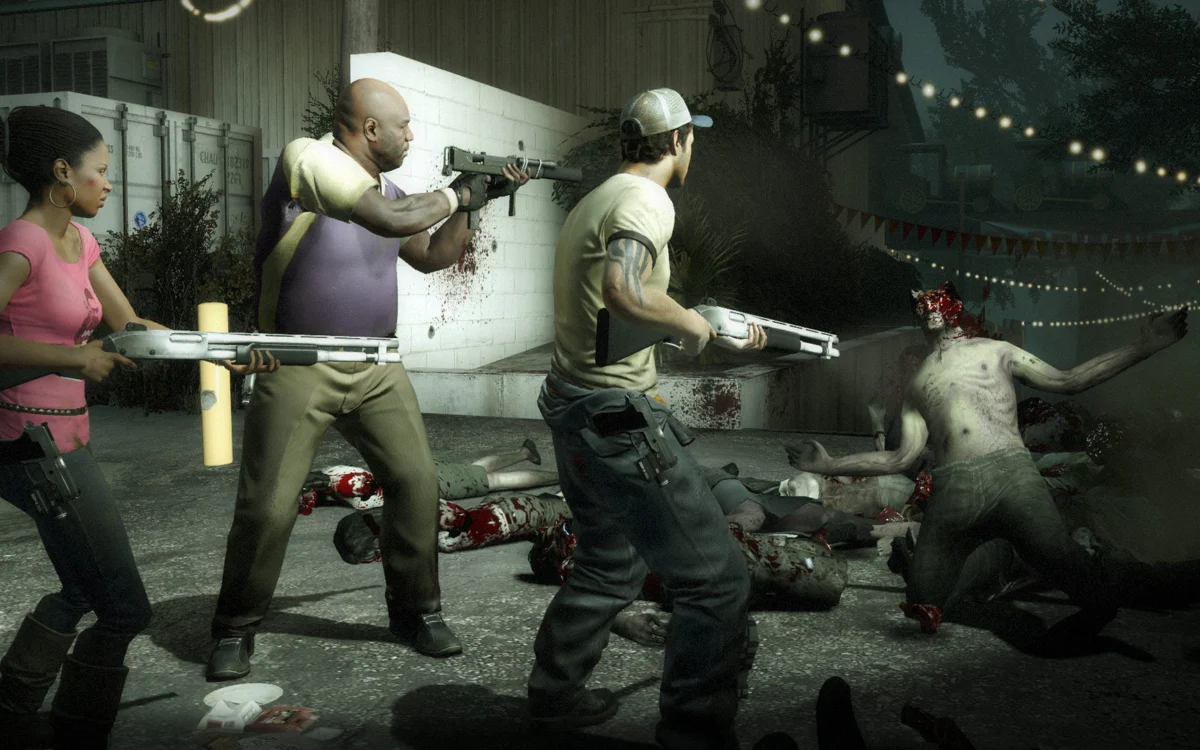
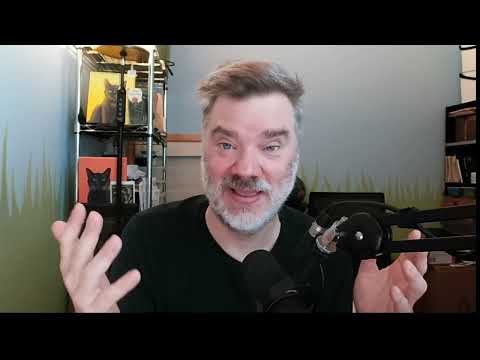
In a revelation that sheds new light on the friction between game developers and regulatory bodies during the late 2000s, former Valve writer Chet Faliszek has disclosed that the studio intentionally "leaked" the debut trailer for Left 4 Dead 2. The strategic move was designed to bypass the Entertainment Software Rating Board (ESRB) and other international censors who were threatening to suppress the game’s promotional materials due to their graphic depictions of violence, gore, and profanity. Speaking in a recent retrospective video regarding cut content and development hurdles, Faliszek admitted that the studio felt backed into a corner by a regulatory climate that was increasingly hostile to the horror genre.
The decision to leak the trailer was not merely a marketing stunt but a calculated maneuver to ensure the game’s vision reached its audience without being sanitized by administrative oversight. At the time, Valve was embroiled in a multi-front battle with rating boards across the globe, including the ESRB in the United States, the Classification Board in Australia, and the Unterhaltungssoftware Selbstkontrolle (USK) in Germany. These organizations had expressed significant concerns over the sequel’s increased level of dismemberment and the frequent use of strong language by its four protagonists.
The Climate of Censorship in 2009
To understand Valve’s decision, one must look at the industry landscape in 2009. The mid-to-late 2000s represented a peak in the "moral panic" regarding video game violence. Only two years prior, Rockstar Games’ Manhunt 2 had been slapped with an "Adults Only" (AO) rating by the ESRB and was effectively banned in the United Kingdom and Ireland. An AO rating is often considered a "death sentence" for mainstream titles, as major retailers like Walmart, Target, and Best Buy refuse to stock such products, and console manufacturers like Sony, Microsoft, and Nintendo generally prohibit their release on their platforms.
Valve feared that Left 4 Dead 2, with its advanced "Gore 2.0" system—which allowed for procedural dismemberment, exposed organs, and visible skeletal structures—would trigger a similar regulatory backlash. The ESRB had already shown its willingness to crack down on Valve earlier that year. The original key art for the game featured a hand with the thumb, pinky, and ring finger gnawed off, leaving the index and middle fingers to form a "2." The ESRB objected to the severed digits, forcing Valve to redesign the logo so the missing fingers were merely curled behind the palm.
The Strategy of the "Unsanctioned" Leak
According to Faliszek, the ESRB’s restrictions extended beyond the game itself to its marketing materials. The board had the authority to block trailers from being shown on television or hosted on age-gated sites if they deemed the content "likely to cause serious offense to the average consumer." This policy had already impacted other high-profile titles; 2K Games’ The Darkness and D3 Publisher’s Dark Sector had both seen trailers pulled or heavily edited after they had already begun circulating.
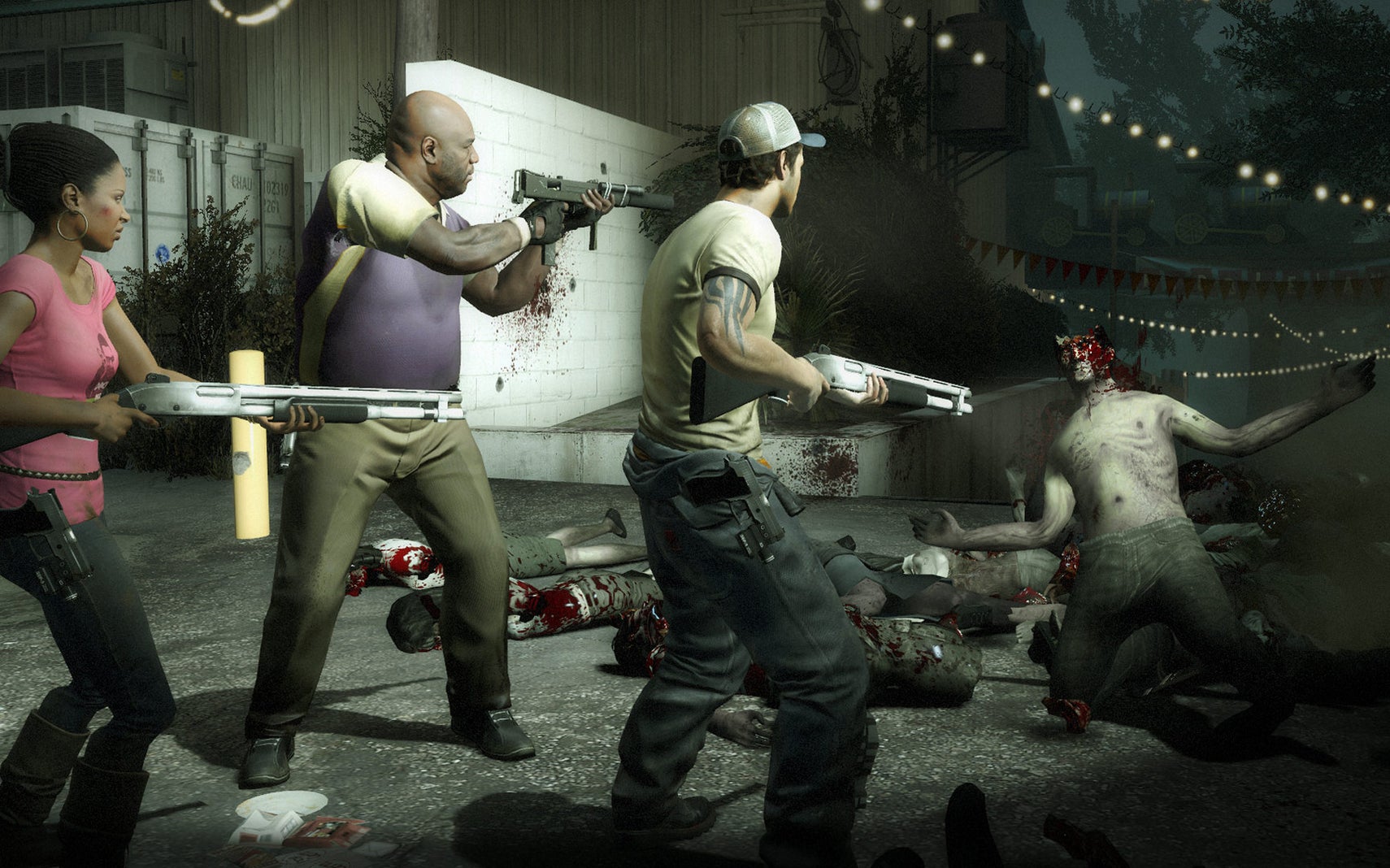
"Valve was in fights with the ESRB, with Australia, with Germany, with a bunch of countries about the profanity in the game, the violence," Faliszek explained. "We leaked our trailer ahead of time because they wouldn’t let us release the trailer."
By "leaking" the footage to various internet forums and fan sites, Valve ensured the trailer became viral before the ESRB could issue a formal injunction or demand edits. Once the footage was in the public domain, the regulatory "genie" could not be put back in the bottle. This footage eventually served as the game’s iconic opening cinematic, establishing the high-octane, brutal tone that fans expected from the sequel to the 2008 breakout hit.
International Roadblocks and the Australian Ban
While the "leak" helped manage the situation in North America, Valve faced even steeper challenges in international markets. In Australia, the game was initially refused classification. At the time, Australia lacked an R18+ rating for video games, meaning any title deemed inappropriate for a 15-year-old was effectively banned from sale. The Australian Classification Board took issue with the "high impact violence," specifically the ability to decapitate and dismember "infected" humans.
To secure a release in Australia, Valve was forced to develop a "low-violence" version of the game. In this edition, corpses disappeared almost instantly upon hitting the ground, blood splatter was significantly reduced, and the "riot police" infected—who wore protective gear—could not be killed with certain weapons. It wasn’t until 2014, after Australia finally introduced an R18+ category for games, that Valve was able to release the uncut version to Australian players via a free DLC update.
The Decade-Long Struggle in Germany
Germany proved to be an even more difficult hurdle. For over a decade, German gamers were restricted to a heavily censored version of Left 4 Dead 2. The USK and the Federal Department for Media Harmful to Young Persons (BPjM) had placed the uncut version of the game on "the Index," a list of media that cannot be advertised or sold openly to minors due to extreme violence.
In the German version, zombies did not catch fire when hit with Molotov cocktails, limbs could not be blown off, and the environmental gore was stripped away. This censorship remained in place until 2021. Following a formal request for re-evaluation by Valve, German authorities finally agreed that the social and artistic context of the game—and the evolving standards of the gaming medium—warranted a change. Eleven years after its initial launch, the uncut international version of Left 4 Dead 2 was finally made available to the German public.
Technical Innovations and the "Gore 2.0" System
The irony of the censorship battles lies in the fact that the very features the ESRB and USK targeted were the ones Valve had spent the most resources developing. Left 4 Dead 2 introduced the "Gore 2.0" system, which was a landmark achievement in game engine technology at the time.
Unlike the first game, where zombies had a few static death animations, the sequel utilized a complex layering system. Characters had "wound textures" that could be applied dynamically based on the caliber of the weapon used and the angle of the shot. This allowed for:
- Procedural Dismemberment: Arms, legs, and heads could be removed at different joints.
- Abdominal Wounds: High-powered shots could expose intestines and internal organs.
- Structural Damage: Players could see through holes blown in the torsos of the infected.
Valve argued that this level of detail was necessary for "gameplay feedback," allowing players to visually assess the damage they were dealing to a massive, encroaching horde. However, to regulators, it was seen as gratuitous, leading to the friction Faliszek described.
Chronology of the Left 4 Dead 2 Rating Controversy
- June 2009: Left 4 Dead 2 is announced at E3. The original "severed fingers" logo is rejected by the ESRB.
- Late 2009: Valve secretly leaks the cinematic trailer to bypass ESRB marketing restrictions.
- September 2009: The Australian Classification Board refuses classification for the game, effectively banning it.
- October 2009: Valve submits a "low-violence" version for the Australian and German markets.
- November 2009: Left 4 Dead 2 launches globally. The US version receives an "M for Mature" rating, avoiding the feared "AO" rating.
- August 2014: Following the introduction of the R18+ rating in Australia, the uncut version is finally released in the region.
- January 2021: German authorities lift the ban on the uncut version after a decade of restricted access.
Broader Implications for the Gaming Industry
The revelation that Valve resorted to "guerrilla marketing" via self-leaking highlights the historically tense relationship between creative expression and corporate compliance. Valve, a company known for its flat management structure and "player-first" philosophy, clearly felt that the traditional channels of approval were insufficient to protect their creative work.
This event also underscores the power shift that was beginning to occur in 2009. As the industry moved away from physical retail and toward digital distribution platforms like Steam, the leverage held by organizations like the ESRB began to shift. While a "Refused Classification" in 2009 meant a game could not be found on store shelves, the digital era has made such restrictions increasingly difficult to enforce.
Today, Left 4 Dead 2 remains one of the most played cooperative shooters on Steam, often seeing tens of thousands of concurrent players more than 14 years after its release. The "leak" that Faliszek admitted to is now seen as a minor footnote in the game’s successful history, but it serves as a stark reminder of the lengths developers once had to go to in order to bypass the gatekeepers of the era. As Faliszek noted, the passage of nearly two decades has likely put Valve in the clear regarding any legal or contractual repercussions, allowing the public to finally see the "behind-the-scenes" maneuvers that saved the game’s identity during a turbulent period in gaming history.