Garick Elordi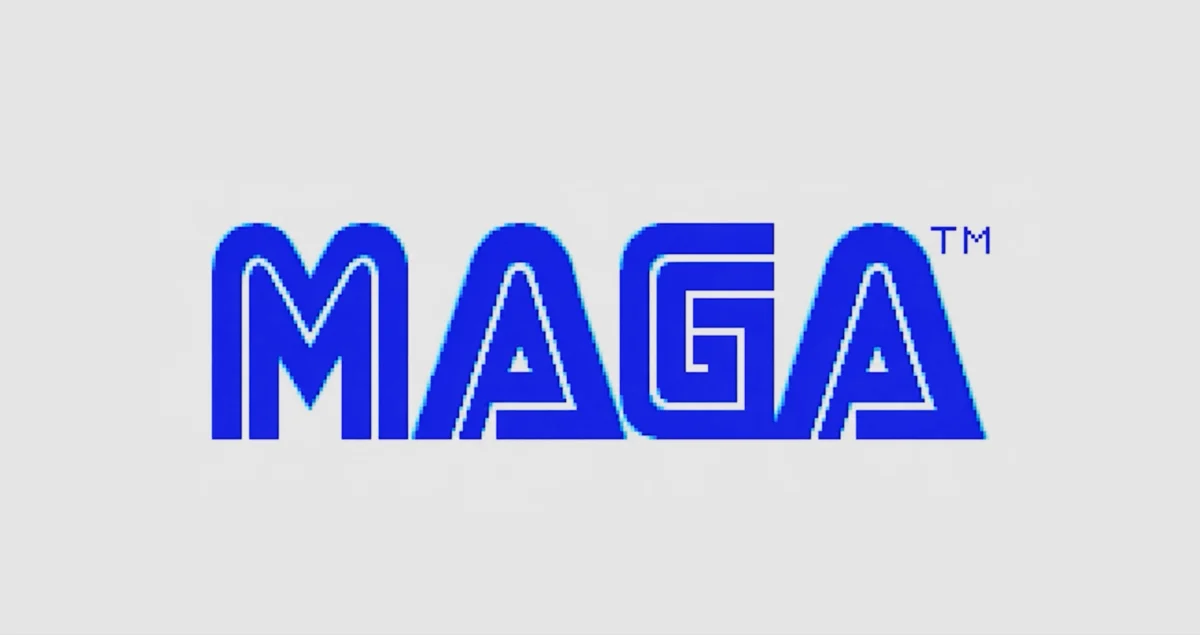
The United States executive branch has officially debuted Arcade.Gov, a digital platform featuring a suite of browser-based minigames designed to promote the administration’s core policy pillars, specifically regarding border security, mass deportation, and economic initiatives. The website, which serves as a centralized hub for interactive political messaging, utilizes familiar video game mechanics to illustrate the administration’s "Build the Wall" and "Deport" agendas. This move represents a significant escalation in the gamification of political communication, a strategy the White House has increasingly embraced to reach younger demographics and maintain engagement through social media-friendly content.
The launch of Arcade.Gov follows months of experimental digital outreach that has frequently blurred the lines between official government communications and internet subculture. The platform features five primary titles, each modeled after classic arcade or mobile game archetypes. These games simplify complex and often controversial federal policies into high-score-driven experiences, complete with leaderboard functionalities and social media integration. The administration announced the site’s launch with a direct social media post stating: "Build the wall. Deport. Fill a Trump Account."
A Breakdown of the Arcade.Gov Catalog
The games available on Arcade.Gov are characterized by their "lo-fi" aesthetic and derivative mechanics, drawing heavily from the "indie" and mobile gaming booms of the last decade. Industry analysts have noted that the games appear to be developed with the intent of being shared via short-form video platforms like TikTok and X (formerly Twitter).
One of the most prominent titles is "Rio Run," a game heavily inspired by the "Snake" genre and the 2013 mobile hit "Flappy Bird." In this iteration, the player controls an avatar tasked with collecting a growing chain of prisoners depicted in orange jumpsuits. As the chain grows longer, the difficulty increases. At the conclusion of each session, the game displays a "deported" tally, encouraging players to share their "stats" on social media.
Another central game is "Build the Wall: Zombie Border Siege." This title utilizes a "Tetris" style falling-block mechanic. Players are tasked with stacking bricks to form a continuous barrier along a digital representation of the U.S. Southern Border. The primary obstacles in the game are figures labeled as "aliens" who attempt to breach the wall before the player can secure the perimeter. The game uses a high-contrast art style that emphasizes the urgency of the construction task.
"Trump Savings Tycoon" shifts the focus to the administration’s economic and fiscal policies. Set against a backdrop of Washington D.C., the game features a falling-object catching mechanic similar to classic arcade titles like "Kaboom!" or "Egg." Players must catch falling icons representing Bitcoin, various memecoins, and stacks of cash. According to the game’s instructions, the objective is to "fill your kids’ Trump Accounts," a reference to proposed government-backed savings or investment vehicles.
The fourth game, "Supply Line," addresses domestic policy through a school-lunch sorting simulation. Players act as quality control agents on a conveyor belt, waving through items categorized as healthy or traditional vegetables while physically knocking "offensive foodstuffs" off the line. This game appears to be a direct commentary on the administration’s efforts to overhaul federal nutrition standards and school lunch programs.
Branding and Retro-Gaming Aesthetics
The presentation of Arcade.Gov leans heavily into "retrogaming" nostalgia. Promotional videos released by the White House social media team feature boot-up sequences that parody the iconic startup animations of the PlayStation 2 and Xbox 360 consoles. Furthermore, the platform utilizes a logo that mimics the classic blue-and-white "SEGA" typeface, modified to read "MAGA."
This aesthetic choice is not merely decorative; it is a calculated attempt to align the administration with the "gamer" identity, which has become a significant battleground in modern cultural and political discourse. By using the visual language of the 1990s and early 2000s, the administration seeks to tap into the nostalgia of Millennials and Gen X, while the "meme-able" nature of the gameplay targets Gen Z.
Abigail Jackson, a spokesperson for the administration, defended the platform’s unconventional approach during a recent press briefing. Jackson stated that the use of "banger memes" and interactive content is a necessary evolution of political discourse. "Through engaging posts and banger memes, we are successfully communicating the president’s extremely popular agenda," Jackson told reporters. "There’s a reason so many people try to copy our style—our message resonates."
Legal Challenges and Intellectual Property Disputes
The launch of Arcade.Gov is the latest chapter in a series of conflicts between the current administration and the video game industry. The use of established gaming aesthetics and intellectual property has led to multiple legal threats and public denunciations from major corporations.
Earlier in 2026, both Nintendo and The Pokémon Company reportedly issued statements objecting to the unauthorized use of their characters and branding in White House promotional materials. The disputes centered on the administration’s use of Pokémon-style "trading cards" to represent political allies and adversaries. While the White House has argued that these uses constitute "fair use" or political parody, industry leaders have expressed concern over the politicization of their family-friendly brands.
The tension reached a peak following the release of a White House video concerning military operations. The video featured the voice of Steve Downes, the actor famous for portraying Master Chief in the "Halo" franchise. Downes publicly demanded the removal of his voice from the video, which he described as "disgusting and juvenile war porn propaganda." In a statement, Downes emphasized that his performance was never intended to be used for real-world political or military recruitment purposes.
Chronology of the Gamification Strategy
The trajectory toward Arcade.Gov began early in the administration’s second term, marked by several key milestones:
- January 2025: The White House Digital Strategy Office is reorganized to include a "Meme and Interactive Media" division.
- August 2025: The first "Policy Play" video is released, using Minecraft-style graphics to explain infrastructure projects.
- December 2025: A dispute arises with Valve Corporation after official White House accounts began using "Steam" achievements to track the progress of legislative goals.
- March 2026: Reports surface that the administration is consulting with independent game developers to build a dedicated gaming portal.
- September 2026: Arcade.Gov is officially launched, coinciding with a renewed push for border security funding in Congress.
Analysis of Political and Social Implications
The release of Arcade.Gov has drawn sharp criticism from human rights organizations and political psychologists. Critics argue that the gamification of immigration policy—specifically the "Rio Run" and "Zombie Border Siege" games—dehumanizes vulnerable populations. By turning "deportation" into a scoring mechanic, the administration is accused of trivializing the human cost of its policies and desensitizing the public to the realities of border enforcement.
"When you turn the detention and removal of human beings into a ‘Snake’ clone, you are intentionally stripping away the empathy required for a functioning democracy," said Dr. Elena Rossi, a specialist in media psychology. "It moves the conversation from the realm of ethics and law into the realm of entertainment and competition."
Conversely, supporters of the administration argue that the platform is a brilliant "end-run" around traditional media gatekeepers. They contend that the mainstream press often filters or misrepresents the president’s message, and that interactive games provide a direct, unmediated way for the public to understand the administration’s priorities. From this perspective, the games are a modern form of the "fireside chat," updated for the digital age.
Future Outlook and Platform Expansion
The White House has indicated that Arcade.Gov is a living platform that will receive regular updates. Plans for future games reportedly include a "DOGE-themed" efficiency simulator, where players can "cut the fat" from federal agencies, and a trade-war-themed strategy game.
As the 2026 midterm elections approach, the role of Arcade.Gov in the administration’s campaign strategy is expected to grow. The platform’s ability to collect user data and track engagement provides the administration with a powerful tool for micro-targeting voters. However, the ongoing friction with the tech and gaming industries remains a significant hurdle. If major platforms like Google or Apple decide to restrict access to the site on their mobile browsers due to content violations or IP infringement, the reach of Arcade.Gov could be severely limited.
For now, the site remains active, serving as a stark reminder of how the boundaries between government policy, propaganda, and digital entertainment have become increasingly indistinguishable in the mid-2020s. Whether this strategy will yield long-term political capital or result in a backlash from the very industry it seeks to emulate remains to be seen. What is certain is that the White House has fundamentally changed the playbook for how a government communicates its agenda to the public.