
 George Chandra Eka
The evolution of video game controllers from cumbersome, wired devices to sleek, untethered instruments of play represents one of gaming’s most significant technological advancements. What began as experimental peripherals in the early 1980s has transformed into the industry standard, offering unparalleled freedom and comfort to players worldwide. This journey, marked by ambitious inventions, technological hurdles, and pivotal breakthroughs, has liberated gamers from the confines of their entertainment centers, forever changing how we interact with virtual worlds. While today’s wireless gamepads offer seamless connectivity, exceptional battery life, and advanced haptic feedback, their path to perfection was long and fraught with challenges, illustrating a persistent pursuit of an ideal gaming experience.
Early Forays: The Dawn of Wireless Gaming in the 1980s
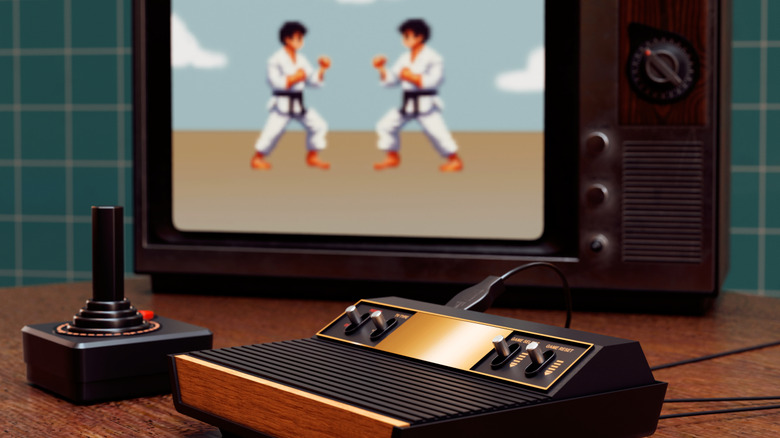
The genesis of wireless gaming can be traced back to a period when home video gaming was still in its relative infancy, dominated by consoles like the Atari 2600. In an era defined by joysticks tethered directly to the console by often short and restrictive cables, the concept of a wireless controller was truly revolutionary. The limitations of wired connections were evident: tangled cables, restricted player movement, and the physical constraints of sitting close to the television set. These inconveniences spurred innovators to explore untethered alternatives.
One of the earliest and most notable attempts arrived around 1982 with the Cynex Game Mate 2. Designed as a peripheral for the immensely popular Atari 2600, this device holds the distinction of being widely regarded as the first console-compatible wireless gamepad. Its introduction marked a daring leap into uncharted technological territory, promising a liberation from wires that few could have imagined at the time. The very idea of controlling a game without a physical link to the console was groundbreaking, even if the implementation was still in its nascent stages.
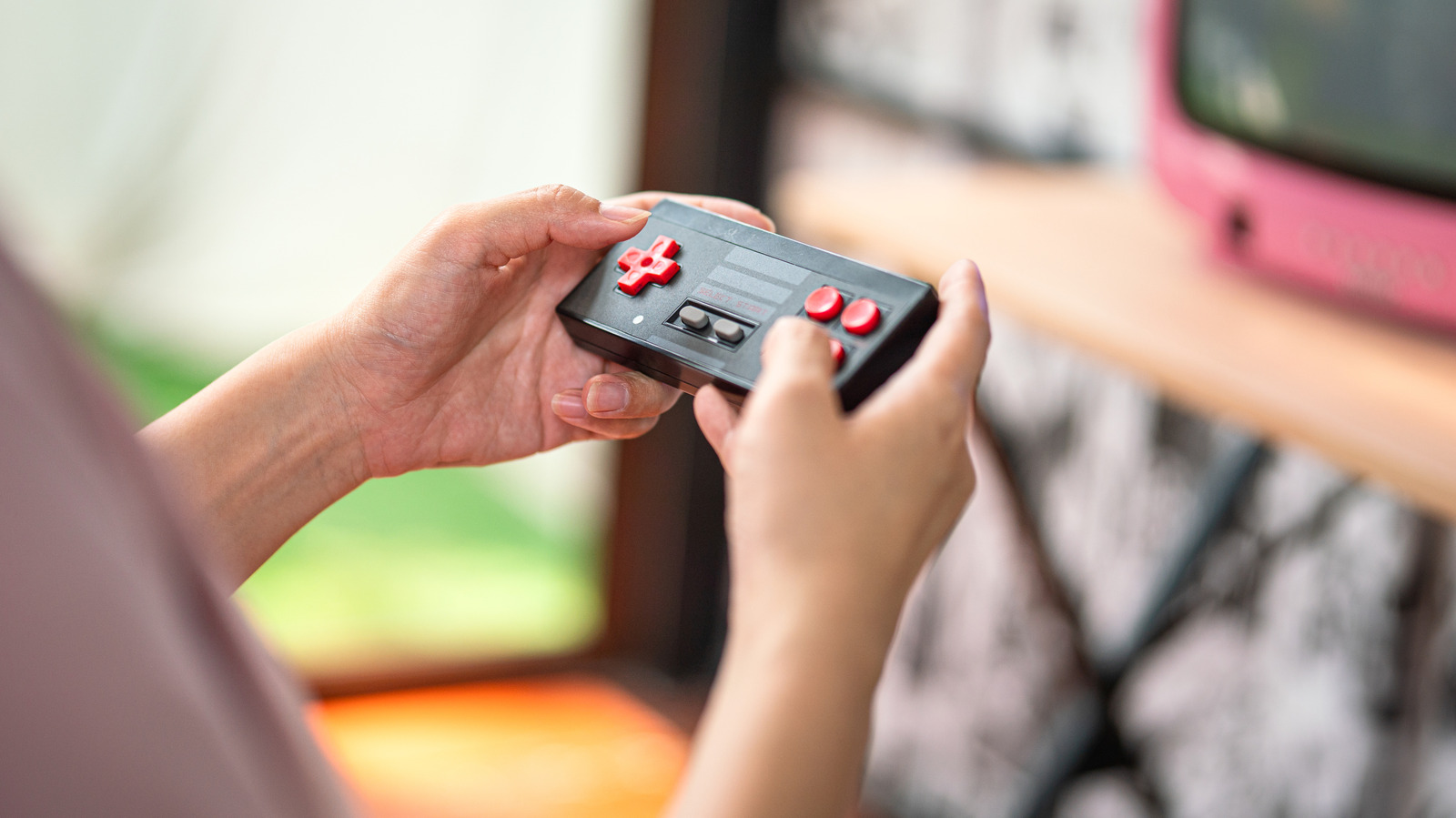
The Game Mate 2 employed radio frequency (RF) technology, a choice that proved critical to its comparative success over later infrared (IR) alternatives. Unlike IR signals, which require a direct line of sight between the transmitter and receiver – much like a television remote control – RF signals are less susceptible to obstruction. This inherent advantage allowed the Game Mate 2 to boast a reported range of up to 20 feet, offering a degree of freedom previously unattainable for console gamers. Players could lean back on their couches, adjust their positions, or even move around a small room without fear of losing their connection, a stark contrast to the often restrictive six-foot cords of standard controllers. This enhanced player comfort and flexibility, particularly for multi-person setups, was a significant, albeit early, indicator of wireless gaming’s potential.
However, these early innovations were not without their drawbacks. The Game Mate 2 was a physically imposing device, essentially a standard Atari 2600 joystick mounted atop a substantial, heavy base. This added bulk made it clunky and less comfortable for extended play sessions, a factor that limited its appeal for casual gamers. Furthermore, the power demands of early wireless technology were significant. The Game Mate 2 required a 9V battery, which it drained remarkably quickly, necessitating frequent and costly replacements. This issue of battery longevity and the reliance on disposable power sources would plague wireless controllers for decades, serving as a major barrier to widespread adoption and consumer satisfaction. The weight and short battery life underscore the technological limitations of the early 1980s, where miniaturization and efficient power management were still developing fields.
Despite its limitations, the Game Mate 2’s impact was undeniable. Its functionality was robust enough that Atari itself recognized its potential. A year after its initial release, Atari acquired distribution rights and rebranded the peripheral as the CX42 Remote Control Wireless Joystick. While the name was perhaps less catchy, the endorsement from the console giant underscored the perceived value of wireless freedom and its potential to enhance the Atari 2600 experience.
The 1980s also saw other attempts at wireless control, though many were less successful or more niche. For instance, the Acclaim Remote Controller for the Nintendo Entertainment System (NES), launched in 1989, utilized infrared technology. While offering wireless play, its reliance on line-of-sight communication made it prone to signal loss if anything, or anyone, passed between the controller and the console’s receiver. This frustrating limitation highlighted the inherent superiority of RF in the nascent wireless gaming landscape and demonstrated the learning curve involved in perfecting untethered gameplay. The decade concluded with wireless controllers remaining largely experimental curiosities, hampered by cost, size, battery life, and often unreliable connectivity, yet the seed of an untethered future had been firmly planted.
The Wilderness Years: Incremental Progress and Persistent Challenges in the 1990s
The 1990s, a period of explosive growth and innovation in the video game industry with the rise of Sega, Nintendo’s 16-bit and 64-bit consoles, and the groundbreaking entry of Sony’s PlayStation, surprisingly saw limited mainstream adoption of wireless controllers. While technological advancements were rapid in graphics, sound design, and complex game mechanics, the core challenges of wireless input remained formidable. This decade was characterized by a cautious approach to wireless peripherals, with manufacturers focusing on refining wired controllers and pushing graphical fidelity.
Several factors contributed to this stagnation. Firstly, cost was a significant barrier. Integrating reliable wireless communication modules into controllers and consoles was expensive, pushing the retail price of such peripherals beyond what most consumers were willing to pay for what was still considered a luxury rather than a necessity. Console manufacturers, locked in intense competition, prioritized keeping console and essential accessory costs down to maximize market penetration. Adding a costly wireless option that offered questionable benefits over a cheaper, reliable wired alternative was often deemed commercially unviable.
Secondly, latency was a persistent concern. The delay between a player’s input and the corresponding action on screen, however minuscule, could significantly impact gameplay, especially in fast-paced genres like fighting games or competitive shooters. Wired connections offered near-instantaneous response times, and early wireless technologies struggled to match this performance. This led to a pervasive perception that wireless controllers were inherently inferior for serious gaming, fostering a preference for wired reliability among competitive players and enthusiasts. The perceived performance gap was a major hurdle to mainstream acceptance.
Thirdly, battery technology had not yet advanced sufficiently to offer a compelling balance between power, size, and longevity. Controllers still relied on bulky, disposable batteries, contributing to both the weight of the peripheral and the ongoing operational cost for users. The notion of a sleek, lightweight, and long-lasting rechargeable wireless controller was still a distant dream. Consumers were reluctant to invest in devices that required frequent battery changes or offered limited playtimes.
Despite these hurdles, the decade wasn’t entirely devoid of wireless experimentation. Various third-party manufacturers continued to release niche wireless controllers for consoles like the Super Nintendo Entertainment System (SNES), Sega Genesis, and even the original PlayStation. These often utilized improved IR or rudimentary RF solutions, but they rarely achieved widespread popularity due to the aforementioned limitations. PC gaming also saw some early wireless mouse and keyboard combinations, but these were typically for less demanding applications where slight latency was less critical. The general consensus remained that for optimal performance and reliability, a wired connection was paramount. This period effectively served as a crucible, where the industry slowly accumulated knowledge about the pitfalls and potentials of wireless technology, setting the stage for more significant breakthroughs in the new millennium. The lessons learned about consumer expectations, technical limitations, and cost-benefit analyses during the 1990s were crucial for the successes that would follow.
The Mainstream Breakthrough: The Nintendo WaveBird and the Early 2000s
The turn of the millennium marked a pivotal era for wireless gaming, culminating in the release of a device that would redefine expectations: the Nintendo WaveBird for the GameCube. Launched in 2002, the WaveBird arrived during the heated "sixth generation" console war, where Nintendo’s quirky GameCube competed against Sony’s dominant PlayStation 2 and Microsoft’s ambitious Xbox. In this competitive landscape, the WaveBird stood out as a beacon of innovation, becoming the first truly mainstream wireless gamepad to deliver a largely uncompromised gaming experience. Its introduction was a testament to Nintendo’s enduring commitment to innovation and user experience.
Nintendo, known for its willingness to experiment with hardware, embraced 2.4 GHz radio frequency (RF) technology for the WaveBird. This specific frequency band offered several advantages over previous RF iterations and the line-of-sight dependent IR. The 2.4 GHz spectrum allowed for robust, interference-resistant communication, providing a reliable connection that was largely unaffected by minor obstructions like furniture or other players. This meant gamers could finally enjoy wireless play with minimal concern for signal dropouts or lag, a significant upgrade from the finicky performance of earlier wireless attempts. The reliability and stability of this connection were key to its widespread acceptance.
The WaveBird, while certainly not subtle in its design, immediately impressed users with its solid performance. It was notably bulkier than the standard







