Garick Elordi
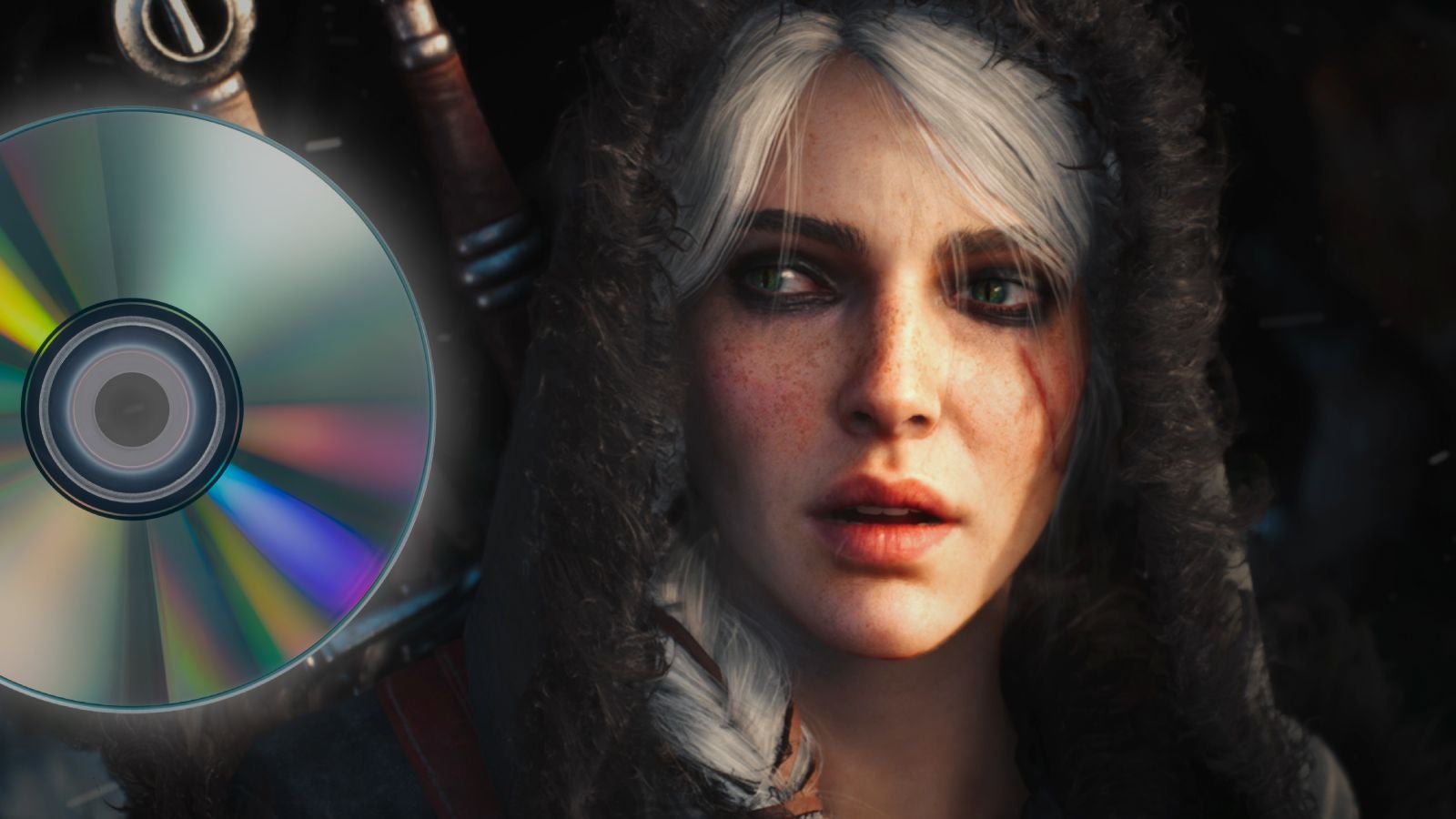
CD Projekt Red has officially established a 2028 release window for the next installment in its flagship fantasy franchise, tentatively titled The Witcher 4, sparking a wave of apprehension regarding the future of physical game distribution. The announcement, delivered by joint-CEO Michał Nowakowski during a recent corporate update, confirms that the studio is "targeting" 2028 for the launch of the project, currently codenamed Polaris. While the news provides a long-awaited timeline for fans of the series, it has simultaneously highlighted a significant conflict with the hardware roadmap of Sony Interactive Entertainment, which is scheduled to cease the production of physical game discs for the PlayStation platform in January 2028.
The intersection of these two timelines has created a point of friction for a community that remains deeply invested in physical media. Sony’s previously disclosed strategy involves a complete transition away from the manufacturing of optical discs for both first-party and third-party titles, a move intended to streamline its supply chain and capitalize on the higher profit margins associated with digital storefronts. Because The Witcher 4 is expected to be a premier title for the current and potentially next generation of consoles, the prospect of a digital-only launch on PlayStation has become a primary concern for collectors and advocates of consumer ownership rights.
The Collision of Development and Hardware Lifecycles
The 2028 target for The Witcher 4 represents a significant development cycle for CD Projekt Red, which is currently transitioning its entire production pipeline from its proprietary REDengine to Epic Games’ Unreal Engine 5. This technological shift is a cornerstone of the Polaris project, intended to provide the developers with a more versatile and stable toolset for building expansive open-world environments. However, the complexity of this transition, combined with the studio’s commitment to avoiding the technical pitfalls that plagued the initial launch of Cyberpunk 2077, has pushed the release window toward the end of the decade.
"I know it’s a bit of a wait and you’d love to play it sooner, but let the team cook," Nowakowski stated in the announcement video. This plea for patience, while standard in the industry, takes on new meaning when viewed through the lens of Sony’s physical media deadline. Sony has confirmed that physical game disc production for all new games releasing on PlayStation consoles will be discontinued starting January 2028. If The Witcher 4 misses the first few weeks of that year, it may effectively become the first major Western RPG of its stature to bypass a physical release on the PlayStation platform entirely.
Sony’s Pivot to a Digital-Only Ecosystem
The decision by Sony to end disc production is the culmination of a decade-long trend toward digital consumption. According to recent financial reports from various industry leaders, digital sales now account for over 80% of total game software revenue for many AAA publishers. Sony’s move to eliminate physical media is seen as a strategic maneuver to regain control over the secondary market, as digital licenses cannot be resold, traded, or lent in the same manner as physical discs.
This shift has already been telegraphed by the introduction of the PlayStation 5 Digital Edition and the more recent PlayStation 5 Pro, which does not include a built-in disc drive as a standard feature. By January 2028, Sony intends to have fully transitioned its manufacturing infrastructure to support a digital-first environment. For third-party developers like CD Projekt Red, this means that even if they desire to produce a physical edition for PlayStation users, the lack of official manufacturing support from Sony could make such an endeavor logistically impossible or prohibitively expensive.
CD Projekt Red’s History with Physical Media
The potential absence of a physical disc for The Witcher 4 is particularly poignant given CD Projekt Red’s corporate origins. The company was founded in Poland as a physical media distributor, gaining its first major success by creating a comprehensive, high-quality physical box set for Baldur’s Gate. This history has informed the studio’s philosophy for decades; CD Projekt Red is known for "over-delivering" on physical editions, often including maps, stickers, manuals, and soundtracks in the standard retail version of their games at no extra cost.
This commitment to the physical format has fostered a unique bond between the developer and its fanbase. The Witcher 3: Wild Hunt and Cyberpunk 2077 both saw robust physical sales, with many players opting for the disc versions specifically to own a tangible piece of the franchise. The current community backlash reflects a fear that the industry’s push toward digital-only distribution will erase this culture of "premium" physical releases.
Community Reaction and the #NoDiscNoBuy Movement
The response from the gaming community across social media platforms has been swift and largely critical. On X (formerly Twitter), Reddit, and Bluesky, fans have expressed disappointment and frustration, with some pledging to boycott the game if a physical version is not made available. The hashtag #NoDiscNoBuy has seen a resurgence in the wake of the 2028 release date confirmation, as users urge CD Projekt Red to negotiate with Sony or seek alternative manufacturing solutions.
"Awesome news except 2028 release means no physical release on PS5 and that sucks," one user wrote on X, highlighting the specific regional concerns for players in areas with limited high-speed internet infrastructure who rely on discs for installation. Others on the Witcher subreddit expressed concern that a digital-only future would lead to the eventual loss of access to games should digital storefronts ever be taken offline—a topic central to the ongoing debate over video game preservation.
Petitions against Sony’s decision have gathered tens of thousands of signatures, and "Blackout" protests have been organized by physical media advocates. The controversy has even spilled over into the marketing for other Sony-affiliated titles, such as Marvel’s Wolverine, as consumers use comment sections to voice their displeasure with the impending manufacturing cut-off.
Implications for Xbox and Nintendo Platforms
While the focus remains on Sony due to its explicit January 2028 deadline, the status of physical media on other platforms remains a subject of scrutiny. Microsoft has not yet announced a hard date for the discontinuation of Xbox discs, though the company has faced similar rumors regarding a digital-only future for its next generation of hardware. If Microsoft continues to support physical media into 2028, it could create a disparity where The Witcher 4 is available on a disc for Xbox Series X users but not for PlayStation 5 owners.
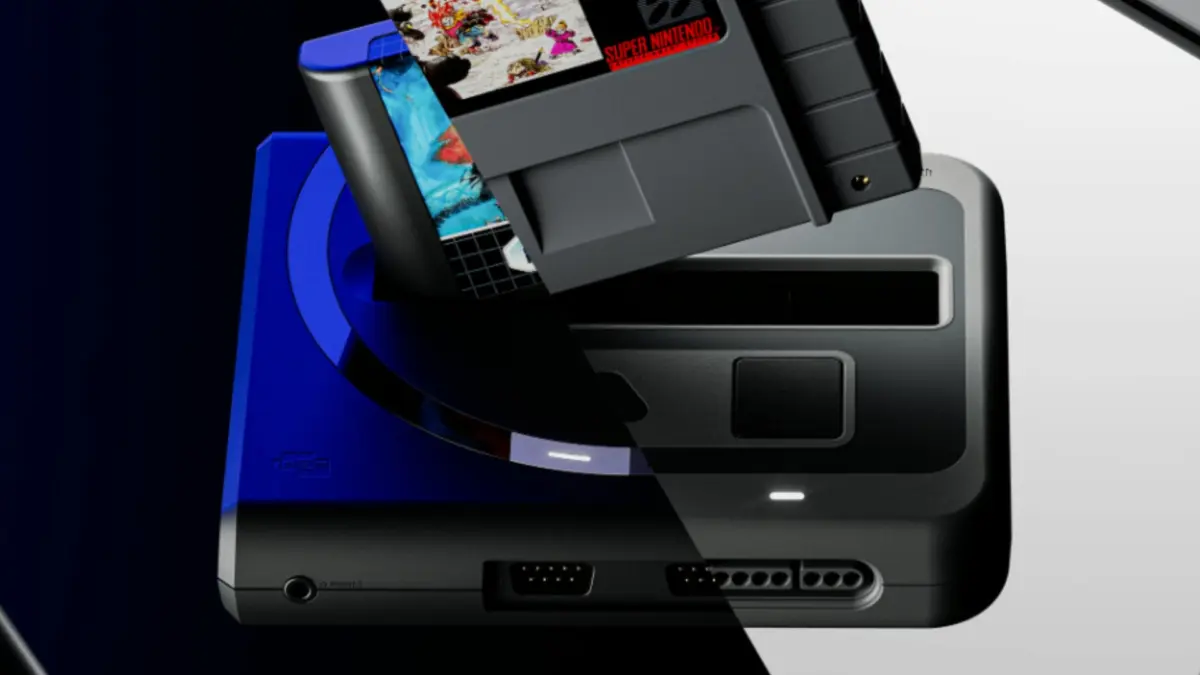
Furthermore, there is speculation regarding a potential port for the successor to the Nintendo Switch. Given Nintendo’s historical reliance on proprietary cartridges and its strong performance in the physical retail space, a "Nintendo Switch 2" version of The Witcher 4 might serve as a refuge for physical collectors, though technical limitations may necessitate a significant delay or a "Cloud Version" approach, which would negate the benefits of a physical release.
The Broader Witcher Roadmap: Remakes and Expansions
Beyond the concerns surrounding Polaris, CD Projekt Red’s update also touched upon other projects within the Witcher universe. The Witcher 1 Remake, which is being developed by the external studio Fool’s Theory, is currently in the early stages of production. This project is envisioned as a "modern reimagining" and will be an open-world title built on Unreal Engine 5. However, the timeline for the remake remains fluid, as Fool’s Theory is also assisting CD Projekt Red with the development of the Witcher 3 expansion, Songs of the Past.
Songs of the Past is scheduled for a full reveal at Gamescom and represents a surprising return to the 2015 title. This expansion is expected to bridge certain narrative gaps and provide a technical showcase for how the studio can enhance its older titles with modern assets. The resource allocation between these various projects—Polaris, the remake, and the expansion—suggests that CD Projekt Red is attempting to maintain a constant presence in the market while navigating the long development cycles required for next-generation RPGs.
Analysis of the 2028 Transition
The year 2028 is shaping up to be a watershed moment for the video game industry. As CD Projekt Red aims to deliver its most ambitious project to date, it must do so in a landscape that is fundamentally changing. The transition to digital-only distribution is not merely a logistical shift but a cultural one that challenges the traditional relationship between publishers and consumers.
If The Witcher 4 launches without a physical disc, it will mark the end of an era for a studio that built its reputation on the value of the "big box" release. Whether CD Projekt Red can leverage its influence to find a workaround—such as a limited run of discs produced through independent manufacturers or a special agreement with Sony—remains to be seen. For now, the 2028 release date stands as both a beacon of hope for fans of Geralt’s world and a stark reminder of the digital future that awaits the medium.