
 Vera Intan Clara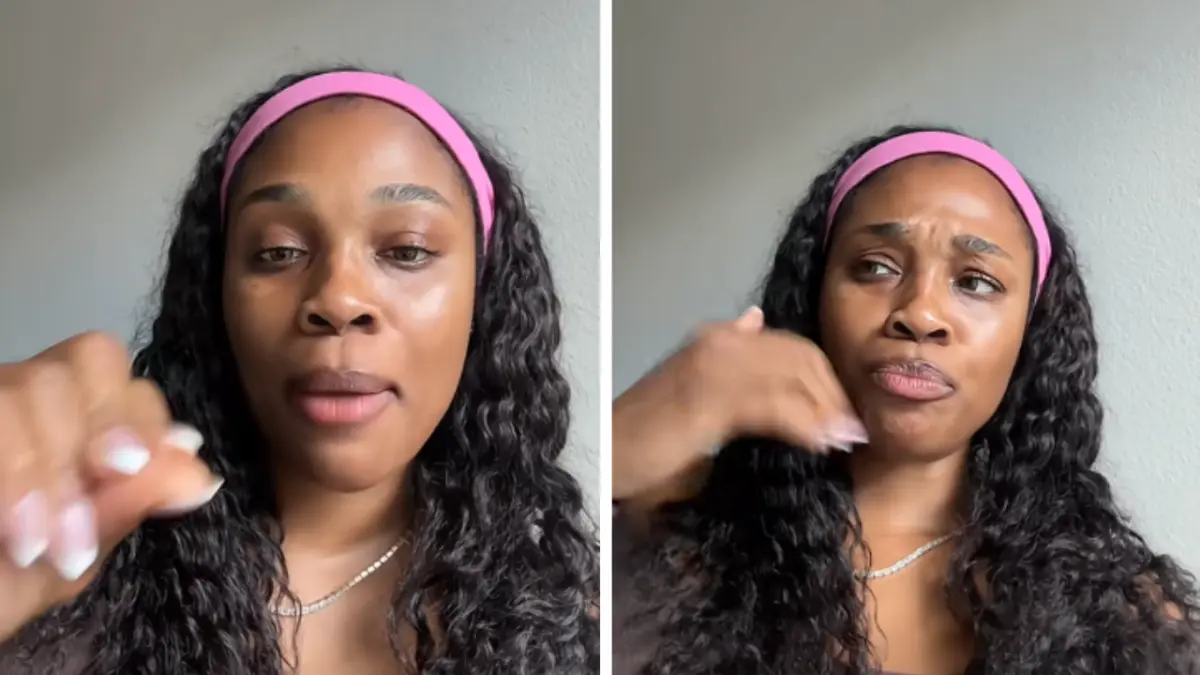
The video, uploaded in [Inferred: recent months, e.g., late 2023 or early 2024, given typical TikTok virality timelines], quickly resonated across the platform, tapping into a collective experience that many users found difficult to articulate until Vanessa provided a clear framework. She meticulously outlined the characteristics of this deceptive personality: someone who initially appears genuinely kind and supportive, easily integrating into social circles and earning the trust and admiration of peers. This initial phase makes them easy to befriend, as their public-facing demeanor is meticulously crafted to be appealing. However, as the relationship deepens, a different, darker side emerges, typically reserved for the individual targeted by their manipulative tendencies. This covert aggression is the hallmark of the "nice nasty" friend, where their private interactions are marked by meanness, cutting remarks, and behaviors designed to hurt feelings or diminish self-worth, all while their public image remains untarnished.
Vanessa highlighted the profound difficulty in discussing such experiences with others. Because the "nice nasty" individual plays their part "very well," presenting a flawless image to the world, victims often face skepticism or outright disbelief when attempting to share their truth. Friends or family members who have only witnessed the charming façade may blame the victim, question their motives, or dismiss their claims as exaggeration or fabrication. This gaslighting effect, where the victim’s reality is consistently undermined, can lead to significant psychological distress, fostering self-doubt, isolation, and a sense of powerlessness. Vanessa’s warning to be cautious if one identifies such a friend in their life underscores the severe emotional and mental toll these relationships can exact.
The Psychological Underpinnings of Covert Aggression
The phenomenon Vanessa describes aligns with several well-documented psychological concepts, including passive-aggressive behavior, covert narcissism, and relational aggression. Passive aggression, characterized by indirect expressions of hostility, is a common trait among individuals who fear direct confrontation but harbor resentment or anger. Instead of openly communicating their feelings, they might resort to sarcasm, subtle sabotage, deliberate inefficiency, or feigned forgetfulness, all designed to punish or frustrate others without appearing overtly aggressive. This aligns perfectly with the "nice nasty" archetype, as their actions are often ambiguous enough to be denied or rationalized away if confronted.
Covert narcissism, sometimes referred to as vulnerable narcissism, presents a more complex layer. Unlike overt narcissists who are overtly grandiose and attention-seeking, covert narcissists are often shy, introverted, and appear humble on the surface. However, beneath this veneer lies a profound sense of entitlement, a fragile ego, and a deep need for admiration, coupled with a lack of empathy. They may use manipulation, guilt-tripping, and victimhood to control others and maintain their self-image. Their "niceness" can be a strategic tool to secure approval and admiration, which they then leverage to subtly devalue or control those they perceive as threats or sources of narcissistic supply. The "nice nasty" friend’s ability to "play their part very well" is a hallmark of this personality type, as they are acutely aware of social cues and adept at impression management.
Relational aggression, more commonly observed in peer dynamics, involves harming others by damaging their relationships or social status. This can manifest through spreading rumors, social exclusion, manipulation of friendships, or subtle put-downs that erode a person’s confidence and standing within a group. A "nice nasty" friend might engage in relational aggression by subtly turning mutual friends against the target, feigning concern while gossiping, or making backhanded compliments that publicly praise while privately criticizing. These behaviors are often hard to pinpoint and even harder to prove, further contributing to the victim’s isolation.
Research published in journals such as Personality and Individual Differences and Journal of Social and Clinical Psychology consistently highlights the detrimental impact of these forms of covert aggression. Victims often report increased levels of anxiety, depression, and a significant erosion of self-esteem. The insidious nature of the abuse, often disguised as concern or playful banter, makes it particularly difficult to process and challenge, leading to prolonged emotional distress.
TikTok as a Catalyst for Social Awareness
Vanessa’s video is part of a broader trend on TikTok and other social media platforms where users leverage short-form video content to discuss complex psychological and social issues. The platform’s algorithm, designed to prioritize engaging content, allows niche discussions to quickly reach a massive audience, fostering a sense of community and validation for those who share similar experiences. Before TikTok, discussions about subtle forms of emotional manipulation and toxic relationships were often confined to self-help books, therapy sessions, or niche online forums. Now, these conversations are mainstreamed, accessible to millions, and often presented in relatable, jargon-free language.
This democratization of psychological discourse has several implications. Firstly, it provides a crucial platform for individuals to identify and name behaviors they may have previously struggled to articulate. Vanessa’s use of "nice nasty" provides a simple, memorable term that encapsulates a complex dynamic, making it easier for people to recognize and discuss similar patterns in their own lives. Secondly, the sheer volume of agreement and shared experiences in the comments section offers profound validation for victims. Knowing that countless others have faced similar challenges can alleviate feelings of isolation, self-blame, and the belief that they are "crazy" or "overreacting." This collective acknowledgment can be a powerful first step toward healing and setting healthier boundaries.
However, the rapid dissemination of information on social media also comes with caveats. While providing valuable insights, such content is rarely produced by credentialed experts and can sometimes oversimplify complex psychological conditions or promote unverified claims. The Daily Dot‘s original disclaimer regarding the inability to independently verify individual experiences underscores this point. Nonetheless, the role of platforms like TikTok in initiating critical conversations about mental health and interpersonal dynamics cannot be overstated.
Community Narratives: Shared Experiences and Coping Strategies
The comments section of Vanessa’s video transformed into a vibrant forum for users to share deeply personal anecdotes and offer collective wisdom. This outpouring of shared experience highlights the universality of the "nice nasty" phenomenon. One user poignantly remarked, "My sister is a nice nasty person and it makes life hard in this house," illustrating that this behavior is not confined to friendships but can permeate familial relationships, where escape is often far more complicated. This particular comment underscores the emotional burden of living with someone who consistently operates with covert aggression, especially within the confines of a shared home.
Another commenter expressed frustration with passive-aggressive individuals, stating, "Passive aggressive people really piss me off. Like just be straight aggressive so I can handle you." This sentiment articulates a common frustration: overt aggression, while unpleasant, is at least clear and can be directly addressed. The ambiguity and deniability inherent in passive-aggressive behavior make it emotionally exhausting to confront, as the perpetrator can always feign innocence or misunderstanding. The commenter’s preference for "mean girls" who are upfront about their intentions, reasoning that they "probably just dealing with life stuff," highlights the perception that overt meanness, while direct, is less insidious than the calculated deceit of "nice nasty" behavior. They concluded, "That nice nasty sh*t is almost evil!" indicating the profound moral discomfort and emotional damage caused by this subtle form of manipulation.
Several users echoed the idea that "nice nasty" individuals are often driven by envy or a desire to usurp the position of genuinely kind-hearted people. One comment suggested, "They always want to take the place of the actually nice kind hearted person, they are evil and jealous." This perspective points to the competitive and insecure underpinnings of such behavior, where the "nice nasty" person seeks to diminish others to elevate themselves, often targeting those who embody qualities they lack.
The community also offered a range of advice for dealing with such individuals, reflecting diverse approaches to self-preservation. While some advocated for a direct "cut them off" approach, others suggested a more gradual disengagement "slowly to avoid causing problems," recognizing the potential for backlash or further manipulation from individuals skilled at playing the victim. A particularly insightful piece of advice was to "ignore them," with one user exclaiming, "Yes!! Ignoring them has worked like a charm it KILLS them!" This strategy capitalizes on the "nice nasty" person’s need for attention and control; by withholding the desired reaction, their manipulative tactics lose their power, often frustrating them immensely. Another user added, "Nice nasty always loses when you have patience. Let them reveal themselves," advocating for a long-game strategy where the perpetrator’s true colors inevitably emerge over time, making it easier for others to see through their facade.
The discussion also touched upon the binary nature of human interaction versus the nuanced reality. While some commenters held a simplistic view of people as either "nice" or "nasty," others acknowledged the complex reality that an individual can indeed present as "nice" to the majority while exhibiting toxic behavior toward specific targets. This nuanced understanding is crucial for moving beyond black-and-white thinking and recognizing the sophisticated forms of emotional manipulation that exist.
Broader Implications for Mental Health and Social Awareness
The viral discussion around "nice nasty" friends carries significant implications for mental health and broader social awareness. For individuals struggling with such relationships, the validation provided by Vanessa’s video and its comments section can be a turning point. Recognizing that one is not alone and that their experiences are shared can reduce self-blame and empower them to seek support or establish healthier boundaries. It also highlights the importance of trusting one’s own intuition, especially when a person’s words and actions do not align, or when interactions consistently leave one feeling drained or diminished.
From a societal perspective, this discourse contributes to a growing collective understanding of emotional intelligence and the complexities of human behavior. As conversations about covert aggression become more commonplace, there is an increased capacity for individuals to identify and address these behaviors not only in others but potentially in themselves. This heightened awareness can foster environments where genuine kindness and respect are valued, and manipulative tactics are more readily exposed and less tolerated.
Psychological professionals consistently emphasize the importance of healthy boundaries, clear communication, and self-care in navigating toxic relationships. While online discussions provide a valuable starting point, professional guidance from therapists or counselors can offer tailored strategies for managing the emotional fallout and developing robust coping mechanisms. Learning to disengage from manipulative cycles, prioritizing one’s own well-being, and seeking supportive relationships are critical steps toward healing.
In conclusion, Vanessa’s TikTok video on "nice nasty" friends has transcended mere viral content, evolving into a significant cultural moment that shines a light on a pervasive yet often unacknowledged form of interpersonal toxicity. By providing a clear vocabulary and a communal platform for shared experiences, the video has empowered countless individuals to recognize, articulate, and begin to address the subtle manipulations that can profoundly impact their emotional well-being. The sustained engagement and heartfelt testimonials underscore the urgent need for continued dialogue about complex social dynamics and the importance of fostering genuine, respectful connections in an increasingly interconnected world.
Editorial Note: The Daily Dot was unable to independently verify the specific experiences described by @therealvanessa101 or the individual users featured in the comments. The opinions and anecdotes presented in the video and its subsequent discussion reflect the individual perspectives and experiences of TikTok users.








