George Chandra Eka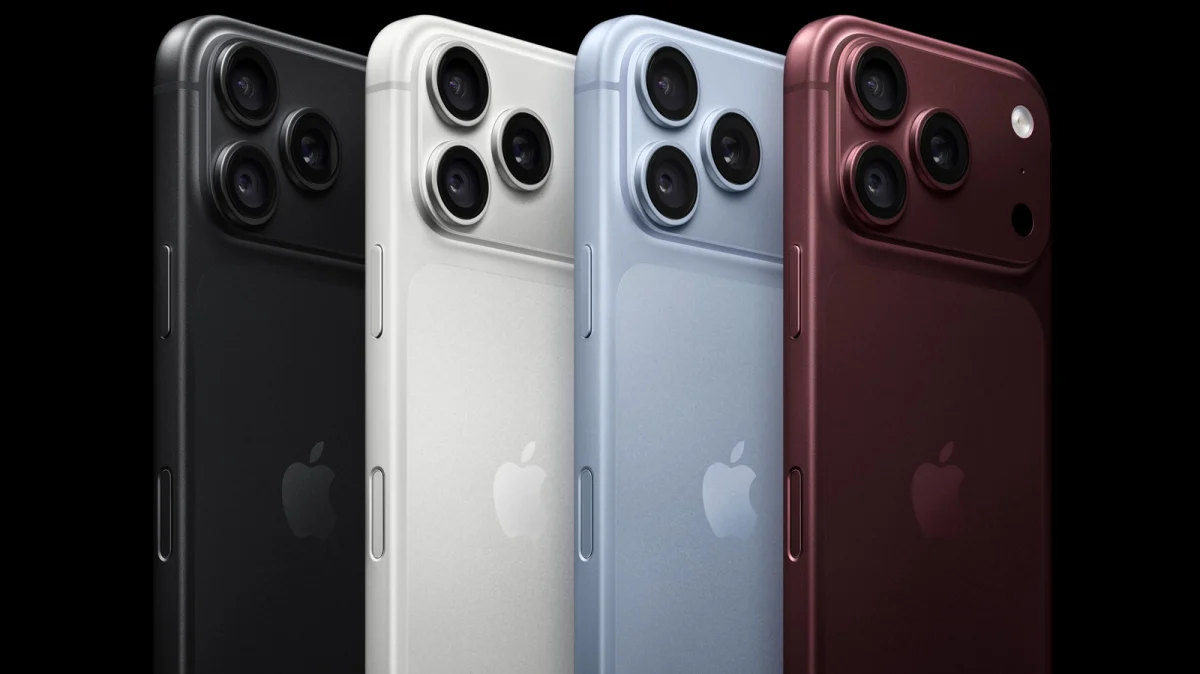
While Apple’s highly anticipated first-ever foldable phone, the iPhone Duo, undoubtedly dominated headlines following the momentous "Surprise and Shine" event, a new era for Apple’s traditional flagship lineup was simultaneously ushered in. John Ternus, making his debut as CEO, unveiled not just the revolutionary foldable but also the latest iterations of the company’s premium slab smartphones: the iPhone 18 Pro and the iPhone 18 Pro Max. These new devices, while sharing a common core of advanced technology, present a subtle yet significant divergence, primarily in their display dimensions and, most notably, in their battery endurance capabilities.
The Cupertino tech giant asserts that the iPhone 18 Pro Max boasts "the largest increase in battery life ever on iPhone," a bold claim that immediately positions it as a leader in smartphone longevity. Beyond this critical distinction, however, the two Pro models share a remarkable degree of similarity, reflecting Apple’s strategy of offering a consistent high-end experience across different form factors. The iPhone 18 Pro Max features an expansive 6.9-inch Super Retina XDR display, catering to users who prioritize immersive viewing and a larger digital canvas. In contrast, the standard iPhone 18 Pro offers a more compact yet equally vibrant 6.3-inch Super Retina XDR display, appealing to those who prefer a more manageable device for single-handed use and portability.
Both formidable devices are powered by Apple’s cutting-edge A20 Pro chip, a silicon marvel that the company touts as "the most powerful and efficient iPhone chip" released to date. This advanced processor is engineered to deliver unparalleled performance, whether users are engaging in graphically intensive gaming sessions, editing high-resolution video, or executing complex artificial intelligence tasks – a clear indicator of Apple’s unwavering focus on on-device AI processing across its entire product ecosystem.
Next-Generation Visuals: Unpacking the Super Retina XDR Displays
The display is often the primary interface through which users interact with their smartphones, and Apple has consistently pushed the boundaries of visual fidelity with its Super Retina XDR technology. In the iPhone 18 Pro and 18 Pro Max, this commitment to excellence is palpable. Both models feature OLED panels, renowned for their ability to produce perfect blacks, infinite contrast ratios, and exceptional color accuracy. The "XDR" designation signifies an extreme dynamic range, allowing for stunning HDR content playback with peak brightness levels that make photos and videos truly pop, even in bright ambient light conditions.
The iPhone 18 Pro Max, with its generous 6.9-inch display, offers a more expansive canvas for media consumption, multitasking, and professional applications. This larger screen estate translates to a more immersive experience for streaming movies, browsing photo galleries, or engaging in mobile gaming where every detail counts. The iPhone 18 Pro, at 6.3 inches, strikes a balance between screen size and ergonomic comfort, making it an ideal choice for users who desire a premium display without the added bulk. While specific resolution figures were not detailed in the initial announcement, Apple’s Pro models typically feature pixel densities exceeding 460 pixels per inch (PPI), ensuring razor-sharp text and incredibly detailed imagery that is indistinguishable to the human eye at typical viewing distances. Both displays are also expected to incorporate ProMotion technology, dynamically adjusting refresh rates up to 120Hz for incredibly fluid scrolling, responsive gaming, and a more seamless overall user experience, while intelligently scaling down for static content to conserve power. Furthermore, Apple’s proprietary Ceramic Shield front cover, known for its enhanced durability and drop performance, is a standard expectation across both Pro models, providing an added layer of protection against daily wear and tear.
Powering the Future: The A20 Pro Chip and Its AI Prowess
At the very core of the iPhone 18 Pro series lies the formidable A20 Pro chip, a testament to Apple’s leadership in custom silicon design. The "Pro" designation in the chip’s name signals a significant leap in performance and capabilities tailored for demanding tasks. This advanced system-on-a-chip (SoC) likely integrates a multi-core CPU, a more powerful GPU, and a next-generation Neural Engine designed specifically for machine learning and artificial intelligence workloads.
Apple’s assertion of the A20 Pro being the "most powerful and efficient iPhone chip" to date is not merely a marketing slogan. In practical terms, this translates to faster app launch times, smoother transitions between applications, and the ability to handle computationally intensive tasks with remarkable ease. For gamers, the enhanced GPU performance means more realistic graphics, higher frame rates, and support for advanced visual effects in the most demanding mobile titles. For professionals and content creators, tasks such as 4K video editing directly on the device, complex photo manipulation, or running sophisticated augmented reality (AR) applications become fluid and responsive.
The emphasis on "elaborate AI tasks" highlights a strategic shift towards on-device intelligence. The A20 Pro’s Neural Engine, a dedicated hardware component, accelerates machine learning operations, enabling features such as advanced computational photography, real-time language translation, more accurate voice recognition, and highly personalized user experiences without relying solely on cloud processing. This not only enhances privacy but also ensures faster, more reliable performance for AI-driven functionalities. Moreover, the "efficient" aspect of the A20 Pro chip is crucial for battery longevity, as its optimized architecture allows for high performance without excessive power consumption, directly contributing to the extended battery life touted for both models, especially the Pro Max. This continuous innovation in silicon design underscores Apple’s commitment to maintaining a competitive edge and delivering a seamless, powerful user experience.
Capturing the Moment: Advanced Camera Systems in the iPhone 18 Pro Series
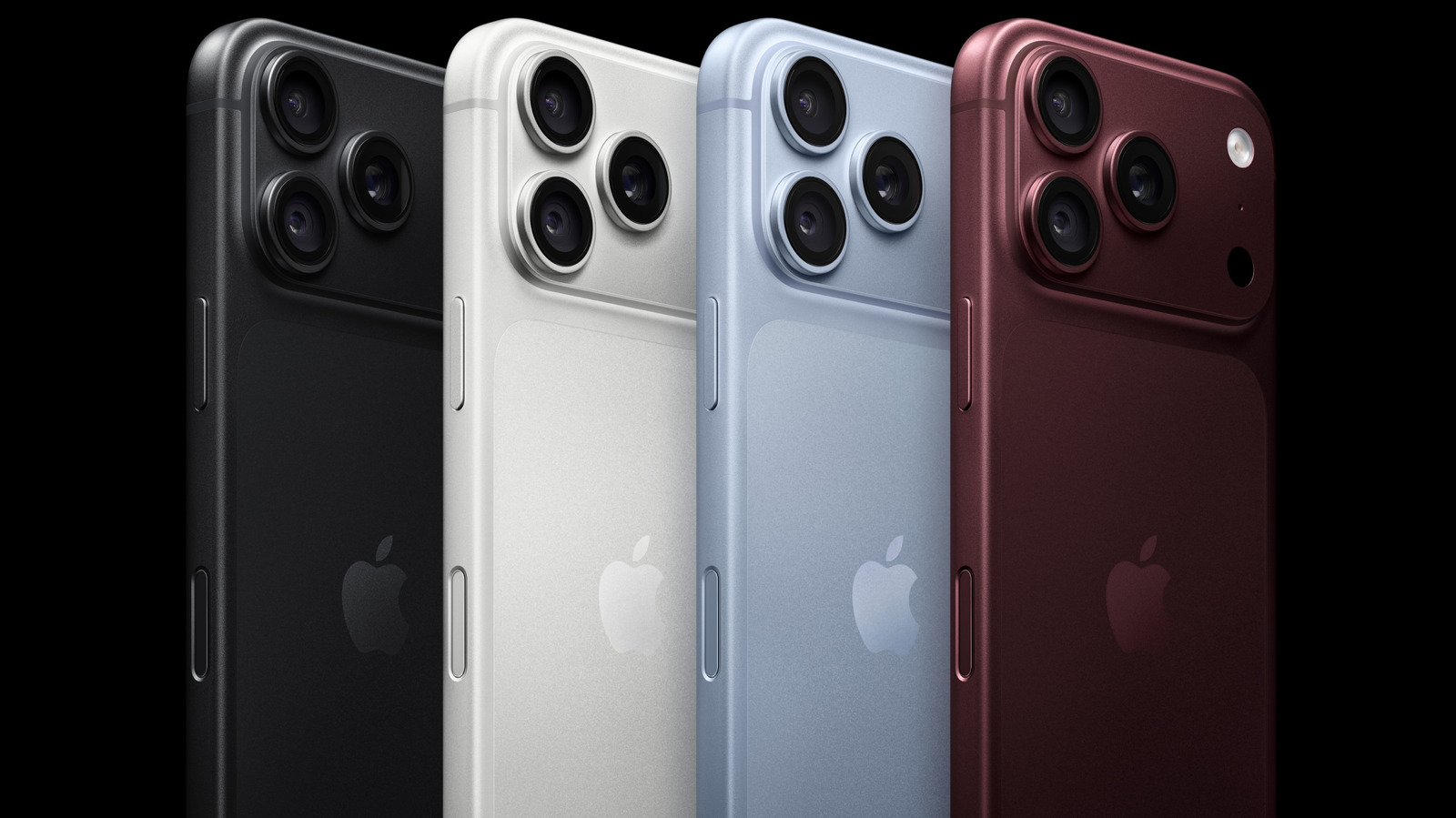
The camera systems on the iPhone 18 Pro and 18 Pro Max are described as "similar," indicating that both models benefit from the same high-end photographic hardware and computational photography advancements. Central to these capabilities are the 48MP sensors, a feature that has become a hallmark of Apple’s Pro-tier iPhones. These high-resolution sensors are not just about capturing more pixels; they are integral to Apple’s pixel-binning technology, which combines data from multiple pixels into one larger "super pixel" in low-light conditions. This process dramatically improves light gathering, reduces noise, and enhances detail, resulting in superior photos even in challenging environments. For users who demand maximum flexibility, the 48MP sensor also enables ProRAW capture, allowing photographers to save uncompressed image files with extensive data for post-processing, providing professional-grade editing capabilities directly on the device.
Beyond resolution, the inclusion of optical zoom capabilities ensures that users can frame distant subjects without sacrificing image quality, a common pitfall of digital zoom. While specific optical zoom levels were not detailed, previous Pro models have featured 3x and 5x telephoto lenses, and a similar or enhanced configuration is expected, allowing for versatile framing options.
Perhaps the most significant advancement highlighted is the "variable aperture to enable manual controls and enhanced quality in low-light environments." This feature, typically found in high-end dedicated cameras, grants photographers greater creative control over depth of field and exposure. By allowing the aperture to be adjusted, users can achieve stunning bokeh effects for portraits or open the aperture wider in dim conditions to let in more light, resulting in brighter, sharper images with less noise. This level of manual control elevates the iPhone’s camera system from an advanced point-and-shoot to a more serious photographic tool, catering to enthusiasts and professionals alike.
Further enhancing the camera experience, it is highly probable that both Pro models integrate Apple’s LiDAR scanner. This technology improves autofocus speed and accuracy, particularly in low-light conditions, and significantly enhances augmented reality experiences by creating precise depth maps of the environment. Features like Cinematic Mode, which automatically shifts focus between subjects for a film-like effect, and ProRes video recording, offering high-quality video files for professional workflows, are also expected to be standard, reinforcing the iPhone 18 Pro series as a powerhouse for both still photography and videography.
A Refined Aesthetic: Design Language and Color Palette
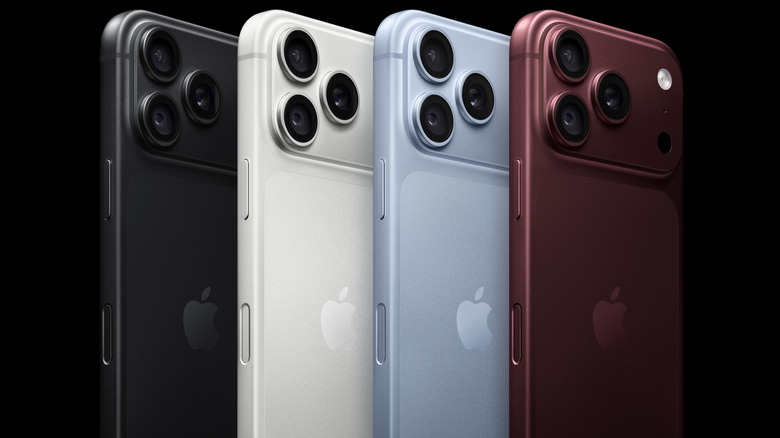
In terms of aesthetics, both the iPhone 18 Pro and iPhone 18 Pro Max share an identical design language, emphasizing premium materials and a sophisticated finish. The devices are available in a consistent quartet of colors: Silver, Black, Glacier, and the rather sumptuous shade of Burgundy. This choice of colors marks a deliberate departure from the more vibrant, "eye-popping Cosmic Orange finish" seen in the previous generation. The shift towards a deeper, more understated palette, particularly the rich Burgundy, suggests Apple’s move towards a more mature, luxurious, and perhaps timeless aesthetic for its Pro line. This could be interpreted as an effort to appeal to a demographic that values elegance and sophistication over bold, expressive hues.
The physical construction of the Pro models typically involves a surgical-grade stainless steel frame, providing both durability and a premium feel, paired with a textured matte glass back that resists fingerprints and offers a comfortable grip. The precise engineering ensures a seamless integration of components, with tightly integrated buttons and a refined speaker grille. While the Pro Max naturally commands a larger physical presence due to its 6.9-inch display, both models are designed with ergonomics in mind, featuring subtly rounded edges that facilitate comfortable handling despite their substantial size. The consistent design across both models reinforces the idea that users are choosing between screen size and battery life, rather than distinct design philosophies. This attention to detail in materials and finish underscores Apple’s commitment to crafting devices that are not only technologically advanced but also aesthetically pleasing and built to last.
Unprecedented Endurance: The Battery Revolution of the 18 Pro Max
The most compelling differentiator between the iPhone 18 Pro and the iPhone 18 Pro Max, aside from their display sizes and a $100 price difference, lies unequivocally in their battery performance. Apple has made significant strides in power management and battery capacity for this generation, with the iPhone 18 Pro Max leading the charge with what the company proudly calls "the largest increase in battery life ever on iPhone."
For the iPhone 18 Pro, users can expect a substantial upgrade over its predecessor, the 17 Pro. Apple promises up to 36 hours of video playback, a notable improvement from the 17 Pro’s estimated 33 hours. This extra three hours can make a considerable difference in day-to-day usage, allowing for more extended media consumption or heavier use between charges. The 18 Pro also supports rapid charging, capable of replenishing 50 percent of its battery in just 15 minutes when paired with a 60W-capable USB-C power adapter and cable. This fast-charging capability is crucial for users who need to quickly top up their device during busy schedules. For wireless convenience, certified MagSafe chargers can deliver 50 percent battery life in approximately 30 minutes, offering a flexible charging ecosystem.
However, it is the iPhone 18 Pro Max that truly sets a new benchmark for smartphone endurance. This model boasts an astonishing 45 hours of video playback on a single charge. This represents a remarkable 6-hour increase compared to the iPhone 17 Pro Max, which typically offered around 39 hours. To put this into perspective, an additional six hours of video playback equates to a whole extra quarter of a day of screen time. This substantial boost transforms the user experience, virtually eliminating battery anxiety for even the most demanding users. Whether it’s binge-watching an entire season of a favorite show on Apple TV+, consuming hours of YouTube content, or simply reviewing old memories in the camera roll, the 18 Pro Max provides unparalleled freedom from power outlets. Furthermore, its wired charging capabilities are equally impressive: just five minutes of charging can provide an extra seven hours of video playback, a feature that can be a lifesaver in urgent situations.
The implications of such extended battery life are profound, particularly for professionals, frequent travelers, and heavy media consumers. It reduces the need to carry portable power banks or constantly seek out charging points, offering a new level of convenience and reliability. This endurance advantage also positions the 18 Pro Max as a superior choice even against other advanced Apple devices; for reference, the highly anticipated iPhone Duo, with its maximum playback time of 44 hours on the outer screen, falls short when compared to the formidable 45-hour endurance of the 18 Pro Max. Regardless of the model chosen, both the 18 Pro and 18 Pro Max represent a significant leap forward in battery technology, enhancing the overall utility and user satisfaction of Apple’s premium smartphone offerings.
The Price of Premium: Understanding the Value Proposition
The $100 price difference between the iPhone 18 Pro and the iPhone 18 Pro Max is a standard segmentation strategy for Apple, reflecting the incremental value offered by the larger model. For this additional investment, consumers receive a significantly larger display (6.9 inches versus 6.3 inches) and, crucially, a vastly superior battery life. The question for potential buyers, then, becomes one of individual priorities and usage patterns.
The iPhone 18 Pro, while offering excellent battery life and a top-tier display, caters to users who prefer a more compact form factor without compromising on performance or camera capabilities. Its $X,XXX price point positions it as a premium device for those seeking a high-end smartphone that fits comfortably in the hand and pocket.
The iPhone 18 Pro Max, priced at $X,XXX (an inferred $100 more), is clearly targeted at power users, content creators, and individuals who prioritize maximum screen real estate and unparalleled battery longevity. The 45 hours of video playback is a compelling selling point that justifies the premium for many, especially those who rely on their device extensively throughout the day for work, entertainment, or communication, far from charging points.
Apple’s consistent pricing strategy in the premium segment ensures that both models deliver exceptional value for their respective target audiences. The company typically offers various financing options and trade-in programs, making these high-end devices more accessible to a broader range of consumers. The decision between the two ultimately hinges on a user’s preference for screen size, the criticality of absolute maximum battery life, and their budget allocation for a flagship smartphone.
Apple’s Strategy: Consolidating the Premium Tier
The launch of the iPhone 18 Pro and Pro Max, alongside the groundbreaking iPhone Duo, at the "Surprise and Shine" event, signifies a pivotal moment in Apple’s product strategy. With John Ternus at the helm, the company appears to be pursuing a dual-pronged approach: innovating aggressively in new form factors (like foldables) while simultaneously refining and elevating its traditional slab smartphone offerings.
The iPhone 18 Pro series represents Apple’s continued commitment to the conventional smartphone market, a segment that still accounts for the vast majority of sales. By delivering substantial, albeit incremental, upgrades in key areas such as processor performance (A20 Pro), camera capabilities (variable aperture, 48MP sensors), and particularly battery life, Apple reinforces its position at the pinnacle of the premium smartphone tier. These devices are designed to appeal to users who demand the absolute best in terms of reliability, performance, and a meticulously crafted user experience, but who may not yet be ready to embrace the nascent foldable technology.
This launch also places Apple in a strong competitive position against Android flagships, many of which are also focusing heavily on AI integration, camera advancements, and battery endurance. By pushing the boundaries of what a traditional smartphone can achieve, especially in battery longevity, Apple aims to consolidate its loyal user base and attract new customers seeking unparalleled device performance and reliability.
Furthermore, Apple’s emphasis on specific features like the A20 Pro’s AI capabilities highlights a broader industry trend towards on-device intelligence. This strategic focus ensures that iPhones remain at the forefront of technological innovation, capable of handling increasingly complex software tasks and delivering personalized, efficient experiences. The nuanced color palette, moving away from the "Cosmic Orange" to the "Burgundy," also subtly suggests a design evolution towards a more sophisticated and enduring aesthetic, perhaps aligning with a more mature brand image as Apple continues to expand its ecosystem.
In a broader context, Apple’s consistent efforts in environmental sustainability are also likely intertwined with these product launches, with commitments to using recycled materials and improving energy efficiency throughout the product lifecycle. While not explicitly detailed in the provided text, it’s an expected part of Apple’s modern corporate narrative. The iPhone 18 Pro and Pro Max are more than just new phones; they are a clear statement of Apple’s intent to continue dominating the premium smartphone market, offering users a choice between evolutionary excellence in traditional design and revolutionary innovation in new form factors.
In conclusion, while the innovative iPhone Duo captured significant attention with its novel form factor, the iPhone 18 Pro and 18 Pro Max stand as powerful affirmations of Apple’s mastery in traditional smartphone design and engineering. These devices, particularly the 18 Pro Max with its record-breaking battery life, solidify Apple’s commitment to delivering unparalleled performance, visual fidelity, and endurance in its flagship line. They cater to a discerning clientele that prioritizes raw power, advanced photography, and unwavering reliability in a non-foldable device, setting a formidable standard for the future of premium smartphones.