Garick Elordi
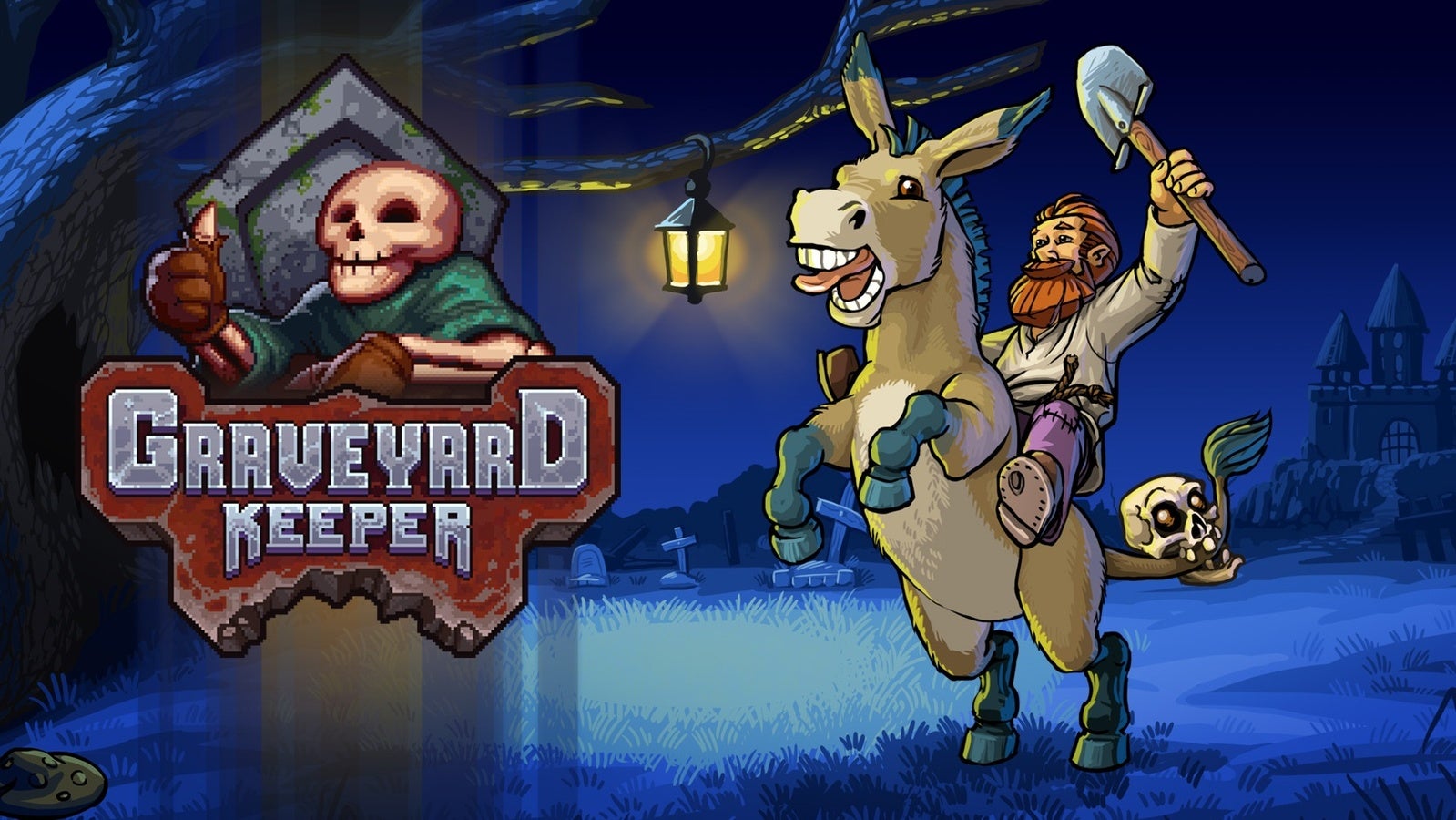
The independent publishing powerhouse tinyBuild has demonstrated the significant financial and marketing potential of the "loss leader" strategy within the gaming industry, revealing that a recent free giveaway of the 2018 hit Graveyard Keeper resulted in a massive surge in both immediate revenue and long-term interest for its upcoming sequel. According to data shared by tinyBuild CEO Alex Nichiporchik, the campaign to distribute the base game for free across Steam, Xbox, and PlayStation platforms triggered more than $250,000 in DLC sales on PC alone, while simultaneously driving 400,000 new wishlists for the recently announced Graveyard Keeper 2. This strategic maneuver highlights a shift in how established indie franchises leverage aging catalogs to fund future development and cement brand loyalty in an increasingly crowded marketplace.
Financial Performance and the Power of the "Long Tail"
The decision to offer Graveyard Keeper—a title originally released nearly six years ago—free of charge was initially framed as a promotional event to celebrate the announcement of its sequel. However, the secondary economic effects far exceeded initial industry expectations. Alex Nichiporchik took to social media to provide a transparent look at the figures, noting that the $250,000 revenue milestone was achieved exclusively through the sale of the game’s various downloadable content (DLC) packages on the Steam platform.
This figure is particularly notable because it does not yet account for console revenue. While PC remains a primary hub for management simulations, Graveyard Keeper maintains a significant presence on Xbox and PlayStation. Nichiporchik indicated that console data is still being processed, suggesting that the total gross revenue from the giveaway period could climb substantially higher once multi-platform transactions are tallied. This phenomenon serves as a case study for the "long tail" of software sales, where a well-timed promotional event can re-monetize a product long after its initial peak.
The success of the campaign relies on the existing depth of the Graveyard Keeper ecosystem. Unlike games that launch as a single, self-contained experience, the title developed by Lazy Bear Games has been supported by years of post-launch content. By lowering the barrier of entry to zero for the base game, tinyBuild successfully converted a massive influx of new players into paying customers who sought to expand their experience through the game’s three major expansions: Stranger Sins, Game of Crone, and Better Save Soul.
Strengthening the Pipeline for Graveyard Keeper 2
While the immediate influx of a quarter-million dollars in DLC revenue is a significant boon for the publisher, the primary objective of the giveaway was to build a foundation for the franchise’s future. The announcement of Graveyard Keeper 2 during the Triple-i Initiative Showcase 2026 (an industry event dedicated to high-production indie titles) served as the catalyst for this marketing blitz.
The results of this synergy were immediate. During the giveaway period, the Steam version of Graveyard Keeper 2 amassed over 400,000 wishlists. In the modern digital economy, wishlists are the primary metric used by developers and publishers to gauge potential Day 1 success and to influence Steam’s internal discovery algorithms. Reaching nearly half a million wishlists before a firm release date is established places Graveyard Keeper 2 among the most anticipated indie titles in development.
Industry analysts suggest that this strategy effectively "primes the pump." By giving away the first game, tinyBuild ensures that a fresh cohort of players is emotionally and mechanically invested in the franchise just as the marketing cycle for the sequel begins in earnest. This creates a self-sustaining cycle where the old content finances the new, and the new content brings renewed attention to the old.
Historical Context: From "Mixed" Beginnings to Cult Classic
To understand why this giveaway was so effective, one must look at the history of the original Graveyard Keeper. Launched in August 2018, the game was marketed as "the most inaccurate medieval cemetery management sim of all time." It sought to blend the addictive "one more day" loop of titles like Stardew Valley with a morbid, darkly comedic twist involving corpse disposal, organ harvesting, and unethical theological practices.
At launch, critical reception was polarized. While many praised its unique art style and atmospheric music, some reviewers, including those from Eurogamer, noted that the game’s progression was often hampered by "arcane busywork" and a high level of grind. Despite these initial hurdles, Lazy Bear Games spent the subsequent years refining the experience. Through a series of quality-of-life updates and the aforementioned DLCs, the developers addressed many community complaints, eventually turning the game into a "Very Positive" rated title on Steam with a dedicated, niche following.
The timeline of the game’s expansion is a testament to its endurance:
- August 2018: Initial release on PC and Xbox One.
- October 2019: Release of Stranger Sins, which added significant lore and the ability to manage a tavern.
- October 2020: Release of Game of Crone, introducing vampire-themed storylines and a refugee camp management system.
- October 2021: Release of Better Save Soul, focusing on the mechanics of sin extraction and soul healing.
By the time the giveaway occurred in 2024/2025, the game was a much more robust and polished product than it had been at launch. This allowed new players to experience the "best version" of the game, increasing the likelihood that they would invest in the DLC or wishlist the sequel.
Strategic Implications for the Indie Publishing Sector
TinyBuild’s success with this campaign offers several lessons for the broader indie publishing sector. First, it validates the "base game as a platform" model. When a game has sufficient DLC support, the base game essentially becomes a gateway drug. This model has been used successfully by AAA publishers—most notably Electronic Arts with The Sims 4—but it is increasingly becoming a viable path for "Triple-I" indie developers who have the resources to support a game for five years or more.
Second, it underscores the importance of timing. By syncing the giveaway with the announcement of the sequel at a major showcase, tinyBuild maximized the visibility of both the old and new products. The Triple-i Initiative Showcase provided the "top-of-funnel" awareness, while the free giveaway provided the "bottom-of-funnel" conversion.

Third, the strategy highlights the different roles of PC and console markets. While PC players are often more accustomed to DLC-heavy ecosystems and the "wishlist culture" of Steam, the giveaway on Xbox and PlayStation ensures that the brand remains relevant on platforms where subscription services like Xbox Game Pass often dominate the "free-to-play" conversation.
Official Responses and Developer Outlook
Alex Nichiporchik’s public disclosure of these figures was met with significant interest from other developers and industry observers. His assertion that such a move is "smart when you have a lot of DLC" reflects a pragmatic approach to digital storefront management. In an era where "discoverability" is the greatest challenge for any game, giving away a product can often be more profitable than selling it at a deep discount, provided the monetization infrastructure is in place.
Lazy Bear Games, the developer behind the series, has expressed a commitment to making Graveyard Keeper 2 a more refined experience. In promotional materials and developer logs, they have promised to take the "unhinged" nature of the first game—its complex crafting trees and dark humor—and pair it with better quality-of-life features. The developer’s goal is to maintain the depth that fans love while removing the "busywork" that critics previously lamented.
Conclusion and Future Impact
The giveaway of Graveyard Keeper has proven to be a masterstroke of digital marketing. By generating $250,000 in immediate revenue and securing 400,000 wishlists for the sequel, tinyBuild has demonstrated that a six-year-old game can still be a powerful engine for growth.
As Graveyard Keeper 2 moves closer to its release, the franchise stands as a pillar of the management simulation genre. The success of this campaign will likely encourage other publishers with deep back-catalogs to reconsider their approach to "free" promotions. In the current gaming climate, where player attention is the most valuable currency, sometimes the best way to make money is to give the game away for free. The coming months will reveal the full extent of the console numbers, but for now, the PC data alone confirms that the graveyard management business is more alive than ever.