Vera Intan Clara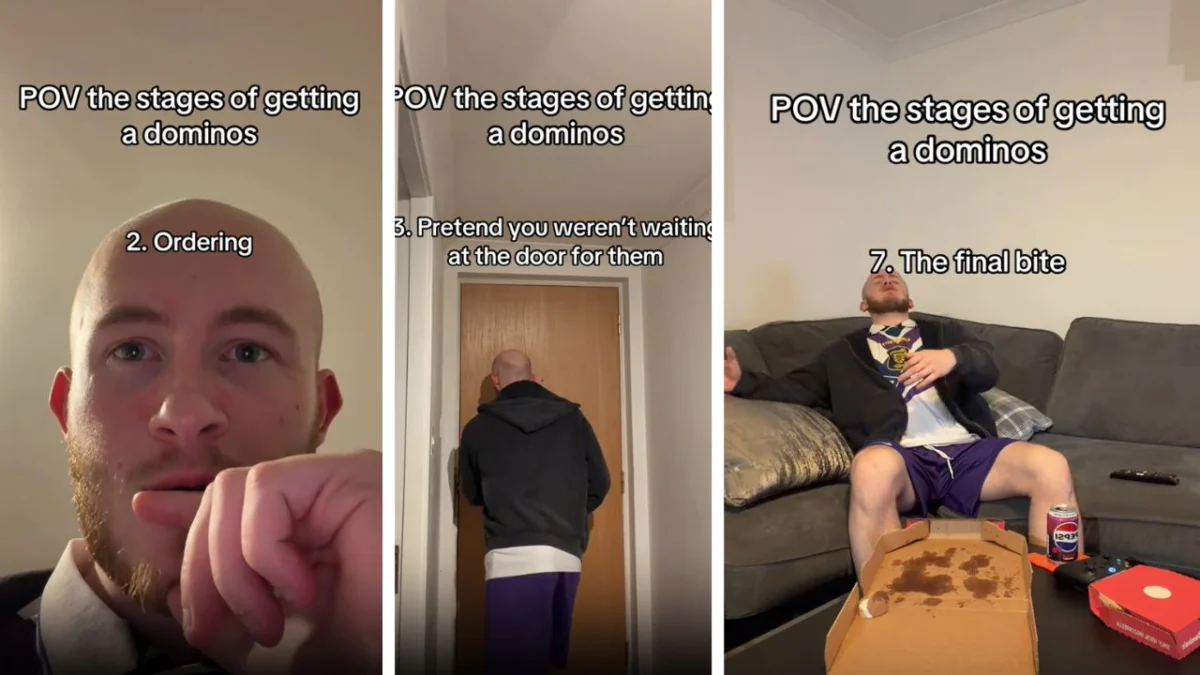
A recent comedic sketch uploaded by TikTok user @tyronereide has resonated deeply with online audiences, meticulously detailing the universal, often cyclical, experience of ordering and consuming a Domino’s pizza. The minute-long video, which quickly garnered widespread attention and millions of views across the platform, articulates a familiar eight-stage journey from initial craving to post-meal regret, striking a chord with countless viewers who recognized their own habits in the humorous depiction. This phenomenon underscores the power of relatable content in the digital age, transforming everyday experiences into viral cultural touchstones that spark collective identification and commentary.
The Anatomy of a Viral Sketch: Deconstructing the Domino’s Experience
@tyronereide’s sketch begins with the foundational stage: the decision to order from the popular fast-food chain. Portraying a character overwhelmed by hunger and a disinclination to cook, he articulates the internal monologue that often precedes such a choice: "I’m starving and I cannot be bothered cooking. I’m gonna get a Domino’s." This initial impulse, driven by convenience and the promise of immediate gratification, sets the stage for the subsequent phases of the experience.
The second stage involves the act of placing the order, a moment frequently accompanied by a surge of anticipation and excitement. The creator captures this feeling with the confident declaration, "This is gonna slap," reflecting the almost ritualistic belief in the deliciousness to come. Following this, the third stage is characterized by impatient waiting for the delivery. The sketch humorously depicts pacing by the door, an exaggerated nonchalance masking an intense eagerness for the food’s arrival, a common sentiment for anyone awaiting a highly anticipated meal. This period of waiting often builds a significant psychological expectation, heightening the perceived value of the food before it even arrives.
As the pizza nears, the fourth stage—pre-eating excitement—peaks. This is the zenith of the experience, where the aroma of the hot pizza and the visual appeal contribute to an almost euphoric state. The subsequent fifth stage, marked by taking "giant bites," represents the initial, uninhibited indulgence. However, this peak is often short-lived. @tyronereide then transitions to the sixth stage, where the initial enthusiasm wanes as fullness sets in after only a few bites. What began as a pleasure quickly morphs into a chore, transforming the remainder of the pizza from a desired treat into a challenging obligation.
The seventh stage involves forcing oneself to consume the last few bites, a testament to the desire to finish what was started, often driven by a sense of not wanting to waste food or a stubborn determination to complete the meal. Finally, the eighth and perhaps most poignant stage arrives once the pizza is finished. The creator depicts himself lying on his back, consumed by regret, questioning his decision to consume an entire pizza alone. "What have I done? Why do I keep doing this?" he laments, echoing a sentiment shared by countless individuals who have succumbed to similar indulgent episodes. This cycle of desire, indulgence, and subsequent remorse forms the core of the video’s powerful resonance.
The Digital Hearth: Why Relatability Reigns on TikTok
The rapid virality of @tyronereide’s video is a testament to TikTok’s unique ecosystem, where short-form, relatable content thrives. The platform’s algorithm is designed to amplify content that generates high engagement, and shared human experiences, especially those imbued with humor and self-awareness, are particularly effective. The "Point of View" (POV) format, which the sketch loosely employs, allows viewers to easily project themselves into the scenario, fostering a strong sense of connection and validation.
TikTok has become a digital hearth where micro-trends emerge from collective observations of daily life. From dance challenges to comedic skits about mundane tasks, the platform consistently demonstrates its capacity to turn everyday occurrences into widely discussed cultural phenomena. The Domino’s sketch fits perfectly within this paradigm, offering a universal narrative that transcends geographical and demographic boundaries, speaking to anyone who has ever wrestled with the consequences of a comfort food craving. This shared understanding forms the bedrock of online community building, allowing strangers to connect over common quirks and habits.
Domino’s in the Digital Age: A Brand and Its Consumers
Domino’s Pizza, a global leader in the quick-service restaurant (QSR) pizza segment, has long leveraged digital innovation to maintain its market dominance. Its pioneering efforts in online ordering, including the widely recognized Pizza Tracker, have set industry standards and deeply integrated the brand into the digital lives of consumers. With thousands of stores worldwide and a significant portion of its sales derived from digital channels, Domino’s brand identity is intrinsically linked to convenience, speed, and accessibility.
The comedic sketch, while focusing on a universal consumer experience rather than directly promoting the brand, inadvertently highlights aspects of Domino’s appeal: its status as a go-to option for quick, satisfying meals. For a brand that thrives on digital engagement and customer loyalty, user-generated content (UGC) like @tyronereide’s video presents a fascinating case study. While not an official endorsement, it undeniably keeps the brand in public consciousness, sparking conversations and solidifying its position as a cultural touchstone. In an era where traditional advertising faces increasing skepticism, authentic, relatable UGC can sometimes be more potent, fostering a sense of shared experience around the brand, even if that experience includes elements of post-indulgence regret.
Beyond the Laughs: Psychological Underpinnings of Indulgence and Regret
The profound resonance of the video extends beyond mere amusement; it taps into well-documented psychological patterns related to hedonic consumption and post-decision regret. Comfort eating, often triggered by stress, boredom, or a desire for instant pleasure, is a common human coping mechanism. The initial excitement and gratification derived from ordering and consuming fast food activate reward pathways in the brain, releasing dopamine and creating a temporary sense of well-being. This immediate pleasure often overrides long-term considerations about health or caloric intake.
However, as the sketch accurately portrays, this initial high is frequently followed by a dip, characterized by physical discomfort (fullness) and psychological regret. This phenomenon, sometimes referred to as "food remorse," is a common aspect of overindulgence. Research in consumer psychology suggests that post-purchase regret is a natural cognitive response when the perceived costs (e.g., feeling unwell, guilt, financial expenditure) begin to outweigh the initial benefits. The "Why do I keep doing this?" lament perfectly encapsulates this cycle, highlighting a recurring pattern of behavior despite prior negative outcomes, a testament to the powerful allure of immediate gratification.
The Economic Slice: Fast Food Industry Trends and Consumer Spending
The fast-food industry is a colossal global market, projected to reach over $930 billion by 2027, driven by factors such as urbanization, busy lifestyles, and the increasing demand for convenience. Pizza, in particular, remains a staple, with the global pizza market size valued at over $150 billion. Online food delivery services have seen exponential growth, especially in recent years, becoming an indispensable part of modern consumer habits. Data from various market research firms indicates that a significant percentage of consumers order fast food or takeaway at least once a week, often prioritizing convenience and speed over other factors.
The viewer comments, adding layers to @tyronereide’s original sketch, often highlighted the economic aspect of fast food. Remarks like, "What about the step where you temporarily decide it’s too much money before ultimately persuading yourself you deserve it," and "You missed the part where you have to contemplate for 15 minutes wether [sic] or not to spend 3 weeks wages on £1.50 worth of ingredients," reflect a widespread awareness of the cost associated with convenience. These comments underscore the internal debate consumers often face, balancing the perceived value of an indulgent meal against its financial outlay, especially in a cost-conscious economic climate. This financial consideration adds another layer to the post-indulgence regret, intertwining economic rationale with physical discomfort.
Brand Engagement in the Era of User-Generated Content
For brands operating in the highly competitive QSR space, user-generated content (UGC) represents both an opportunity and a challenge. While @tyronereide’s video is primarily a comedic observation, it implicitly touches upon the brand and the consumer’s relationship with it. Positive UGC can foster community and reinforce brand loyalty through authentic testimonials. However, content that humorously highlights potential downsides, such as the "salt crystals" comment or the post-meal regret, requires careful navigation.
Most brands recognize the power of authentic consumer voices. Rather than attempting to control or censor such organic discussions, many choose to observe and understand the nuances of consumer sentiment. The collective conversation around the Domino’s sketch provides invaluable, unsolicited feedback on consumer perceptions, expectations, and even the emotional journey associated with their product. This kind of authentic, albeit sometimes critical, engagement can be more influential than traditional marketing campaigns, as it originates from peers and feels inherently more trustworthy to potential customers. It exemplifies a shift where consumers are not just passive recipients of marketing messages but active co-creators of brand narratives.
Expert Commentary: Views from Analysts and Psychologists
Social media analysts often point to the "universal truth" factor as the primary driver of content virality. "Content that taps into a shared, unspoken experience—especially one that evokes a mix of humor and self-reflection—is gold on platforms like TikTok," states Dr. Anya Sharma, a digital culture researcher. "It creates an instant community of people who feel seen and understood, validating their own private struggles or indulgences." The short, punchy format of TikTok videos is also perfectly suited for these quick bursts of relatable humor, designed for immediate consumption and sharing.
From a psychological perspective, Dr. Ben Carter, a consumer behavior expert, explains the cyclical nature observed in the video: "The anticipation of pleasure from highly palatable foods often outweighs the memory of past negative consequences. This ‘hot-cold empathy gap’ means that in the ‘hot’ state of craving, we underestimate the ‘cold’ state of post-indulgence regret. The video brilliantly illustrates this common cognitive bias." He suggests that such content can serve as a humorous mirror, prompting viewers to reflect on their own patterns without feeling judged, thereby fostering a sense of collective understanding.
The Enduring Echo: Implications for Consumer Culture and Digital Marketing
The viral success of @tyronereide’s Domino’s sketch serves as a compelling case study in contemporary consumer culture and digital marketing. It highlights how everyday acts of consumption are increasingly being filtered through the lens of social media, transformed into shared narratives that resonate on a global scale. The video is more than just a comedic take on pizza ordering; it’s a commentary on modern lifestyles characterized by convenience, impulse, and the often-unforeseen emotional aftermath of instant gratification.
For brands, this phenomenon underscores the importance of authenticity and understanding the full spectrum of the consumer experience, including the moments of self-reflection and even regret. Engaging with user-generated content, even if it presents a humorous critique, can foster a deeper, more human connection with the audience. Ultimately, the enduring echo of "Why do I keep doing this?" is not just a question posed to oneself after a pizza, but a broader inquiry into our consumer habits, our relationship with food, and the powerful, unifying role of relatable humor in the digital age. It demonstrates that the most impactful stories are often found in the most ordinary moments, when shared and amplified by the collective voice of the internet.