Garick Elordi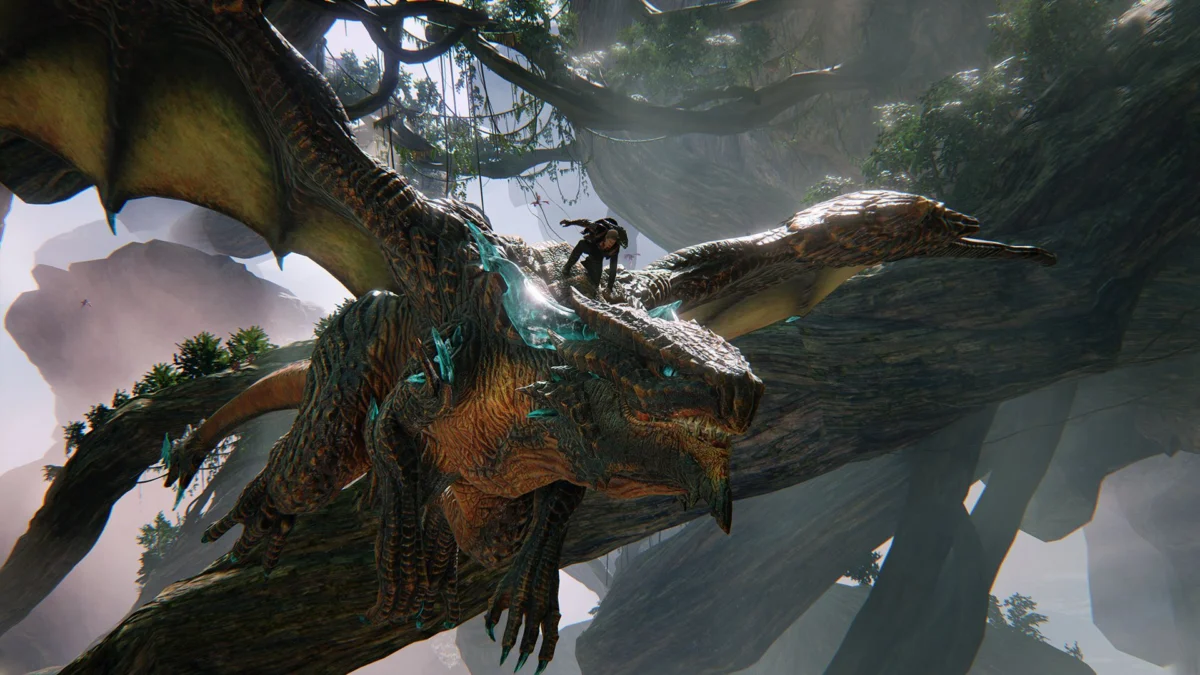
Hideki Kamiya, the visionary director behind some of the most influential titles in the action-game genre, has once again signaled his profound desire to resurrect Scalebound, the ambitious dragon-centric action-RPG that was famously cancelled by Microsoft in 2017. In a series of recent statements, the former PlatinumGames executive and current head of Clovers studio emphasized that his interest in the project remains undiminished by the passage of time, describing his intent to finish the game as a serious professional goal rather than mere nostalgia. This development comes at a pivotal moment for Kamiya, who recently departed PlatinumGames to establish his own independent development house, Clovers, where he is currently overseeing the production of a sequel to the critically acclaimed Okami.
The Resurgence of an Unrealized Vision
The conversation surrounding Scalebound was reignited during a comprehensive interview with Video Games Chronicle (VGC), in which Kamiya addressed the possibility of re-engaging with Microsoft and Xbox leadership. When asked if he had initiated formal discussions with Xbox CEO Phil Spencer or other high-ranking executives such as Asha Sharma, Kamiya clarified that while no official talks have occurred yet, he remains proactive in his stance. "Now is my opportunity to once again say that if they want to do it, let’s make it happen," Kamiya stated, effectively extending an open invitation to the platform holder that owns the intellectual property.
Kamiya’s departure from PlatinumGames in late 2023 was a landmark event in the Japanese development scene. His new venture, Clovers, reportedly houses a significant number of industry veterans, many of whom worked alongside him during his tenures at Capcom’s original Clover Studio and later at PlatinumGames. This concentration of talent provides a unique infrastructure that could, theoretically, handle a project of Scalebound’s magnitude, provided the logistical and financial backing of a major publisher is secured.
A Chronology of Ambition and Cancellation
To understand the weight of Kamiya’s recent comments, one must look back at the turbulent history of Scalebound’s development. Announced as an Xbox One exclusive during the Electronic Arts press conference at E3 2014, Scalebound was positioned as the "next big thing" for Microsoft’s console ecosystem. It represented a departure for PlatinumGames, shifting from the linear, high-octane spectacle of Bayonetta toward a more expansive, semi-open-world RPG format.
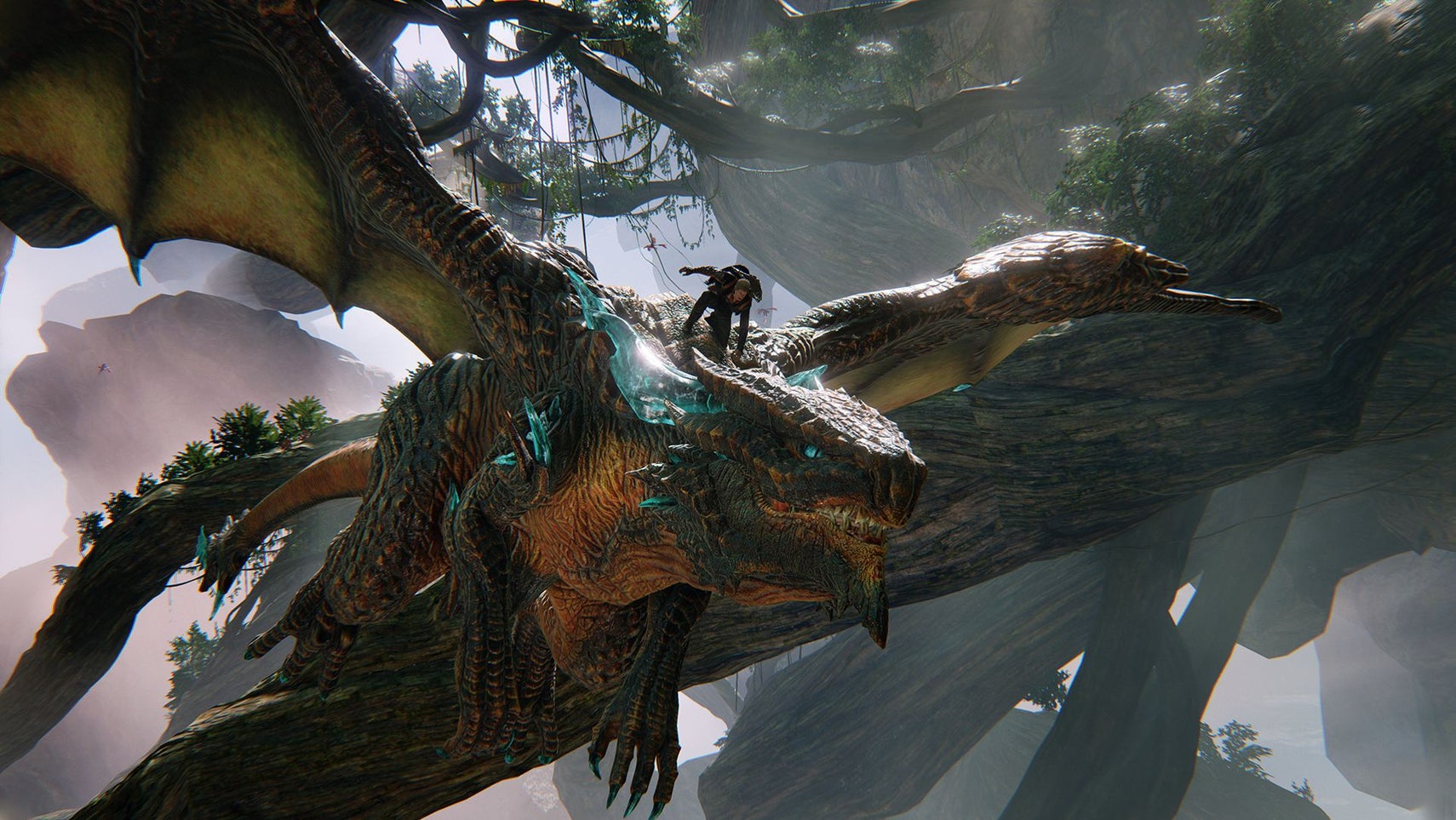
The game followed the journey of Drew, a young man transported to the world of Draconis, who shared a symbiotic bond with a massive dragon named Thuban. Players were to engage in combat using a mix of swordplay and dragon-command mechanics, with a heavy emphasis on customization and a four-player cooperative mode. However, after three years of development and several public showings—including a prominent gameplay demonstration at Gamescom 2015—Microsoft officially announced the project’s cancellation in January 2017.
The fallout from the cancellation was significant. At the time, Microsoft stated that the decision was made after "careful deliberation" to focus on other titles in its portfolio. For PlatinumGames, the loss of the project was a major blow to both its reputation and its financial stability. In 2022, PlatinumGames CEO Atsushi Inaba offered a rare moment of transparency, stating that the blame for the failure did not lie solely with Microsoft. Inaba acknowledged that the studio struggled with the technical demands of Unreal Engine 4 and the complexities of online multiplayer, which were relatively new frontiers for the team at the time.
The Okami Precedent and the Clovers Strategy
Kamiya’s optimism regarding Scalebound is bolstered by his current success in reviving another of his "lost" franchises: Okami. Originally released in 2006 by Capcom’s Clover Studio, Okami became a cult classic but failed to spawn a direct sequel for nearly two decades. Kamiya recently confirmed that Clovers is currently working with Capcom on Okami 2, a project that many fans believed would never materialize.
"I strongly believe that if you want something strongly enough, you eventually find a way to make it happen," Kamiya explained. He pointed to the return of Okami as evidence that industry bridges can be rebuilt and that intellectual properties can be revitalized even after long periods of dormancy. However, he was quick to temper expectations regarding the immediate future of Scalebound, noting that Clovers "might not be in a position to do that right this second" due to their current commitments. The studio is still in its foundational phase, and managing a AAA project of Scalebound’s scale would require a massive scaling of resources.
Technical Ambition vs. Development Reality
The original vision for Scalebound was famously ambitious. Unlike the fast-paced, 60-frames-per-second character action games PlatinumGames was known for, Scalebound was intended to be a more deliberate experience. The "Dragon Link" system allowed players to switch to a first-person perspective to direct Thuban’s attacks, creating a dual-character combat dynamic that was difficult to balance.
Furthermore, the game was designed to showcase the power of the Xbox One, featuring massive scale battles against "Behemoth" class enemies. Industry analysts have often pointed to the technical limitations of the hardware at the time and the difficulties of synchronizing massive AI-controlled dragons in a four-player online environment as the primary stressors that led to the project’s stagnation. In a modern context, with the power of the Xbox Series X|S and more mature development tools, many of these technical hurdles would likely be easier to overcome, providing a logical argument for why a revival makes sense now.
The Role of Microsoft and the Xbox Ecosystem
For Scalebound to return, the ball remains firmly in Microsoft’s court. Microsoft owns the trademark and the copyright to the Scalebound name and its assets. In recent years, Xbox has shifted its strategy toward a more diverse portfolio, acquiring major publishers like Bethesda and Activision Blizzard to bolster its Game Pass service.

While Phil Spencer has historically been cautious when asked about Scalebound—stating in a 2020 interview that the company had "moved on"—the landscape of the industry has changed. The demand for unique, high-concept Japanese titles on Xbox has grown, and the platform has seen success with other Platinum-adjacent titles and Japanese-led projects. The potential for Scalebound to serve as a "prestige" title for Game Pass is a factor that industry observers believe could eventually tempt Microsoft back to the negotiating table.
Broader Implications for the Gaming Industry
The persistent quest by Hideki Kamiya to finish Scalebound highlights a growing trend in the gaming industry: the "un-cancellation" of high-profile projects. From the long-delayed release of The Last Guardian to the fan-funded revival of Shenmue III, the precedent for bringing back games from the brink of extinction is well-established.
If Scalebound were to be revived under the Clovers banner, it would represent a significant shift in how independent studios interact with major platform holders. It would demonstrate that the creative vision of a director can outlast the corporate structures that initially funded it. Moreover, it would serve as a testament to Kamiya’s status as a "prestige director" whose name alone carries enough weight to keep a defunct project in the public consciousness for nearly a decade.
For now, the project remains a "strong desire" for Kamiya. As Clovers continues its work on Okami 2, the gaming community will undoubtedly keep a close watch on any signs of communication between the Osaka-based studio and Microsoft’s headquarters in Redmond. While the path to Draconis remains closed for the time being, the architect of that world is clearly not ready to let the fire die out.
Summary of the Current State of Scalebound
| Feature | Status |
|---|---|
| IP Ownership | Microsoft (Xbox) |
| Original Developer | PlatinumGames |
| Potential Developer | Clovers (Hideki Kamiya) |
| Initial Reveal | E3 2014 |
| Cancellation Date | January 2017 |
| Current Status | Inactive, but director expressed 100% serious interest in revival |
| Current Lead Project at Clovers | Okami 2 (in collaboration with Capcom) |
As the industry moves further into the current console generation, the technical foundations that once hampered Scalebound are no longer the barriers they once were. The question is no longer whether the game can be made, but whether the corporate interests of Microsoft and the creative drive of Hideki Kamiya can find a common ground to finally deliver one of the "lost" gems of the eighth console generation.