Garick Elordi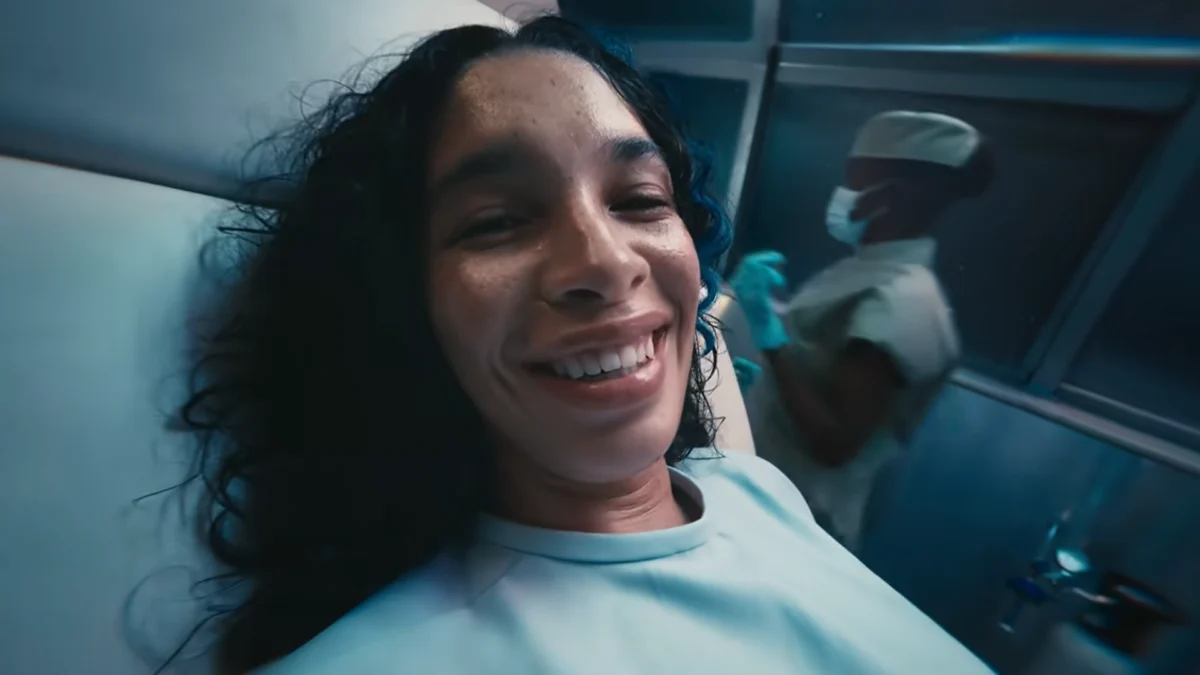
The reveal of Humankind 2 at the Gamescom Opening Night Live 2026 event was intended to be a milestone moment for Amplitude Studios, signaling a bold new chapter for the historical 4X strategy franchise. However, the debut was immediately met with a wave of skepticism from online audiences, with a significant portion of viewers labeling the high-concept announcement trailer as "AI slop." This term, which has become a common pejorative for content perceived to be generated by artificial intelligence rather than human artists, prompted a swift and detailed response from the developers. To dispel the rumors, Amplitude Studios has released an extensive behind-the-scenes look at the production of the trailer, providing definitive proof that the three-minute cinematic was the result of traditional filmmaking, practical effects, and professional human labor.
The controversy began almost immediately after the trailer aired during the high-profile industry showcase. Viewers on platforms such as X, Reddit, and YouTube pointed toward the trailer’s hyper-realistic yet slightly surreal aesthetic, rapid-fire historical transitions, and fluid camera movements as hallmarks of generative AI. In an era where the gaming industry is increasingly scrutinized for its adoption of automated tools—often at the expense of human staff—the backlash was both intense and immediate. Critics argued that the "uncanny valley" effect present in some of the character close-ups was a "tell" for AI-generated imagery.
The Production Reality Behind the Scenes
In a statement provided to Eurogamer, Amplitude Studios clarified that the trailer was a meticulously crafted piece of media that utilized a hybrid of traditional and modern production techniques. Far from being a product of an algorithmic prompt, the trailer was a collaborative effort involving a massive human crew, specialized visual effects houses, and a diverse cast of live animals.
"To recreate thousands of years of history in just a few seconds, the reveal trailer combined live-action filmmaking, practical sets, custom-made props, costumes, visual effects, and CGI," the studio explained. To ensure the creative vision remained consistent with the franchise’s identity, Amplitude once again partnered with BETC, the creative agency responsible for the marketing campaigns of the original Humankind.
The newly released behind-the-scenes footage provides a stark contrast to the accusations of automation. The clip showcases a bustling film set featuring a full production crew, including directors, cinematographers, and costume designers. It highlights the use of practical sets, such as a meticulously constructed operating room where a woman in a hospital gown—a central figure in the trailer—was filmed. The footage also reveals the extent of the animal handling on set, confirming that the production involved five chickens, a pig, a snake, three horses, and a group of rats to depict various historical eras authentically.

Technical Execution and the Role of LiveFX
The "uncanniness" that some viewers attributed to AI appears to be a result of the sophisticated post-production techniques employed by LiveFX, the studio handled the CGI and visual integration. By overlaying high-fidelity digital assets onto live-action footage, the production team aimed to create a seamless transition between different epochs of human history. This technique, while visually striking, can sometimes produce a level of sharpness and motion fluidity that modern audiences, currently hyper-aware of generative AI, may misinterpret.
The behind-the-scenes video specifically addresses these concerns by showing the "plates" or raw footage before and after the CGI was applied. This transparency illustrates the standard industry workflow for high-end cinematics, where human artists manually adjust lighting, texture, and physics to achieve a specific artistic look. The studio’s decision to show the work-in-progress phases serves as a direct rebuttal to the idea that the visuals were "slapped on" by a machine.
Humankind 2: A New Direction for the Franchise
Beyond the trailer controversy, the announcement has set the stage for what players can expect from the sequel. Humankind 2 is being positioned as a significant evolution of the 4X formula established in the 2021 original. The first game was praised for its "Fame" system and the ability to mix and match cultures through different eras, though it faced stiff competition from the long-standing Civilization series.
The sequel aims to refine these core mechanics while introducing several key upgrades:
- Updated User Interface: A redesigned UI intended to streamline the complex management systems inherent to the genre.
- New Progression Systems: Deeper customization options for how a player’s civilization evolves over time, moving beyond simple cultural shifts.
- Improved Visuals: A complete graphical overhaul designed to take advantage of modern hardware, as hinted at by the ambitious (and controversial) announcement trailer.
- Refined Diplomacy and Warfare: Enhanced AI behavior and strategic depth in both peaceful negotiations and military conflicts.
The game is currently slated for a 2027 release. This timeline suggests that the project is still in a relatively early stage of full production, with more detailed gameplay reveals expected in the coming year.
A History of Independence: The Split from Sega
The development of Humankind 2 is particularly notable due to the recent history of Amplitude Studios. In 2024, the studio underwent a major structural change when it officially split from its former parent company, Sega. This move came during a period of widespread restructuring within Sega’s European operations, which saw the divestment of several studios and a refocusing of resources.

By regaining its independence, Amplitude Studios has returned to its roots as an autonomous developer, albeit one with the scale and ambition of a major industry player. This independence is seen by many fans as a positive sign for the sequel, as it allows the team to pursue their specific creative vision for the "Endless" universe and the Humankind IP without the pressures of a massive corporate conglomerate. The studio’s commitment to "made by humankind" marketing is likely a nod to this newfound independence and a celebration of their internal creative talent.
The Broader Impact of AI Skepticism in Gaming
The backlash against the Humankind 2 trailer highlights a growing tension within the gaming industry and the creative arts at large. As generative AI tools become more sophisticated, the line between human-made art and machine-generated content is blurring, leading to a "guilty until proven innocent" atmosphere for studios that push visual boundaries.
For developers, this presents a new PR challenge. High-quality CGI that was once celebrated for its technical prowess is now often met with suspicion. This skepticism is rooted in genuine concerns regarding job security for artists, the homogenization of art styles, and the loss of the "human touch" in storytelling. Amplitude’s proactive approach—releasing behind-the-scenes footage almost immediately after the backlash—may become a standard operating procedure for studios moving forward.
Industry analysts suggest that this trend of "transparency in production" will be vital for maintaining player trust. When audiences feel that a studio is cutting corners or devaluing human labor, it can lead to long-term brand damage. By showing the chickens, the horses, and the human crew behind the camera, Amplitude has effectively turned a potential PR disaster into a demonstration of their commitment to traditional craftsmanship.
Looking Ahead to 2027
As the dust settles on the Gamescom reveal, the focus of the community is expected to shift from the trailer’s origins to the game’s actual content. With a 2027 release window, Amplitude Studios has a significant lead time to demonstrate how the gameplay of Humankind 2 will distinguish itself in an increasingly crowded strategy market.
The studio has promised more updates in the near future, likely focusing on the mechanical changes that will define the sequel. For now, the "AI slop" narrative has been largely neutralized by a display of practical filmmaking that reminds the industry that behind every digital world, there is still a very human effort—and occasionally, a few farm animals.