admin
admin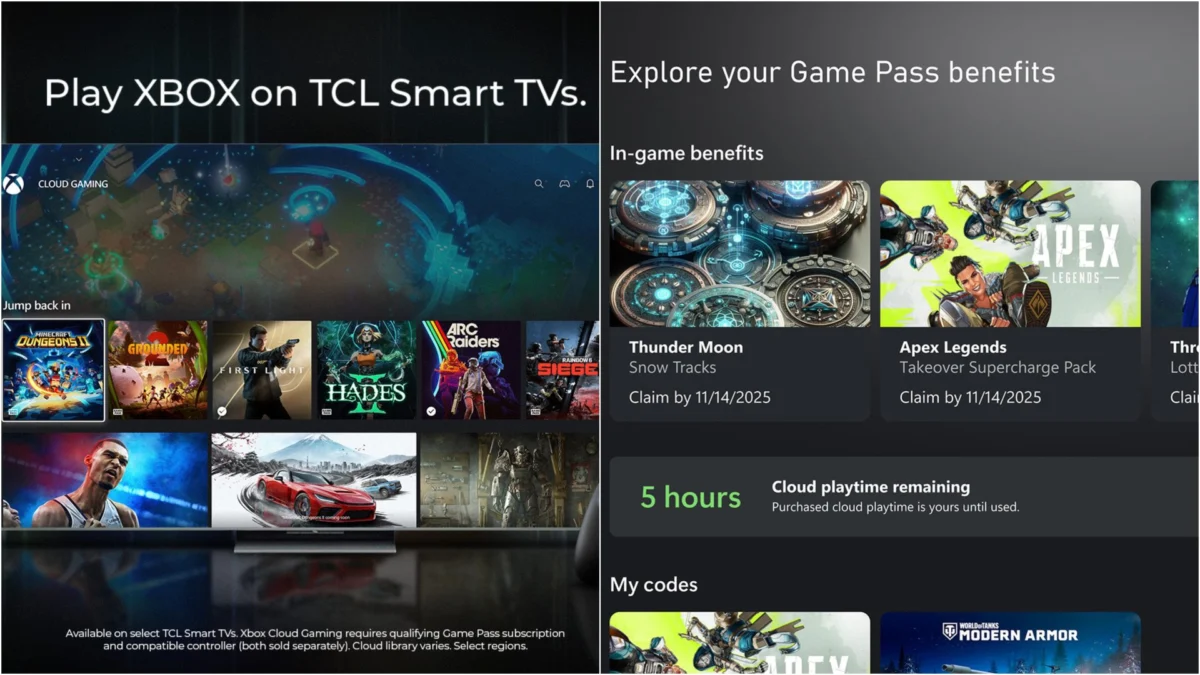
Microsoft’s gaming division has introduced a significant policy shift for its Xbox Cloud Gaming service, transitioning from an unlimited play model to a strictly capped monthly hourly allowance starting in November. The decision, which arrives alongside a new hardware partnership with television manufacturer TCL, marks a pivotal moment in the company’s broader "Xbox Reset" strategy led by division CEO Asha Sharma. While Microsoft continues to expand the reach of its Xbox app to more screens, the underlying service is being recalibrated to prioritize profitability over the rapid user acquisition that defined the previous "Xbox Everywhere" era.
The Dual Nature of the Xbox Cloud Expansion
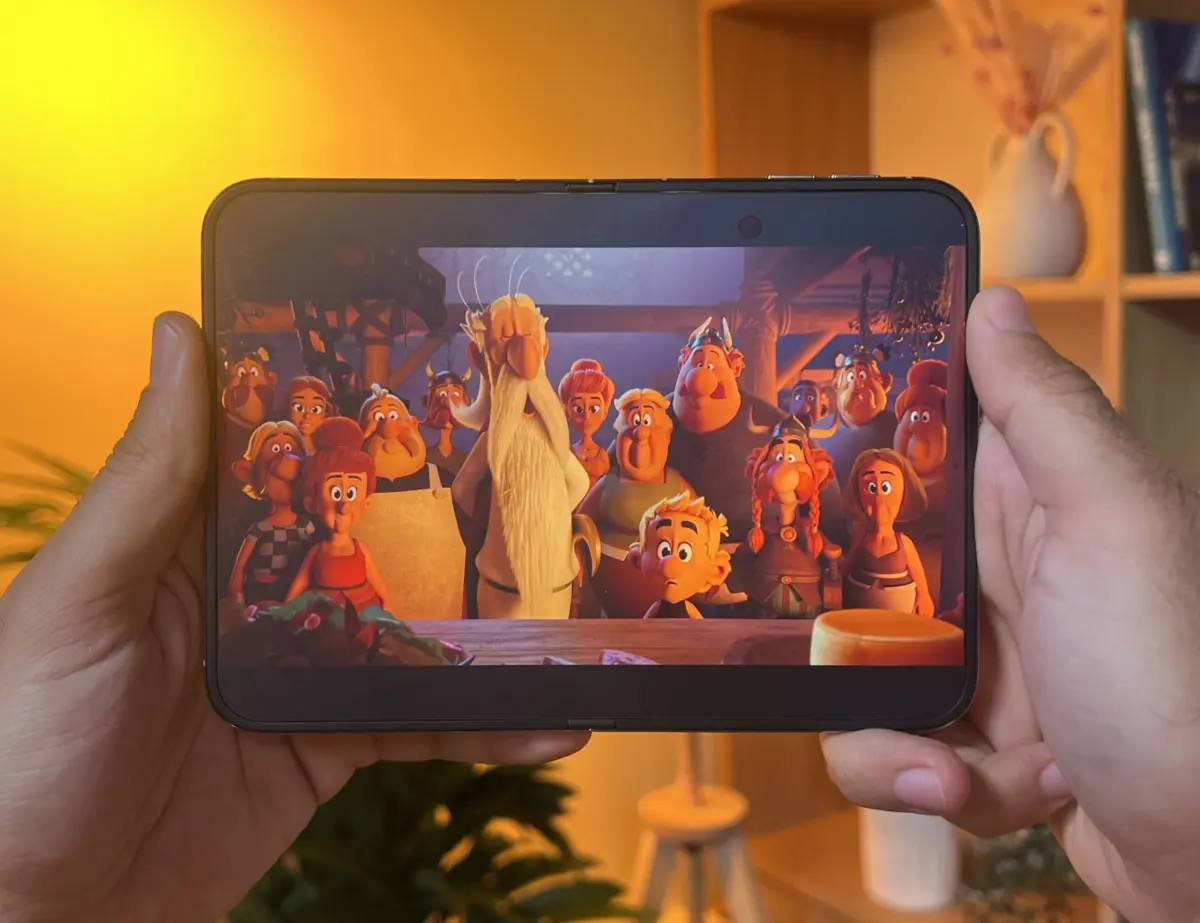
The announcement of the new usage limits came during a week that began with optimistic growth projections for the platform. On Friday, Microsoft confirmed that the Xbox app would launch on TCL’s popular line of Smart TVs in the coming months. This expansion follows successful integrations with Samsung and LG, effectively turning modern televisions into gaming hubs without the need for a physical console. By bypassing the $500 entry barrier of the Xbox Series X, Microsoft aimed to capture a broader demographic of "hardcore" gamers who prefer the convenience of an integrated app.
However, the utility of this expansion was immediately questioned following the disclosure that monthly playtime would be severely restricted. For a service that requires an Xbox Game Pass subscription—priced at $19.99 for the Ultimate tier—the introduction of a 15-hour monthly cap for many users represents a fundamental change in the value proposition. While Microsoft maintains that the majority of its user base remains within these limits, the move has sparked concerns regarding the long-term viability of cloud gaming as a primary platform for AAA experiences.
Chronology of Xbox Cloud Gaming and the Path to Restriction
To understand the current shift, it is necessary to examine the trajectory of Microsoft’s cloud efforts over the last five years.
- October 2019: Microsoft launches "Project xCloud" in public preview, utilizing custom server blades based on Xbox One S hardware.
- September 2020: Xbox Cloud Gaming officially launches as part of the Xbox Game Pass Ultimate subscription, bringing over 100 titles to Android devices.
- June 2021: Microsoft begins upgrading its data centers to custom Xbox Series X hardware to improve load times and frame rates.
- June 2022: The Xbox app debuts on 2022 Samsung Smart TVs, signaling a shift toward a "console-less" future.
- May 2024: Following the acquisition of Activision Blizzard, Microsoft faces increased pressure to demonstrate the profitability of its gaming division.
- September 2024: Asha Sharma, newly appointed as CEO of the gaming division, announces a "reset" following lower-than-expected margins and significant layoffs.
- November 2024: The implementation of monthly hour caps begins across all subscription tiers.
Comparative Analysis: Xbox vs. NVIDIA GeForce NOW
Microsoft is not the first major player to implement usage caps. NVIDIA, which operates the GeForce NOW service, recently introduced a 100-hour monthly limit for its top tiers. However, the disparity between NVIDIA’s allowance and Microsoft’s new limits is stark. While NVIDIA provides enough time for professional-level engagement, Microsoft’s cap is being described as barely sufficient for a single medium-sized single-player campaign.
The following table highlights the differences in service structure between the two leading cloud providers:
| Feature | Xbox Cloud Gaming (New) | NVIDIA GeForce NOW (Ultimate) |
|---|---|---|
| Monthly Hour Cap | ~15-30 Hours (Tier dependent) | 100 Hours |
| Session Length | Variable | Up to 8 Hours |
| Rollover Hours | None | Up to 15 Hours |
| Extra Hours Cost | TBD | $5.99 per 15-hour block |
| Hardware/Tech | Xbox Series X-based | RTX 4080-level / DLSS 3.5-5.0 |
| Primary Goal | Ecosystem retention | High-performance streaming |
Industry analysts point out that NVIDIA’s service is built on a "bring your own game" model, whereas Xbox Cloud Gaming is a "buffet" service. The high cost of licensing content for Game Pass, combined with the operational costs of server maintenance, creates a double-sided financial burden for Microsoft that NVIDIA does not share to the same extent.
The Economic Reality: AI Compute and Server Prioritization
The shift in strategy is deeply tied to the global surge in Artificial Intelligence (AI) development. Microsoft, a leader in the AI space through its partnership with OpenAI and its own Copilot initiatives, relies on the same Azure data centers to power both gaming and AI.

Internal reports and insights from industry analysts, including Windows Central’s Jez Corden, suggest that Microsoft currently loses money on any cloud user who exceeds the 15-hour monthly threshold. The high compute demands of modern AI models have increased the opportunity cost of every GPU and CPU cycle in Microsoft’s data centers. From a corporate standpoint, "wasting" server capacity on a low-margin cloud gaming session is increasingly difficult to justify when that same capacity could be sold at a premium to enterprise AI clients.
This resource competition has forced the gaming division to re-evaluate its "overextended" position. Asha Sharma’s "Xbox Reset" is a direct response to these pressures. After a period of aggressive expansion that included the $69 billion acquisition of Activision Blizzard and the layoff of approximately 3,200 employees across the division, the focus has shifted from "growth at all costs" to "sustainable profitability."
Official Responses and User Impact
Microsoft has attempted to downplay the impact of these changes, stating that only approximately 4% of the current Xbox Cloud Gaming user base will be affected by the 15-hour cap. This figure suggests that the vast majority of subscribers use the cloud primarily as a secondary feature—perhaps to "try before they download" or to complete daily tasks in titles like Microsoft Flight Simulator or Sea of Thieves while away from their consoles.
However, for the segment of the market Microsoft was targeting with the TCL and Samsung TV apps—users who do not own a console—a 15-hour limit may prove prohibitive. Modern RPGs such as Starfield or Persona 5 Royal often require 80 to 100 hours to complete. Under the new constraints, a user would need over six months to finish a single large-scale title, a timeline that may lead to higher churn rates for the Game Pass Ultimate subscription.
While there has been no official statement from TCL regarding how these limits might affect their marketing of the Xbox app, industry insiders suggest that hardware partners may be frustrated by the sudden change in service value.
Broader Implications for the Future of Cloud Gaming
The move by Microsoft raises questions about the bullish predictions for the cloud gaming sector. Recently, Take-Two Interactive CEO Strauss Zelnick expressed confidence that cloud gaming would "take off for good" within the next three years, potentially expanding the gaming industry’s installed base tenfold. Zelnick’s optimism is shared by many who see cloud technology as the solution to rising hardware prices and the ongoing component crisis.
If Zelnick’s prediction holds true, Microsoft’s decision to throttle its service could be seen as a strategic retreat that leaves the door open for competitors. While Sony is slowly expanding its PlayStation Plus cloud streaming capabilities and NVIDIA continues to refine its GeForce NOW infrastructure, Microsoft appears to be signaling that it no longer views cloud gaming as its primary vehicle for growth.
The irony of the situation is not lost on the gaming community. For years, Microsoft marketed the cloud as the great equalizer that would bring high-fidelity gaming to billions. Now, faced with the realities of server costs and the lucrative allure of AI, the "Xbox Everywhere" vision is being tempered by a more traditional, profit-driven corporate structure.
Conclusion
The implementation of monthly hour caps on Xbox Cloud Gaming serves as a case study in the challenges of scaling digital services. As Microsoft navigates its "reset," the priority has clearly shifted toward the core console and PC experience, with the cloud relegated to a supplemental feature rather than a standalone platform. For the 4% of heavy users affected, and for the prospective TCL TV owners hoping to make Xbox their primary gaming outlet, the new limits represent a significant narrowing of the horizon for cloud-based play. Whether this move achieves the desired profitability or merely cedes the market to more specialized competitors remains to be seen in the coming fiscal year.