Vera Intan Clara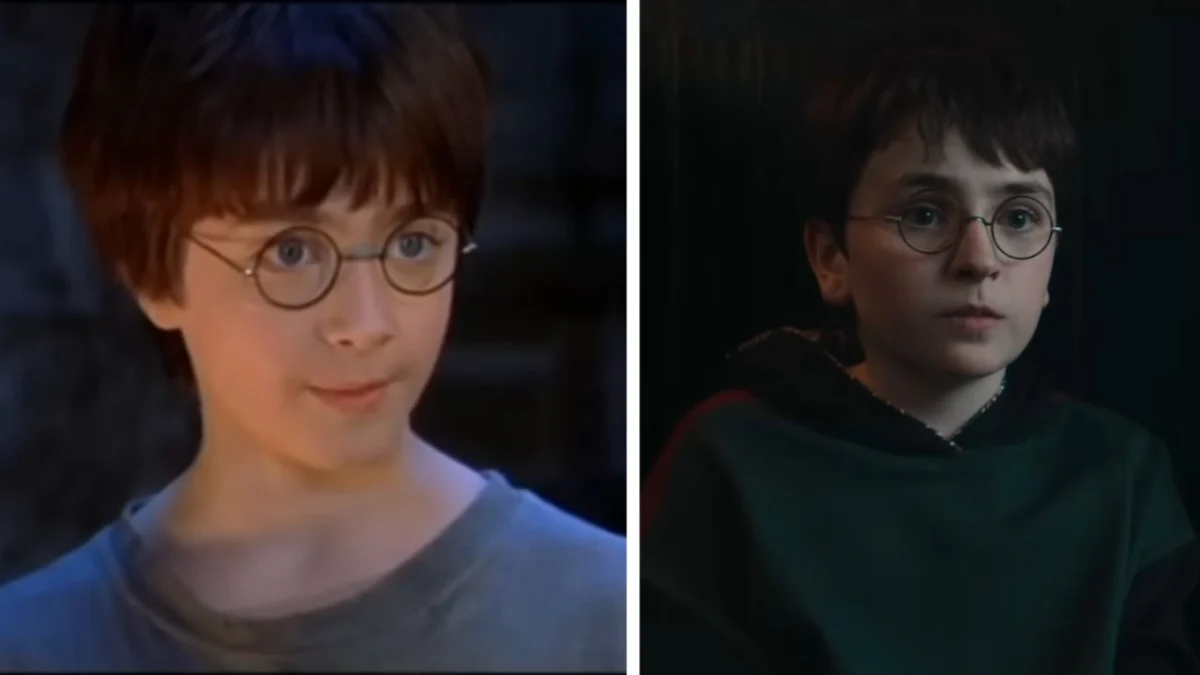
The announcement of a new "Harry Potter" series by Warner Bros. Discovery for its Max streaming platform has ignited a fervent debate across global fandoms, pitting the promise of a more faithful book-to-screen adaptation against the deeply ingrained legacy of the blockbuster film series. Since its initial reveal, and particularly following the release of early promotional footage, the production has faced intense scrutiny, primarily centered on its new cast and perceived aesthetic departures from the beloved cinematic predecessors.
The Enduring Legacy of the Original Film Franchise
The original "Harry Potter" film series, comprising eight movies released between 2001 and 2011, transcended mere cinematic adaptations to become the visual and auditory embodiment of J.K. Rowling’s Wizarding World for an entire generation. Starring Daniel Radcliffe as Harry Potter, Emma Watson as Hermione Granger, and Rupert Grint as Ron Weasley, the trio became inextricably linked to their characters, their faces synonymous with the young wizards and witch who captivated millions. The films grossed over $7.7 billion worldwide, cementing their place as one of the highest-earning film franchises in history and establishing a formidable cultural footprint that includes theme park attractions, spin-off films like "Fantastic Beasts," stage plays, and a vast merchandise empire.
Beyond box office numbers, the films’ production design, costuming, and cinematography crafted a distinct visual identity that shaped public perception of Hogwarts, Diagon Alley, and the wider magical universe. Director Chris Columbus, who helmed the first two installments, established a whimsical yet grounded aesthetic that evolved with subsequent directors like Alfonso Cuarón, Mike Newell, and David Yates, each adding layers of maturity and darkness as the source material progressed. This visual lexicon, characterized by rich amber tones, intricate sets, and memorable creature designs, has become the benchmark against which any new adaptation is inevitably measured.
Chronology of the New Series’ Development and Fan Reactions
Rumors of a potential television series adaptation of "Harry Potter" had circulated for several years, fueled by Warner Bros. Discovery’s strategic imperative to leverage its most valuable intellectual properties for its streaming service. The official confirmation arrived in April 2023, with Warner Bros. Discovery CEO David Zaslav announcing a "true-to-book" adaptation, promising a "decade-long series" with each season dedicated to one of Rowling’s seven novels. J.K. Rowling herself was announced as an executive producer, a move widely interpreted as a guarantee of fidelity to the original text.
Following this announcement, anticipation grew, tempered by an undercurrent of apprehension among long-time fans. The recent release of early promotional footage—including teasers, behind-the-scenes glimpses, and official stills—served as the first tangible look at the new production, triggering a wave of immediate and often critical reactions across social media platforms.
The new central trio cast for the series includes Dominic McLaughlin as Harry Potter, Alastair Stout as Ron Weasley, and Arabella Stanton as Hermione Granger. While the casting choices represent a new generation of talent, they immediately entered the challenging position of following in the footsteps of actors who defined these roles for millions.
Fan Skepticism and the "Forever Potter" Debate
Online discussions quickly coalesced around several key areas of concern. On platforms like Reddit and X (formerly Twitter), the sentiment was often characterized by a blend of nostalgia, protective loyalty to the original films, and a cautious hope for improvement.
A prominent post in the r/indiasocial subreddit, titled "Radcliffe will alwys [sic] be our forever Potter… the boy who made us believe in magic," garnered approximately 100 replies, illustrating the deep emotional attachment many viewers have to the original cast. Commenters were divided, not only on the new actors’ appearances but also on their perceived "screen presence" in the brief footage available.
This sentiment underscores a unique challenge for reboots of culturally significant franchises: the "definitive cast" phenomenon. For many, Daniel Radcliffe isn’t just an actor who played Harry Potter; he is Harry Potter. This psychological connection makes the task of recasting particularly fraught. The original films benefited from a relatively unknown cast who grew into their roles alongside their characters, allowing audiences to discover them simultaneously with the magical world. The new actors, however, face the unenviable task of stepping into roles already defined by global icons.
The Quest for Book Fidelity vs. Nostalgia Bias
Despite the nostalgia, a significant segment of the fandom has long advocated for an adaptation that adheres more closely to the intricate details and subplots of Rowling’s novels, many of which were necessarily condensed or omitted in the films due to time constraints. One Reddit user articulated this nuanced perspective, stating, "Movies missed a lot of details; some characters were straight up cut.. so I won’t mind a series if they make it efficiently." This viewpoint highlights a core tension: the desire for a comprehensive adaptation versus the emotional attachment to the existing one.
Another commenter echoed this, acknowledging the "nostalgia bias" but expressing hope that "the new series will be more detailed but yeah competing with the level of acting of the og hp cast will be difficult." This suggests an understanding that while the films were excellent, they weren’t perfect in their adaptation, leaving room for a new interpretation to explore untouched narrative threads and character developments. The episodic nature of a television series, with its significantly expanded runtime compared to feature films, theoretically offers the ideal format for this level of detail.
Visual Tone and Aesthetic Departures: A Colder Hogwarts?
Perhaps the most visually striking and frequently discussed point of contention has been the perceived shift in the series’ aesthetic and visual tone. A user on X claimed, "Maybe it’s too early to say it, but the new Harry Potter series just doesn’t seem to have the same magic as the original movies." This vague sense of missing "magic" was further elaborated by another commenter who meticulously compared the visual language: "Something about the new Hogwarts just feels… colder. And it’s not just the lighting. Look at the color. The books describe Hogwarts as warm, strange, and lived-in and the 2001 film used those rich amber tones to make it feel like a real home. The new footage leans heavily into blue, gray and desaturated tones…"
This observation points to a fundamental difference in artistic direction. The original films, particularly in their early installments, embraced a vibrant, almost storybook quality, utilizing warm color palettes and practical effects to evoke a sense of wonder and comfort within the ancient walls of Hogwarts. The described "blue, gray and desaturated tones" of the new footage suggest a more contemporary, perhaps grittier or more realistic approach, akin to many modern high-fantasy streaming productions. While such an aesthetic might aim for a sense of gravitas or maturity, it risks alienating fans who associate the Wizarding World, especially its early years, with a sense of cozy enchantment.
The concern over production value also surfaced, with one Reddit user comparing a feast scene from the 2001 film with new footage and lamenting, "Forget the food, the producers didn’t even have money for proper lighting. Why even make the series then?" While premature to judge a series’ entire budget based on early snippets, such comments reflect the high expectations set by the original films’ lavish production and the perceived investment in a flagship Max series. Fans anticipate a visual spectacle commensurate with the "Harry Potter" brand, and any perceived lack of grandeur can trigger immediate skepticism.
Supporting Data and Precedents: The Reboot Challenge
The "Harry Potter" series is not alone in facing intense scrutiny as a reboot or reimagining of a beloved franchise. The entertainment industry, particularly streaming services, has increasingly relied on established intellectual properties to attract and retain subscribers. This strategy, while often financially lucrative, carries significant creative risks.
- Star Wars Sequels and Spinoffs: While immensely popular, have faced a deeply divided fanbase regarding narrative choices and character development.
- The Lord of the Rings: The Rings of Power: Amazon Prime Video’s ambitious prequel series, costing over $1 billion for its first season, also faced a barrage of online criticism regarding its faithfulness to Tolkien’s lore, casting, and visual aesthetics, despite garnering significant viewership.
- Percy Jackson and the Olympians: Disney+’s recent adaptation of Rick Riordan’s popular book series, while receiving generally positive reviews from fans for its fidelity, still grappled with comparisons to the earlier film adaptations and the challenge of meeting diverse fan expectations.
These examples underscore the "damned if you do, damned if you don’t" predicament facing creators of reboots. Deviate too much, and you risk alienating the core fanbase; stick too closely, and you might be accused of lacking originality or failing to justify the new adaptation’s existence.
The original "Harry Potter" books sold over 500 million copies worldwide, translated into more than 80 languages, making it the best-selling book series in history. This colossal global reach means the new series is not merely appealing to a niche audience but attempting to re-engage a multi-generational, international fanbase with deeply personal connections to the material. The success of related ventures, such as the "Hogwarts Legacy" video game, which sold over 22 million copies in 2023, demonstrates the enduring commercial viability of the Wizarding World, but also highlights the high bar for quality and authenticity that fans expect.
Official Responses and the Producers’ Vision
While direct, detailed responses to specific fan criticisms from Warner Bros. Discovery or the production team have been limited in the immediate aftermath of promotional footage release, the overarching narrative presented by the creators has consistently emphasized a commitment to the source material. J.K. Rowling’s executive producer role is frequently cited as assurance of narrative integrity.
Producers are understood to be aiming for a comprehensive adaptation that delves into the nuances and subplots that the films, by their very nature, had to gloss over. The stated goal is to provide a "true-to-book" experience, offering fans the opportunity to explore the Wizarding World with an unprecedented level of detail across what is envisioned as a multi-season arc. This approach seeks to differentiate the series from the films not as a replacement, but as a complementary, more expansive interpretation. The longer runtime per book allows for character arcs, world-building elements, and magical concepts to be explored with greater depth, potentially appealing to those who felt the films rushed certain aspects.
Broader Impact and Implications for the Franchise
The success or failure of the new "Harry Potter" series carries significant implications, not only for Warner Bros. Discovery and Max but also for the future of franchise reboots in the streaming era.
- Commercial Stakes: For Warner Bros. Discovery, "Harry Potter" is one of its most valuable IPs. A successful series could significantly boost Max subscriptions globally, generate substantial revenue through licensing and merchandise, and re-invigorate the Wizarding World brand for a new generation. Conversely, a poorly received series could dilute the brand’s value and alienate a crucial segment of its fanbase.
- Franchise Longevity: The series is a strategic move to ensure the "Harry Potter" saga remains relevant and accessible to new audiences, extending its cultural shelf life beyond the original films. It’s an attempt to cultivate a new generation of fans while re-engaging existing ones.
- Precedent for Future Adaptations: The reception of this series will likely influence how other major literary or cinematic franchises are approached for re-adaptation. It will serve as a case study in navigating fan expectations, balancing fidelity with fresh interpretation, and the challenges of recasting iconic roles.
- Evolution of Fandom: The intense, instantaneous online reactions reflect the contemporary nature of fandom, where collective opinion can quickly form and influence perception. This places immense pressure on creators to manage expectations and engage with their audience transparently.
For many fans, the new adaptation appears to face an almost impossible challenge: living up to the version of Harry Potter they grew up with while simultaneously offering something new and compelling. The original films didn’t just tell a story; they created a shared experience and a definitive visual identity. The new series must not only tell that same story efficiently and faithfully but also carve out its own space in the cultural consciousness, a feat that requires both reverence for the past and a bold vision for the future. The magic, it seems, is not just in the spells and potions, but in the delicate balance of expectation, nostalgia, and creative execution.