Vera Intan Clara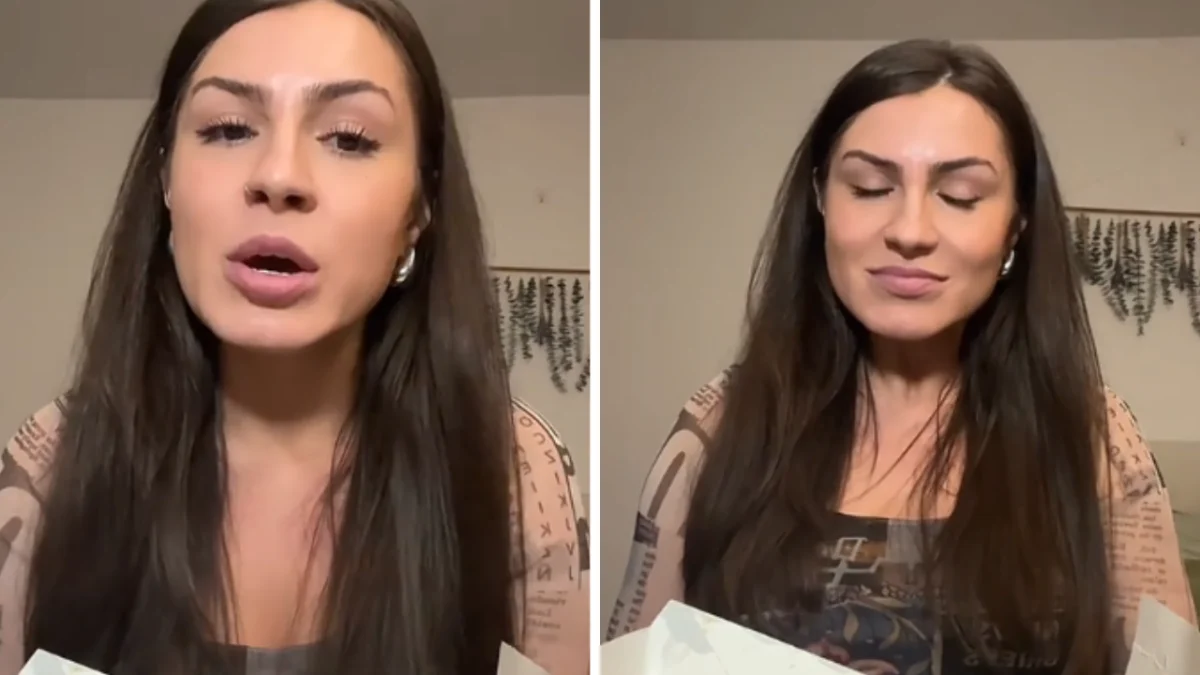
A recent account shared on TikTok by a woman identified as Colette, known by her handle @glencocopuff, has ignited a considerable debate across social media regarding modern dating norms, communication breakdowns, and the perennial challenge of first impressions. Colette detailed what she unequivocally described as the worst first date of her life, characterized by her companion’s patronizing, rude, and overtly disrespectful behavior, an experience made all the more perplexing by his subsequent expression of interest in a second encounter. Her narrative, which she noted "just keeps getting worse and worse," quickly garnered significant attention, accumulating over 10,800 likes and 1,071 comments at the time of the original reporting, highlighting a widespread resonance with the frustrations of contemporary dating.
The Anatomy of a Disastrous First Date
Colette’s detailed recount began with a familiar prelude to modern romance: promising pre-date text exchanges. She indicated that initial digital interactions suggested a strong connection, fostering an expectation that their in-person meeting would follow suit. This optimism, however, quickly dissipated upon the man’s arrival, whom she described as exuding a "large ego" from the outset. This perceived arrogance set the tone for an evening that would steadily devolve into a series of uncomfortable and disrespectful exchanges, as detailed by Colette.
The initial discomfort manifested when the date launched into a litany of complaints about his subordinates at work. Colette observed that he appeared to be subtly prompting her to inquire about his profession, a conversational gambit she chose not to engage with. Undeterred by her lack of prompting, he eventually disclosed his profession as an investment banker, accompanying this revelation with an assumption that Colette would be unfamiliar with the field. This dismissive attitude, Colette noted, was particularly irksome, yet she opted against prolonging the discussion.
The conversation then shifted to Colette’s recent relocation to the city. Upon learning of her recent move, the man unexpectedly declared his refusal to date individuals new to the area, citing their lack of an established community as his rationale. This unsolicited and judgmental pronouncement, Colette recounted, prompted an internal eye-roll, signaling a growing sense of annoyance and incredulity at her date’s behavior.
Further illustrating his self-aggrandizing communication style, the man proceeded to recount his experiences living in China, emphasizing his linguistic abilities. When Colette, demonstrating her own cultural awareness, inquired whether he spoke Mandarin or Cantonese, he reportedly displayed surprise at her ability to differentiate between the two prominent Chinese languages. This interaction, Colette articulated, reinforced her growing impression that he viewed her as intellectually inferior, despite her evident familiarity with Chinese culture and geography. The accumulation of these condescending interactions ultimately led Colette to directly challenge his behavior, marking a critical juncture in the ill-fated date.
Escalating Disrespect and the ‘Straight Shooter’ Paradox
The narrative of the date’s deterioration continued as Colette highlighted further instances of perceived disrespect. She specifically cited his decision to proceed with the date despite her dating profile clearly indicating her recent move to the city, information he seemingly chose to disregard until it became a topic of discussion. This detail underscored her belief that he had not invested the effort to genuinely engage with her profile, in stark contrast to her own approach of asking him questions based on information he had provided about himself.
Adding another layer of irony to the evening, the man reportedly described himself as a "straight shooter." This self-assessment, Colette noted, stood in direct opposition to his actions throughout the date, which she perceived as anything but forthright or respectful. The discrepancy between his self-proclaimed honesty and his behavior further cemented Colette’s unimpressed stance.
Perhaps the most confounding aspect of the entire evening, as Colette conveyed, was the man’s desire for a second date, expressed despite the overtly negative and uncomfortable interactions that had transpired. This request left Colette bewildered, reinforcing her sentiment that the entire exchange continued to worsen even after its conclusion.
The Broader Context: Online Dating and Modern Etiquette
Colette’s viral story serves as a potent case study within the expansive and often tumultuous landscape of modern online dating. The proliferation of dating applications has fundamentally reshaped how individuals meet, fostering both unprecedented opportunities for connection and unique challenges in translating digital rapport into meaningful in-person interactions. Statistics reveal that online dating has become a primary method for meeting partners, with millions globally utilizing platforms that promise compatibility and convenience. However, this digital convenience also presents a breeding ground for mismatched expectations, superficial judgments, and, as Colette’s experience illustrates, profoundly disappointing encounters.
The phenomenon of the "bad date" is far from new, yet its amplification through social media platforms like TikTok provides a contemporary lens through which collective frustrations and shared experiences are voiced. Users frequently turn to these platforms to chronicle dating mishaps, seeking validation, advice, or simply a communal space to vent. This trend underscores a broader societal conversation about dating etiquette, respect, and the often-unspoken rules of engagement in romantic pursuits. Colette’s story taps into this collective consciousness, highlighting common "red flags" that many daters encounter.
Common Red Flags and Communication Breakdowns
Relationship experts and psychologists frequently identify certain behaviors as "red flags" that signal potential issues in a burgeoning relationship. Many of the behaviors Colette described align directly with these warning signs:
- Arrogance and Self-Centeredness: The man’s constant boasting, complaints about subordinates, and assumption of Colette’s ignorance point to an inflated ego and a lack of interest in genuine reciprocal conversation. Healthy relationships thrive on mutual interest and respect, not monologues.
- Dismissiveness and Lack of Empathy: His quick judgment about Colette’s recent move to the city, coupled with his pre-conceived notions about her knowledge, demonstrates a lack of empathy and a tendency to dismiss others based on superficial criteria.
- Poor Active Listening: Colette’s account suggests a fundamental absence of active listening on his part. He seemed more interested in speaking about himself and making pronouncements than in engaging with her responses or learning about her experiences.
- Inconsistency Between Words and Actions: His self-description as a "straight shooter" directly contradicted his patronizing and disrespectful behavior, illustrating a lack of self-awareness or an attempt to project an image that did not align with reality.
- Misreading Social Cues: The most glaring example of this was his request for a second date despite Colette’s evident discomfort and her direct challenge to his behavior. This indicates a significant inability to interpret social signals and a potential lack of respect for her boundaries and feelings.
These communication breakdowns are not isolated incidents but reflect broader patterns observed in dating culture. The pressure to make a good impression, combined with varying levels of emotional intelligence and self-awareness, can often lead to such uncomfortable encounters.
Public Reaction and Broader Implications
The comments section of Colette’s TikTok video became a vibrant forum for discussion, demonstrating the widespread resonance of her experience. Commenters largely expressed solidarity with Colette, focusing their reactions on the date’s described behavior. One individual articulated a common sentiment, stating they were "exhausted just listening to the story" and advocated for "normaliz[ing] leaving dates after 5 minutes" if the situation is clearly unworkable. Another commenter succinctly described the man’s demeanor as "immature as hell," echoing a general consensus regarding his conduct.
Many users shared their own harrowing experiences with bad dates, creating a sense of community around shared frustrations. Several commenters noted that they would have exited the situation much earlier, reflecting a growing societal emphasis on prioritizing personal comfort and boundaries in dating. This collective reaction underscores a significant shift in dating culture, where tolerance for disrespectful behavior is diminishing, and self-respect is increasingly prioritized.
The virality of Colette’s story and similar narratives on platforms like TikTok carries several broader implications for dating culture:
- Empowerment of Daters: Sharing these stories empowers individuals, particularly women, to recognize and call out disrespectful behavior, fostering a sense of validation and reducing feelings of isolation.
- Setting New Standards: Such discussions contribute to a collective re-evaluation of acceptable dating etiquette, potentially setting higher standards for respectful interaction and communication.
- Awareness of Red Flags: The detailed accounts help others identify common "red flags" early in the dating process, potentially saving them from similar unpleasant experiences.
- The Role of Social Media: TikTok and similar platforms have become vital spaces for public discourse on personal experiences, influencing cultural norms and fostering collective action or awareness.
Conclusion: A Mirror to Modern Dating Challenges
Colette’s "worst first date ever" story, while specific to her experience, functions as a powerful mirror reflecting many of the challenges inherent in modern dating. From the initial mismatch between online perception and in-person reality to the fundamental breakdown in respectful communication, her narrative encapsulates frustrations widely shared by those navigating the complexities of finding connection in the digital age. The overwhelming public response underscores a collective desire for more authentic, respectful, and mutually engaging interactions in romantic pursuits. While the details of the date and the interactions between Colette and the man are based solely on Colette’s account shared on TikTok, and The Daily Dot was unable to independently verify the circumstances, the story’s viral spread affirms its status as a significant cultural touchstone in the ongoing conversation about dating etiquette and personal boundaries in contemporary society.