Garick Elordi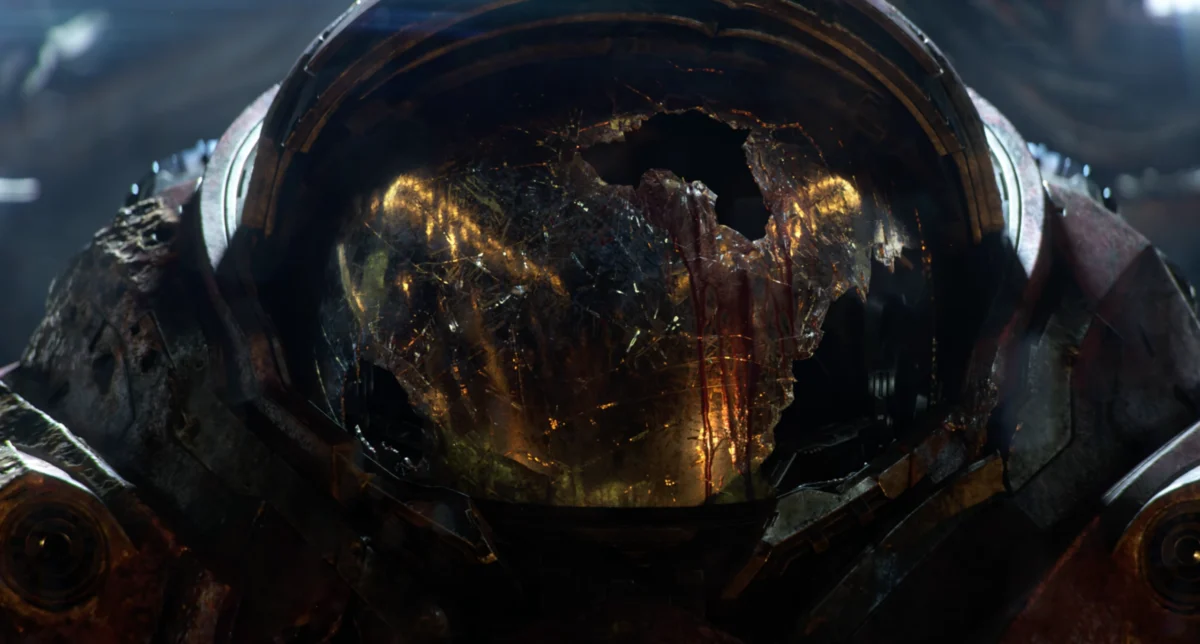
Blizzard Entertainment officially announced the development of a new standalone StarCraft title during the opening ceremony of BlizzCon 2026, marking a significant genre shift for the storied franchise. Moving away from its traditional roots in the real-time strategy (RTS) genre, the upcoming project is described as an original open-world shooter. Scheduled for a release in the spring of 2030, the game represents the first major StarCraft release since the final expansion of StarCraft II a decade prior. The project is being led by Dan Hay, the former executive producer of Ubisoft’s Far Cry series, who joined Blizzard in 2022 to oversee a new survival-based project that was later repurposed or integrated into this current vision for the StarCraft universe.
During the presentation, Hay described the game as a visceral, ground-level experience that contrasts sharply with the "commander’s eye view" typical of the RTS entries. Hay emphasized that the game would focus on the grit and hardship of planetary warfare, stating that the experience would take place "down on the ground, in the mud, in the fire." This shift aims to provide players with a more intimate perspective of the Koprulu Sector, the primary setting of the StarCraft series, where three distinct species—the human Terrans, the insectoid Zerg, and the technologically advanced Protoss—vying for survival and dominance.
The Cinematic Reveal and Narrative Focus
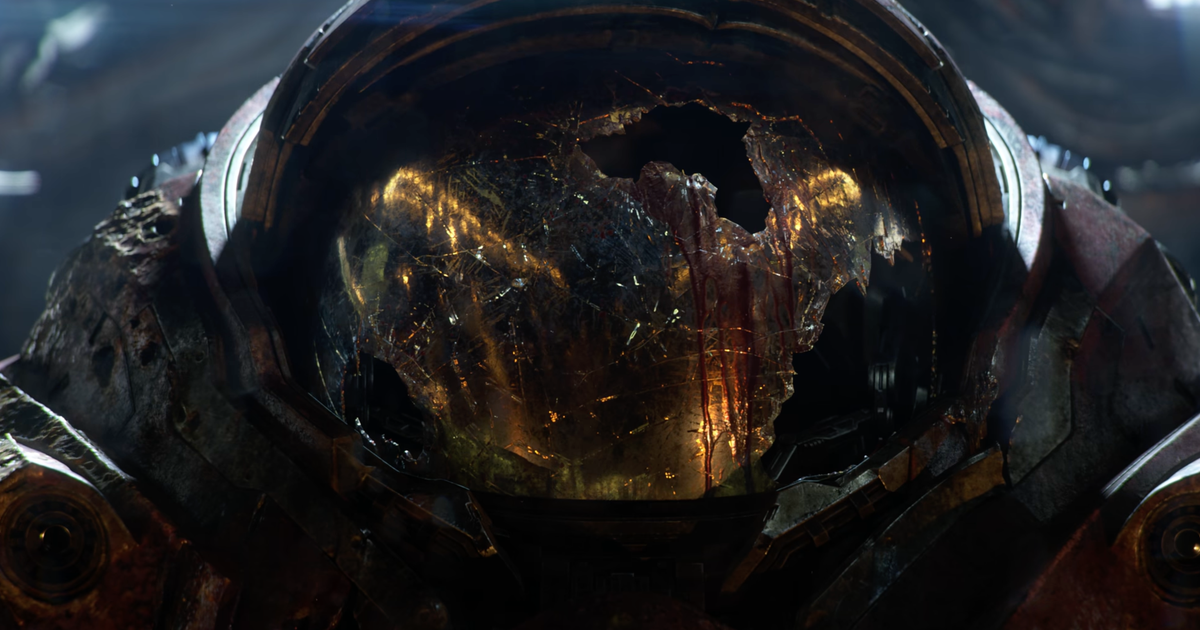
The announcement was punctuated by a high-fidelity cinematic trailer titled "Dominion," which set a somber and gritty tone for the upcoming title. The trailer follows the perspective of a Terran recruit named Holt, whose initial deployment to a Zerg-infested planet turns catastrophic within seconds of landing. The footage highlights the overwhelming nature of the Zerg Swarm, emphasizing the horror-elements often present in the series’ lore but rarely experienced through a first-person lens.
While gameplay footage was not shown, the trailer featured a voiceover that many fans and analysts have identified as Arcturus Mengsk, the tyrannical founding emperor of the Terran Dominion. The dialogue urged the "sons and daughters of the Dominion" to answer the call of duty and carry forward the sacrifice of those who held the line. The inclusion of Mengsk suggests the game may be a prequel or perhaps set during the height of the Dominion’s power, although Blizzard has yet to confirm the exact placement of the game within the StarCraft timeline. The official description accompanying the trailer reinforces this theme of sacrifice and high-stakes survival, promising a narrative where "every step is earned."
Chronology of the StarCraft Franchise and the "Ghost" Legacy
The announcement of a StarCraft shooter carries significant historical weight for both Blizzard and its long-term community. For over two decades, the franchise has been defined by its contributions to the RTS genre, beginning with the original StarCraft in 1998 and its expansion, Brood War. These titles became cultural phenomena, particularly in South Korea, where they helped pioneer the modern esports industry.
However, the path to a StarCraft shooter has been fraught with difficulty. In 2002, Blizzard announced StarCraft: Ghost, a third-person stealth-action game featuring the operative Nova. After years of delays, studio changes, and numerous redesigns, the project was famously put on "indefinite hold" in 2006 and eventually canceled. The specter of StarCraft: Ghost has loomed over the franchise for twenty years, making the 2026 announcement of an open-world shooter a moment of "about damn time" for the developers, a sentiment echoed on Blizzard’s official website.
Following the conclusion of the StarCraft II trilogy with Legacy of the Void (2015) and the subsequent Nova Covert Ops mission packs (2016), the IP remained largely dormant outside of balance updates and the release of StarCraft: Remastered in 2017. The transition to an open-world shooter represents Blizzard’s attempt to modernize the IP and reach a broader audience that may be more accustomed to action-oriented gameplay than the high-barrier-to-entry mechanics of competitive RTS.
Leadership and Development Under Dan Hay
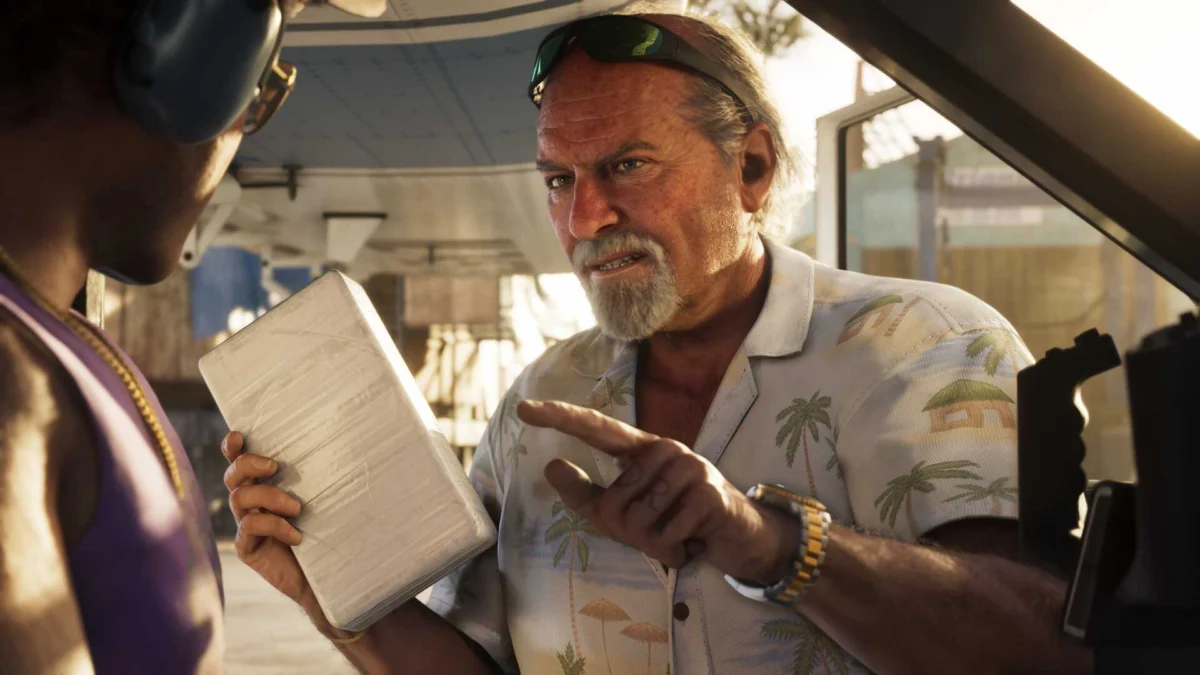
The appointment of Dan Hay as the lead for this project is a strategic move that highlights Blizzard’s intentions for the title’s structure. During his tenure at Ubisoft, Hay was instrumental in shaping the Far Cry series into a premier open-world franchise, known for its systemic gameplay, expansive maps, and strong antagonistic characters. His expertise in building immersive, reactive environments is expected to be a cornerstone of the new StarCraft project.
Industry analysts suggest that Hay’s influence will likely result in a game that emphasizes player agency and exploration. Unlike the linear missions of previous StarCraft titles, an open-world setting allows for the integration of RPG elements, vehicle combat, and dynamic encounters with Zerg and Protoss forces. This approach aligns with broader industry trends where established IPs are being reimagined as "live service" or "persistent world" experiences to ensure long-term player engagement.
Platform Exclusivity and the Microsoft Influence
One of the most notable aspects of the announcement was the presence of the Xbox logo on the final "Returns 2030" screen. This confirms that the title is being developed as an Xbox console exclusive, likely also appearing on PC and via Xbox Cloud Gaming. This move follows Microsoft’s $68.7 billion acquisition of Activision Blizzard in 2023.
Since the acquisition, Microsoft Gaming CEO Phil Spencer has expressed a strong desire to revitalize Blizzard’s classic franchises. During various interviews in the years leading up to 2026, Spencer specifically mentioned StarCraft as an IP with untapped potential. The decision to keep the title exclusive to the Xbox ecosystem reflects Microsoft’s strategy to leverage its massive intellectual property portfolio to drive subscriptions for Xbox Game Pass and provide a competitive edge against rival platforms. While some fans had hoped for a multi-platform release, the exclusivity suggests that Microsoft is positioning the StarCraft shooter as a "system seller" for the next decade.
Technical Implications and Market Positioning
The projected 2030 release date indicates that the game is still in the relatively early stages of full-scale production. This long development cycle suggests that Blizzard is aiming for a "next-generation" experience, likely utilizing advanced versions of the internal engines or potentially Unreal Engine 5, which Blizzard has reportedly been exploring for recent projects.
The shift to an open-world shooter places StarCraft in direct competition with established titles such as Destiny 2, Halo Infinite, and various tactical shooters. However, the unique aesthetic of the StarCraft universe—combining "cowboy-in-space" Terran grit with the biological horror of the Zerg and the high-tech mysticism of the Protoss—provides a distinct visual and mechanical identity.

Supporting data from market research firms indicates that the demand for high-budget, narrative-driven shooters remains strong, particularly those that offer cooperative play and expansive worlds. By integrating the deep lore of StarCraft into this format, Blizzard aims to recapture the attention of its aging core fan base while attracting younger players who may not have experienced the original RTS games.
Broader BlizzCon 2026 Announcements
The StarCraft reveal was part of a larger roadmap presented by Blizzard, signaling a massive push for the company’s core franchises through the end of the decade. In addition to the StarCraft shooter, Blizzard confirmed:
- Diablo 5: The next mainline entry in the action-RPG series, slated for a Spring 2029 release.
- Netflix Animated Series: An official Diablo animated series is in development, following the success of other gaming adaptations like Castlevania and Arcane.
- Overwatch Updates: New expansions and hero updates designed to stabilize the competitive ecosystem.
- World of Warcraft: Continued support for the "Worldsoul Saga," with the next expansion cycle teased for 2028.
These announcements collectively suggest a "rebound era" for Blizzard, following several years of internal restructuring and cultural shifts. The focus on high-concept, long-term projects like the StarCraft shooter indicates a commitment to quality over frequent, smaller releases.
Industry and Community Reactions
Initial reactions from the gaming community have been a mixture of cautious optimism and intense curiosity. While some RTS purists expressed disappointment that the next StarCraft title is not StarCraft III, the broader consensus is that the franchise needed a fresh perspective to remain relevant in the modern gaming landscape.
"The StarCraft universe is too rich to be confined to a single genre," noted gaming analyst Marcus Thorne in a post-ceremony report. "By moving to a shooter format under Dan Hay, Blizzard is finally fulfilling a twenty-year-old promise to let players see the Zerg through the eyes of a soldier, rather than a god. The 2030 release date is far off, but it gives them the time needed to ensure this doesn’t become another StarCraft: Ghost situation."
As the industry moves toward 2030, the StarCraft open-world shooter will likely remain one of the most watched projects in development. With the backing of Microsoft and the leadership of industry veterans, Blizzard is betting that the wait will ultimately be worth it for a franchise that has waited far too long for its next evolution.