Garick Elordi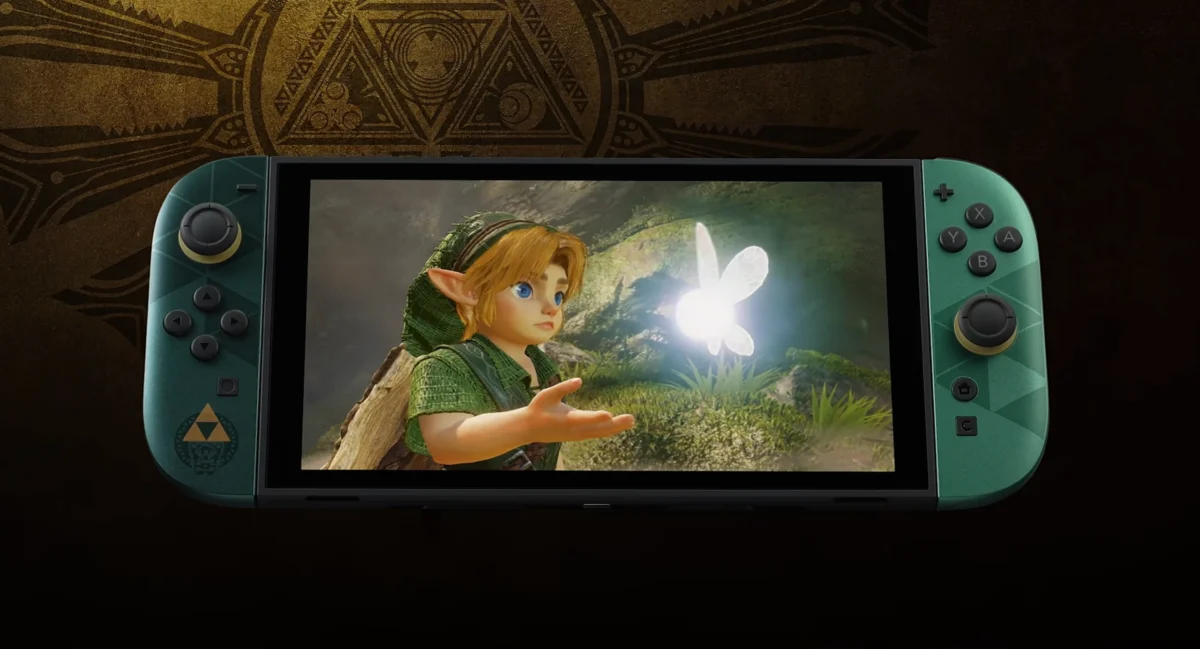
The Rapid Sell-Out and Secondary Market Surge
The Zelda-themed Nintendo Switch 2 was listed for pre-order at an approximate retail price of £435 ($550 USD), representing a modest £15 premium over the standard model’s expected pricing. Despite this, the allure of the 40th-anniversary branding proved irresistible to both genuine collectors and professional resellers. Major outlets reported that their initial allocations were exhausted in less than sixty minutes, a testament to the enduring power of the Zelda brand and the pent-up demand for Nintendo’s next-generation hardware.
In the immediate aftermath of the sell-out, the secondary market responded with predictable aggression. Scalpers, utilizing automated "bot" software to bypass standard retail queues, have listed the consoles on eBay for prices ranging from $700 to as high as $985. These listings often carry the "Presale" tag, as the physical hardware is not scheduled for release until late October. Some opportunistic sellers have even begun bundling the console with the upcoming Ocarina of Time remake—despite Nintendo not offering an official software bundle at this stage—further inflating the perceived value of the listings.
Product Specifications and Aesthetic Design
The 40th Anniversary Edition of the Nintendo Switch 2 distinguishes itself through a meticulous design language that pays homage to the series’ four-decade history. The console features signature "Link-green" Joy-Con controllers, adorned with a subtle, etched triangular pattern inspired by the golden glow of the Triforce. The rear of the main console unit is reportedly finished with a matte texture featuring hylian iconography, while the docking station includes gold-leaf accents that mirror the aesthetics of the Master Sword’s pedestal.
Accompanying the console is a specialized suite of accessories, including a Switch 2 Pro Controller and a premium carrying case, both of which follow the same anniversary color scheme. While these items were intended to be sold alongside the console, they too have seen significant stock shortages. Collectors have noted that the 40th-anniversary hardware represents a significant step up in build quality, aligning with Nintendo’s strategy to position the Switch 2 as a more premium device compared to its predecessor.
Chronology of the Announcement and Release Timeline
The path to this week’s pre-order chaos began with a dedicated Nintendo Direct presentation focused exclusively on the 40th anniversary of The Legend of Zelda. During the broadcast, Nintendo executives outlined a multi-month celebration that includes new merchandise, orchestral concerts, and the reveal of the new hardware.
The timeline for the upcoming releases is as follows:
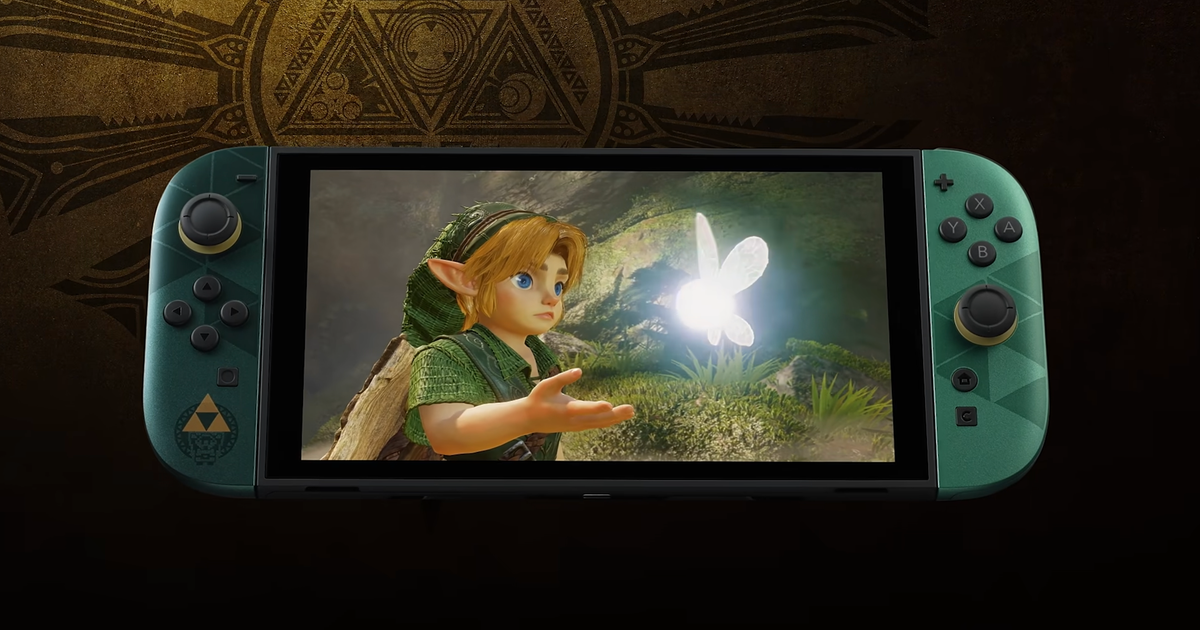
- Announcement: Earlier this week via a global Nintendo Direct.
- Pre-order Launch: Immediately following the Direct, with retailers opening slots in waves.
- Hardware Release: The Zelda-themed Switch 2 is scheduled to launch on October 29.
- Software Release: The long-rumored The Legend of Zelda: Ocarina of Time remake is set to arrive on November 5, exactly one week after the hardware.
This staggered release strategy is designed to maximize foot traffic and digital engagement over a two-week period, though it has also contributed to consumer anxiety regarding stock availability for the remake itself.
Historical Context: The 40-Year Legacy of Zelda
The Legend of Zelda debuted on the Famicom Disk System in Japan in 1986, followed by a Western release on the Nintendo Entertainment System (NES) in 1987. Over the last forty years, the series has become a cornerstone of the gaming industry, known for pioneering open-world exploration, 3D combat mechanics, and intricate puzzle design.
Nintendo has a long-standing tradition of releasing limited-edition hardware to mark franchise milestones. Previous examples include the gold-colored Game Boy Advance SP for the series’ 20th anniversary and the highly sought-after Tears of the Kingdom Switch OLED model released in 2023. However, the 40th-anniversary Switch 2 is unique as it marks the first time a major Zelda anniversary has coincided with the launch window of a brand-new console generation. This "perfect storm" of nostalgia and technological novelty is largely responsible for the unprecedented demand.
The Ocarina of Time Remake: A Key Driver of Demand
While the hardware itself is a collector’s item, the primary driver for many purchasers is the upcoming remake of The Legend of Zelda: Ocarina of Time. Originally released in 1998 for the Nintendo 64, Ocarina of Time is frequently cited by critics and players alike as one of the greatest video games ever made.
The remake for the Switch 2 is expected to utilize the new console’s enhanced processing power to deliver 4K resolution, modernized lighting effects, and a revamped orchestral score. By launching the hardware a week before the game, Nintendo is allowing the early adopter base to set up their systems and download necessary updates, ensuring a smooth transition into the game’s release on November 5. The synergy between the 40th-anniversary hardware and this specific software title has created a level of hype rarely seen since the launch of the original Wii.
Market Analysis and Scalping Implications
The rise of scalping in the gaming industry has become a significant point of contention for both manufacturers and consumers. The current situation with the Zelda Switch 2 mirrors the supply chain issues seen during the launch of the PlayStation 5 and Xbox Series X, where resellers utilized sophisticated scripts to purchase stock before human users could complete a checkout.
Market analysts suggest that the high resale prices on eBay—some reaching nearly $1,000—are a direct result of "supply-side scarcity" manufactured by the limited nature of the 40th-anniversary run. Unlike the standard Switch 2, which will be replenished regularly, the anniversary edition is rumored to have a fixed production cap. This creates a "fear of missing out" (FOMO) that scalpers are quick to exploit.

Consumer advocacy groups have called on retailers to implement more robust anti-bot measures, such as multi-factor authentication and "one-per-household" limits tied to verified payment methods. However, as evidenced by this week’s events, these measures are often insufficient against professional-grade reselling operations.
Official Responses and Consumer Sentiment
As of this writing, Nintendo has not issued an official statement regarding the rapid sell-out or the prevalence of scalping on third-party sites. Furthermore, the company has yet to open pre-orders on its own official My Nintendo Store, nor has it clarified if additional stock will be allocated to retailers before the October 29 launch date.
Public sentiment on social media platforms like X (formerly Twitter) and Reddit has been overwhelmingly negative toward the scalping community. Many fans have expressed frustration at the inability to secure a console at the MSRP, with some calling for a boycott of eBay listings to force resellers to lower their prices. Despite the outcry, the reality remains that as long as demand outstrips supply, the secondary market will continue to thrive.
Broader Implications for the Switch 2 Ecosystem
The success of the Zelda 40th Anniversary Edition bodes well for the overall health of the Switch 2 ecosystem, suggesting that consumer appetite for Nintendo hardware remains at an all-time high. However, it also serves as a warning for the upcoming standard launch. If Nintendo cannot meet the demand for a niche anniversary product, concerns regarding the availability of the base Switch 2 model during the holiday season are likely to intensify.
The next few weeks will be critical for Nintendo as they navigate the logistics of a global hardware launch. Whether they choose to address the scalping issue or simply focus on fulfilling existing orders remains to be seen. For now, the "Link-green" Switch 2 remains the most coveted piece of technology in the gaming world, a fitting tribute to a franchise that has defined the medium for forty years.