Garick Elordi
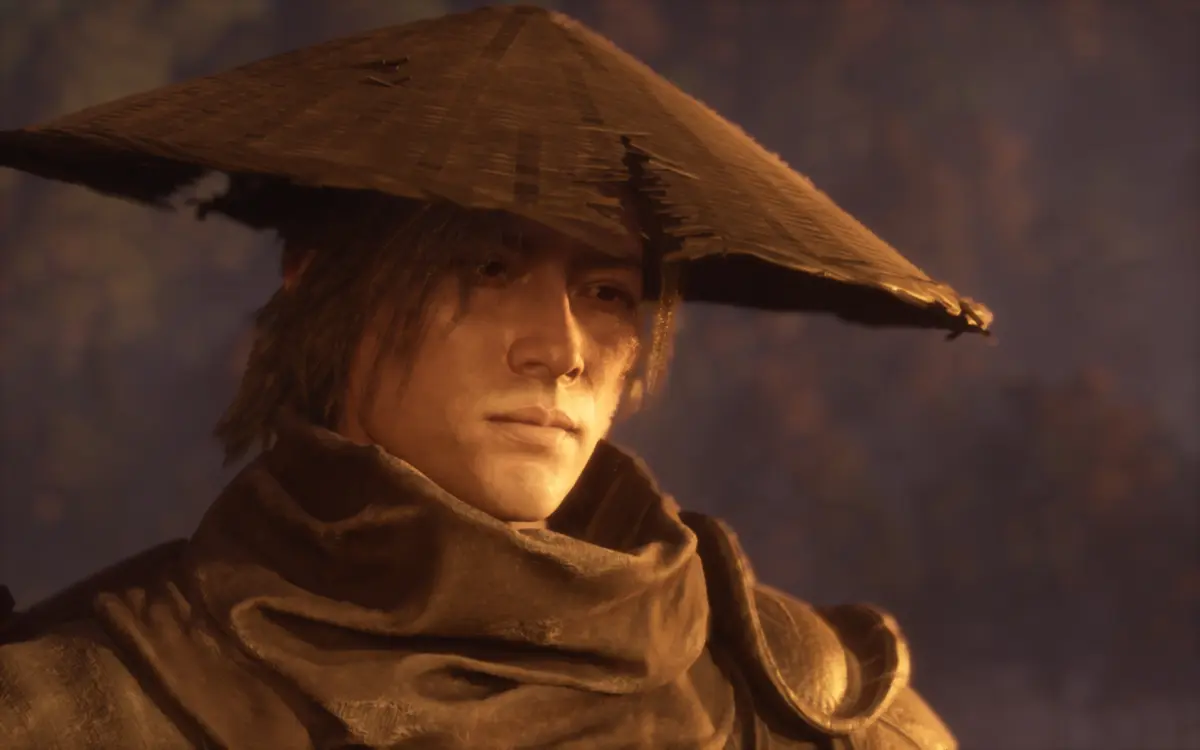
Phantom Blade Zero, the highly anticipated action-RPG from Beijing-based developer S-Game, attempts to bridge the gap between high-speed martial arts cinema and the punishing mechanics of the Soulslike genre. Set in a dark, wuxia-inspired universe known as the Wulin, the title focuses on Soul, an elite assassin and outcast from a shadowy organization known as The Order. Tasked with a mission of revenge while facing a terminal countdown of only 66 days to live, Soul must navigate a world populated by rival cults, supernatural entities, and treacherous landscapes. While the game achieves significant milestones in combat animation and environmental design, technical inconsistencies and balancing issues provide a complex backdrop for its launch.
The Evolution of the Wuxia Action Genre
Phantom Blade Zero enters a competitive market currently experiencing a surge in high-budget Chinese-developed titles. Following the global success of similar projects like Black Myth: Wukong, S-Game’s latest project aims to redefine the "Soulslite" subgenre. Unlike traditional Soulslikes, which often emphasize methodical, deliberate movement and heavy stamina management, Phantom Blade Zero prioritizes fluidity and cinematic flair. The developer has utilized motion-capture technology and intricate hand-keyed animations to replicate the creative choreography found in classic kung fu films.
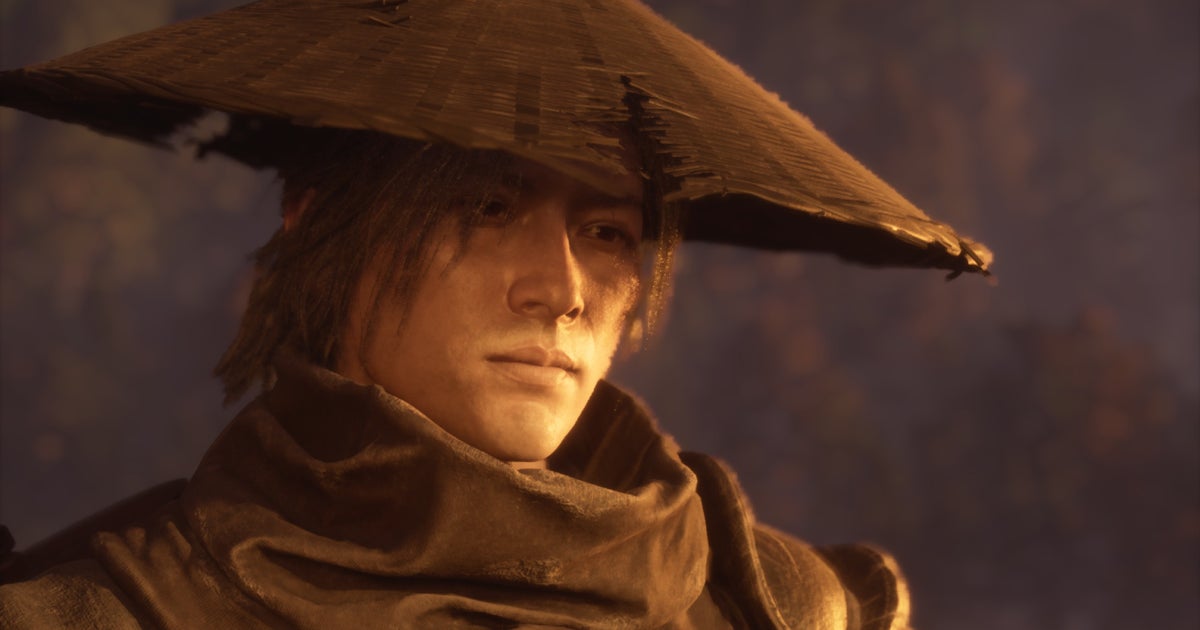
The game is set within the Wulin, a fictional martial underworld that draws heavily from traditional Chinese folklore and the wuxia literary tradition. In this setting, martial artists possess near-supernatural abilities, yet the world remains grounded in a gritty, industrial-fantasy aesthetic. Players control Soul through a series of interconnected regions, utilizing a combat system designed to feel both responsive and visually overwhelming.
Core Mechanics and the Sha-chi System
Central to the gameplay of Phantom Blade Zero is the "Sha-chi" system, a resource-based mechanic that replaces the traditional stamina bar found in most action RPGs. In this system, standard movements such as sprinting, dodging, and light attacks do not consume resources. Instead, Sha-chi is depleted when the player performs heavy attacks, blocks, or parries. This design choice encourages an aggressive playstyle, allowing for continuous movement and rapid-fire combinations that would be impossible under a stricter stamina regime.
To complement this, S-Game has implemented a dual-weapon system. Players can equip two primary weapons and switch between them seamlessly mid-combat. Each weapon possesses its own independent Sha-chi bar, meaning that a player running low on resources can swap to their secondary blade to maintain offensive pressure. This mechanic is balanced by a brief cooldown period to prevent players from infinitely cycling through heavy attacks.

The weapon variety is a highlight of the experience. Beyond standard katanas and broadswords, players can discover:
- Drunken Swords: Specialized blades that require the player to consume alcohol to unlock long-range, unpredictable movement patterns.
- Twin Blades: Fast-acting weapons that can be set into orbiting paths around the protagonist.
- Pole-swords: Heavy-duty implements capable of charging through multiple enemies simultaneously.
- Soul-Tempered Weapons: Late-game upgrades that unlock latent abilities, significantly altering the move sets of basic equipment.
Combat Flow and Defensive Play
The defensive mechanics of Phantom Blade Zero are heavily inspired by the parry-centric gameplay of titles like Sekiro: Shadows Die Twice. Most encounters, particularly those involving high-level "boss" enemies, revolve around a binary response system: players must dodge attacks signaled by red indicators and parry those signaled by blue indicators. Success in these timing-based maneuvers is rewarded by breaking the opponent’s guard, leading to a "punishment phase" where players can deal massive damage.
To lower the barrier of entry for newcomers, S-Game has provided generous parry and dodge windows. Furthermore, the game allows for "animation canceling," enabling players to break out of an attack sequence to perform a last-second block. This feature addresses a common frustration in the genre where players are often locked into lengthy animations while an enemy prepares a devastating blow.

The game also features a robust execution system. When an enemy’s guard is fully depleted, players can trigger a Quick Time Event (QTE) to perform a cinematic finisher. S-Game has included a vast library of these animations, many of which involve Soul using an enemy’s own weapon or environment against them, maintaining a sense of visual novelty even deep into the thirty-hour campaign.
Technical Chronology and Pre-Launch Adjustments
The development cycle of Phantom Blade Zero has been marked by a transparent effort to address player feedback regarding difficulty and performance. Just forty-eight hours before the initial review embargo, S-Game deployed a massive 67GB update. According to developer notes, this patch was specifically designed to:
- Smooth the Difficulty Curve: Adjusting the health pools and damage output of early-to-mid-game bosses.
- Optimize Performance: Addressing significant frame rate drops in densely populated areas like the game’s central hub city.
- Refine Quest Guidance: Correcting errors in the world map and waypoint system that led to player confusion during side missions.
- Fix Collision and AI Bugs: Addressing instances where boss enemies would clip through environmental geometry or exit the combat arena entirely.
Despite these efforts, early reports suggest that "sponginess"—a term used to describe enemies with excessively high health pools that do not react dynamically to player damage—remains a factor in several obligatory encounters. This issue is most prevalent in the "Pathfinder" (standard) difficulty, where weapon upgrades occasionally feel insufficient against the mathematical scaling of boss health.

Exploration and World-Building
Phantom Blade Zero utilizes a unique "ink-wash" map system to facilitate exploration. The world map is presented as a traditional Chinese painting, with fog-of-war elements that part as players discover "Bells"—the game’s version of checkpoints. The world design incorporates Metroidvania elements, with certain paths and secrets locked behind specific secondary weapons, known as "Phantom Edges."
These Phantom Edges serve as tactical tools, such as:
- Axe Edges: Designed to break heavy shields.
- Elemental Projectiles: Including fire and water-based attacks meant to exploit enemy weaknesses.
- Utility Tools: Devices that can drain enemy Sha-chi or provide temporary buffs.
While the environmental storytelling and visual fidelity have been praised—ranging from eerie, puppet-filled villages to sprawling mountain vistas—the narrative delivery has faced criticism. Much of the lore is confined to collectible scrolls and lengthy text dumps, which can be difficult to reconcile with the fast-paced nature of the gameplay. The plot involves a dense web of feuding sects and bloodlines, often introduced with minimal context, leading to a narrative experience that some may find secondary to the action.

Difficulty Settings and Accessibility
S-Game has included four distinct difficulty tiers to accommodate various player skill levels:
- Wayfarer: A focused narrative mode designed for those who wish to experience the story with minimal resistance.
- Pathfinder: The standard experience, balancing challenge with the game’s cinematic flow.
- Hardened: An increased challenge for veteran action-game players.
- Soul’s End: An extreme mode where every death results in the loss of one of the protagonist’s 66 remaining days, adding a permadeath-lite layer of tension to the campaign.
Analysis of Industry Impact and Implications
The release of Phantom Blade Zero is a significant milestone for the Chinese gaming industry’s expansion into the global AAA console market. The title demonstrates a high level of technical proficiency in animation and art direction, rivaling long-established Western and Japanese studios. However, the reliance on massive pre-launch patches to resolve fundamental balancing and performance issues highlights the ongoing challenges faced by emerging studios when scaling up to large-scale, complex projects.
The game’s success may signal a shift in the "Soulslike" formula, moving away from the "clunky" realism of early genre entries toward a more "character-action" style reminiscent of Devil May Cry or Ninja Gaiden. By removing stamina constraints for basic movement and emphasizing visual spectacle, S-Game is carving out a niche for "high-octane" martial arts RPGs.

Conclusion
Phantom Blade Zero stands as a visually stunning testament to the creative potential of the wuxia genre in modern gaming. Its combat system, when functioning as intended, offers a level of fluidity and choreographic beauty rarely seen in the medium. However, the experience is currently tempered by technical hurdles and a narrative structure that struggles to keep pace with its kinetic gameplay. As S-Game continues to refine the title through post-launch support, Phantom Blade Zero remains a bold, if slightly unpolished, addition to the action-RPG landscape. For players seeking a cinematic martial arts experience, the game offers a unique rhythm—provided they are willing to navigate the friction of its early-game balancing.