Sisilia Frederika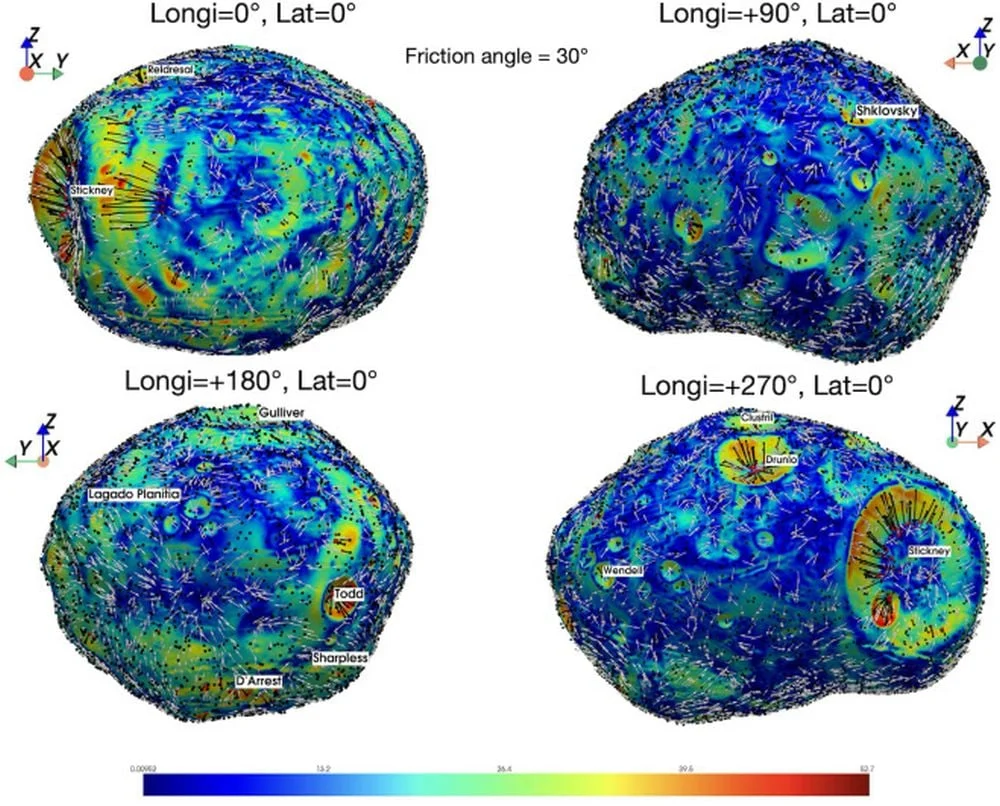
The Japan Aerospace Exploration Agency (JAXA) is currently finalizing preparations for its Martian Moons eXploration (MMX) mission, an ambitious endeavor that seeks to provide the first-ever return of physical samples from the Martian system. While the Red Planet itself has been the subject of intensive robotic exploration for decades, its largest moon, Phobos, remains a primary target of scientific intrigue due to its mysterious origins and its complex relationship with Mars. The MMX mission, scheduled for launch in October, represents a significant leap in JAXA’s established sample-return capabilities, following the successful return of material from the asteroids Itokawa and Ryugu. If the mission proceeds according to the current trajectory, the spacecraft will reach the Martian system in 2027 and deliver a pristine sample of Phobos’ regolith to Earth by 2031.
The success of such a mission depends heavily on the pre-arrival characterization of the target body. Because the MMX mission aims to collect approximately 10 grams of material, scientists must understand the geological context of the sampling sites to ensure the specimens provide a representative history of the moon. To address this need, researchers Isabel Herreros of the Spanish Astrobiology Center in Madrid and Sébastien Charnoz of the Institut de Physique du Globe de Paris have developed a comprehensive "morphodynamic atlas" of Phobos. Published in the journal Earth and Planetary Science Letters under the title "The dynamical surface of Phobos: A morphodynamic atlas," this research provides a critical framework for interpreting how surface material moves across a body governed by weak gravity and intense tidal forces.
A Legacy of Precision: JAXA’s Sample-Return Expertise
JAXA has carved out a unique niche in planetary science through its mastery of sample-return technology. The agency’s Hayabusa mission, which returned grains from the asteroid Itokawa in 2010, and the subsequent Hayabusa2 mission, which returned carbonaceous material from Ryugu in 2020, demonstrated that bringing extraterrestrial material back to terrestrial laboratories allows for analysis far more sophisticated than what can be achieved by on-board instruments.
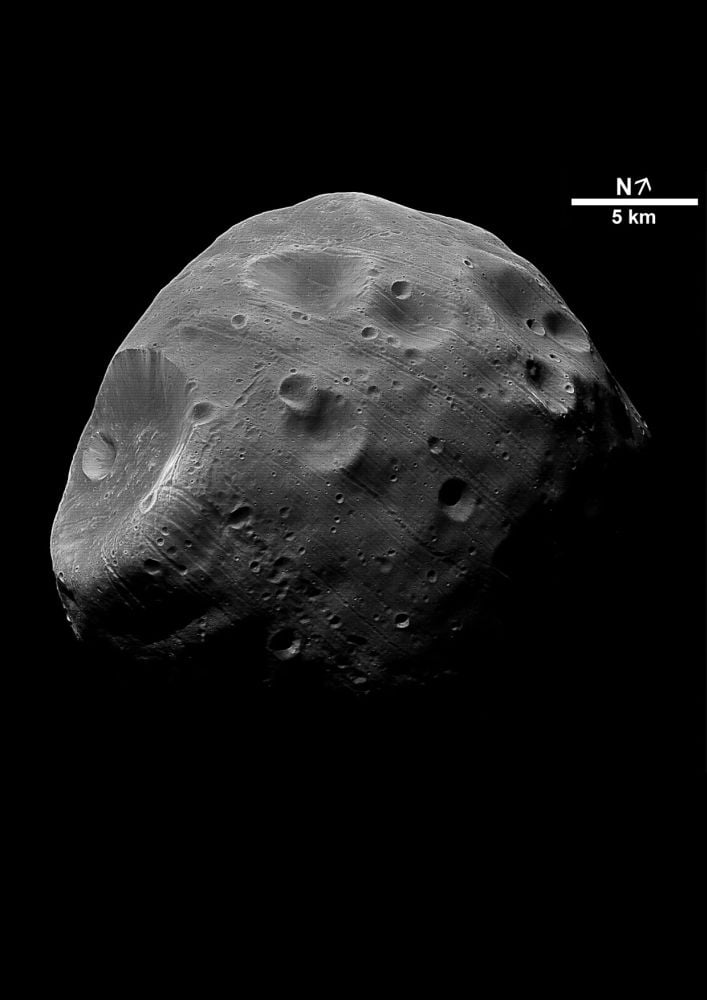
The MMX mission is the logical evolution of this expertise. By targeting Phobos, JAXA aims to solve one of the most persistent debates in planetary science: the origin of the Martian moons. Phobos, a lumpy, cratered rock roughly 22.2 kilometers across (with a mean diameter of 11 km), has long defied easy categorization. Its low density and D-type asteroid-like spectral signature suggest it may be a captured object from the outer asteroid belt. Conversely, its nearly circular, equatorial orbit suggests it may have formed in situ from a debris disk created after a massive impact on Mars. A third "hybrid" theory suggests Phobos could be a "rubble pile" of mixed material. By analyzing a physical sample, scientists can look for isotopes and mineralogical signatures that definitively link Phobos either to the early Martian crust or to the primordial outer solar system.
The Physics of a Low-Gravity Environment
Unlike Earth, where gravity is the sole dominant force governing the movement of rocks and soil, Phobos exists in a state of constant "gravitational tug-of-war." Its proximity to Mars—orbiting at a distance of only 9,377 kilometers—means that Martian tides significantly influence its surface stability. On Phobos, the concept of a "downhill slope" is deceptive. As Herreros and Charnoz point out in their study, the displacement of loose material, or regolith, cannot be predicted by topographic slope alone.
Instead, the motion of material on Phobos is controlled by a combination of self-gravity, time-dependent Martian tides, and inertial forces including centrifugal and Coriolis effects. In this low-gravity regime, an object sitting on the surface experiences an "effective" gravity that varies depending on its location relative to Mars. At certain points, the centrifugal force of Phobos’ rotation and the tidal pull of Mars nearly cancel out Phobos’ own gravity, making it incredibly easy for regolith to be dislodged and redistributed. This dynamic environment means that Phobos is not a static relic, but a constantly evolving body where the surface is being "reshaped" over geological timescales.
Mapping the Regolith Migration Pathways (RMPs)
To create their atlas, Herreros and Charnoz utilized a high-resolution Digital Terrain Model (DTM) of Phobos, which incorporates data from previous missions such as NASA’s Viking and Mars Reconnaissance Orbiter (MRO), as well as ESA’s Mars Express. This model captures the moon’s most prominent features, including the massive 9-kilometer-wide Stickney Crater, as well as the mysterious grooves and lineaments that crisscross its surface.
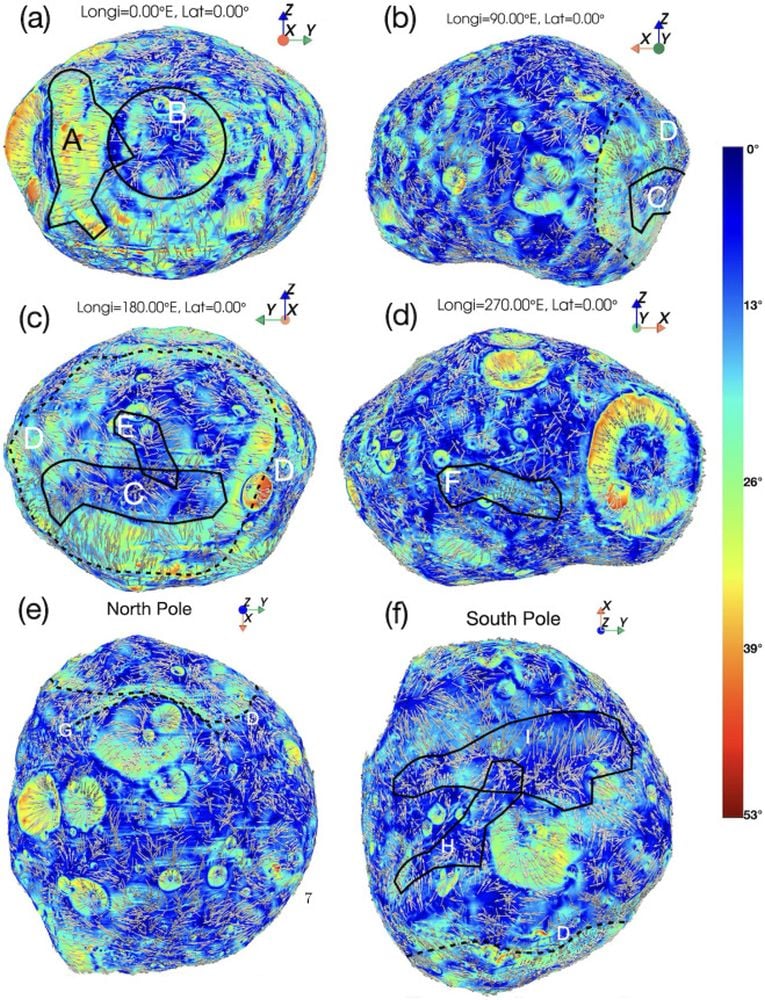
The researchers developed a sophisticated code to model the trajectories of surface material under the influence of various force vectors. Their primary discovery was the existence of "Regolith Migration Pathways" (RMPs). These are specific, preferred routes along which loose material travels across the moon’s surface. The model identified that while some material remains trapped within large impact craters, other regolith travels long distances across the moon’s surface before settling in "depositional mantles."
One of the most significant variables in their model was the "friction angle" of the regolith. By testing different angles—such as a 30-degree angle representing stable, present-day conditions and a 14-degree angle representing more fluid, historical movement—the researchers were able to simulate how Phobos transitioned from a more active state to its current morphology. They found that RMPs often terminate in low-relief, spectrally neutral terrains, which effectively act as "reservoirs" for aged, well-mixed dust and rock.
Strategic Implications for the MMX Mission
The morphodynamic atlas is more than a theoretical exercise; it is a strategic map for the MMX mission’s sampling operations. JAXA plans to collect samples from two primary regions: the "sub-Mars point" (the side of Phobos that always faces Mars) and the "anti-Mars point" (the side facing away).
The atlas reveals that these two sites have vastly different geological histories. The sub-Mars site appears to be a major accumulation zone. Material from the outer slopes of the Stickney Crater and surrounding highlands migrates toward this point along RMPs. Consequently, a sample from the sub-Mars point is likely to be a "mixed bag" of regolith from various parts of the moon, much of which has been exposed to space weathering for millions of years. This would provide a broad overview of the moon’s long-term environmental history.
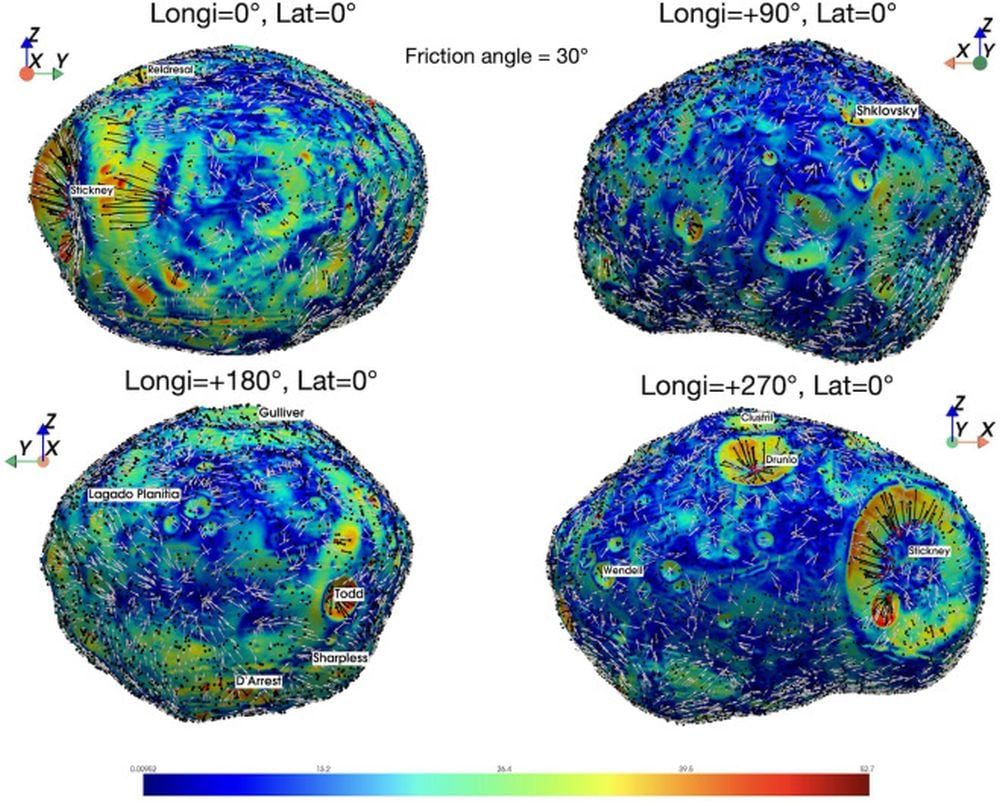
In contrast, the anti-Mars point is characterized by more recent dynamical activity. The RMPs in this region are denser and converge along an equatorial band, suggesting that regolith movement here has occurred more recently in the moon’s history. Samples from the anti-Mars point may contain "fresher" material that has been recently excavated or moved, potentially offering a look at the moon’s pristine composition before it was heavily altered by space radiation and micrometeoroid impacts.
Chronology of the MMX Mission and Future Milestones
The MMX mission is structured as a multi-year operation with several critical phases:
- Launch (October): The spacecraft departs Earth aboard an H3 rocket.
- Mars Orbit Insertion (2025): The spacecraft enters orbit around Mars and begins a period of observation, refining the landing sites on Phobos.
- Phobos Proximity Operations (2025–2027): MMX will perform close-up mapping and deploy a small rover, developed by CNES (France) and DLR (Germany), to test the surface properties.
- Landing and Sampling (2027): The lander will descend to the surface to collect at least 10 grams of regolith using a coring mechanism and a pneumatic system.
- Deimos Observation: Before departing, the spacecraft will perform several flybys of Mars’ smaller moon, Deimos, to collect comparative data.
- Return to Earth (2031): The sample return capsule will re-enter Earth’s atmosphere, delivering the Phobos material to a secure laboratory for international study.
Broader Impact and Scientific Significance
The creation of the morphodynamic atlas represents a paradigm shift in how planetary scientists view small moons. By moving away from static topographical maps and toward dynamic acceleration models, researchers can better predict the "life cycle" of regolith on small bodies throughout the solar system. This methodology will likely be applied to future missions targeting other small moons or near-Earth asteroids.
Furthermore, the MMX mission carries profound implications for our understanding of the "early delivery" of water and organic molecules to the inner solar system. If Phobos is indeed a captured asteroid from the outer solar system, it could serve as a "time capsule" containing volatile compounds that are no longer present on Mars. If it is a piece of ancient Mars, it may contain "fossilized" evidence of the planet’s early atmosphere and surface conditions from billions of years ago.
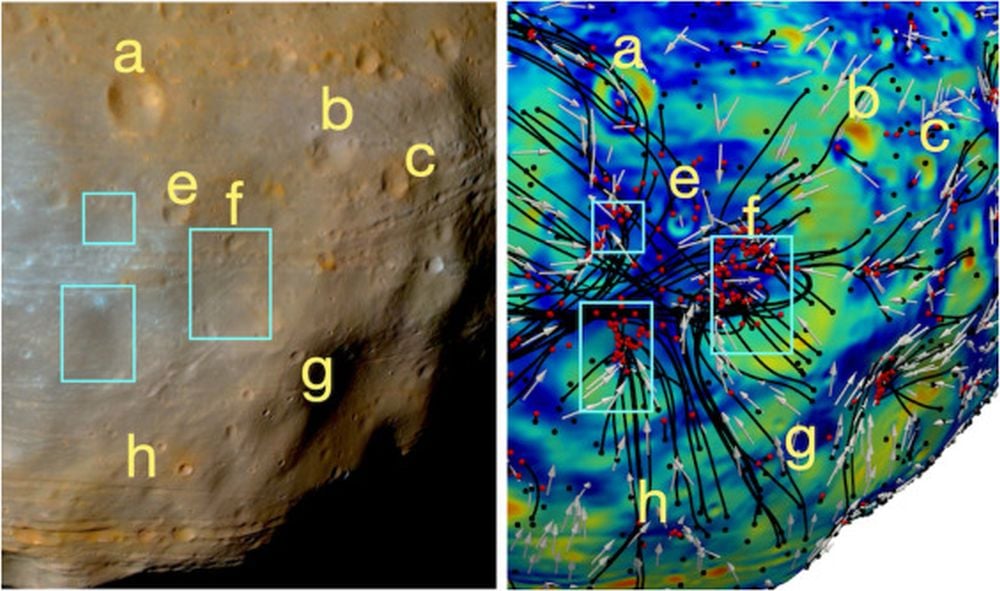
While the model developed by Herreros and Charnoz includes some simplifications—such as excluding the effects of Phobos’ libration (its slight "wobble" in orbit) and the specific "stickiness" of the dust grains—it provides the most detailed roadmap currently available for the MMX mission. As JAXA prepares to bridge the gap between Mars and Earth, this atlas ensures that when the first 10 grams of Phobos arrive in 2031, scientists will know exactly where those rocks came from and the long journey they took across the moon’s surface before being caught in a Japanese specimen tube.