George Chandra Eka
Apple’s latest flagship, the iPhone 18 Pro, heralds a transformative leap in mobile photography, with its camera system receiving what many industry observers are calling the most significant suite of updates in recent memory. At the forefront of these innovations is the introduction of a variable aperture system, a feature long coveted by professional photographers and a testament to Apple’s continued investment in hardware-software synergy. This, alongside a new verifiable imaging standard, enhanced cinematic video capabilities, and refined photographic styles, positions the iPhone 18 Pro not just as a leading smartphone camera but as a serious contender for creative professionals and a crucial tool in the age of digital authenticity.
The Dawn of Variable Aperture in Mobile Photography
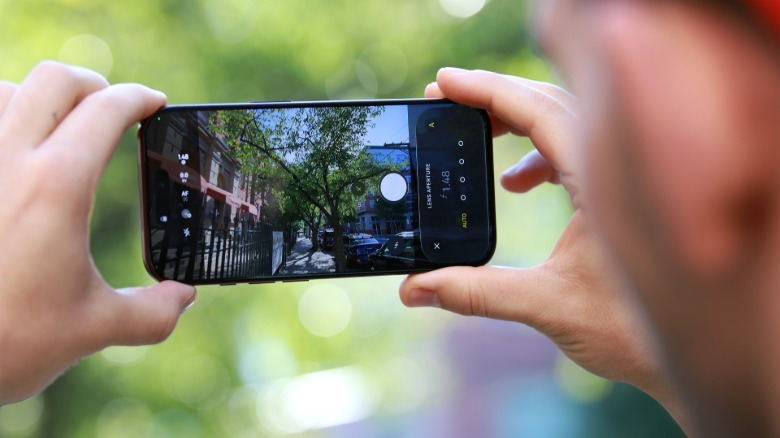
The most groundbreaking enhancement on the iPhone 18 Pro is its innovative variable aperture. Unlike previous smartphone cameras with fixed apertures, the new Pro model incorporates a sophisticated mechanism featuring six precisely controlled blades. These blades, operated by a miniature rotor, allow for dynamic adjustment of the light-gathering opening, offering users unprecedented control over depth of field and exposure directly from the native Camera app. Initially, four distinct aperture settings are accessible: f/1.48, f/1.8, f/2.8, and f/4.0. Apple has further indicated that developers will gain access to a more granular range of aperture controls, suggesting that third-party photography applications could unlock even greater creative flexibility in the near future.
This introduction of variable aperture marks a critical inflection point for smartphone photography. Historically, mobile devices have relied heavily on computational photography to simulate effects like background blur (bokeh), often with varying degrees of success and sometimes artificial-looking results. True optical variable aperture, as seen in traditional DSLR and mirrorless cameras, provides a physical means to control the light entering the sensor, resulting in more natural depth of field and superior light management. The f/1.48 setting allows for maximum light intake, crucial for low-light scenarios and achieving a shallower depth of field, while f/4.0 provides greater depth of focus, keeping more of the scene sharp—ideal for landscapes or group shots.
The impact of this hardware innovation extends beyond mere point-and-shoot functionality. It empowers users to make deliberate creative choices that were previously impossible on an iPhone. While the built-in Portrait mode has long been a staple, its rigidity in requiring specific subject distances limited creative expression. The variable aperture, though not a direct fix for Portrait mode’s constraints, offers an alternative route to achieving pleasing soft-focus effects. Early tests indicate that while the difference between the extreme ends of the f/1.48 and f/4.0 spectrum might appear subtle in certain contexts, particularly in bright, evenly lit environments, the added light-gathering capability at f/1.48 significantly enhances image brightness and vibrancy, even when the depth-of-field effect is nuanced.
Furthermore, the synergy between variable aperture and manual shutter speed controls truly unlocks the iPhone 18 Pro’s photographic potential. The redesigned Camera app, slated for release with iOS 27 and exclusive in its Pro functionalities to the iPhone 18 Pro, provides easy access to these settings. With a shutter speed range extending from a rapid 1/6000s to a deliberate 1 second, photographers can now meticulously manage exposure. Pairing a wide aperture like f/1.48 with a fast shutter speed allows for capturing fleeting moments in challenging light conditions, such as the sparkling sun through foliage at dusk, revealing subtle bokeh effects that, in one reviewer’s observation, presented a unique, almost heart-like shape.
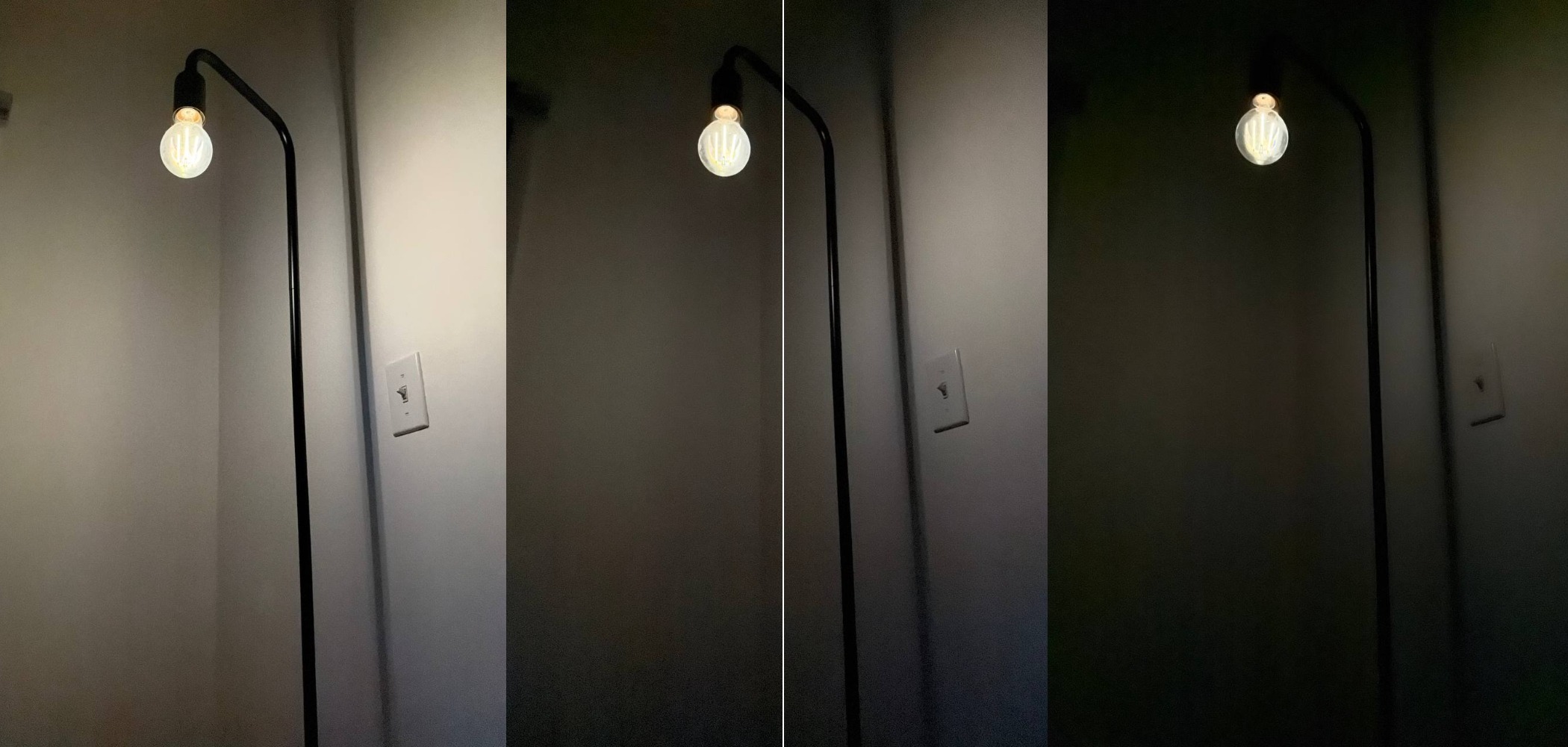
This level of manual control also transforms low-light photography. Gone are the days of being forced to choose between complete darkness, harsh flash, or an often over-brightened Night mode. With the ability to adjust both aperture and shutter speed, users can achieve precisely their desired low-light aesthetic. For instance, capturing a single light bulb against a white wall with a fast shutter and large aperture can render the filament clear and stark, devoid of the overwhelming flare that often obscures detail in automatic modes. This granular control is also extended to video recording, though settings must be pre-configured before hitting the record button.
Cinematic Effects: From Dedicated Mode to Post-Production Flexibility
Apple’s Cinematic Mode, introduced in previous iPhone generations, has been praised for its ability to apply a shallow depth of field and focus transitions to video, mimicking professional cinema cameras. With the iPhone 18 Pro, Apple takes this a step further by allowing users to apply cinematic effects retroactively to any standard video clip recorded on the device. This newfound flexibility means users are no longer required to preemptively select Cinematic Mode, offering a safety net for capturing spontaneous moments that can later be elevated with a professional aesthetic.
However, initial assessments suggest that the execution of these retroactive cinematic effects can be subtle and, at times, unpredictable. The feature is exclusive to videos shot on the iPhone 18 Pro, meaning footage from older devices, even previous Pro Max models, is ineligible. Reviews indicate that optimal results are achieved when subjects maintain a relatively consistent distance from the camera, allowing the AI to reliably identify and isolate the foreground. Situations involving subjects moving closer and farther from the camera, or instances where the camera is too close to the subject, can lead to inconsistent blur application, sometimes inadvertently blurring foreground elements instead of just the background.
Despite these nuances, the ability to apply cinematic effects after recording represents a significant user experience improvement. It reduces the pressure on users to remember to switch modes during dynamic shooting scenarios and encourages more experimentation. While the feature highlights the scenarios that are inherently best suited for cinematic video—stable subjects, appropriate distances—its post-production availability offers a valuable layer of creative freedom, aligning with Apple’s broader strategy of empowering users with powerful yet accessible editing tools.
Apple Reference Image: A Stand Against Misinformation
In an era increasingly plagued by deepfakes and digitally manipulated media, Apple introduces a critical feature: Apple Reference Image. This innovative mode within the Camera app aims to provide a verifiable photographic record, offering a new line of defense against AI-exacerbated misinformation. When enabled (just a swipe away from the default Photo mode), capturing an image in Reference Image mode saves two versions of the photograph.
The first is the standard image, processed with Apple’s renowned computational photography enhancements, HDR, lighting adjustments, and any user-selected Photographic Styles. The second, and arguably more significant, is a RAW DNG file. This RAW file is embedded with sensor-signed data recorded at the precise moment the shutter button is pressed. To "develop" this reference image, users must access it within the Photos app, requiring an internet connection for processing. Once developed, this reference image can be shared, but its verifiable nature is currently limited to viewing on iPhones, iPads, or Macs running iOS 27, iPadOS 27, or macOS 27, respectively.
The process of developing a reference image is reportedly near-instantaneous. Within the Photos app, users can tap on the image to compare and contrast the two versions side-by-side, quickly discerning any post-capture alterations. It’s crucial to understand that there will naturally be subtle differences between the Reference Image and the standard gallery version. The Reference Image undergoes minimal processing—primarily lens correction and basic tone mapping—to remain as close as possible to the original sensor data. The gallery version, however, benefits from Apple’s extensive computational photography stack, applying specific color treatments, dynamic range enhancements, and other "smart" adjustments designed for immediate visual appeal.
The utility of Apple Reference Image was demonstrated by a reviewer who used Apple’s new Clean Up tool to remove text from a screenshot. Upon comparing it to the Reference Image, the alterations were immediately apparent, highlighting the feature’s core purpose. While a dedicated mode is required for capturing Reference Images, preventing an impossible storage demand if every photo were saved this way, the simplicity of a one-click compare-and-contrast within the Photos app makes it remarkably user-friendly.
This initiative is a significant step by a major technology company to address the growing crisis of digital trust. While other verification standards and tools like C2PA’s Content Credentials and Adobe’s SynthID exist, Apple’s direct integration into its widely used ecosystem could democratize access to image verification. It holds immense potential for journalists, activists documenting events, and everyday users who need to prove the authenticity of an image. Although public education on its functionality and limitations will be vital, Apple Reference Image could establish a new benchmark for digital veracity, reinforcing Apple’s commitment to responsible technology.
Photographic Styles 3: Nuanced Creative Control
Building upon its well-received Photographic Styles, the iPhone 18 Pro introduces Photographic Styles 3, adding a new layer of textural edits to the existing suite of color and light treatments. Previous iterations offered a range of "looks" from Amber and Rose Gold to Ethereal and Luminous Black and White, essentially smart filters that could be applied non-destructively. With the 18 Pro, users gain additional options that pair these color treatments with new textural effects.
The new textural dimensions include "Glow," "Soft Skin," and "Film." Each of these comes with a slider allowing users to adjust the intensity of the effect. Early testing indicates that Apple has prioritized subtlety and naturalism in these new styles. For instance, even at its maximum intensity, the Soft Skin slider applied a relatively mild effect to selfies, avoiding the artificial, plasticized look often associated with aggressive beauty filters. This approach aligns with Apple’s philosophy of enhancing reality rather than distorting it.
The "Glow" effect was found to be even more understated, primarily manifesting as a slight lightening of shadows. The "Film" effect, while subtle on its own, gains character when paired with the optional "Grain" filter. This adds a degree of noise to the image, intentionally mimicking the aesthetic of traditional film photography, lending a nostalgic quality. The visibility of this grain is context-dependent, being more pronounced in low-light photographs where natural noise is already present, while being barely noticeable in bright, daytime shots.
These nuanced additions to Photographic Styles underscore Apple’s commitment to providing sophisticated creative tools that are both powerful and user-friendly. They offer photographers greater control over the final aesthetic of their images, moving beyond simple color adjustments to include subtle textural modifications that can significantly alter the mood and character of a photograph, without compromising the underlying image quality.
Overall Performance and Competitive Landscape
Beyond these headline features, the iPhone 18 Pro maintains its position as a top-tier smartphone camera. Images captured are consistently bright, vibrant, and rich in detail, cementing its reputation for excellent overall camera performance. The ability to adjust photos after capture, a staple of iOS photography, remains a powerful tool for refinement.
However, the competitive landscape in smartphone photography is intensely fierce. While the iPhone 18 Pro makes significant strides, particularly with variable aperture, it still faces stiff competition from rivals such as Google’s Pixel series, especially in areas like Portrait mode and Night shots. The Pixel’s advanced computational photography, particularly its acclaimed HDR+ and Night Sight algorithms, have consistently set high benchmarks for detail retention and dynamic range in challenging conditions. Yet, the addition of variable aperture on the iPhone 18 Pro has demonstrably narrowed this gap, offering a hardware-based solution that complements Apple’s own computational strengths. This convergence of optical innovation and computational intelligence signals a new phase in the smartphone camera arms race, where both hardware prowess and software wizardry are equally critical.
Broader Implications and Future Outlook
The iPhone 18 Pro’s camera innovations carry significant implications across various sectors. For mobile photographers and content creators, the variable aperture opens up new avenues for creative expression, allowing for more precise control over depth and light, bringing the mobile experience closer to traditional photography. The enhanced cinematic video effects, particularly the post-capture application, streamline workflows for aspiring videographers.
The Apple Reference Image, however, stands out for its potential societal impact. In an age where trust in digital media is eroding, a verifiable imaging standard from a major platform like Apple could be a pivotal tool in the fight against misinformation and disinformation. It empowers individuals with a means to authenticate their visual records, potentially influencing everything from citizen journalism to legal documentation. While education and broader industry adoption will be key to its widespread effectiveness, Apple’s commitment to this technology sends a strong signal about the responsibility of tech companies in safeguarding digital truth.
Industry analysts are closely watching these developments. The integration of advanced optical hardware like variable aperture, combined with sophisticated computational photography and pioneering verification tools, suggests a future where smartphone cameras are not just convenient snapshot devices, but increasingly powerful, versatile, and trustworthy instruments for visual communication. The iPhone 18 Pro, therefore, is not merely an incremental update; it represents a bold statement by Apple on the evolving role of the smartphone in our visual world, pushing the boundaries of what mobile photography can achieve, both creatively and ethically.