Metty Iskandar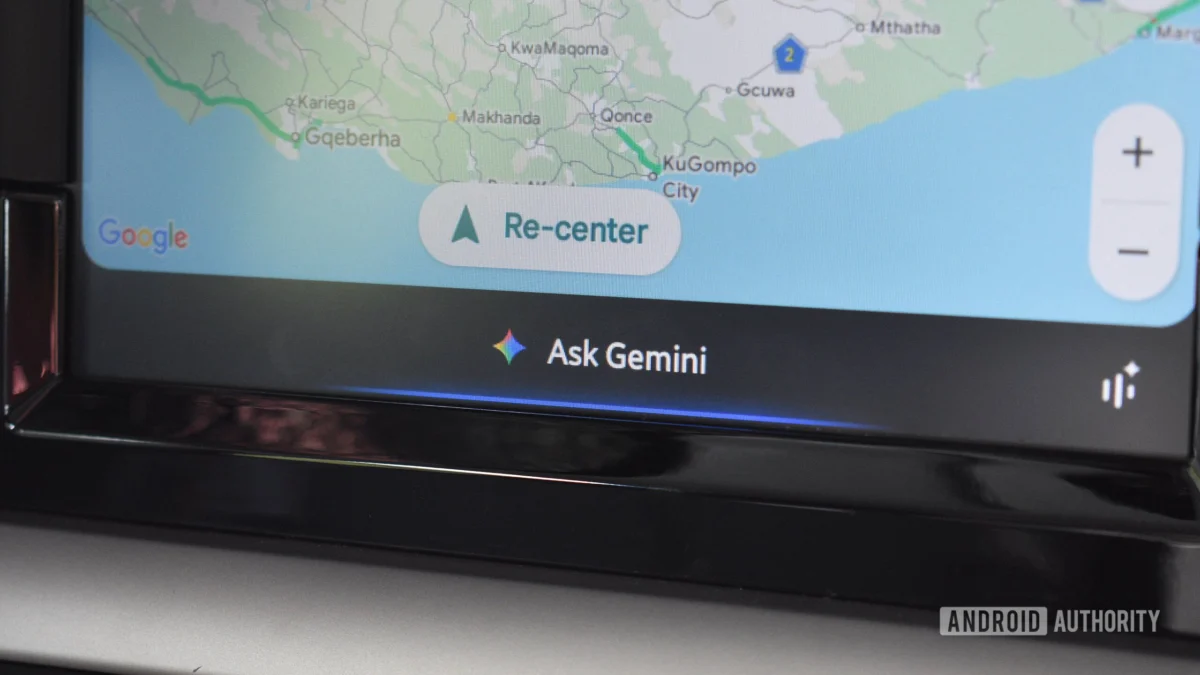
Gemini’s foray into smart home control continues to encounter turbulence, with recent reports from Android Auto users indicating a sudden and widespread inability to manage connected devices through the in-car interface. This development follows closely on the heels of a similar smart home control bug affecting Wear OS devices, raising questions about the stability and reliability of Gemini’s integration across different Google platforms. While Google previously announced a fix for the Wear OS issue, the emergence of a parallel problem within Android Auto suggests a potentially larger, system-wide challenge with Gemini’s smart home capabilities.
The Unfolding Issue: From Wear OS to the Driver’s Seat
The latest wave of user complaints began surfacing on online forums, notably the r/AndroidAuto subreddit. A user, sharing their experience on a recent day, detailed how Gemini abruptly ceased responding to commands like "turn on the air conditioning." Instead of executing the requested action, the AI assistant now reportedly provides a standardized response: "I cannot control smart home devices through Google Maps while driving." This particular user highlighted that these same commands had been functioning flawlessly for months prior to this sudden change, underscoring the abrupt nature of the malfunction.
The isolated incident quickly proved to be far from a singular occurrence. A chorus of other users chimed in, corroborating the same problematic behavior. Reports indicated that smart home commands were failing not only within the Android Auto environment but also in standalone instances of Gemini. Furthermore, users reported that Gemini was refusing to execute other common voice assistant tasks, including setting reminders and managing calendar entries. This widespread failure across multiple functionalities suggests a deeper underlying issue than a simple glitch in a specific feature.
One particularly telling anecdote from a user indicated that while Gemini on their phone’s dedicated app still successfully controlled smart home devices, the Android Auto integration had completely broken down. Frustrated by the persistent issues, some users have reportedly reverted to using the older Google Assistant on their devices, indicating a significant erosion of trust in Gemini’s current performance.
Timeline of Disruption and Lingering Questions
While the exact genesis of the Android Auto smart home control problem remains unconfirmed, the timing is noteworthy. The issue appears to have emerged shortly after Google publicly addressed and claimed to have resolved a similar problem with Gemini on Wear OS. In late [Month, Year – e.g., August, 2026], Wear OS users began reporting that Gemini would falsely confirm actions like turning on lights or adjusting thermostats, when in reality, no such commands were ever executed. This discrepancy between reported action and actual outcome caused significant confusion and frustration for those relying on the AI assistant for home automation.
Google’s official statement at the time indicated that the Wear OS bug had been identified and patched. However, the subsequent and concurrent emergence of the Android Auto issue suggests that either the fix was incomplete, or the underlying cause of the smart home control failures is more pervasive and affects Gemini’s broader integration with Google’s ecosystem. It is possible that the changes implemented to fix the Wear OS bug inadvertently introduced or exacerbated a similar problem within the Android Auto framework, or that both issues stem from a common, yet-to-be-identified, server-side anomaly.
The lack of a clear explanation from Google leaves users in a state of uncertainty. The potential for a server-side issue is a strong possibility, as such problems can manifest across multiple connected devices and applications simultaneously without requiring a direct software update on the user’s end. This would also explain why some users report that Gemini works correctly in its standalone app while failing in integrated environments like Android Auto.
Underlying Technologies and Potential Causes
Gemini, Google’s most advanced AI model, is designed to understand and respond to complex natural language queries, offering a more conversational and intuitive user experience compared to its predecessors. Its integration into Android Auto aims to bring this sophisticated AI to the driver’s seat, enhancing safety and convenience by allowing hands-free control of navigation, communication, and entertainment. The smart home control functionality, in particular, is a key component of this vision, enabling users to manage their connected homes from the road.
The failure of these commands could stem from several technical avenues. One primary area of concern is the communication protocol between Gemini, Android Auto, and the underlying smart home platforms (such as Google Home). If there’s a breakdown in how these systems authenticate, interpret, or relay commands, it could lead to the observed failures. This could involve issues with API integrations, server-side processing of requests, or even a misinterpretation of context by the AI model itself, especially when operating within the specific constraints of the Android Auto environment.
Another potential factor is the recent shift by Google towards consolidating its AI efforts under the Gemini brand. This ambitious integration strategy, while promising for future innovation, can also present challenges during the transitionary phases. It’s plausible that the rapid rollout of Gemini across various Google products, including Android Auto, may have introduced unforeseen bugs or compatibility issues. The fact that Gemini is now reportedly replacing Google Assistant in many contexts further emphasizes the importance of its seamless operation.
Broader Impact and User Sentiment
The reliability of voice assistants in vehicles is paramount for driver safety. When a system like Gemini fails to perform essential functions, it not only causes inconvenience but can also lead to distraction as users attempt to manually operate their devices or troubleshoot the issue. For individuals who have integrated smart home controls into their daily routines, the inability to manage their home environment remotely, especially while on the go, represents a significant disruption.
The current situation also has implications for user trust and adoption of Google’s AI technologies. Past instances of bugs and performance issues, even if resolved, can create a lingering sense of caution among consumers. The repeated emergence of problems with Gemini, particularly in critical integrated environments like Android Auto, could slow down the broader adoption of these advanced AI features and potentially drive users towards competing platforms that offer more stable and predictable experiences.
The anecdotal evidence of users rolling back to Google Assistant is a clear indicator of the dissatisfaction. While Gemini represents the future of Google’s AI, its current performance in key areas is falling short of expectations. This underscores the critical need for robust testing, phased rollouts, and transparent communication from Google regarding any emerging issues.
Official Response and Future Outlook
As of the publication of this article, Google has not yet issued a formal statement specifically addressing the reported smart home control failures within Android Auto. However, given the nature of the reports and the company’s history of responding to user feedback, it is reasonable to expect an investigation into the matter. The parallel issue on Wear OS suggests that Google is aware of the challenges surrounding Gemini’s smart home integration.
The company’s official stance on the Wear OS bug indicated a commitment to resolving such issues. The current situation on Android Auto will likely prompt a similar response. Users can anticipate that Google will either release a server-side update to address the problem or provide further guidance on potential workarounds or future software patches.
In the interim, users experiencing these problems are encouraged to continue reporting their issues through the official feedback channels within Android Auto and the Gemini app. Aggregated user reports often help developers prioritize and diagnose problems more effectively.
The future of Gemini’s integration into automotive systems holds immense promise, offering a glimpse into a more connected and intelligent driving experience. However, the recent technical setbacks highlight the challenges inherent in deploying complex AI systems across diverse platforms and user scenarios. For Gemini to truly fulfill its potential as a seamless and indispensable digital assistant, Google must prioritize stability, reliability, and clear communication with its user base. The coming weeks will be crucial in determining how effectively Google addresses these mounting concerns and restores confidence in its advanced AI capabilities.