Metty Iskandar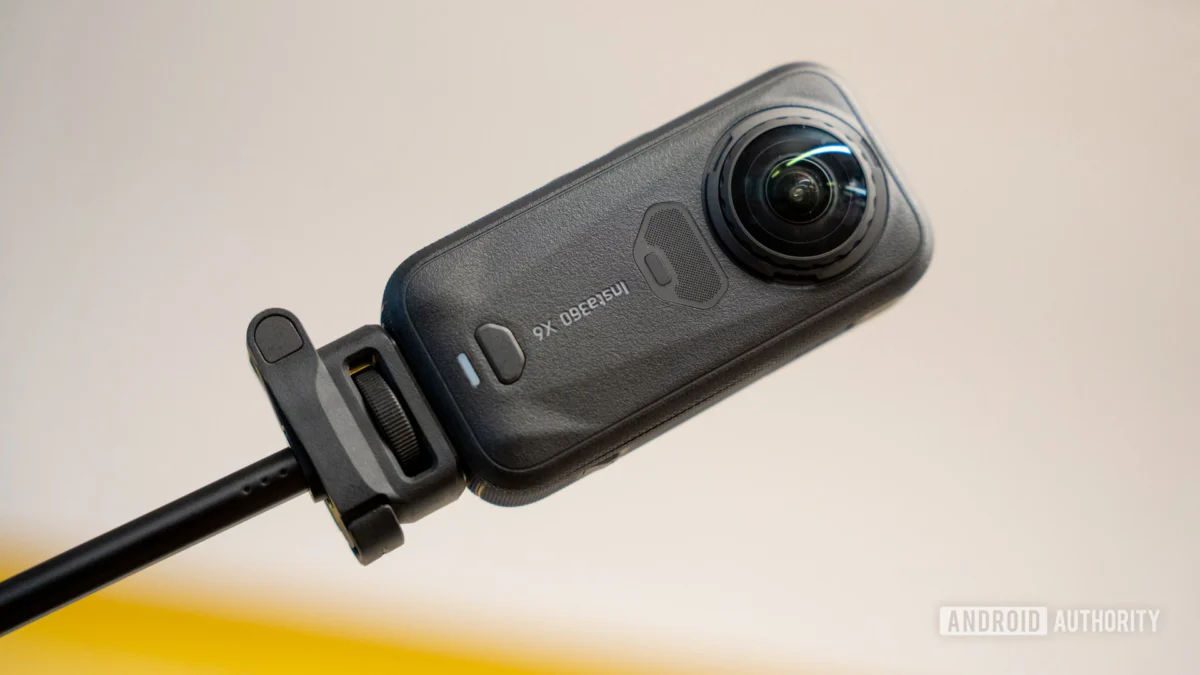
Insta360, a company renowned for its innovative 360-degree camera technology, is set to redefine how users interact with their captured memories. While not announcing new hardware, the company is launching a significant software update that promises to transform existing 360-degree video footage into explorable three-dimensional environments. This new feature, dubbed "Spatial Capture," will be integrated into the Insta360 app, offering a more profound and interactive way to relive experiences without the need for specialized capture equipment or complex post-production workflows.
A New Dimension for Memories: The Advent of Spatial Capture
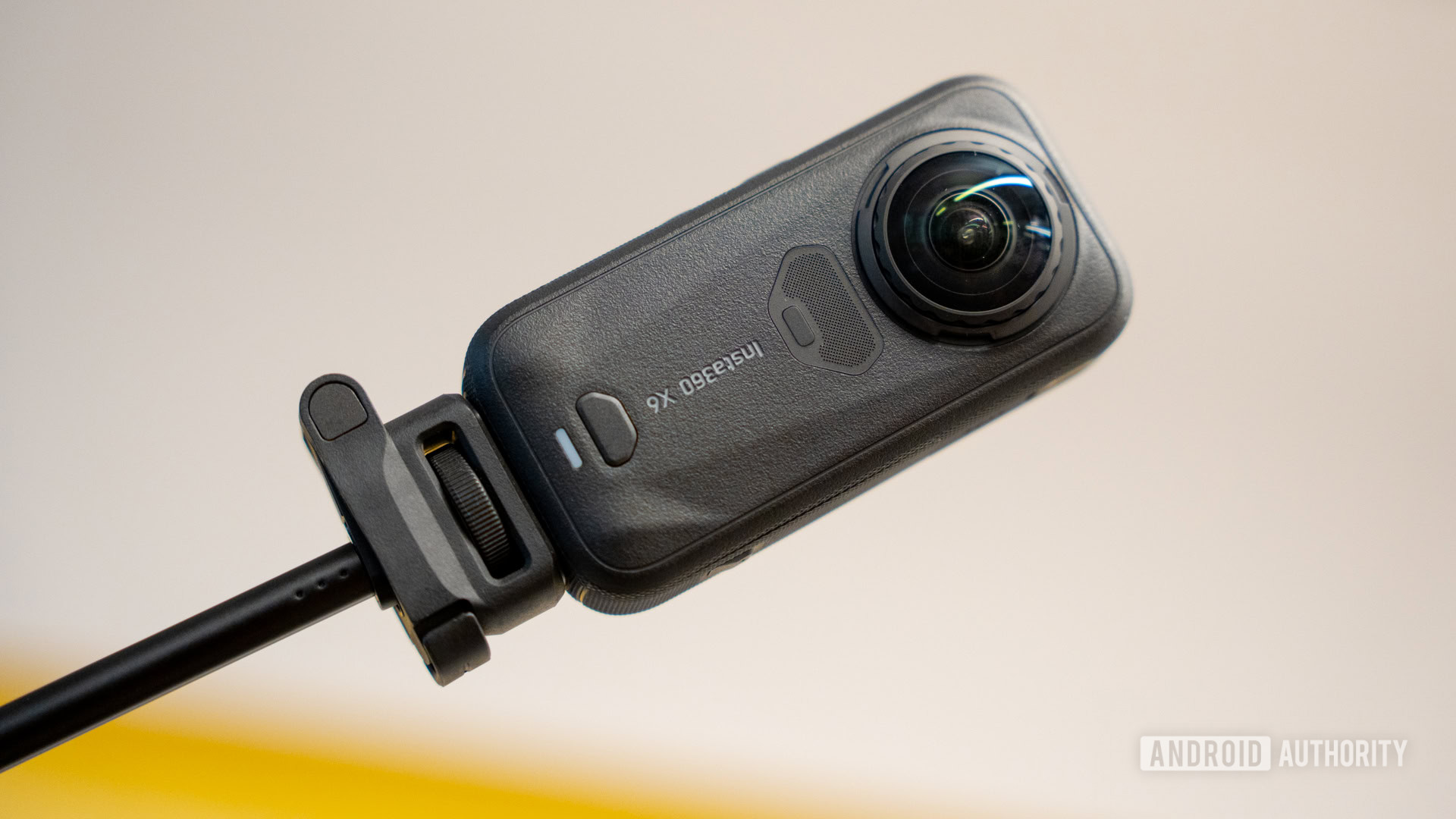
The core of Insta360’s latest offering lies in its ability to leverage advanced technology to reconstruct environments from standard 360-degree video. Users with compatible Insta360 cameras, including the X6, X5, and X4 Air, will soon find a new "Spatial Capture" tab within the Insta360 application. This dedicated space will serve as the gateway to converting recorded videos into dynamic, explorable 3D scenes. The announcement signifies a move beyond passive viewing, ushering in an era where users can actively navigate and engage with their recorded moments as if they were physically present.
The Technology Behind the Immersion: 3D Gaussian Splatting
At the heart of Spatial Capture is the application of 3D Gaussian Splatting (3DGS) technology. This cutting-edge technique allows for the efficient and high-quality rendering of complex 3D scenes from a collection of input data. In the context of Insta360’s new feature, the 360-degree video serves as the primary data source. When a user records a video of a space, the camera captures the entire spherical panorama. This footage is then processed by the 3DGS algorithm, which reconstructs the scene in three dimensions.
The process is designed to be remarkably user-friendly. A video of a space, with a maximum duration of two minutes, can be selected within the Spatial Capture tab of the Insta360 app. For longer recordings, users have the flexibility to trim the footage down to the desired segment before initiating the generation process. Once the "Generate" button is tapped, the selected video data is uploaded to Insta360’s cloud servers. It is here that the powerful 3DGS technology goes to work, meticulously reconstructing the captured environment into a navigable 3D scene.
Insta360 has provided an estimated processing time of approximately one to two hours for each scene. This duration reflects the computational intensity of converting 2D video data into a fully realized 3D model. During this processing period, users are free to exit the app and attend to other tasks, as the rendering occurs remotely on the cloud. A notification will alert users once their 3D scene is ready for exploration.
Interactive Exploration and Creative Freedom
Upon completion, users gain the ability to interact with their generated 3D scenes in several engaging ways. Exploration can be controlled through intuitive touch gestures on the screen, a virtual joystick for precise movement, or by utilizing the device’s gyroscope for a more natural, head-tracked experience. This level of interactivity transforms a static video into a dynamic virtual space, allowing users to examine details from various angles and perspectives.
Beyond simple exploration, Spatial Capture empowers users with creative tools to further enhance their 3D scenes. The ability to add special effects can imbue the scenes with a unique aesthetic, while the creation of custom camera paths enables users to craft cinematic sequences within their 3D environments. These customized experiences can then be exported as standard video files for broader sharing or distributed as interactive links, allowing others to experience the 3D space directly.
Rollout Details and Accessibility
The Spatial Capture feature is slated for a global rollout on September 28. Initially, the feature will be accessible to users who own the Insta360 X6, X5, or X4 Air cameras. This strategic selection of models suggests that these cameras possess the necessary sensor capabilities and processing power to capture the high-quality footage required for effective 3D reconstruction.
It is important to note that the initial release of Spatial Capture will be limited to users within the United States. This phased rollout strategy is common for new software features, allowing companies to gather user feedback, refine the technology, and address any potential issues in a controlled environment before wider global deployment. Insta360 has also outlined a usage policy, stating that users will be permitted to generate up to four 3DGS scenes free of charge each month. This complimentary tier likely aims to encourage widespread adoption and allow users to experience the capabilities of Spatial Capture without an immediate financial commitment. Further details regarding subscription models or premium features for unlimited generation are expected to be announced as the feature matures.
Background and Industry Context
Insta360 has consistently been at the forefront of accessible immersive technology. The company’s lineage of 360-degree cameras, starting with models like the Insta360 ONE X series, has democratized the creation of panoramic content. This latest move into spatial computing represents a natural evolution, building upon the foundation of spherical video capture.
The broader technology landscape is witnessing a significant surge in interest and investment in spatial computing and the metaverse. Companies across the tech spectrum are exploring ways to create more immersive digital experiences, bridging the gap between the physical and virtual worlds. Technologies like 3D Gaussian Splatting, which have seen rapid advancements in recent years, are crucial enablers of this transition. Their ability to generate realistic and interactive 3D representations from readily available data makes them particularly appealing for consumer-facing applications.
The integration of such advanced rendering techniques into a widely adopted platform like the Insta360 app positions the company to capitalize on this growing trend. By enabling users to transform their existing video libraries into explorable 3D spaces, Insta360 is not only offering a novel feature but also potentially creating a new form of digital content that can be shared and experienced in ways previously confined to professional virtual reality development.
Implications and Future Prospects
The introduction of Spatial Capture by Insta360 carries several notable implications:
-
Democratization of 3D Content Creation: Historically, creating navigable 3D environments has required specialized skills, expensive software, and often, dedicated 3D scanning equipment. By enabling this creation from standard 360-degree video captured by their cameras, Insta360 is making 3D content creation accessible to a much broader audience. This could lead to an explosion of user-generated 3D content, from personal travel logs to immersive architectural walkthroughs.
-
Enhanced Memory Preservation: The ability to explore a memory in 3D offers a far richer and more engaging way to relive significant moments compared to watching a flat video. Imagine being able to "walk through" a past vacation, revisit a family gathering, or explore a favorite hiking trail as if you were there again. This elevates the emotional resonance and recall associated with captured memories.
-
New Avenues for Storytelling: The creative freedom offered by custom camera paths and effects opens up new possibilities for storytelling. Users can craft dynamic narratives within their 3D scenes, moving beyond linear video formats. This could inspire new forms of vlogging, documentary filmmaking, and even interactive artistic expression.
-
Platform Expansion: The cloud-based processing model suggests a potential for Insta360 to expand its service offerings beyond hardware. As the technology matures and user adoption grows, the company could introduce tiered subscription models for higher processing speeds, unlimited generation, or advanced editing features, creating a recurring revenue stream.
-
Competitive Landscape: This move by Insta360 could prompt competitors in the action camera and 360-degree camera market to explore similar software-driven enhancements. The focus is shifting from solely hardware innovation to a more integrated hardware-software ecosystem that delivers enhanced user experiences.
While the initial free tier of four scenes per month is a generous starting point, the long-term success of Spatial Capture will likely depend on the perceived value of the generated content and the ease with which users can share and experience these 3D spaces. The success of platforms like YouTube and TikTok has demonstrated the power of user-generated content, and Insta360’s Spatial Capture has the potential to create a new category of such content. The company’s commitment to leveraging cutting-edge AI and rendering technologies, such as 3D Gaussian Splatting, positions them well to remain at the forefront of immersive technology for consumers. The September 28th launch will be a key moment to observe the reception and adoption of this innovative feature.