Metty Iskandar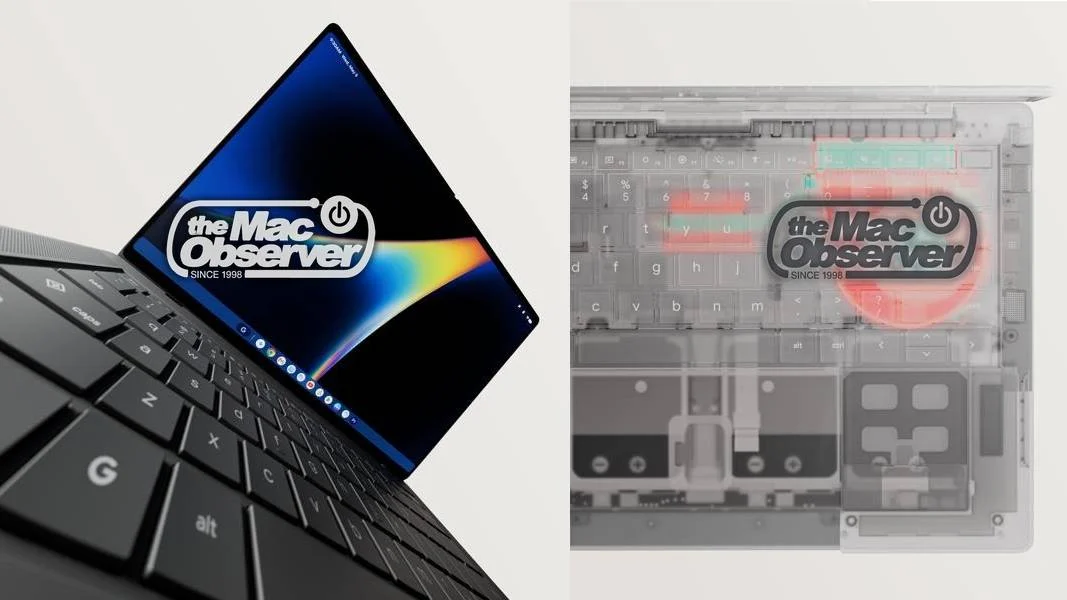
The computing landscape is on the cusp of a significant evolution with the imminent arrival of Googlebooks, a new platform first unveiled by Google in May. Following a summer characterized by a steady stream of hardware leaks, the initial wave of these innovative devices is poised for an official debut, with pre-orders slated to commence on Monday, September 21. As this pivotal date approaches, further details have emerged, most notably through a comprehensive leak showcasing the ASUS-branded Googlebook with an unprecedented level of clarity.
The Googlebook Initiative: A New Era of Computing
Google’s foray into the laptop market with Googlebooks represents a strategic move to further integrate its ubiquitous software ecosystem into the personal computing experience. This initiative aims to bridge the gap between traditional laptops and the burgeoning Chromebook market, offering a platform designed for seamless cloud integration, enhanced productivity, and a unified user experience across devices. The platform is expected to leverage the strengths of Android and Chrome OS, potentially offering a hybrid experience that caters to a wider range of user needs, from casual browsing and media consumption to more demanding professional applications.
The initial launch will feature a diverse range of models from established hardware manufacturers, including Acer, ASUS, Dell, HP, and Lenovo. This broad industry participation underscores the significant potential Google sees in this new computing paradigm and the commitment of major players to its development. The competition among these manufacturers is anticipated to drive innovation in hardware design, performance, and pricing, ultimately benefiting consumers.
ASUS Googlebook: A Closer Examination
While previous leaks had offered glimpses of the ASUS Googlebook, the latest revelations, courtesy of The Mac Observer, provide a far more detailed look at the device’s aesthetics and potential features. Many of the newly surfaced renders echo familiar laptop designs, making them at first glance indistinguishable from conventional notebooks. However, closer inspection reveals subtle yet significant design elements that distinguish the Googlebook. The visible ports on the side, though not fully detailed, hint at standard connectivity options. Perhaps the most striking visual element is the "rainbow glowbar" adorning the lid, a distinctive design choice that could serve as a branding element or a visual indicator of the device’s status.
Beyond these initial renders, the leak includes more intimate views of the hardware. An "X-ray view" offers an intriguing, albeit cryptic, perspective on the internal architecture, while a peek at the pre-assembled chassis frame provides insight into the structural integrity and build quality. While these views may not directly illuminate performance benchmarks or specific software functionalities, they offer a tangible sense of the device’s construction and the engineering that underpins it.
The leaker also provided extreme-angle shots that highlight the device’s form factor and premium finish. These images emphasize the sleek lines and modern aesthetic expected from a Google-branded device. One of the most significant details confirmed by these leaks is the presence of a dedicated "Google key" on the keyboard, a feature long anticipated by tech enthusiasts. This key is expected to provide quick access to Google’s search functionality or other integrated services, further reinforcing the platform’s deep ties to Google’s ecosystem. Another port shot offers a final preview of the connectivity options, suggesting a balanced array of ports for diverse user needs.
Chronology of the Googlebook Unveiling
The journey to the Googlebook’s launch has been a gradual one, marked by strategic announcements and sustained information leaks.
- May [Year of Announcement]: Google officially announces the Googlebook initiative, signaling its intent to enter the competitive laptop market with a new, integrated computing platform. Initial details are sparse, but the announcement sparks widespread speculation about the platform’s capabilities and target audience.
- Summer [Year of Announcement]: A period characterized by a consistent stream of hardware leaks from various manufacturers, including Acer, ASUS, Dell, HP, and Lenovo. These leaks offer early glimpses of device designs, potential specifications, and key features, fueling anticipation among consumers and industry observers.
- Early September [Year of Announcement]: Reports begin to surface regarding pre-order dates, with strong indications pointing towards a late September launch. This period sees leaks becoming more detailed and specific, offering a clearer picture of the devices that will be available.
- Mid-September [Year of Announcement]: The Mac Observer releases a comprehensive leak of the ASUS Googlebook, featuring detailed renders and close-up views of the hardware. This leak is considered one of the most significant to date, providing substantial visual evidence of the device’s design and key features.
- September 21 [Year of Announcement]: Pre-orders for the initial Googlebook lineup are scheduled to open, marking the official commencement of the product’s availability. This date is anticipated to be accompanied by full product announcements and detailed specifications from Google and its hardware partners.
Supporting Data and Industry Context
The emergence of Googlebooks is occurring at a time of significant flux in the personal computing market. While traditional PCs continue to hold a dominant position, the rise of tablets, smartphones, and increasingly capable Chromebooks has diversified user preferences and computing habits. Googlebooks appear to be positioned to capture a segment of the market seeking a more integrated, cloud-centric experience without sacrificing the familiar form factor of a laptop.
The performance of Chromebooks, which have seen substantial growth in recent years, particularly in educational sectors, provides a positive precedent for Google’s new platform. Chromebooks have demonstrated the viability of a cloud-first operating system and have cultivated a user base appreciative of their simplicity, security, and affordability. Googlebooks are expected to build upon this foundation, offering enhanced capabilities and a broader appeal to both consumer and professional markets.
Industry analysts have noted the potential for Googlebooks to challenge established players like Microsoft Windows, particularly in productivity-focused segments. By leveraging its vast software ecosystem, including Google Workspace (formerly G Suite), Google Assistant, and a robust app store, Google aims to create a compelling alternative for users who prioritize seamless cloud access and cross-device synchronization.
Inferred Reactions and Industry Analysis
While official statements from Google and its hardware partners are expected to coincide with the pre-order launch, the sustained leaks suggest a calculated unveiling strategy. The depth and consistency of these leaks may indicate an effort to generate sustained buzz and anticipation leading up to the official announcement.
Industry analysts are closely monitoring the Googlebook initiative, with many predicting a significant impact on the laptop market. The success of Googlebooks will likely hinge on several factors:
- Performance and Capabilities: The ability of Googlebooks to handle demanding applications and provide a fluid user experience will be crucial for wider adoption beyond basic computing tasks.
- Ecosystem Integration: The seamless integration with existing Google services and the availability of a robust app ecosystem will be key differentiators.
- Pricing and Value Proposition: Competitive pricing and a clear demonstration of value for money will be essential to attract consumers away from established platforms.
- Hardware Innovation: The diverse range of hardware from multiple manufacturers is expected to drive innovation in design, battery life, and overall user experience.
The inclusion of a dedicated "Google key" is a strong indicator of Google’s intent to deeply embed its services within the user interface, potentially redefining keyboard shortcuts and access to core functionalities. This could signal a move towards a more unified and intuitive interaction model, where search, productivity tools, and cloud services are more readily accessible.
Broader Impact and Future Implications
The introduction of Googlebooks has far-reaching implications for the personal computing industry. It represents a direct challenge to the dominance of Windows-based laptops and could redefine user expectations for laptop functionality and integration. The success of this platform could accelerate the trend towards cloud-centric computing, where data and applications are primarily stored and accessed online.
Furthermore, the partnership between Google and leading hardware manufacturers suggests a collaborative approach to innovation, potentially leading to a more dynamic and competitive market. The focus on a unified platform could also simplify the development of cross-platform applications and services, benefiting both developers and consumers.
As pre-orders approach on September 21, the tech world will be keenly observing the official unveiling of the ASUS Googlebook and its counterparts. The detailed leaks have certainly piqued interest, offering a tangible glimpse into what promises to be a significant evolution in personal computing. The ASUS Googlebook, with its distinctive design elements and the confirmed presence of a dedicated Google key, stands as a compelling example of the hardware innovation expected from this new platform. The coming weeks will reveal whether Googlebooks can indeed live up to the hype and carve out a significant niche in the ever-evolving technology landscape.