Metty Iskandar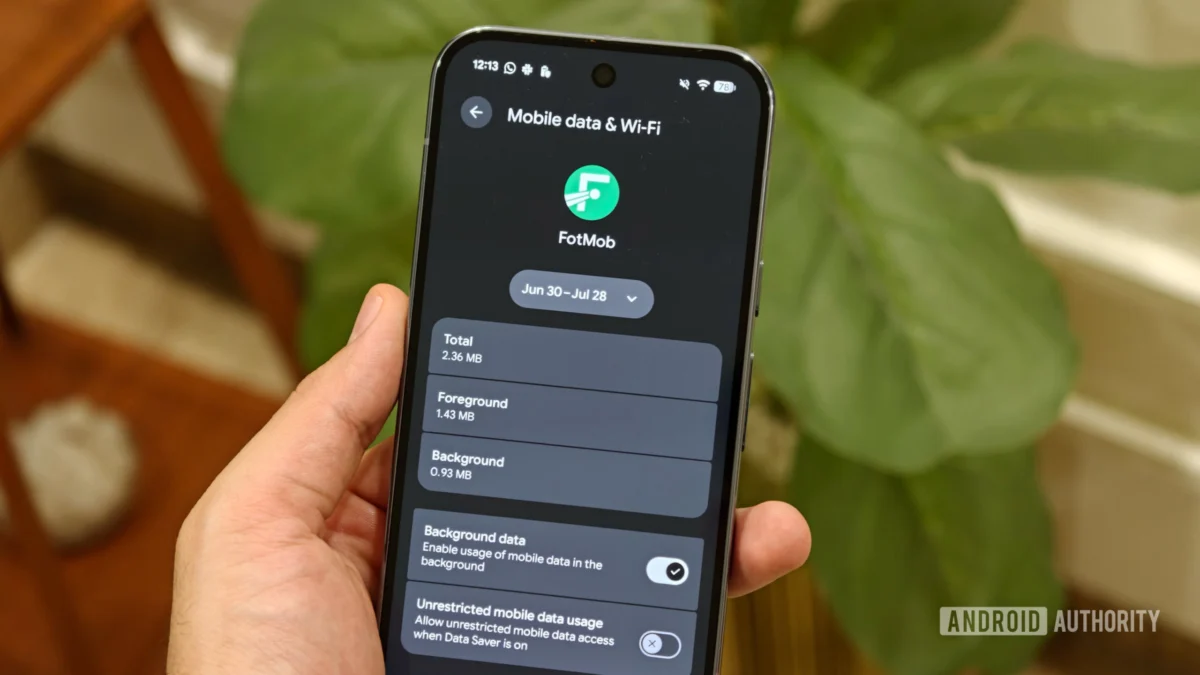
The specter of astronomical mobile bills incurred while traveling abroad is a familiar cautionary tale, often recounted with a mixture of sympathy and disbelief. While many travelers meticulously disable data roaming and rely on Wi-Fi, a growing number of users are finding themselves unexpectedly charged for mobile data usage, even when all settings appear to be in order. This phenomenon, often referred to as "phantom roaming charges," has led to significant financial surprises and a frustrating lack of clarity for consumers. One recent extreme case involved a Reddit user who was reportedly hit with a $53,000 charge from AT&T after an eight-day trip to Europe, a sum drastically exceeding their anticipated $100 in roaming fees. While not all instances are this severe, the underlying issue of seemingly inexplicable data charges persists.
This article delves into the nature of these phantom roaming charges, exploring the potential causes, the experiences of affected users, and the most effective strategies to prevent them from impacting your next trip.
The Unseen Data Drain: A Personal Account
The author of this report experienced a peculiar and concerning series of events involving unexpected roaming charges. Despite taking what were believed to be all necessary precautions, including disabling mobile data and ensuring the device was consistently connected to Wi-Fi, small roaming charges began appearing on the monthly bill. The initial incident, which resulted in approximately $20 in charges, was attributed to a minor oversight. However, a repeat occurrence two months later, also on the final day of the billing cycle, indicated a more systemic issue.
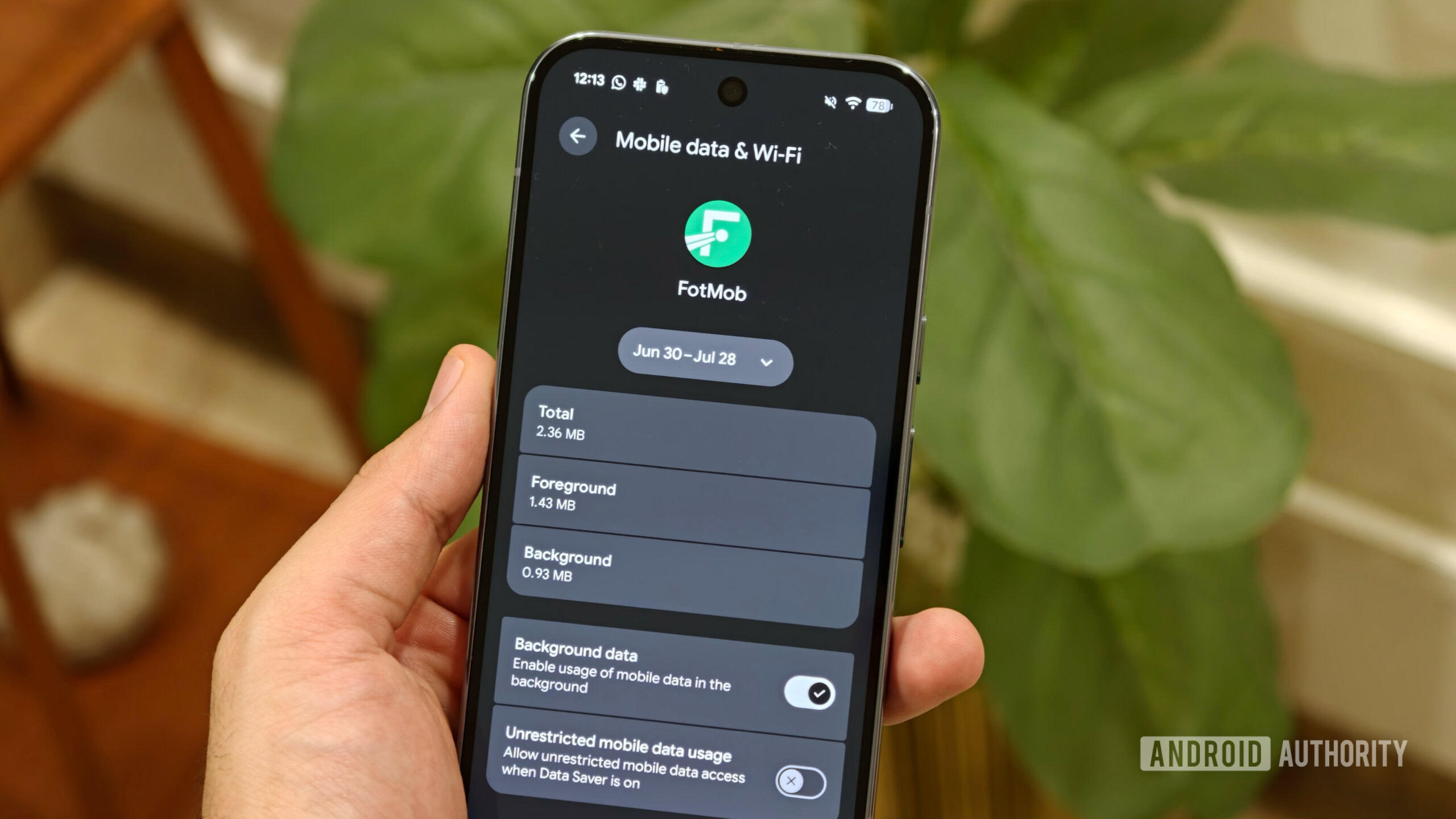
Crucially, the device in question was not actively used for communication while traveling. It was a secondary phone, primarily kept at home and connected to a Wi-Fi network, with mobile data and roaming settings explicitly switched off. The device’s own data usage logs showed zero consumption, adding to the bewilderment. This situation raises serious questions about the reliability of standard mobile device settings in preventing all forms of data roaming.
Tracing the Phantom: Unraveling the Mystery
The core of the problem lies in the minuscule, almost imperceptible, data connections that can trigger substantial roaming fees. In the author’s case, the carrier reported that the phone had connected to mobile data for mere fractions of a second on two separate occasions. While this duration is too brief for any discernible user activity, it was sufficient to activate the carrier’s daily roaming charge. This raises a critical question: what could be causing these fleeting data connections when the user has actively disabled data services?
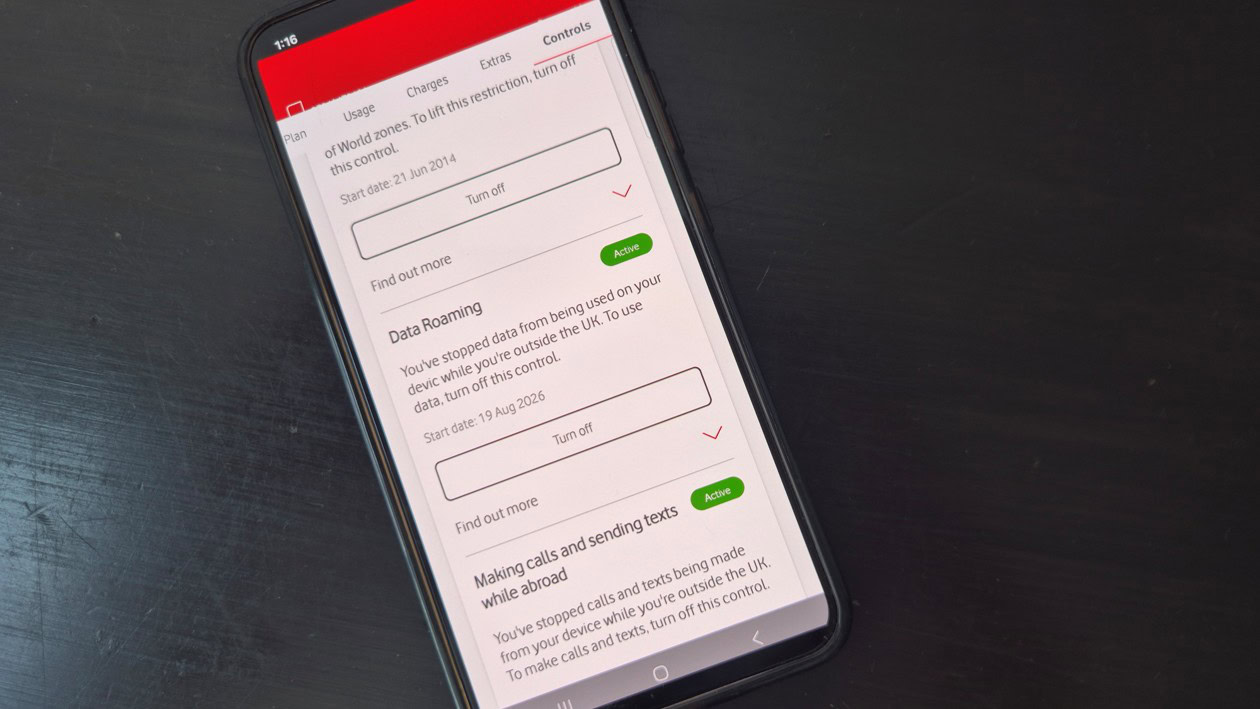
Several factors could contribute to these phantom charges:
- Network Registration and Signaling: When a device enters a new network area, it performs background processes to register with the local network. This signaling traffic, though minimal, could potentially be interpreted as data usage by some carriers, especially when roaming.
- Carrier Policies on MMS and Wi-Fi-Assisted Services: Some mobile carriers may classify certain background services, such as the delivery of Multimedia Messaging Service (MMS) messages or data used by Wi-Fi-assisted calling features, as roaming data, even if the primary data roaming toggle is off. Manufacturers like Xiaomi have previously warned that such occurrences are possible even with data roaming disabled.
- Interactions Between Device, Network, and Carrier: The issue could stem from a complex interplay between the phone’s operating system (Android in this case), the local network in the visited country, and the home network provider’s policies. Any of these entities, or a combination thereof, could be responsible for initiating these brief data connections.
- Background App Activity: While the user believed the phone was inactive, it is conceivable that certain system-level processes or applications, designed to perform essential functions like software updates or synchronization, might attempt to establish a connection, inadvertently triggering roaming charges.
A Pattern of Concern: More Users, Similar Stories
The author’s experience is far from isolated. A review of online forums and social media reveals numerous similar accounts from users across different carriers and device manufacturers. For instance, a Rogers customer reported their Samsung Galaxy S24 Ultra incurring an $18 daily charge for 0.01MB of roaming data on multiple days, despite data being switched off. Similarly, a Pixel 9 owner described being charged for minimal data usage on random days during a trip, even with data roaming disabled. These recurring reports suggest a widespread issue that is not specific to a single device or network.
The common thread in these incidents is the minimal data usage recorded, often as low as 0.01MB, which is enough to trigger a full day’s roaming fee. This highlights a significant disconnect between user expectations of control over their data usage and the actual behavior of mobile networks and devices.
Navigating the Digital Landscape: Prevention Strategies
Given the potential for these phantom charges, it is crucial for travelers to adopt robust strategies to safeguard themselves. While disabling mobile data and data roaming on the device is a fundamental step, it appears to be insufficient on its own.
1. The Brute-Force Approach: Ultimate Disconnection
The most foolproof method to prevent any data charges is to completely disconnect the phone from cellular networks. This can be achieved through several means:
- Airplane Mode: This setting disables all wireless radios, including cellular, Wi-Fi, and Bluetooth. While effective, it also prevents calls and texts, which may be undesirable for travelers who need to remain reachable.
- Disabling the SIM Card: Removing or disabling the SIM card effectively renders the phone unable to connect to any cellular network. Similar to airplane mode, this will also prevent calls and texts.
- Powering Off the Device: While seemingly obvious, even powering off the phone has not guaranteed immunity for all users, as evidenced by some reports of unexpected charges even when the device was off.
These methods are highly effective in preventing data usage but come at the cost of connectivity for essential communication.
2. Carrier-Level Blocks: The Most Effective Safeguard
For travelers who wish to remain reachable for calls and texts while abroad but absolutely want to prevent any mobile data charges, the most effective solution is to request a data roaming block at the account level with their carrier. This is a crucial distinction from simply toggling data roaming off on the device.
- Provider-Side Block: A provider-side data roaming block instructs the carrier not to permit any mobile data traffic on the user’s line when roaming. This is a more secure measure as it operates at the network level, preventing the possibility of accidental data connections, regardless of device settings.
- Maintaining Essential Services: This type of block typically allows for continued use of voice calls and SMS messaging, ensuring travelers can stay in touch for emergencies or important communications.
- Verification and Communication: It is essential to contact your mobile carrier directly to inquire about their specific options for data roaming blocks. The terminology and procedures can vary significantly between providers. Major carriers often have this functionality available through their mobile apps or customer service portals.
Implementing a provider-side data roaming block acts as an additional layer of security, effectively "locking the door" against any unauthorized data usage and the associated unexpected charges.
3. Setting Spending Limits: A Safety Net
Many carriers offer the option to set spending limits on mobile accounts. Setting this limit to zero for data usage can serve as a valuable safety net, preventing charges from accumulating beyond a predefined threshold. However, it’s important to note that spending limits are generally considered a preventative measure rather than a guarantee against initial charges, especially if the system takes time to register the limit.
The Broader Implications: Consumer Trust and Carrier Responsibility
The persistent issue of phantom roaming charges erodes consumer trust in mobile carriers and device manufacturers. When users diligently follow recommended practices to manage their data usage, only to be met with unexpected bills, it fosters a sense of frustration and distrust. The lack of transparency in how these charges are incurred and the difficulty in obtaining refunds or resolutions further exacerbate the problem.
From a business perspective, carriers have a responsibility to provide clear and reliable information to their customers regarding roaming policies and potential charges. While technology and network complexities can be challenging, proactive communication and robust customer support are paramount. The prevalence of these issues suggests that current default settings and user education may not be sufficient to fully protect consumers.
The trend of increasing data usage and the global nature of travel necessitate a more comprehensive approach to managing international mobile data. This includes not only empowering users with effective tools but also ensuring that the underlying systems are designed to prevent such unintended consequences. As mobile technology continues to evolve, so too must the safeguards and transparency surrounding its use, particularly when crossing international borders. Travelers should always confirm their carrier’s specific roaming policies and explore all available blocking options before embarking on their journeys.