Sonny Valindra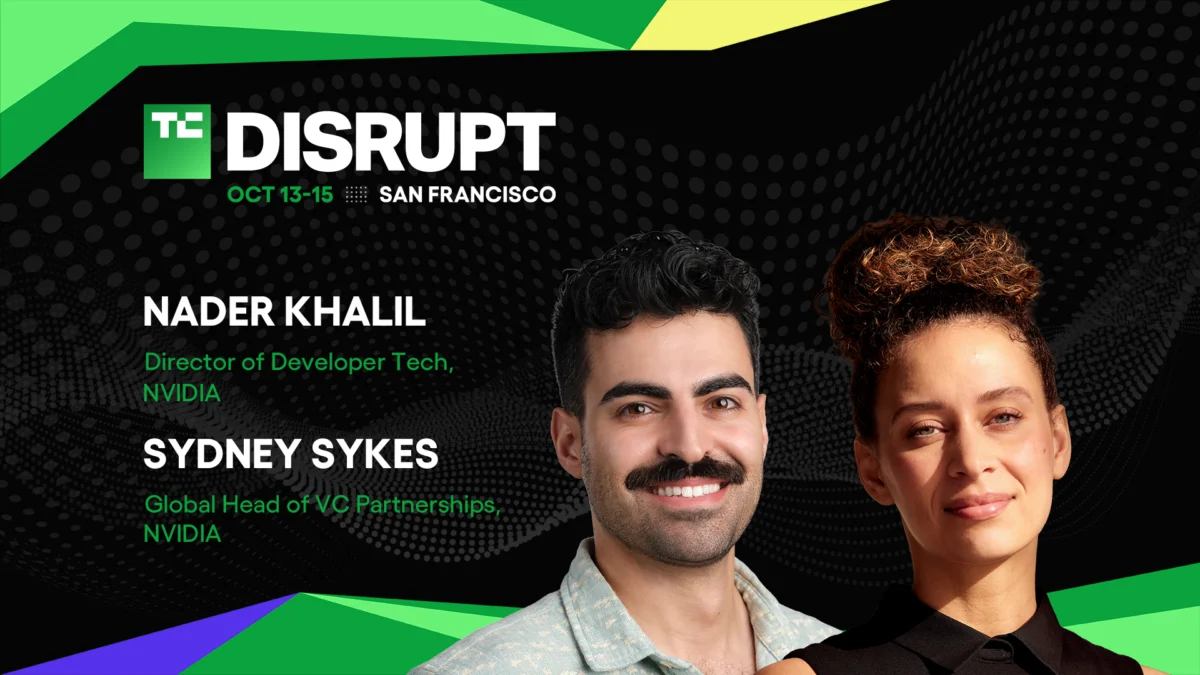
The burgeoning artificial intelligence landscape presents a critical strategic crossroads for every company building AI-powered products. Founders face a complex set of decisions: Should they opt for proprietary frontier models for rapid deployment, or leverage open-source alternatives for greater control and customization? Should they invest in fine-tuning their own versions, explore local deployment, or consider a multi-model approach? And how should they navigate the rapidly shifting economic and capability landscape that promises further disruption within months?
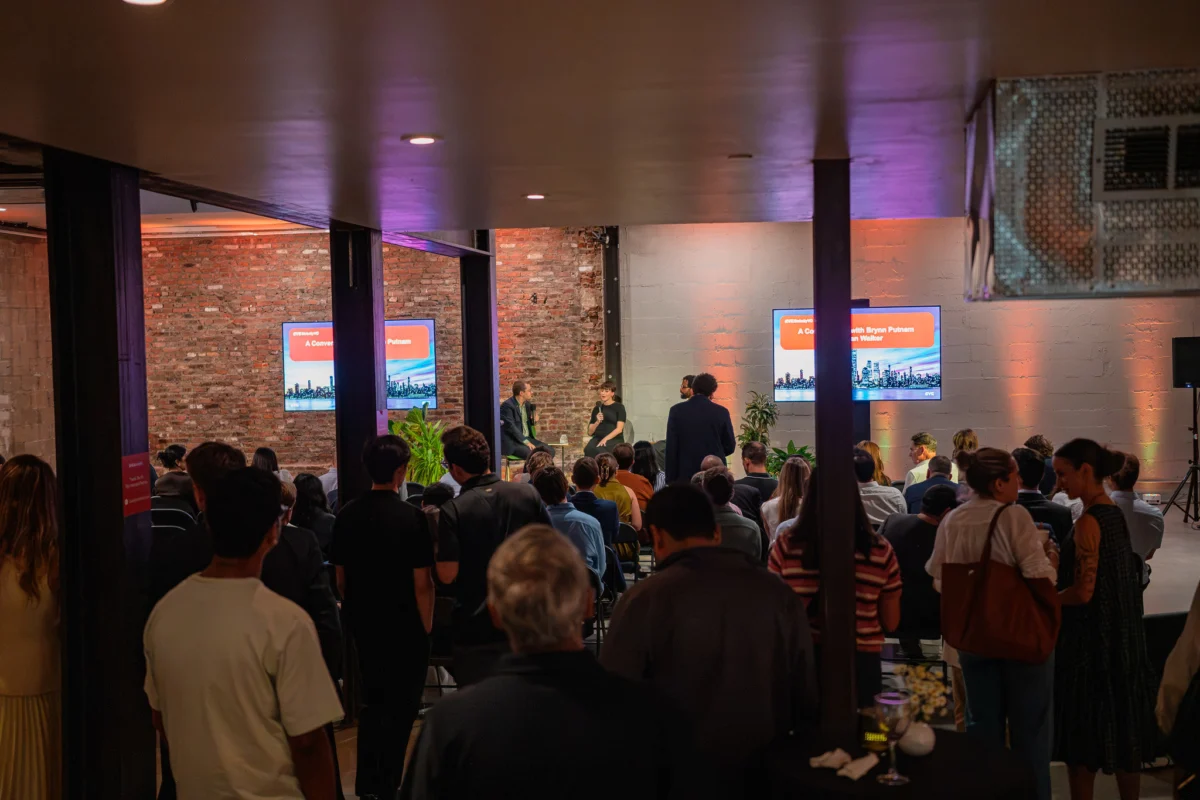
There is no single, universally correct answer. However, the choice made at this foundational stage can profoundly impact nearly every facet of a business, from operational costs and infrastructure requirements to profit margins, competitive differentiation, development speed, and overall strategic control. Recognizing the magnitude of this decision, TechCrunch Disrupt 2026 will host a pivotal session titled "The Open vs. Closed AI Debate Is Just Getting Started," scheduled for October 13-15 in San Francisco on the Builders Stage. This session aims to dissect the intricate trade-offs inherent in both open and proprietary AI approaches, with a particular focus on whether either strategy can secure a lasting competitive advantage in the long term.
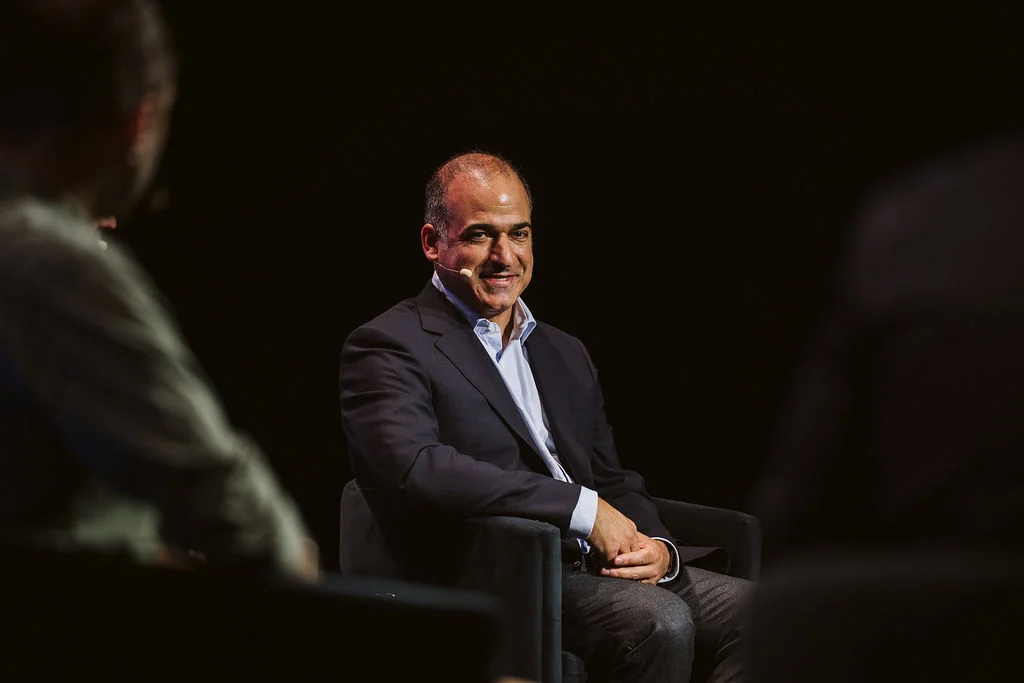
Leading this crucial discussion will be Nader Khalil, Director of Developer Tech at Nvidia, and Sydney Sykes, Global Head of VC Partnerships at Nvidia. Their combined expertise, spanning developer infrastructure and the venture capital ecosystem, positions them to offer a comprehensive analysis of the current AI model landscape. The session is expected to delve into the practical implications of these choices for startups and established companies alike, addressing the core questions that founders are grappling with today.
Nvidia’s active involvement in this debate underscores the platform’s significant role in the AI ecosystem. The company has been a major proponent of both proprietary advancements and the open-source movement, a dual strategy that reflects the complex realities of AI development. Nvidia CEO Jensen Huang himself has articulated a vision where proprietary and open approaches are not mutually exclusive but rather complementary, a perspective that will likely inform the nuances of the Disrupt session.
The AI Gap Narrows, Making the Decision More Crucial
The rapid evolution of open-source AI models has significantly closed the performance gap with their proprietary counterparts. Nvidia reported in July that a substantial 145 papers accepted at the International Conference on Machine Learning (ICML) in 2026 cited its Nemotron open models and associated datasets. This figure, alongside research utilizing other Nvidia open model families across diverse fields such as robotics, autonomous vehicles, and biomedical research, highlights the growing utility and adoption of open AI.
Concurrently, leading proprietary AI labs continue to push the boundaries of model capabilities, introducing ever more powerful and sophisticated systems. This dynamic market environment shifts the central question from "Can open models be useful?" to "Where does each approach make the most commercial sense?" The convergence of performance and accessibility means that the strategic decision about which model to build upon is no longer a purely technical one, but a fundamental business strategy with far-reaching consequences.
The strategic dilemma intensifies when considering that two models, one open and one proprietary, might deliver comparable results. Does the lower cost of an open model automatically make it the superior choice? What if a proprietary model offers superior data control or security guarantees? The decision also impacts the company’s long-term defensibility. Does owning more of the AI stack through an open model translate to a sustainable competitive advantage, or simply an increased burden of infrastructure maintenance? Furthermore, given the pace of AI innovation, where the best-performing model can change every few months, how tightly should a product’s architecture be coupled to any single model? These are the pressing questions that Khalil and Sykes are poised to unpack at TechCrunch Disrupt 2026.

Nader Khalil’s background offers a deep dive into the infrastructure and developer perspective. As Nvidia’s Director of Developer Tech, he spearheads initiatives in open-source and local AI. Prior to this role, Khalil co-founded Brev.dev, an AI infrastructure company that Nvidia acquired in July 2024. Brev.dev’s core mission was to simplify access to GPU infrastructure across various environments, enabling developers to deploy AI software across public cloud, private cloud, and on-premises setups without being locked into a single compute provider. This experience provides him with firsthand insight into the challenges and opportunities of building flexible and scalable AI deployments.
Complementing this technical viewpoint, Sydney Sykes brings the crucial perspective of the venture capital ecosystem as Nvidia’s Global Head of VC Partnerships. Her role involves understanding what makes AI startups attractive and investable, a perspective that is vital for founders seeking funding and strategic growth. By examining the same fundamental AI model decision from both the developer’s needs and the investor’s criteria, the session promises a holistic view of the landscape.
The debate is not merely an academic exercise; it is a practical business decision being made daily by startups of all sizes. The session at TechCrunch Disrupt 2026 is designed to provide founders, investors, developers, and business leaders with the insights needed to navigate this complex terrain. Attendees will gain a clearer understanding of the trade-offs, enabling them to make informed decisions that can shape their product roadmaps, cost structures, and long-term viability.
Your Model Isn’t Your Moat – Until It Is
Beneath the surface of the open-versus-closed debate lies a more fundamental question about the nature of competitive advantage in the AI era. If multiple companies can access the same cutting-edge proprietary AI model through an API, then true differentiation must arise from other sources. These could include proprietary data sets that enhance model performance, unique workflows that leverage AI in novel ways, robust distribution channels, strong customer relationships, exceptional product experiences, or specialized underlying technology.
However, opting for an open-source model does not automatically confer a competitive moat. While it offers enhanced flexibility and potentially greater control over data and deployment, it also places the responsibility for optimization, deployment, and ongoing infrastructure management squarely on the company. The economic viability of this approach can fluctuate significantly depending on the specific workload and the scale of operation.
Nvidia’s commitment to the open AI ecosystem is substantial. The company’s recent launch of Nemotron 3 Super, a 120-billion-parameter open model specifically engineered for agentic workloads, exemplifies this. Notably, many companies are already adopting a hybrid strategy, integrating Nemotron with proprietary models rather than treating the two approaches as mutually exclusive. This blended reality is perhaps the most compelling and practical outcome of the ongoing debate, suggesting that the future of AI development may lie in strategic combinations rather than strict adherence to one philosophy.
The session at TechCrunch Disrupt 2026 is therefore not just for AI engineers but for anyone involved in building or investing in AI-driven businesses. For founders, the choice of AI model can directly influence profit margins, the narrative for fundraising, and the long-term product strategy. For investors, understanding where value is truly created within the AI stack is crucial for distinguishing sustainable competitive advantages from superficial product layers built on third-party models. For line-of-business leaders, the decision impacts procurement, data security, regulatory compliance, and the ability to pivot or change providers in the future. For developers and students, this session offers a direct connection between technical decisions and their impact on business models.
The imperative is not to engage in abstract philosophical arguments about the inherent superiority of open or proprietary AI. Instead, builders require a clear-eyed assessment of the practical trade-offs involved. By bringing together key figures like Nader Khalil and Sydney Sykes, TechCrunch Disrupt 2026 aims to provide precisely this clarity, empowering attendees to make the strategic choices that will define their AI ventures.

Navigating the Future: Decisions at TechCrunch Disrupt 2026
The landscape of artificial intelligence is in constant flux, with new models emerging and existing ones rapidly improving. This rapid evolution means that the foundational decisions made today regarding model selection—whether open, proprietary, fine-tuned, or a hybrid approach—will have lasting implications. The session "The Open vs. Closed AI Debate Is Just Getting Started" at TechCrunch Disrupt 2026 is strategically timed to address these critical considerations.
The event, taking place from October 13-15, 2026, in San Francisco, provides a vital platform for founders, investors, and technologists to engage with these complex issues. The speakers, Nader Khalil and Sydney Sykes, represent distinct but interconnected facets of the AI industry. Khalil’s deep technical understanding of developer tools and infrastructure, honed through his work at Nvidia and the acquisition of his company Brev.dev, offers practical insights into the implementation and operational aspects of AI models. Sykes’s role in venture capital partnerships provides a crucial lens on what makes AI businesses scalable, defensible, and attractive to investors.
Their combined perspectives are essential for a comprehensive understanding of the AI market. The rapid advancement of open-source models, exemplified by Nvidia’s own Nemotron series, has democratized access to powerful AI capabilities. However, the allure of proprietary frontier models, with their often state-of-the-art performance, remains strong. The challenge for builders lies in discerning the long-term strategic advantages of each path, considering factors beyond immediate performance metrics.
The session will likely explore the evolving definition of a "moat" in the AI era. Historically, proprietary technology was often the primary source of competitive advantage. In the age of readily available powerful AI models, the moat may increasingly lie in unique data, specialized applications, superior user experience, or efficient integration into existing business processes. The session aims to equip attendees with the knowledge to identify and build these differentiating factors, regardless of their chosen AI model architecture.
The opportunity to attend this session and gain invaluable insights comes with a limited-time offer. Early registration for TechCrunch Disrupt 2026 can save attendees up to $200, with prices increasing after September 25 at 11:59 p.m. PT. This event represents a critical opportunity for anyone involved in building the future of AI to gain a clearer perspective on the foundational strategic decisions that will shape their success.
By attending, participants will gain a nuanced understanding of the trade-offs between open and proprietary AI, enabling them to make informed decisions about cost, control, speed, and differentiation. The session promises to demystify the complex AI landscape, providing actionable intelligence for founders, investors, and developers alike. The future of AI development is not a simple dichotomy, but a complex interplay of strategies, and TechCrunch Disrupt 2026 aims to illuminate the path forward.