Galang Taruna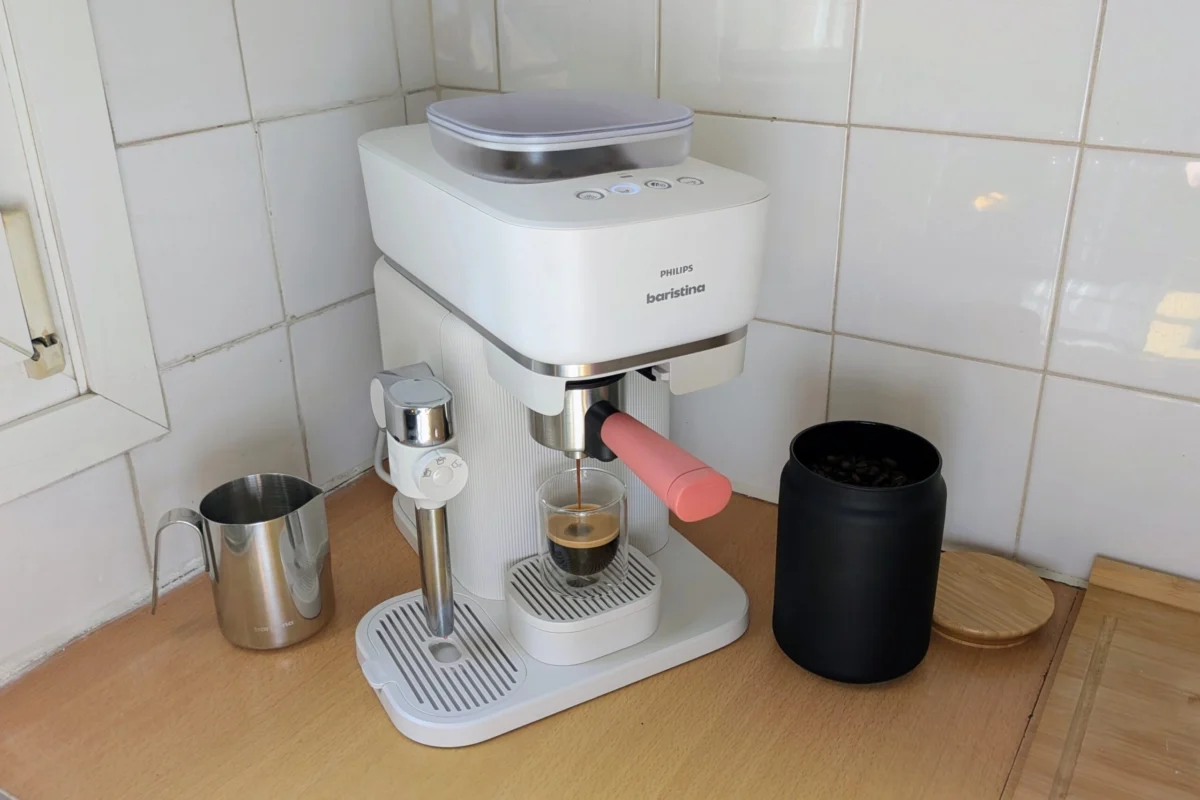
The year 2026 marks a pivotal moment in the home coffee machine market, with consumers increasingly seeking sophisticated yet user-friendly solutions to replicate the café experience. Amidst this dynamic landscape, Philips has introduced the Baristina Latte, a machine promising a complete, "turnkey" coffee brewing experience. This innovative appliance grinds fresh beans, extracts espresso, and produces exquisite milk foam almost entirely autonomously, aiming to simplify the creation of specialty coffee drinks like cappuccinos and lattes in the domestic setting. The Baristina Latte is positioned to cater to a growing segment of coffee enthusiasts who desire quality and convenience without the steep learning curve often associated with traditional semi-automatic machines.
The Evolving Landscape of Home Coffee Brewing in 2026
The espresso machine market in 2026 is characterized by its vastness and diversity, offering consumers a spectrum of models ranging from entry-level options around €200 to professional-grade machines exceeding €1,000. A significant trend observed over the past few years is the substantial growth of bean-to-cup machines with integrated grinders, steadily displacing the once-dominant pod-based systems. This shift is driven by a heightened consumer awareness of coffee quality, environmental concerns related to single-use capsules, and a desire for fresher, more aromatic beverages. Consumers are increasingly demanding more from their coffee makers than just a simple brew; they seek the capability to produce a variety of drinks, particularly those involving expertly frothed milk. Philips, a long-standing player in the home appliance sector, has strategically responded to this demand with the Baristina Latte, a device engineered to semi-automatically deliver barista-quality milk foams, making it a compelling option for those aspiring to master café-style drinks at home.
Design Philosophy: Blending Aesthetics with Practicality
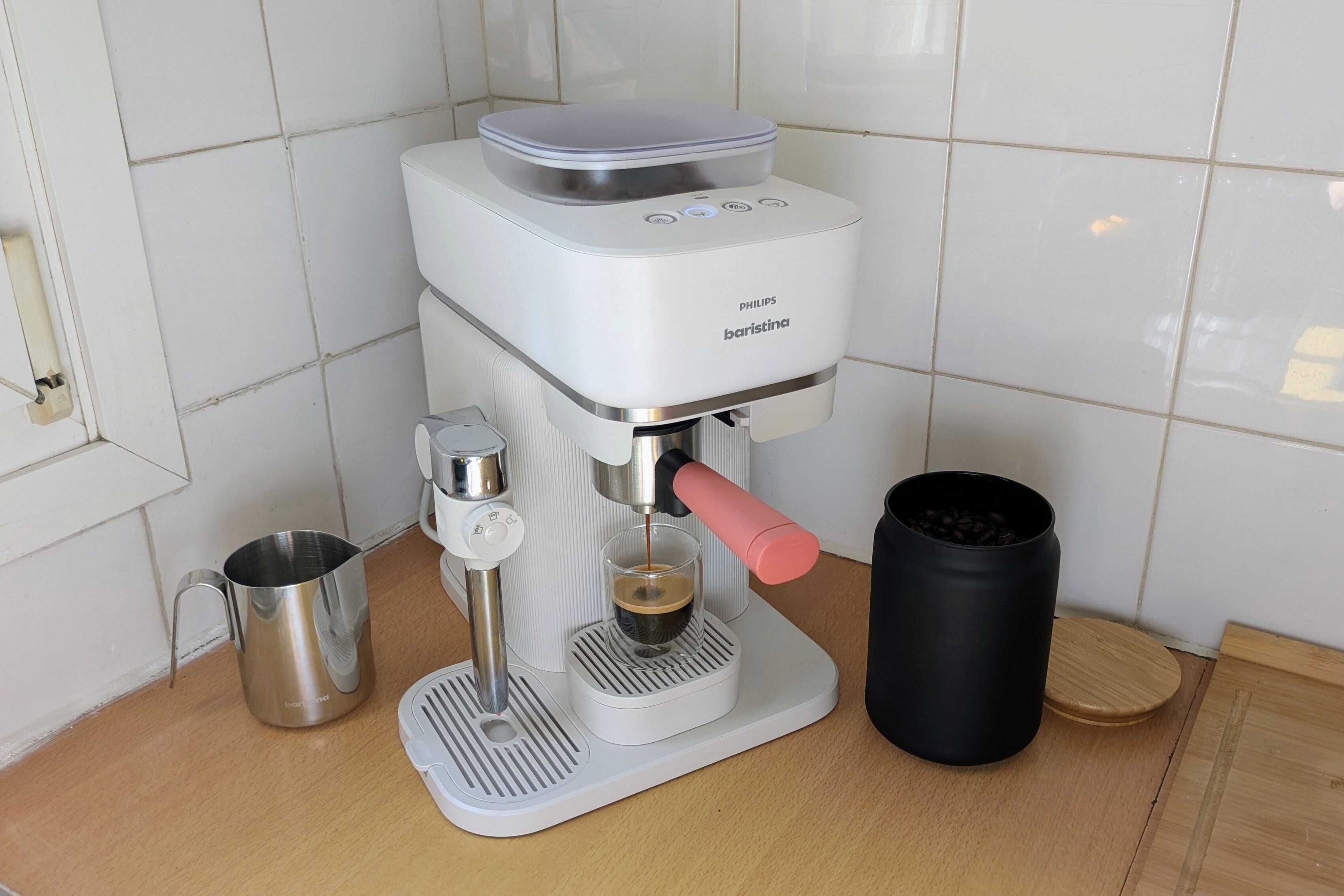
The Baristina Latte, much like its sibling, the standard Baristina, presents a charming and minimalist design characterized by soft, rounded contours. Its understated elegance, devoid of excessive ornamentation, ensures it can seamlessly integrate into various kitchen aesthetics, further aided by its availability in classic white and black finishes. While the white variant, though aesthetically pleasing, may require more frequent cleaning, its overall compact footprint is a significant advantage. Measuring 25.9 x 34.5 x 37.8 cm (Width x Height x Depth), the machine’s primary spatial requirement is its depth at 37 cm. This considered dimension allows it to fit comfortably even in kitchens with limited counter space, a crucial factor for urban dwellers and smaller households.
A notable aspect of the Baristina Latte’s construction is its material composition: it is entirely made of plastic. While this might raise eyebrows at its price point, Philips emphasizes the use of high-quality, matte plastic that resists fingerprints and contributes to a more premium feel. Furthermore, a significant commitment to sustainability is evident, with over 50% of the plastic used being recycled. This move aligns with broader industry efforts to reduce environmental impact. However, some observations point to minor inconsistencies in assembly quality, with certain plastic joints exhibiting slight movement. This detail, for an appliance priced at €499, could be a point of consideration for discerning buyers. The portafilter itself combines plastic and stainless steel, offering a balance of durability and design.
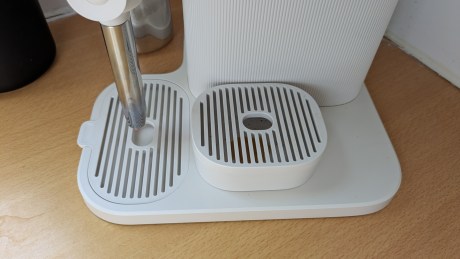
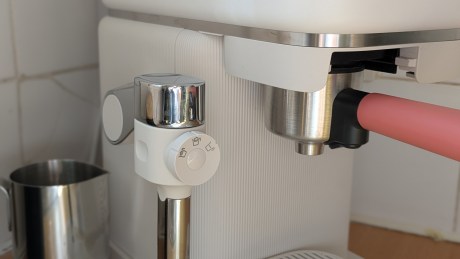
Philips has meticulously streamlined the control interface, opting for a minimalist panel. While certain operations may necessitate an initial glance at the user manual—a common characteristic of compact, feature-rich machines—the four primary buttons are intuitively labeled: steam wand activation, espresso shot, "Intensity Boost," and lungo. A discreet LED indicator signals when descaling is required, enhancing user convenience. The 170-gram bean hopper, located at the top, provides ample capacity, reducing the frequency of refills. The 1.2-liter removable water reservoir, while adequately sized, features a lid that requires complete removal rather than a hinged mechanism, a minor ergonomic quibble. The machine’s base incorporates a removable drip tray, adaptable to various cup sizes, ensuring a clean and versatile brewing area. The steam wand, detachable for easy cleaning, pivots vertically and features a rotary control for selecting desired milk foam consistency.

Innovative Engineering: The "Swipe" Portafilter and Ceramic Grinder
Central to the Baristina Latte’s innovation is its distinctive portafilter system, a departure from conventional manual espresso machines. Unlike traditional setups where users manually dose and tamp ground coffee into the filter, Philips’ design simplifies this process. The user merely inserts an empty portafilter and then performs a "swipe" action by pushing the handle to the right. The machine then takes over: the integrated ceramic grinder activates, dispensing fresh grounds directly into the filter, which is then automatically tamped. Following this, the portafilter automatically retracts to its original position, ready for brewing. This semi-automated workflow significantly streamlines the preparation process, reducing mess and effort, and making the Baristina Latte particularly appealing to those new to bean-to-cup machines or seeking a more hands-off experience.
The mechanical integrity of this "swipe" mechanism, particularly the plastic components involved in its spring-loaded movement, warrants long-term observation regarding its durability and resistance to wear. Philips’ commitment to offering spare parts for 11 years post-purchase, however, provides a measure of reassurance against potential issues.
The machine’s ceramic grinder offers inherent advantages, including quieter operation compared to steel grinders and reduced heat transfer, which helps preserve the coffee beans’ aroma. While the lack of manual grind size adjustment simplifies operation for novices, it also limits the ability of experienced users to fine-tune extraction for different beans or desired profiles. The machine operates with a 16-bar pump pressure, which is sufficient to achieve optimal espresso extraction, delivering a rich crema and robust flavor.

In terms of acoustics, the Baristina Latte registers approximately 75 dB at a distance of one meter during espresso extraction, with the grinding phase being slightly quieter. This noise level is generally within the expected range for domestic espresso machines, though quieter alternatives exist. It is important to note that the perceived noise can also be influenced by the machine’s placement and the material of the surface it rests upon, which can affect vibration transmission.
Mastering Milk: The Automated Frothing System
The standout feature differentiating the Baristina Latte from its base model and a key selling point is its advanced automated milk frothing system. Equipped with a dedicated steam wand on the left side, the machine comes with a sleek stainless steel pitcher. To prepare milk-based beverages like cappuccinos or lattes, the user simply pours milk (dairy or plant-based) into the pitcher, adhering to the indicated minimum and maximum levels, and then positions the pitcher beneath the steam wand, ensuring the nozzle is adequately submerged.
A tactile dial on the wand allows the user to select between thick or fine foam. Once the preference is set, a single press of the "steam" button on top of the machine initiates the process. After a brief priming period, the wand begins its work. The process is fully automated: for approximately 20 seconds, the milk is frothed and heated, rising slowly within the pitcher. Crucially, the steam wand incorporates a temperature sensor that automatically ceases operation once the optimal milk temperature is reached.
The resulting milk foam is consistently well-textured, offering a light yet firm consistency. A gentle swirl of the pitcher prepares the foam for pouring, allowing for the creation of beautiful cappuccinos with minimal human intervention. This level of automation is particularly advantageous, as achieving consistently excellent milk foam with a traditional manual steam wand can be a challenging and technical skill that often requires considerable practice. The Baristina Latte effectively democratizes the creation of specialty milk drinks, making them accessible to a broader audience.
Brewing Performance: Espresso and Lungo Quality
The Baristina Latte is proficient in brewing both espresso and lungo. The espresso function, designated by the "small cup" button, allows for volume adjustments between 30 ml and 70 ml, with a default setting of 40 ml. The lungo option, marked by the "large cup" button, offers a range of 70 ml to 200 ml, defaulting to 110 ml. Customizing these volumes is straightforward: users press and hold the desired beverage button for three seconds, allowing the coffee to flow, and then press the button again to stop once the preferred volume is achieved.
The brewing process begins by inserting the empty portafilter, followed by a single press of the espresso button, which then flashes. Unlike some machines, the Baristina Latte does not require a separate pre-heating cycle. The user then executes the "swipe" motion by pushing the handle to the right, triggering the grinder to dispense freshly ground coffee into the filter. The portafilter then automatically returns to the left, beneath the spout, where the user has placed their cup. The coffee extraction is notably swift. However, a design limitation is the single spout on the filter, preventing the simultaneous preparation of two espresso shots.
From a sensory perspective, the coffee produced by the Baristina Latte is commendable. The aroma is rich and inviting, and the flavors are well-expressed on the palate, exhibiting a generally smooth profile with minimal bitterness. While it yields a pleasant, rather gentle coffee, it may not satisfy those seeking an exceptionally full-bodied brew. The crema is visually appealing, boasting a rich color and a dense, albeit not as unctuous as bottomless portafilter extractions, consistency. Testing with various types of coffee beans confirmed that the machine capably highlights the distinct flavor nuances of each, indicating effective extraction. The entire operation is both simple and quick, proving highly practical for busy morning routines.
A minor operational detail pertains to water depletion during brewing: if the water reservoir runs dry mid-extraction, the machine pauses. However, it does not allow for a simple resumption of brewing after refilling the tank. The workaround involves utilizing the "ground coffee" function (described below), which effectively flushes hot water through the existing coffee puck, allowing the user to complete their brew without wasting the previously ground coffee.
Beyond Beans: Ground Coffee Functionality
Adding to its versatility, the Baristina Latte includes a practical function for using pre-ground coffee. This is particularly useful for those who enjoy decaffeinated options or wish to experiment with different roasts without changing the beans in the main hopper. To activate this, users manually add ground coffee to the portafilter, insert it, and then simply activate the machine’s handle without performing the "swipe" action. Subsequently, pressing and holding the "Intensity Boost" button for five seconds initiates the water flow through the pre-ground coffee. The user then presses the same button again to stop the flow once the desired coffee volume is achieved. This feature significantly enhances the machine’s adaptability, accommodating a wider range of preferences and occasions.

Maintenance and Longevity: A Focus on User Experience and Sustainability
Ease of maintenance is a critical aspect of any home appliance, and the Baristina Latte addresses this thoughtfully. The unique portafilter design simplifies cleaning: after brewing, the handle is removed, and a small button on its top allows for effortless ejection of the compacted coffee puck directly into a compost bin. A quick rinse under water is usually sufficient for cleaning, making it considerably less cumbersome than scraping out grounds from traditional percolator filters.
Maintaining the milk frother is equally straightforward but essential after each use to prevent milk residue buildup. The components are designed for easy removal; a slight twist detaches the steam wand pipe, and the cap can then be removed for thorough cleaning.
Like all coffee machines, the Baristina Latte requires regular descaling. The integrated LED indicator conveniently alerts users when this maintenance is due. The descaling process itself involves a specific sequence of button presses, detailed in the user manual, ensuring proper and effective cleaning.

Philips has underscored its commitment to product longevity and environmental responsibility by announcing an 11-year availability of spare parts for the Baristina Latte, commencing from the date of purchase. This commitment is particularly reassuring given the presence of plastic components in crucial mechanisms like the portafilter movement, addressing potential consumer concerns about long-term durability and supporting the right to repair. Coupled with the use of 50% recycled plastic in its construction and the ability to compost coffee grounds, the Baristina Latte aligns with contemporary demands for eco-conscious consumer products.
Market Positioning and Value Proposition
The Baristina Latte is priced at €499.99, a figure that positions it in the mid-to-upper range of domestic espresso machines. This pricing represents a €200 premium over the base Baristina model (€299.99), with the added cost primarily attributable to the sophisticated automatic milk frothing system. When considering its value proposition, this price point invites comparison with competitors offering similar functionalities. Models like the De’Longhi Magnifica Start or the Ninja Luxe Café Mini, for instance, offer comparable features around the €400 mark. Philips’ strategic pricing for the Latte version reflects the perceived value of its advanced automation, particularly the ease of producing consistent milk foam—a feature often reserved for more expensive super-automatic machines or requiring significant manual skill.
Beyond its core functionality, Philips also offers aesthetic customization for the Baristina Latte. The machine is available in classic white or black, but the portafilter handle can be chosen from no fewer than seven distinct finishes: white, black, pink, yellow, green, beech wood, and walnut wood. The premium wood variants elevate the price to €524.99, targeting consumers who prioritize design and personalized kitchen aesthetics, further segmenting its market appeal. This blend of automated convenience, quality performance, and design flexibility forms the core of the Baristina Latte’s value proposition in a highly competitive market.

Strategic Implications and Future Outlook
The introduction of the Philips Baristina Latte signifies Philips’ strategic intent to capture a significant share of the evolving home coffee market. By blending the hands-on feel of a semi-automatic machine with the convenience of automation, particularly for milk-based drinks, Philips is creating a compelling hybrid solution. This machine acts as a bridge for consumers who aspire to café-quality beverages but are deterred by the complexity and manual effort typically associated with high-end espresso makers.
The Baristina Latte addresses several key consumer trends: the desire for experiential home cooking, the premiumization of everyday rituals, and a growing emphasis on sustainability. Its emphasis on recycled materials and repairability aligns with the broader societal push towards a circular economy. From an industry perspective, this product could accelerate the shift away from single-serve pods, pushing other manufacturers to innovate further in user-friendly bean-to-cup and automated milk systems.
Looking ahead, the success of the Baristina Latte could pave the way for future iterations that potentially offer more granular control over brewing parameters, perhaps through integrated smart features or companion apps, while still maintaining its core promise of simplicity. Its design, performance, and strategic market positioning suggest it is more than just another coffee machine; it is a statement about the future of convenient, quality, and sustainable home coffee enjoyment, poised to make specialty coffee accessible to a wider demographic.