George Chandra Eka
Selecting the optimal internet service for a household is a critical decision influenced by available infrastructure, individual networking requirements, and desired performance metrics. While "wireless internet" often conjures images of in-home Wi-Fi, a crucial distinction lies in how the internet connection itself reaches the property. This article will explore the differences between traditional wired internet services (such as fiber, coaxial cable, and DSL) and fixed wireless home internet (utilizing 4G LTE or 5G cellular networks) to guide consumers in making an informed choice for their residential broadband needs.
The Evolution of Home Broadband: A Brief History
The landscape of home internet has undergone a significant transformation over the past few decades. Early internet access in homes was primarily facilitated by dial-up modems, which utilized existing telephone lines to deliver painfully slow speeds, typically under 56 kilobits per second (kbps). The late 1990s and early 2000s saw the emergence of Digital Subscriber Line (DSL) and cable internet, marking the first generation of true "broadband" with speeds ranging from hundreds of kbps to several megabits per second (Mbps). DSL leveraged copper telephone lines, while cable internet repurposed coaxial cables originally designed for television signals.
The 2010s witnessed the gradual rollout of fiber-optic internet, a revolutionary technology that transmits data using light signals through thin glass strands. Fiber dramatically increased potential speeds, offering symmetrical gigabit-per-second (Gbps) connections and significantly lower latency. However, the high cost and logistical challenges of laying new fiber infrastructure meant its deployment was initially concentrated in denser urban and suburban areas.
More recently, the advent of advanced cellular networks, particularly 4G LTE and the subsequent widespread deployment of 5G, has given rise to fixed wireless access (FWA) as a viable alternative for home internet. This technology leverages the same cellular infrastructure that powers smartphones to deliver broadband connectivity directly to a home gateway, bypassing the need for physical landlines to the premise. This chronological progression highlights a continuous drive towards faster, more reliable, and more accessible internet solutions, with FWA emerging as a significant disruptor in areas previously underserved or limited to older, slower wired options.
Understanding the Core Distinction: Wired vs. Fixed Wireless
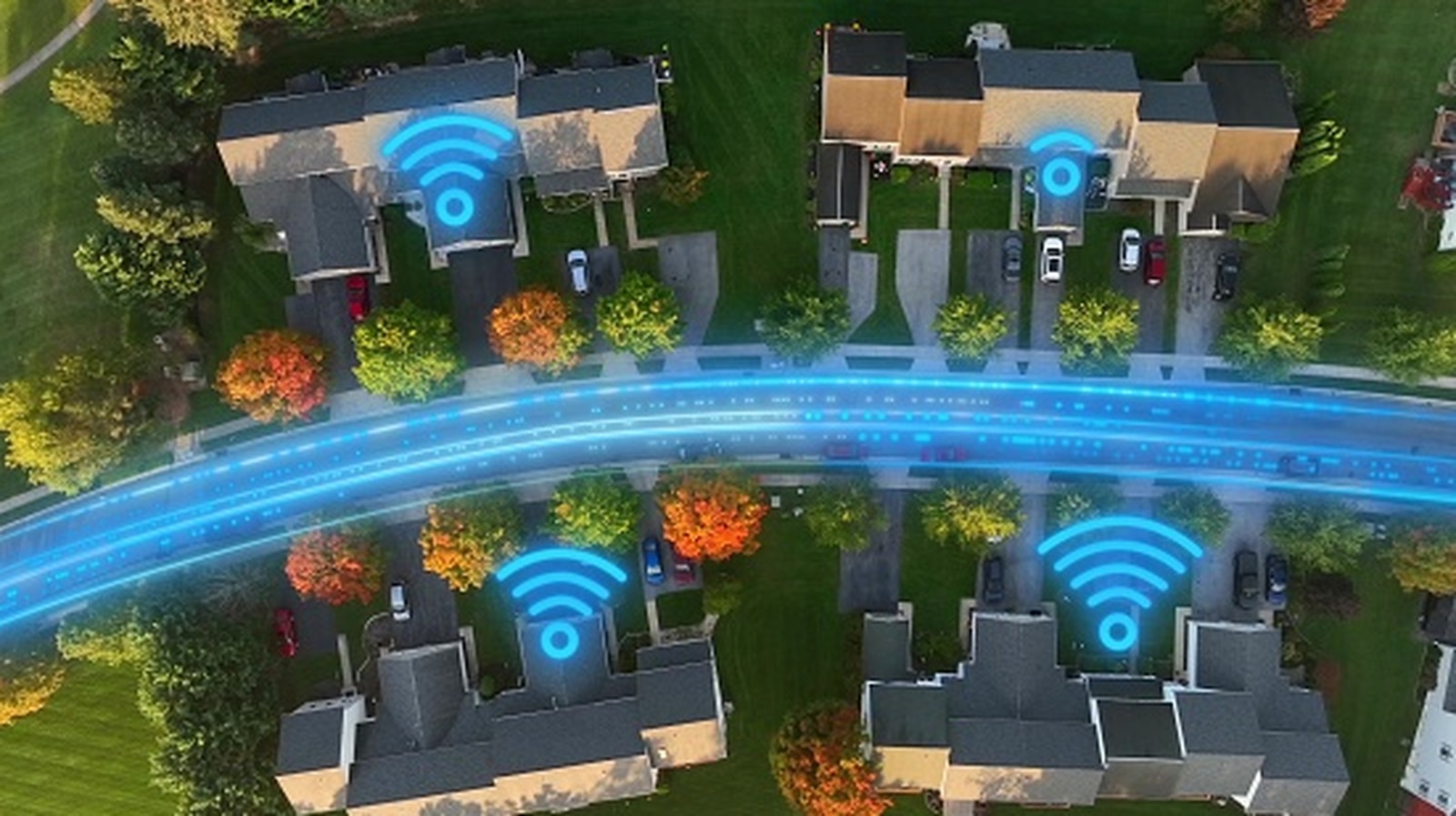
The fundamental difference between wired and fixed wireless home internet lies in the "last mile" delivery—how the internet service provider (ISP) brings the connection to your residence.
-
Wired Internet: With wired internet, a physical cable runs directly into your home. This can be:
- Fiber-optic cable: The most advanced wired option, offering unparalleled speed, low latency, and often symmetrical upload and download rates. Data travels as pulses of light, making it less susceptible to electromagnetic interference.
- Coaxial cable: Used for cable internet, this technology relies on a hybrid fiber-coaxial (HFC) network, with fiber connecting to neighborhoods and coaxial cable running to individual homes. It typically offers very fast download speeds but often slower upload speeds due to its shared network architecture.
- DSL (Digital Subscriber Line): The oldest broadband wired technology, DSL uses standard copper telephone lines. Its performance is highly dependent on the distance from the provider’s central office, resulting in slower speeds compared to fiber or cable. DSL is increasingly being phased out or reserved for areas without other broadband options.
-
Fixed Wireless Home Internet: Instead of a physical cable, fixed wireless internet uses a cellular connection to deliver broadband. A specialized gateway device placed in your home connects wirelessly to a nearby cellular tower (4G LTE or 5G network), much like a smartphone connects. This gateway then converts the cellular signal into a standard internet connection, which can be distributed throughout the home via Wi-Fi or Ethernet cables to various devices. This setup eliminates the need for trenching or complex wiring to the property, simplifying installation.
It is crucial to reiterate that this comparison is not about Wi-Fi versus Ethernet within the home. Both wired and fixed wireless connections, once they reach your gateway, can distribute internet wirelessly via Wi-Fi or through physical Ethernet cables to devices. A weak Wi-Fi signal in a distant room, for instance, is typically an internal network issue (solved by mesh Wi-Fi systems or Wi-Fi extenders) rather than a reflection of the speed or quality of the internet connection coming into the home itself.
Performance Metrics: Speed, Latency, and Reliability
When evaluating internet options, several performance metrics are paramount:
-
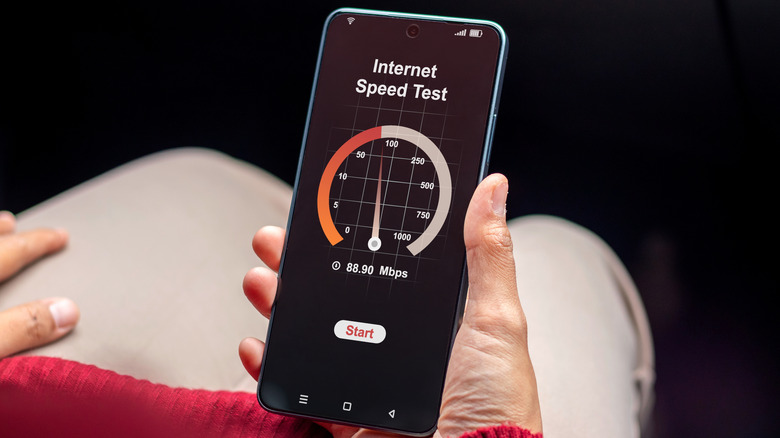
Speed (Download/Upload): Measured in Mbps or Gbps, this indicates how quickly data can be transferred.
- Wired: Fiber optic internet consistently offers the highest speeds, often reaching symmetrical multi-gigabit per second rates (e.g., Verizon Fios offering 5Gbps in select markets as of 2026). Modern cable internet can also deliver impressive download speeds, frequently exceeding 1 Gbps, though upload speeds typically lag. DSL, by contrast, rarely exceeds 100 Mbps and often operates much slower.
- Fixed Wireless: Performance varies significantly based on the cellular network (4G LTE vs. 5G), the specific frequency bands used (low-band, mid-band/C-band, or high-band/mmWave), signal strength at the customer’s location, and network congestion. As reported by Opensignal’s April 2026 US analysis, wired broadband users (fiber or cable) generally experienced higher average download speeds than fixed wireless users. However, current fixed wireless plans from major carriers demonstrate competitive speeds: T-Mobile’s Rely Home Internet typically offers 170-354 Mbps down and 12-55 Mbps up; AT&T Internet Air lists 90-300 Mbps down and 8-30 Mbps up; and Verizon’s 5G Home Internet can range from 25-85 Mbps on some mid-band plans to 300-1,000 Mbps on its fastest high-band 5G Home Ultimate option. While these speeds are not guaranteed due to the inherent variability of cellular connections, they are often sufficient for most household needs.
-
Latency: The delay before a data transfer begins following an instruction. Lower latency is critical for real-time applications like online gaming, video conferencing, and remote work.
- Wired: Fiber optic internet typically offers the lowest latency due to its direct, high-speed optical path. Cable internet also generally provides good latency. DSL, being an older technology, often has higher latency.
- Fixed Wireless: Latency on fixed wireless can be slightly higher and more variable than wired fiber or cable, as data must travel through multiple hops over the cellular network. Opensignal’s "Consistent Quality" measurement, which factors in speed, latency, jitter, and packet loss, indicated a smaller difference between fixed wireless and wired, suggesting that FWA can provide a competitive everyday experience despite potentially trailing on raw speed and latency in specific scenarios.
-
Reliability and Consistency:
- Wired: Generally perceived as more reliable because the connection is delivered over a dedicated physical line, making it less susceptible to environmental factors like weather, foliage, or radio interference. While wired networks can experience congestion, equipment problems, and outages, these are often localized or infrastructure-related.
- Fixed Wireless: Performance can be more variable. Signal strength can fluctuate due to weather conditions, obstructions (buildings, trees), distance from the cell tower, and the number of users simultaneously accessing the network (congestion). This variability means that advertised "typical" speeds are not guaranteed and can change throughout the day.
Installation, Cost, and Plan Terms
Beyond technical performance, practical considerations such as installation ease and overall cost significantly influence consumer choice.
-
Installation:
- Wired: Often requires professional installation. A technician may need to run a new line to the property, drill holes, and configure equipment. This process can be time-consuming, requiring scheduling appointments and potentially incurring installation fees.
- Fixed Wireless: Boasts a significant practical advantage in ease of setup. Most fixed wireless services are designed for self-installation. The provider ships a gateway device, and the customer simply plugs it in, finds an optimal spot for signal reception (often aided by indicator lights or an app), and activates it. This "plug-and-play" convenience saves time and avoids technician visits.
-
Cost and Plan Terms:
- Wired: Pricing can vary widely, with promotional rates often used to attract new customers. Plans may include data caps (though unlimited data is becoming more common with fiber), annual contracts, and early termination fees. Equipment rental fees are also common for modems or optical network terminals.
- Fixed Wireless: Providers often offer attractive and simplified plan terms. For example, T-Mobile’s Rely plan includes unlimited data, no yearly contract, and no early termination fees. While not universal across all fixed wireless providers, these terms highlight a trend towards greater flexibility and transparency, often making FWA a competitively priced option, especially in markets where wired options are expensive or limited. It’s crucial for consumers to compare the complete plan details, including the full monthly price after any promotional periods, equipment costs, and data allowances.
Availability and Future Outlook
The ultimate decision often boils down to what services are actually available at a specific address.
- Availability:
- Wired: Depends entirely on the existing physical infrastructure. Fiber-optic networks are still expanding but are not ubiquitous. Cable internet is widely available in most urban and suburban areas. DSL is available almost anywhere with telephone lines but is becoming less competitive.
- Fixed Wireless: Relies on cellular network coverage and capacity. Even if a smartphone gets good 5G service at a location, it doesn’t automatically guarantee that fixed wireless home internet will be offered or perform optimally, as the service requires specific network capacity allocations.
A valuable starting point for consumers is the FCC National Broadband Map (broadbandmap.fcc.gov). By entering an address, users can see which providers report offering service there, the underlying technology (fiber, cable, DSL, fixed wireless), and their maximum advertised download and upload speeds. It’s important to remember that this map reflects reported availability and advertised speeds, which may not always align with actual performance or affordability.
Government Initiatives and Broader Implications:
Government programs, such as the Broadband Equity, Access, and Deployment (BEAD) program in the U.S., are investing billions to expand broadband access, especially to unserved and underserved areas. Fixed wireless is playing an increasingly important role in these initiatives due to its rapid deployment capabilities, particularly in rural regions where laying fiber is cost-prohibitive. This expansion of choice fosters greater competition among ISPs, which can lead to better pricing and service quality for consumers across the board.
The growing viability of fixed wireless also has significant implications for bridging the digital divide, providing essential connectivity for remote work, online education, telehealth services, and local economic development in communities that have historically lacked adequate broadband.
Making the Right Choice
The decision between wired and fixed wireless internet requires careful consideration of individual needs and local circumstances.
- If competitively priced fiber reaches your home, it generally represents the best mix of affordability, high performance, low latency, and future-proofing, making it the preferred choice for bandwidth-intensive activities and households with multiple users.
- If your wired alternatives are slow (e.g., outdated DSL), expensive, or inconvenient to install, a good fixed wireless connection can be a superior option. Its ease of setup, often flexible plan terms, and competitive speeds make it an attractive alternative, especially if 5G coverage in your area is robust.
- For households with moderate internet usage, streaming, browsing, and occasional video calls, modern fixed wireless can provide a perfectly adequate and reliable experience.
- For heavy users, gamers, or professionals requiring extremely low latency and symmetrical multi-gigabit speeds, fiber remains the gold standard.
Ultimately, consumers should consult the FCC map, directly check with providers serving their address, and thoroughly compare specific plans based on expected speeds (download and upload), latency, monthly costs (including equipment and any hidden fees), data limits, and customer reviews. A trial period for fixed wireless is particularly beneficial to assess the quality of the cellular connection at a specific location before committing to a long-term plan. As technology continues to evolve, the distinction between "wired" and "wireless" home internet will remain a key factor in how individuals and communities connect to the digital world.