Sisilia Frederika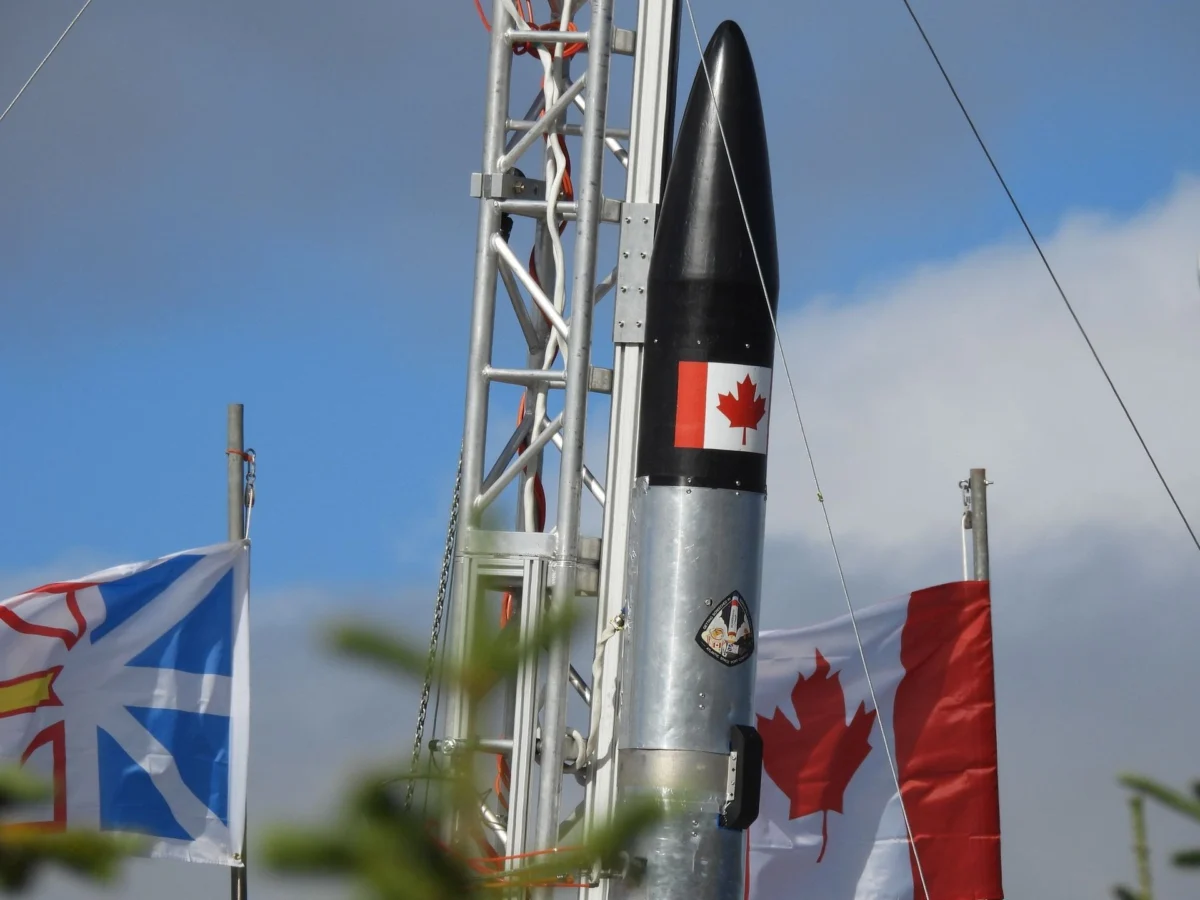
In a landmark move for the Canadian aerospace sector, Prime Minister Mark Carney has announced a federal investment of $200 million dedicated to the development and operation of Canada’s first commercial space launch facility. The funding, directed toward a site in Nova Scotia owned by Maritime Launch Services (MLS), signals a fundamental shift in national policy, prioritizing domestic control over space access. This investment aligns with the recently unveiled Defense Industrial Strategy, a comprehensive policy framework issued by the Defense Industrial Agency (DIA) that identifies aerospace platforms as a "key sovereign capability" essential for national security and economic resilience.
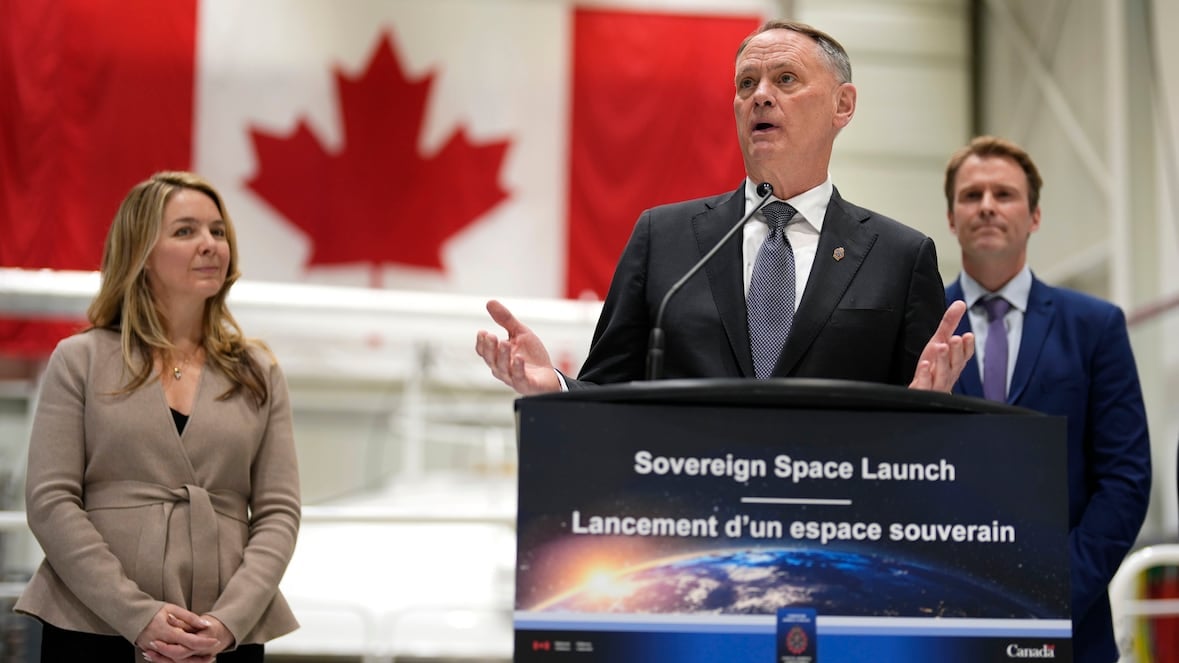
The formal announcement was delivered by Defense Minister David McGuinty on Monday, March 16th, during a high-profile press conference at the Canadian Space Agency’s (CSA) David Florida Laboratory in Ottawa. The $200 million commitment will secure a 10-year lease on the launch facility located near Canso, Nova Scotia. Construction on the site is currently underway and is projected to reach completion by 2028. Once fully operational, the spaceport will serve as a multi-purpose hub for launching and servicing defense-related, scientific, and commercial satellites, effectively ending Canada’s total reliance on foreign providers for orbital access.
A Strategic Shift in Defense Policy
The federal government’s decision to fund a domestic launch pad is rooted in the "Security, Sovereignty, Prosperity" report, which outlines the nation’s new Defense Industrial Strategy. For decades, Canada has been a global leader in satellite technology—pioneering developments in Earth observation and telecommunications—yet it has lacked the means to put those technologies into orbit from its own soil. By categorizing aerospace platforms as a sovereign capability, the DIA is signaling that the ability to launch is no longer a luxury, but a necessity for national defense.
Defense Minister McGuinty emphasized the economic stakes involved, noting that approximately 20 per cent of the Canadian economy is now inextricably linked to satellite data. From high-frequency trading in the banking sector to GPS-synchronized logistics and national cellphone networks, the infrastructure of modern Canadian life resides in Low Earth Orbit (LEO). "We want to be able to give ourselves more sovereignty and security on that front," McGuinty stated, highlighting the vulnerability of relying on third-party nations whose political climates or domestic priorities might shift.
The geopolitical landscape has become increasingly volatile, with supply chain disruptions and shifting alliances creating uncertainty. The federal government’s move is partially a response to the current complexities of the U.S.-Canada relationship. While the United States remains Canada’s closest ally, the administrative volatility in Washington has raised concerns about the long-term reliability of the Canadian Space Agency’s (CSA) access to U.S.-based launch vehicles. Domestic capability ensures that Canadian missions—whether for climate monitoring in the Arctic or military surveillance—are not relegated to the bottom of a years-long waiting list at Kennedy Space Center or Vandenberg Space Force Base.
The Canso Spaceport: Technical and Geographic Advantages
Maritime Launch Services, the Halifax-based company at the center of this investment, has been working since 2016 to establish the Canso site. The location was chosen for its unique geographic advantages. Situated at a high latitude on the Atlantic coast, the site offers a wide range of launch trajectories, particularly for polar and sun-synchronous orbits. These orbits are critical for satellites designed to monitor the Earth’s surface, a priority for a nation with the world’s longest coastline and vast Arctic territories.
The $200 million federal lease provides MLS with the financial stability required to scale its operations and attract international commercial clients. Stephen Matier, CEO of Maritime Launch Services, remarked that the federal contract is a transformative endorsement for the facility. He noted that Canadian companies like MDA Space and Kepler Communications have historically spent millions of dollars to launch aboard SpaceX rockets from Florida or California. While SpaceX’s "rideshare" programs have lowered costs, they often force small satellite operators to accept orbits that are "good enough" rather than optimal. A domestic site allows for bespoke mission profiles tailored to Canadian needs.
Launch the North: Incentivizing Domestic Rocketry
Parallel to the infrastructure investment in Nova Scotia, the Department of National Defence (DND) is fostering the development of the vehicles that will eventually lift off from Canadian soil. The "Launch the North: Accelerating Canada’s Sovereign Access to Space" challenge, administered through the Innovation for Defence Excellence and Security (IDEaS) program, recently announced its first major winner: NordSpace.
Based in Markham, Ontario, NordSpace was awarded an $8.33 million Phase 1 grant to accelerate the development of its "Tundra" orbital launch vehicle. The Tundra is designed to be Canada’s first domestically engineered and operated rocket. The vehicle utilizes a two-stage design powered by the "Hadfield engine," a modular turbopump-fed liquid bipropellant system. This modular approach is intended to reduce the risks associated with traditional rocket development by using a standardized engine architecture that can be clustered for different mission requirements.
The Tundra rocket is engineered to deliver 500 kg to Low Earth Orbit, while an upgraded "Tundra+" configuration aims for a capacity of 1,100 kg. NordSpace has even more ambitious plans for the future, with a "Titan" medium-lift vehicle designed to carry over 5,000 kg. Rahul Goel, CEO and Founder of NordSpace, framed the achievement as a matter of national dynamism. He suggested that sovereign launch capability would not only secure national interests but also "revivify" the Canadian manufacturing sector by reshoring high-tech aerospace jobs.
NATO Integration and International Cooperation
While the focus remains on sovereignty, Canada is not acting in isolation. Minister McGuinty confirmed that Canada intends to become a full member of the NATO Starlift initiative. This program is part of an overarching NATO Space Policy designed to create a resilient network of launch sites and satellite capabilities across member nations. The goal is to ensure that if a conflict were to disable one nation’s launch capacity—through cyber warfare or physical anti-satellite (ASAT) strikes by adversaries like Russia or China—the alliance could rapidly deploy replacement satellites from other member sites.
Canada’s participation in NATO Starlift reinforces its commitment to collective defense while ensuring that its domestic spaceports are integrated into a global security framework. This dual strategy—building sovereign capacity while strengthening international alliances—is viewed by analysts as the most effective way to deter threats in the "ultimate high ground" of space.
Expert Analysis and Economic Impact
The scientific community has largely welcomed the government’s focus on domestic launch. Sarah Gallagher, Director of Western University’s Institute for Earth and Space Exploration and a former adviser to the CSA, pointed out that having a launch site at northern latitudes is a significant strategic asset. Accessing orbits that cover the North is essential for monitoring climate change impacts, such as melting permafrost and shifting sea ice, which have direct implications for Canadian sovereignty in the Northwest Passage.
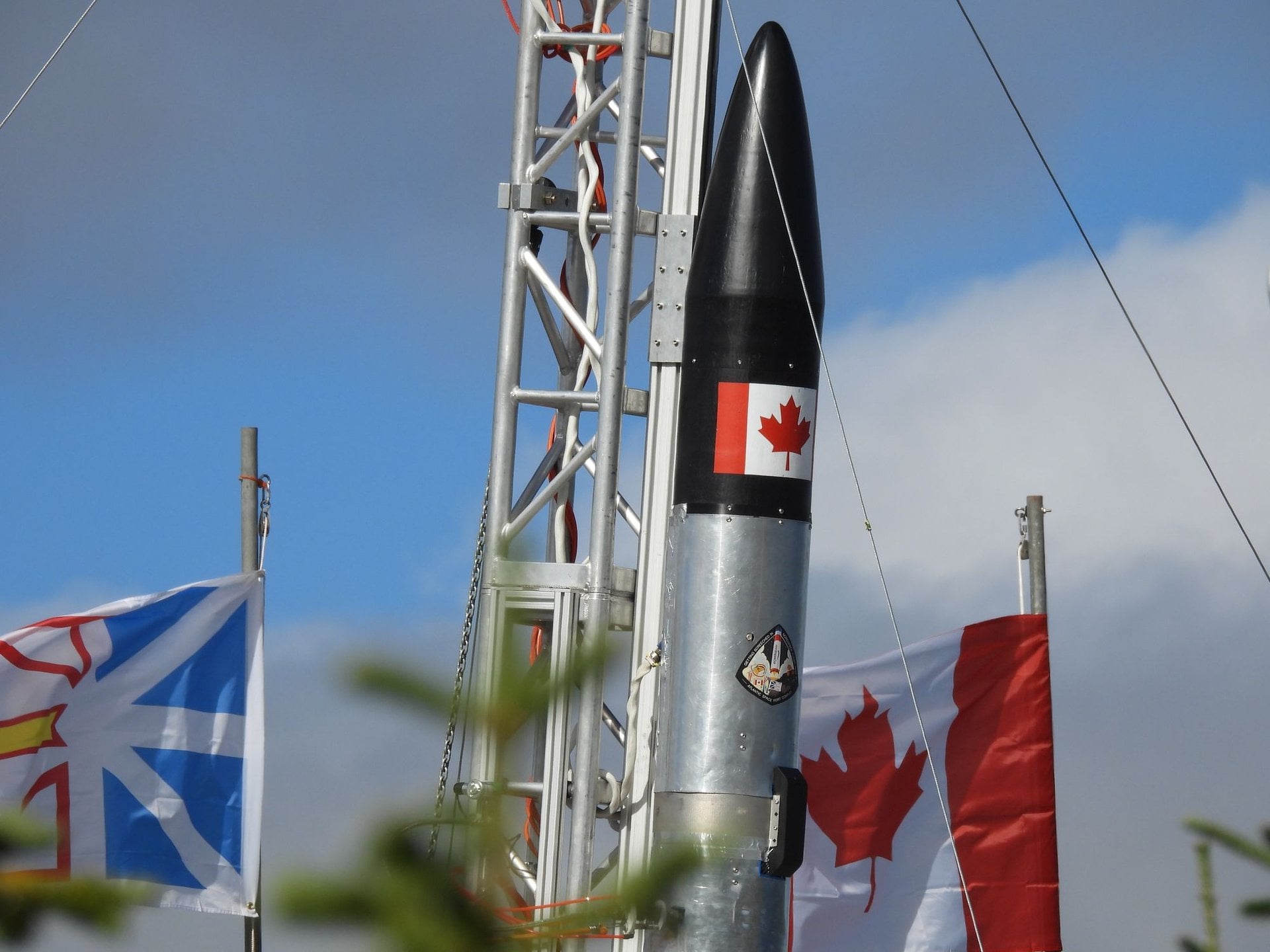
Furthermore, the economic ripple effects of a domestic spaceport are expected to be substantial. Beyond the initial $200 million investment, the facility in Nova Scotia is projected to create hundreds of high-skilled jobs in the Atlantic region. The construction phase alone involves complex engineering, environmental monitoring, and logistical planning. Once operational, the site will require a permanent workforce of technicians, engineers, and safety officers, potentially turning Canso into a hub for the global commercial space industry.
The IDEaS program, which funds the NordSpace Tundra project, represents a $105 million prize pool over three years. This level of funding suggests that the government is prepared to sustain its support for the aerospace sector through the difficult middle phases of research and development. By de-risking the early stages of rocket design, the DND is enabling private companies to reach the maturity levels required to compete with global aerospace giants.
Chronology of Canada’s Sovereign Space Ambitions
The path to this week’s announcement has been nearly a decade in the making:
- 2016: Maritime Launch Services is founded in Halifax, identifying Canso, N.S., as a prime location for a commercial spaceport.
- 2019-2022: Environmental assessments and community consultations take place in Nova Scotia, clearing the way for ground-breaking.
- February 2026: The Department of National Defence launches the IDEaS program to stimulate innovation in defense technology.
- March 2026: The federal government releases the new Defense Industrial Strategy, officially identifying aerospace platforms as a sovereign capability.
- March 16, 2026: Minister McGuinty announces the $200 million investment and the Phase 1 award to NordSpace.
- 2028 (Projected): Completion of construction at the Canso launch site and the first scheduled commercial orbital launch.
Conclusion: A New Frontier for Canada
The $200 million investment in Maritime Launch Services and the backing of NordSpace represent the most significant commitment to space launch in Canadian history. As the world enters a new era of space commercialization and geopolitical competition, the ability to launch satellites is no longer just a matter of scientific curiosity—it is a pillar of national security.
By securing a domestic launch pad and fostering a homegrown rocketry industry, Canada is positioning itself to be a leader in the global space economy. The strategic autonomy gained through these initiatives will ensure that Canada remains a "spacefaring nation," capable of protecting its borders, monitoring its environment, and supporting its economy without being beholden to the launch schedules or political whims of other nations. As construction continues in Canso and testing begins on the Hadfield engines, the countdown to Canada’s first sovereign orbital launch has officially begun.