Metty Iskandar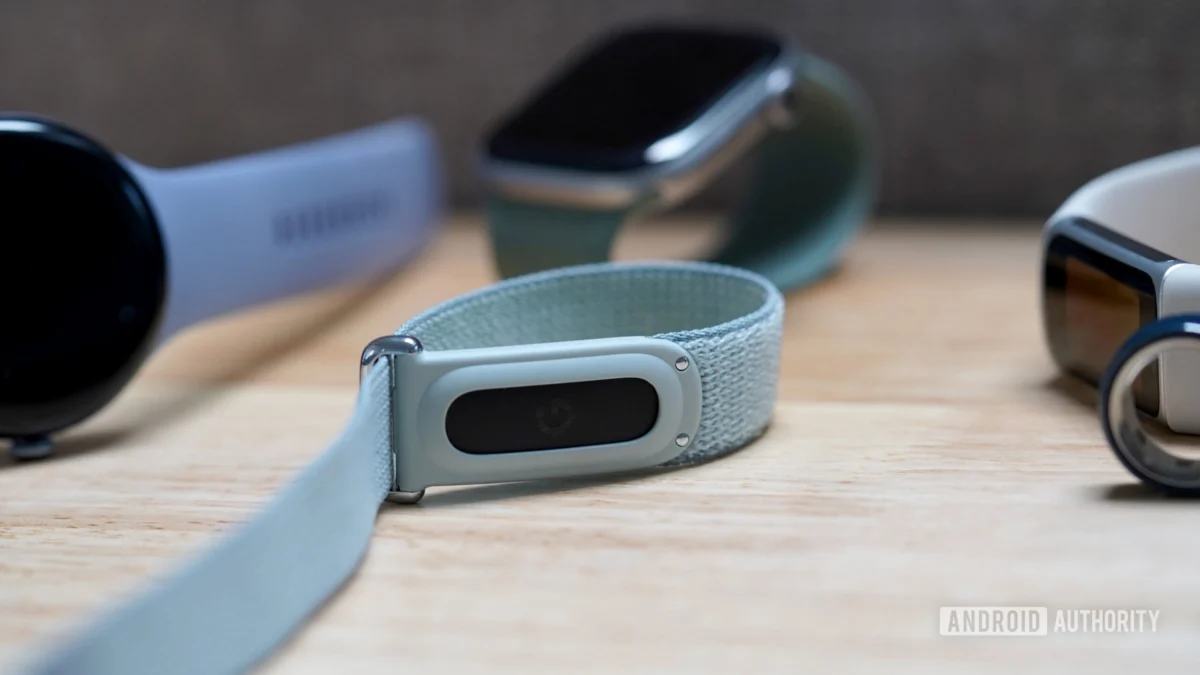
Apple is reportedly exploring the development of a new health and fitness tracker that would eschew a display, a move that could significantly challenge the growing market for screenless wearables dominated by companies like WHOOP and Google’s recent Fitbit Air. While the project is in its nascent stages, with no guarantee of a public release, the exploration signals Apple’s keen interest in diversifying its health technology portfolio beyond the Apple Watch. This potential foray into the screenless tracker segment aligns with a broader trend observed in the wearable technology industry this year, where devices prioritizing focused health metrics over app integration and notifications are gaining traction.
The initiative, as reported by Bloomberg’s Mark Gurman, has been under consideration by Apple for several months. Prototypes are currently being developed, but the company has not yet committed to a product launch. Sources suggest that if such a device were to materialize, it would likely not be available before 2028, and even then, its release remains uncertain. This cautious approach is characteristic of Apple, which often dedicates significant time to product development and refinement before bringing new categories to market.
The Rise of the Screenless Tracker: A New Frontier in Wearables
The concept of a screenless fitness tracker is not new, but it has experienced a notable resurgence. These devices typically focus on continuous, passive monitoring of physiological data, such as heart rate, heart rate variability (HRV), sleep patterns, and activity levels, without the distractions of a display. The data is then relayed to a companion smartphone app for detailed analysis and insights. This design philosophy caters to a segment of users who prefer a more focused and less intrusive approach to health tracking, prioritizing deep data dives over on-wrist notifications and app interactions.
Google’s recent entry into this space with the $99 Fitbit Air underscores the growing market potential. The Fitbit Air offers a streamlined experience, emphasizing core fitness tracking and recovery metrics, a direct competitor to established players like WHOOP. Similarly, the Luna Band, which recently commenced global shipping at $149, further validates this trend, positioning itself alongside established brands like WHOOP and Garmin. These devices aim to provide a less intrusive, more data-centric wearable experience, appealing to athletes, fitness enthusiasts, and individuals seeking a deeper understanding of their body’s performance and recovery.
Apple’s Potential Entry: A Strategic Diversification
Apple’s rumored exploration of a screenless tracker represents a strategic move to broaden its health technology offerings. The Apple Watch, a highly successful and feature-rich smartwatch, already dominates the premium wearable market. However, a screenless device would cater to a different user demographic and use case. This would allow Apple to compete directly with specialized fitness trackers that prioritize advanced physiological monitoring and recovery insights, areas where the Apple Watch, with its emphasis on a broad range of smartwatch functionalities, might not be the primary choice for some dedicated athletes or biohackers.
The reported involvement of key Apple executives, including Executive Chairman Tim Cook and services chief Eddy Cue, highlights the significance Apple is placing on this potential project. Furthermore, the participation of members from Apple’s Vision hardware team suggests that the company is leveraging its expertise in sensor technology and miniaturization, skills honed during the development of its augmented and virtual reality hardware. This cross-pollination of engineering talent indicates a serious commitment to exploring innovative hardware solutions that could redefine Apple’s presence in the health and wellness sector.
Design and Functionality: A Stripped-Down Approach
Based on early reports, the envisioned Apple screenless tracker would feature a thin fabric band housing a sensor-equipped computing module. This design philosophy directly mirrors that of competitors like WHOOP and the Fitbit Air, emphasizing comfort, discretion, and a singular focus on data acquisition. By eliminating a screen, Apple could potentially achieve several benefits:
- Extended Battery Life: Without the power demands of a display, a screenless tracker could offer significantly longer battery life, a crucial factor for continuous health monitoring. This aligns with the appeal of existing screenless trackers, which often boast multi-day or even week-long battery performance.
- Reduced Cost: The absence of a display and associated components could lead to a more affordable price point compared to the Apple Watch, potentially opening up a new market segment for Apple.
- Enhanced Comfort and Discretion: A smaller, screenless form factor would likely be more comfortable for 24/7 wear, including during sleep, and less obtrusive in daily life.
- Focused User Experience: The design would inherently steer users towards the companion app for detailed insights, fostering a deeper engagement with their health data rather than superficial on-wrist checks.
The strategic implications of Apple entering this market are substantial. It would introduce a major player into a niche but rapidly growing segment, potentially intensifying competition and driving further innovation. The company’s established ecosystem, including its robust health data platform and vast user base, would provide a significant advantage.
The Competitive Landscape: A Growing Arena
The wearable technology market is increasingly bifurcating into general-purpose smartwatches and specialized health trackers. Apple’s potential move directly addresses the latter.
- WHOOP: The pioneer in the screenless fitness tracker space, WHOOP has built a strong reputation among elite athletes and fitness enthusiasts for its advanced recovery and strain analysis. Its subscription-based model emphasizes continuous improvement and data-driven insights.
- Google Fitbit Air: Google’s recent offering aims to democratize the screenless tracker concept with a more accessible price point. It leverages Fitbit’s established brand and ecosystem, focusing on core health metrics and sleep tracking.
- Garmin: While known for its comprehensive GPS sports watches, Garmin also offers devices with advanced physiological tracking capabilities that can be used for more focused health monitoring, though typically with displays.
- Oura Ring: While not a band, the Oura Ring is another prominent player in the screenless health tracking market, focusing heavily on sleep and readiness scores, providing a different form factor for continuous monitoring.
Apple’s entry would undoubtedly shake up this landscape. The company’s track record of successfully launching and scaling new product categories suggests that if they commit to a screenless tracker, it could become a significant competitor, potentially influencing pricing, feature sets, and consumer adoption rates.
Timeline and Future Outlook: A Glimpse into 2028 and Beyond
The projected timeline of 2028 for a potential Apple screenless tracker release indicates a long-term development strategy. This timeframe allows for extensive research, development, and testing, ensuring that any product launched meets Apple’s stringent quality and performance standards. It also suggests that Apple is not rushing to capitalize on a current trend but is instead carefully considering how such a device would fit into its broader product ecosystem and long-term vision for health technology.
The success of such a product would hinge on several factors:
- Data Accuracy and Insights: The core value proposition of any health tracker lies in the accuracy of its data and the actionable insights it provides. Apple would need to demonstrate superior sensor technology and sophisticated algorithms for analyzing physiological metrics.
- User Experience and Integration: Seamless integration with the Apple Health platform and intuitive app design would be crucial for user adoption and retention.
- Battery Performance: As mentioned, extended battery life is a key differentiator for screenless trackers. Apple would need to deliver a competitive battery performance to rival existing offerings.
- Pricing Strategy: The $99 price point of the Fitbit Air suggests a growing demand for more affordable health-focused wearables. Apple’s pricing will be a critical factor in determining its market penetration.
While the future of this potential Apple product remains speculative, the exploration itself signifies a deliberate strategy to expand its reach within the burgeoning health technology sector. The company’s commitment to privacy and its vast resources position it to potentially redefine what users expect from dedicated health and fitness trackers, further blurring the lines between consumer electronics and personal wellness. The coming years will reveal whether Apple decides to translate these early explorations into a tangible product that could reshape the competitive dynamics of the wearable market.